From the Isar to the Heart of Munich
After the parking adventure in Innsbruck the night before, I was prepared for another round of figuring out where a hotel had hidden its garage. Munich turned out to be much easier. I found the Holiday Inn Munich – City Centre without any trouble, spotted the sign directing me underneath the hotel, and had the rental car parked within a few minutes.
The room was a pleasant surprise, especially after I realized I had managed to come to Europe without packing my outlet adapter. The regular outlets weren’t going to do me much good, but thankfully the room had USB ports, which meant I could at least keep the camera batteries charging. The better surprise was outside the window. St. Luke’s Church was nearby, and beyond it the Munich skyline stretched toward the twin towers of Frauenkirche. With the 100–500mm lens, I could reach well into the city without leaving the room.
I was tired enough that a shower and bed sounded better than trying to squeeze anything else into the evening. The next morning had been forecast to be cloudy with a chance of rain, but when I looked outside there were patches of blue breaking through. I took a few photographs from the window, packed the camera gear and decided the weather was good enough to start walking.
Marienplatz was the main place I wanted to see, but Munich kept giving me reasons to continue farther. A morning walk across the Isar eventually stretched through the Old Town, above the rooftops from a church tower, deep inside the Residenz and all the way north to the Siegestor. By the time I finally worked my way back toward the hotel, the city had turned what looked like a fairly straightforward day into one of the longest and most rewarding walks of the trip.
Journey Timeline
- Day 1 — Arrival in Munich: Drove in from Innsbruck, parked beneath Holiday Inn Munich – City Centre, checked in and photographed St. Luke’s Church, Frauenkirche and the Munich skyline from the room.
- Day 2 — Munich on Foot: Crossed the Isar into the Old Town, explored Marienplatz, St. Peter’s Church and tower, Viktualienmarkt, Neues Rathaus, Asamkirche and Frauenkirche before spending several hours inside the Munich Residenz. Continued north along Ludwigstraße to St. Ludwig and Siegestor, used a Lime e-bike for part of the return, stopped back at Viktualienmarkt for a late meal, returned to the hotel and later drove to Hilton Munich Airport for the final night.
The Experience, Told Through the Journey
Across the Isar and Into the Old Town
Once I had the camera gear together, I left the hotel and started toward the center of Munich on foot. St. Luke’s Church was almost immediately in front of me, so the clock tower that had been part of the view from my room became one of the first things I passed at street level. From there the route carried me onto Ludwigsbrücke, where I stopped for a while to photograph the Isar and some of the everyday city scenes around the bridge.
I like walking into a city this way because the transition becomes part of the visit. Instead of arriving directly in front of whatever landmark everyone came to photograph, I was gradually moving from the quieter streets around the hotel toward the older center. Isartor was the first obvious sign that I had reached it. Rather than trying to cross the busy roads surrounding the gate, I followed the pedestrian passage underneath, past the small shops, and emerged on the other side heading deeper into the Old Town.
Not far beyond it I came across Heilig-Geist-Kirche. I went inside, spent some time photographing the church, then continued around the corner toward the place I had really been working my way toward all morning.
Marienplatz was anything but subtle.
Marienplatz From Street Level and Above
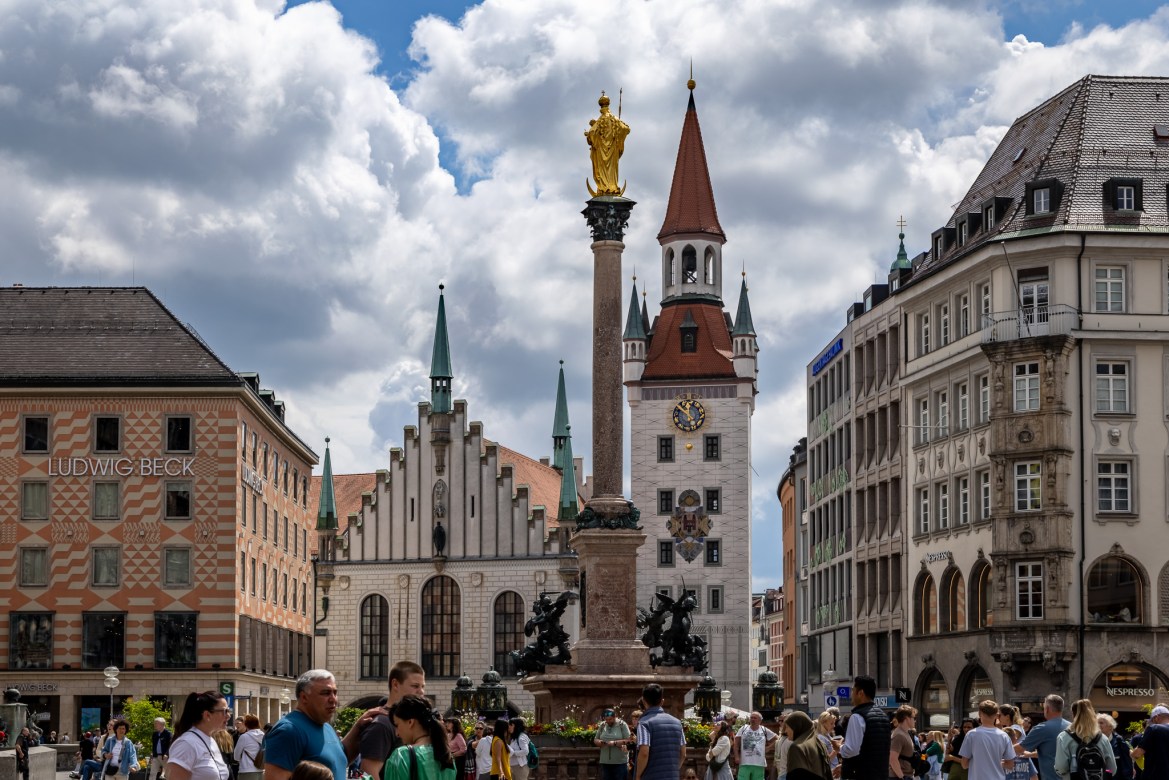
The square was packed, although I couldn’t exactly pretend to be surprised. Neues Rathaus dominates one side of Marienplatz, and between the architecture, Glockenspiel, churches, shops and tour groups, there were people moving in every direction. I spent quite a while working around the square looking for different compositions instead of settling for one photograph from the middle.
Before the trip I had seen a photograph of Neues Rathaus taken from high above Marienplatz and wanted something similar. St. Peter’s Church sits directly across the square, and its tower looked like the obvious place to try. When I got there, however, the tower was closed for a lunch break and wouldn’t reopen for about forty minutes.
That actually worked out well. Instead of standing around waiting, I went inside the church and had enough time to explore the interior without feeling rushed. Once access to the tower reopened, I paid the small admission fee and started climbing.
The staircase became progressively narrower as I went higher, and passing people headed the opposite direction required a little cooperation. It was a lot more work than taking an elevator to an observation deck, but once I stepped outside at the top, I understood why that photograph had stuck with me.
Neues Rathaus was directly below, Frauenkirche stood prominently across the rooftops, and Munich stretched in every direction beyond them. The clouds were still moving through quickly, leaving alternating patches of blue sky, bright sunlight and shadow over the city. I stayed up there for quite a while, moving around the tower and photographing everything from broad skyline views to details of the Glockenspiel far below.
When I finally came back down, some of the larger tour groups had moved on. Marienplatz was still busy, but at least it no longer felt like every visitor in Munich had decided to stand in the same place at once.
Between Markets, Churches and the Rathaus
Viktualienmarkt was only a short walk away, and I wandered through it without any real plan to eat yet. Stalls were packed with produce, meats, cheese, breads, flowers and plenty of places selling bratwurst and beer. I took photographs, looked around and kept moving, fully expecting I would come back later.
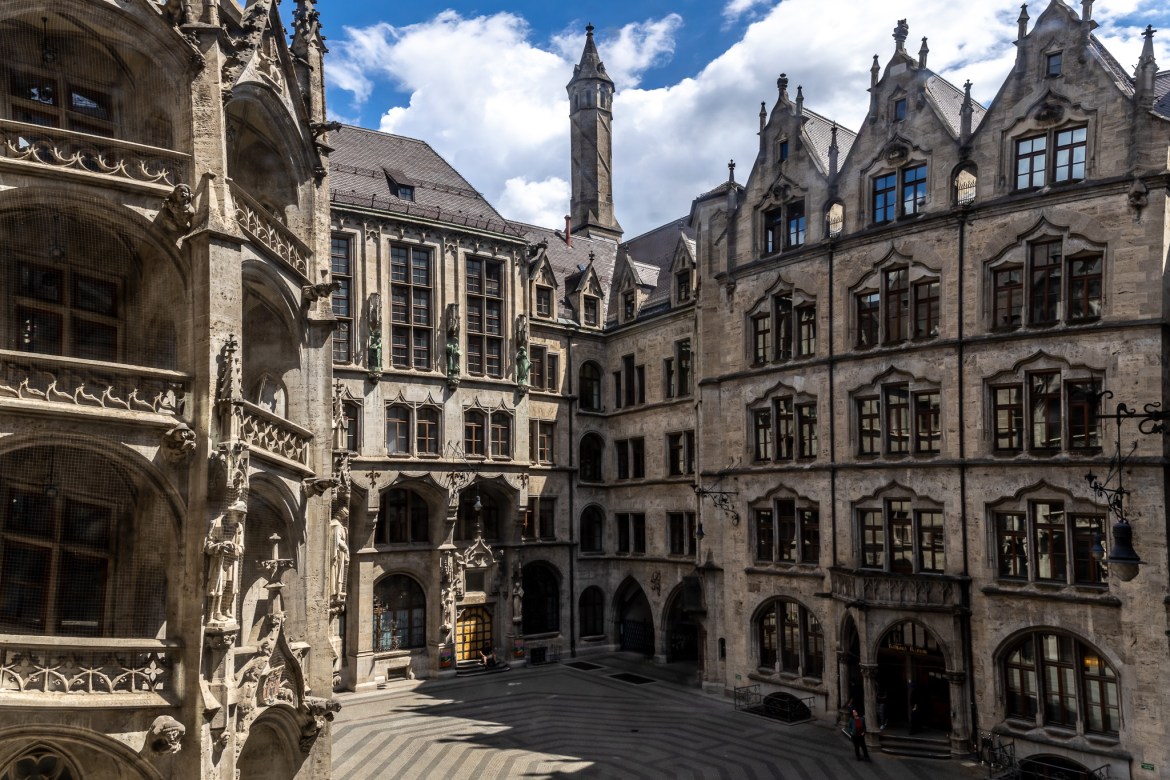
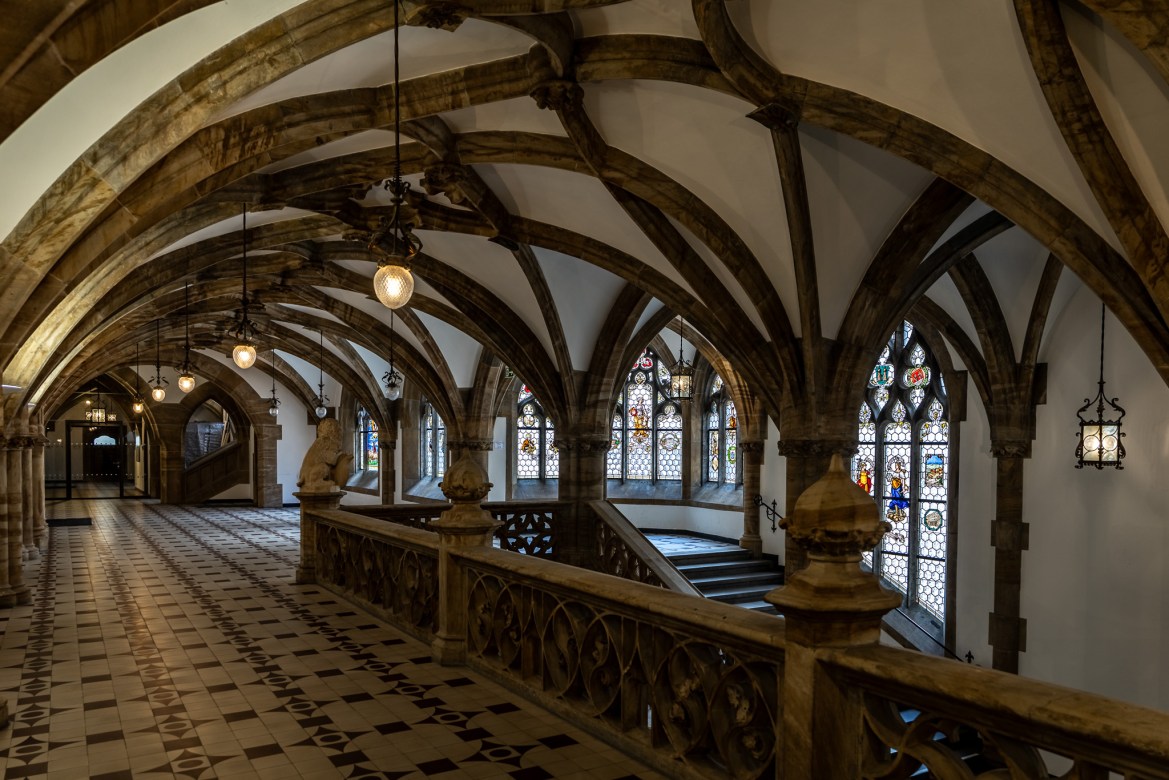
Back at Marienplatz, I went inside Neues Rathaus. The exterior gets most of the attention, but I enjoyed the interior just as much. Long corridors, stone arches and stained-glass windows gave the building a completely different character from the crowded plaza outside, and with several floors and hallways branching in different directions, it was easy to lose track of where I had entered.
I eventually reached the level where an elevator could take visitors farther up the Rathaus tower, only to discover that the ticket needed to be purchased elsewhere across the plaza. Under different circumstances I probably would have gone back for it, but I had just spent a long time photographing essentially the same part of Munich from St. Peter’s tower. I decided one skyline climb was enough.
From there I followed Sendlinger Straße toward Asamkirche, browsing the shops along the way. I had hoped Germany might be the place to find Laura a good deal on Birkenstocks. Apparently the shoes had not been informed that I was shopping in their home country, because the prices were actually higher than what I could find back home.
Asamkirche was far more successful. It isn’t a huge church, but nearly every visible surface seems to have something happening on it. Sculpture, painted ceilings, gilded details and religious imagery are packed together so tightly that it takes a while just to decide where to point the camera.
Frauenkirche provided almost the opposite experience. Its twin towers had been helping me navigate the Old Town for much of the day, and once I reached the church the interior felt enormous compared with the compressed decoration of Asamkirche. Tall windows and long sight lines gave me another completely different style of architecture to photograph within only a few blocks.
The Experience, Told Through the Journey
The Residenz Kept Going
From Frauenkirche I began working toward the Munich Residenz, passing the National Theatre, Theatinerkirche and Feldherrnhalle along the way. Feldherrnhalle was under renovation, so there wasn’t much to do photographically there, but the surrounding architecture around Odeonsplatz more than made up for it.
Before going inside the Residenz, I walked through the Hofgarten and sat down for a while. By then I had already spent several hours on my feet, and taking a little time in the garden sounded considerably better than rushing straight into another large attraction.
I had no idea just how large that next attraction was going to feel.
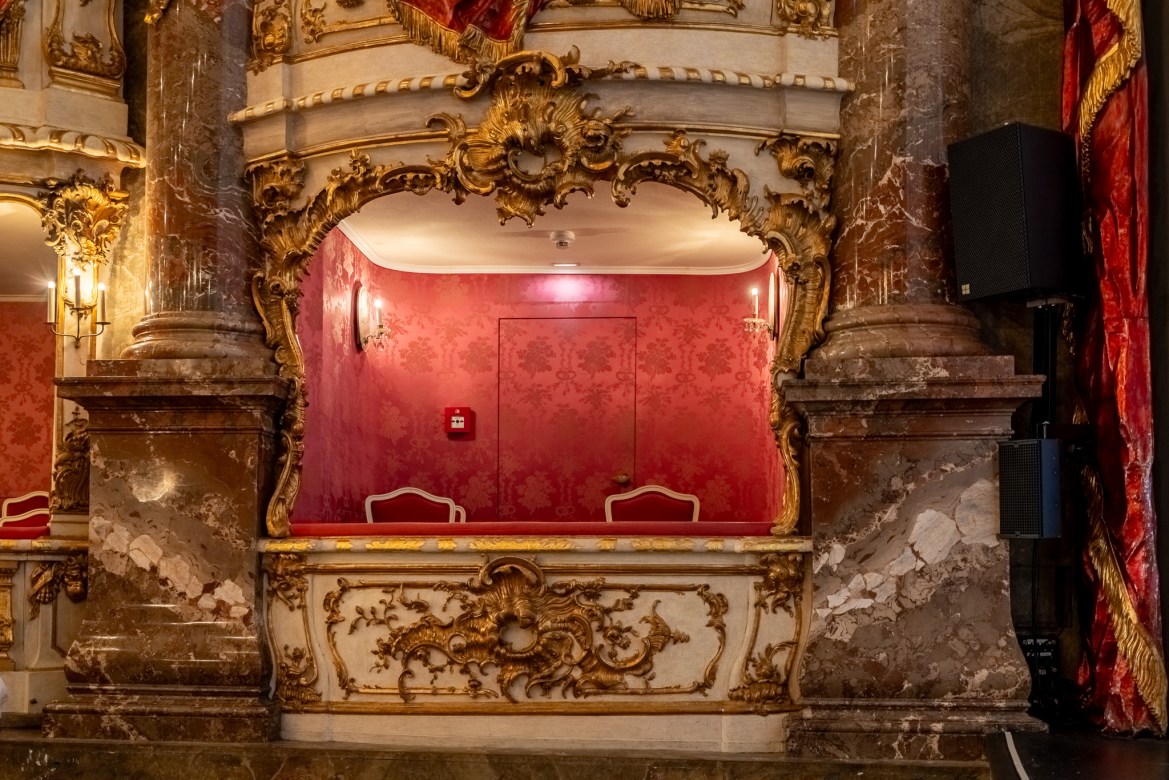
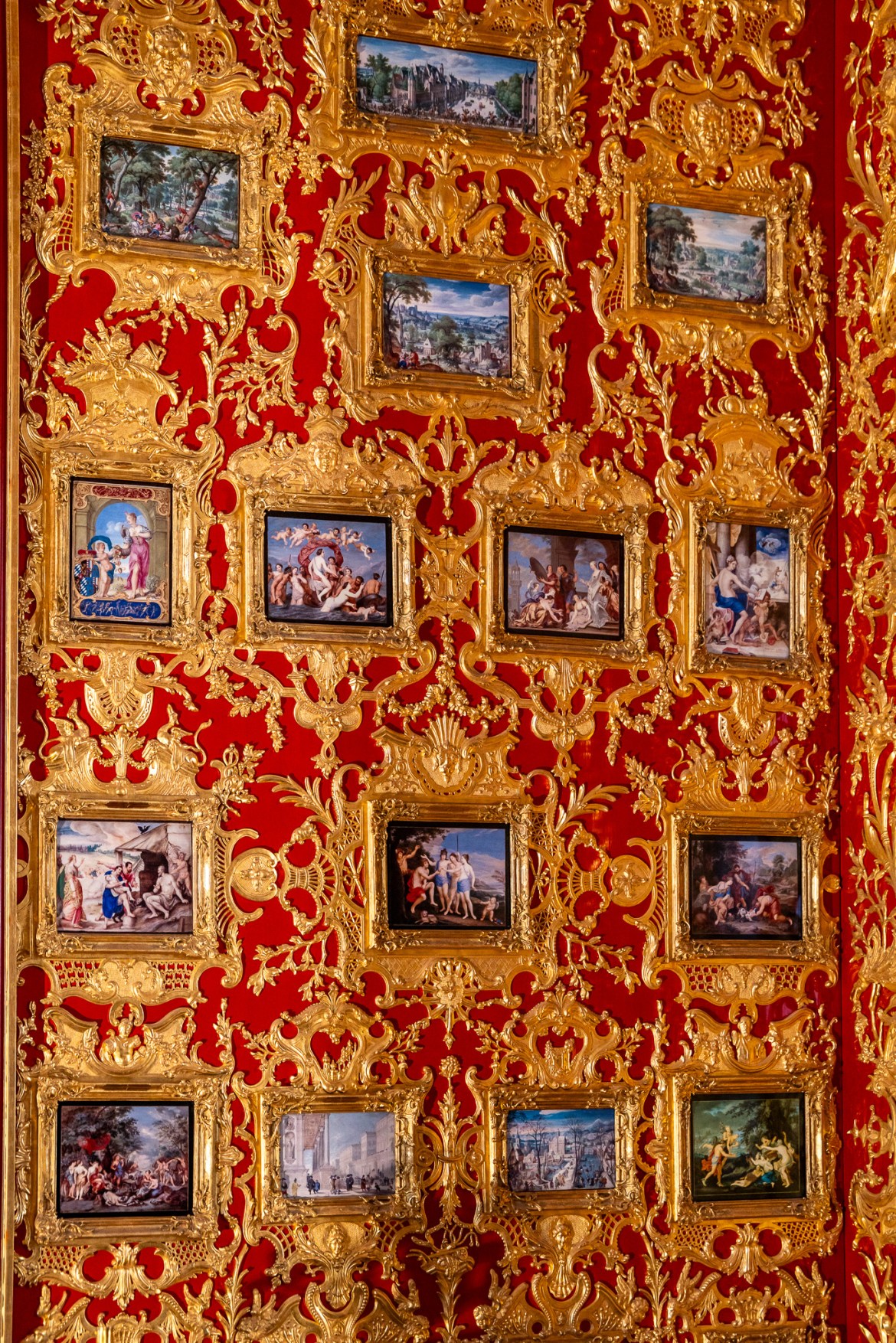
After buying my ticket, I started with the Cuvilliés Theatre. The red velvet, gold ornamentation and stacked balconies were almost overwhelming, especially considering how intimate the theater itself felt. From there I moved through the courtyards and into the Residenz proper, where the scale changed again.
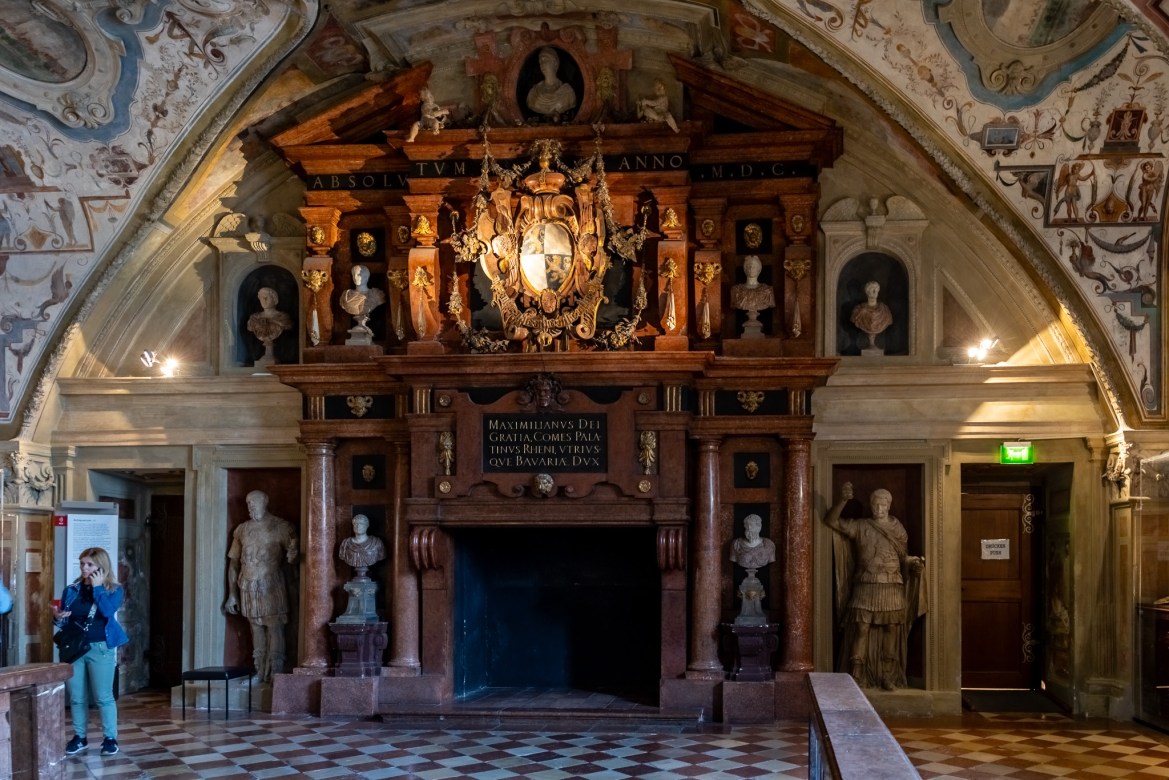
Room after room seemed to introduce another style of decoration. The Ancestral Gallery, royal collections, silver, elaborate furnishings, painted ceilings and ceremonial rooms gave me more subjects than I could realistically photograph well in one visit. At some point I stopped thinking in terms of documenting rooms and began looking for individual details instead.
That was how I ended up photographing chandeliers.
Once I noticed how different they were from room to room, I started deliberately looking for them. Before long I was wondering whether I had enough photographs to build an entire gallery around them.
Then I reached the Antiquarium.
The length and symmetry of that room immediately slowed me down. Sculptures lined both sides beneath the painted Renaissance vault, and there were compositions everywhere I looked. It was one of those interiors where I could have spent an absurd amount of time moving a few feet, trying another angle and then doing it again.
While I was there, I ended up in a long conversation with one of the guards about differences between Germany and the United States, including some politics. It stayed mostly friendly and turned into one of those completely unplanned travel conversations that has nothing to do with the admission ticket but becomes part of how I remember the place.
I kept moving through galleries, state rooms, collections and the brick interior of the Allerheiligen-Hofkirche until a staff member finally told me they were closing.
That was the only reason I stopped.
I could have spent an entire day inside the Residenz and still found more to photograph.
North Along Ludwigstraße
Coming back outside, my legs were already reminding me how much ground I had covered. The reasonable decision would have been to start back toward the hotel.
Then I looked north.
Far down Ludwigstraße I could see another pair of church towers. Beyond those was a large arch.
I had to see what they were.
The towers belonged to St. Ludwig, and the arch beyond them was the Siegestor. What looked fairly manageable from Odeonsplatz became considerably farther once I actually started walking toward it, but by that point there was no chance I was turning around before reaching the arch.
The problem came afterward.
Standing near Siegestor and looking back south, the walk I had just made seemed dramatically longer than it had from the other direction. My legs were done negotiating.
Then I noticed the Lime bikes and scooters parked nearby.
The decision took about three seconds.
I downloaded what I needed, entered my card, looked over the basic road and bike-lane rules and was soon riding back down Ludwigstraße. Munich suddenly became much smaller. My legs were delighted with the arrangement; I was slightly less relaxed every time I looked down and saw my camera gear bouncing around in the basket.
I rode as far as Theatinerkirche, parked the bike and went back to walking. There were still photographs around the center I wanted before leaving, and apparently the short ride had restored just enough energy for me to continue making decisions that involved more time on my feet.
Back Through Viktualienmarkt
By then breakfast was a distant memory and I was finally ready to eat. I headed back to Viktualienmarkt and started looking at the food stands with considerably more interest than I had earlier in the day.
One of them had a long line.
I figured that many hungry people couldn’t all be wrong, so I joined them.
I ordered bratwurst, Käsespätzle and a Bavarian beer, found a place to sit and finally gave my legs another break. After walking most of the day, it was exactly what I wanted and gave me enough energy to make the final walk back across the Isar.
When I reached the Holiday Inn, the rental car was still waiting in the garage, but I wasn’t quite ready to get behind the wheel. I sat down in the lobby restaurant, ordered another German beer and put my feet up for a while.
There was still one last move to make. Once I felt human again, I collected the car and drove north to Munich Airport, returned the rental and checked into the Hilton connected to the terminal for the night.
Munich had started with a simple walk toward Marienplatz.
Somewhere along the way, I apparently forgot the meaning of the word simple.
Food, Drinks & Quick Stops
Breakfast at the Holiday Inn looked convenient enough, so I stayed at the hotel rather than hunting for something elsewhere. Compared with several of the hotel breakfasts earlier in the trip, though, this one was much smaller and somehow cost about twice as much. The bigger irritation came when I went back for another plate and discovered the staff had already removed the buffet. Nobody had mentioned when I sat down that breakfast service was about to end, so that was apparently all I was getting.
Viktualienmarkt worked out considerably better. I had walked through earlier in the day without stopping to eat, but by the time I returned I was hungry enough that choosing a stand became very easy. One place had a long line, so I joined it and ordered bratwurst, Käsespätzle and a Bavarian beer. After spending most of the day walking Munich, I wasn’t looking for anything complicated. It was filling, tasted great and gave me enough energy to finish the route back to the hotel.
The last beer of the day wasn’t at some famous Munich beer hall. It was in the Holiday Inn lobby restaurant with my feet up before driving to the airport. Considering how my legs felt at that point, it may have been the one I appreciated most.
In the Frame
The Faces Behind This Journey
Where I stayed
Holiday Inn Munich – City Centre
After the confusion of finding parking in Innsbruck the night before, this arrival couldn’t have been easier. The entrance to the garage beneath the hotel was clearly marked, I found a space quickly and left the rental car there while I explored Munich on foot.
The room itself was comfortable, but two things mattered more to me than the normal hotel amenities. First were the USB charging ports. I had forgotten my European adapter, and those ports kept my camera batteries alive. Second was the view. St. Luke’s Church filled part of the foreground while Munich’s skyline stretched beyond it, including the towers of Frauenkirche in the distance. With the 100–500mm lens, the room became a surprisingly good photography position before I ever stepped outside.
The location also worked extremely well for the way I explored the city. Rather than driving into the center, I could leave the car underneath the hotel, cross the Isar on foot and continue directly into the Old Town.
Hilton Munich Airport
The Hilton was a completely different kind of stay. I wasn’t there to explore another neighborhood; I was positioning myself for departure.
After returning to the Holiday Inn, resting for a while and collecting the car, I drove to Munich Airport, returned the rental and checked into the Hilton connected to the terminal. After several days of moving between cities, finishing the trip already at the airport made the final night wonderfully uncomplicated.
Just Beyond: Neuschwanstein & Schwangau
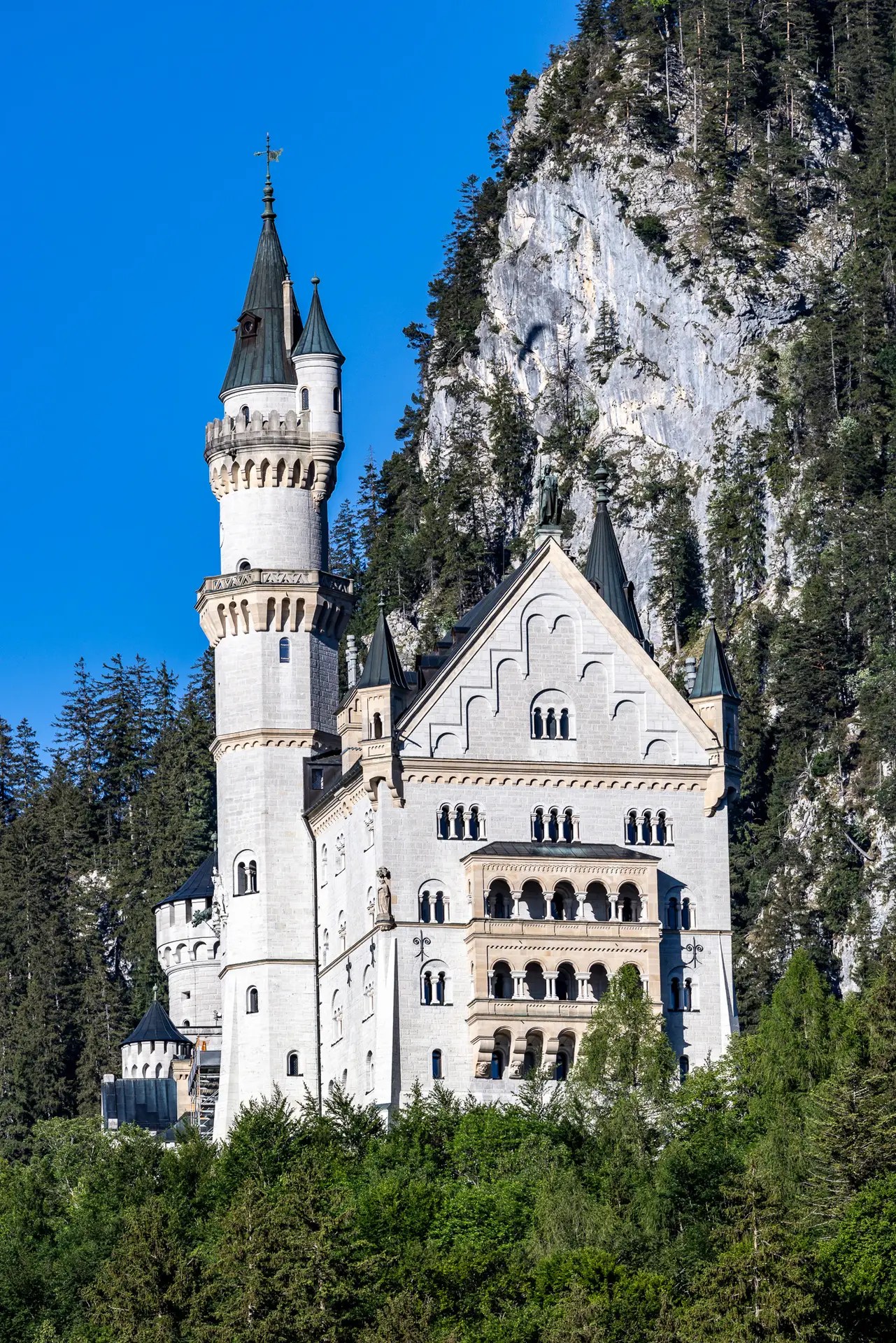
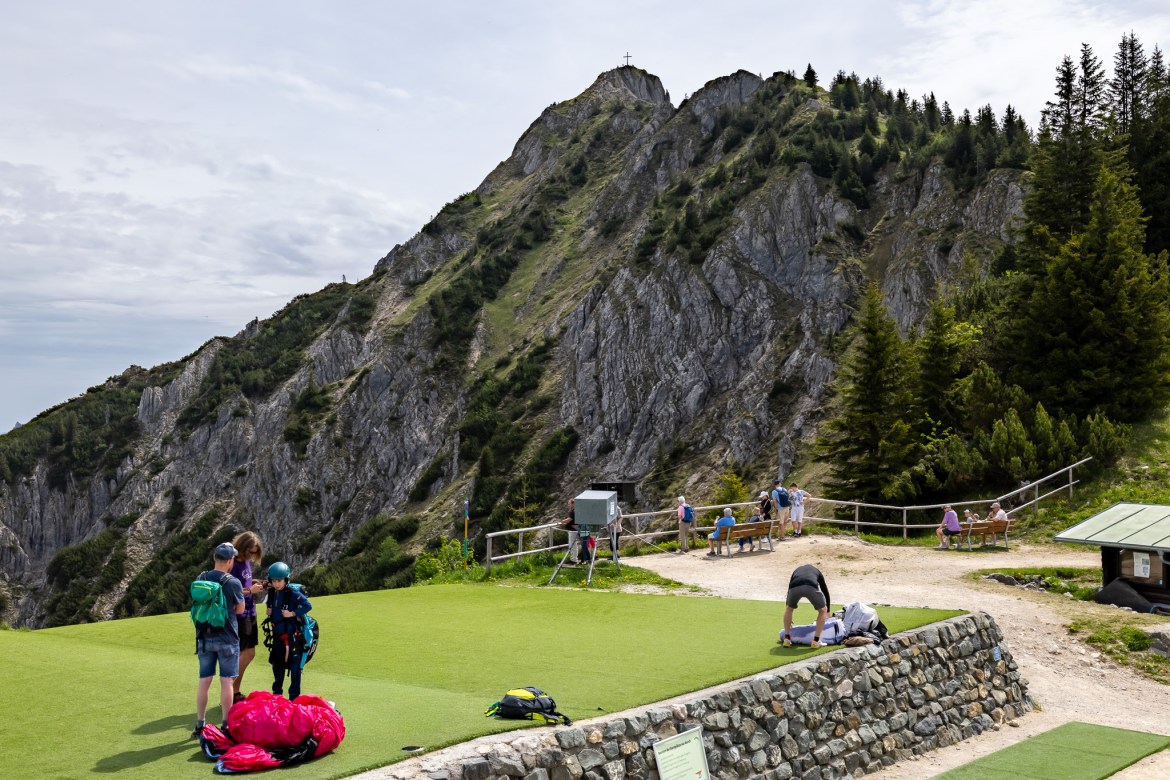
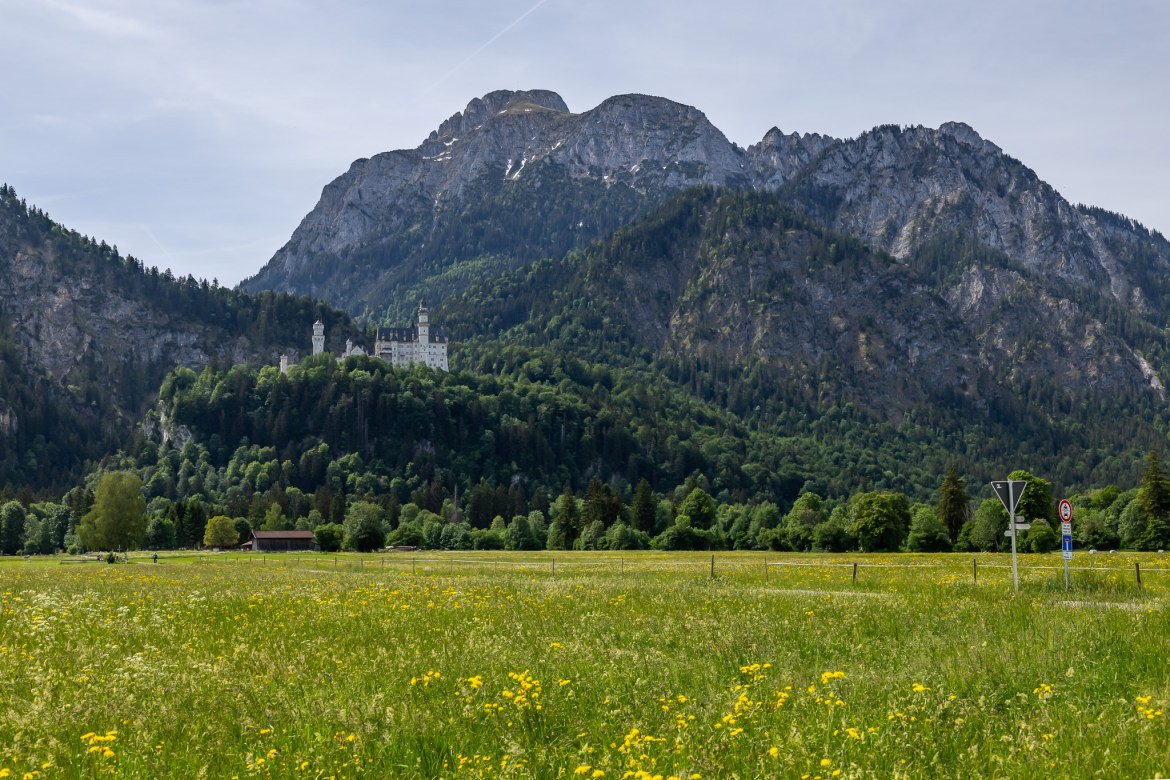
The road through southern Bavaria began in Schwangau, where Neuschwanstein Castle rises above the surrounding lakes, forests and Bavarian Alps. The previous stop includes the castle, Hohenschwangau, mountain views and the paragliding flight that started this day.
Explore Neuschwanstein & Schwangau
Photography Notes
Munich gave me a very different photography day from the mountain scenery and castles that had filled much of this part of the trip. Here I was moving constantly between street scenes, architecture, interiors and elevated city views, often within only a few blocks.
The 100–500mm lens became useful before I even left the Holiday Inn. From the room I could isolate St. Luke’s Church and reach far enough across the skyline to photograph Frauenkirche. Later, from St. Peter’s tower, that same ability to compress the city was even more useful. Neues Rathaus was directly below while Frauenkirche, church towers and layers of rooftops filled the distance.
The shifting weather helped. The forecast had looked fairly gray, but clouds kept breaking apart and letting blue sky and sunlight move across the city. From the tower that created a much more interesting skyline than a completely clear afternoon would have given me.
Marienplatz presented the opposite challenge: too many people rather than too little light. I spent time moving around the square and waiting for compositions instead of expecting the crowds to disappear. Some eventually did when tour groups moved on, but Munich wasn’t exactly handing me empty plazas.
Inside the churches and the Residenz, I slowed down considerably. Those spaces were less about covering ground and more about symmetry, ceilings, stained glass, gilded details and the way one room connected visually to the next. The Antiquarium was probably the strongest single interior for me photographically, but the Residenz had so many smaller details that I eventually found myself building mini-themes within the larger visit, including all those chandeliers.
The Lime ride was excellent for my legs and considerably less comforting for the camera gear. Watching it bounce around in the front basket made that one ride more exciting than it needed to be.
Practical Notes & Lessons Learned
The forgotten power adapter should have been a bigger problem than it became. The USB ports at the Holiday Inn rescued me, but I wouldn’t count on getting that lucky every time. Camera batteries have a way of making forgotten adapters much more important than forgotten phone chargers.
I also wouldn’t plan St. Peter’s tower and the Neues Rathaus tower as two separate priorities. After climbing St. Peter’s and getting the view I wanted over Marienplatz, I didn’t feel like I was missing anything by skipping the Rathaus observation level. In fact, having Neues Rathaus in the foreground was part of what made the St. Peter’s viewpoint so useful.
The Residenz is where I badly underestimated the amount of time I would want. I arrived thinking it was another major stop in the day and left only because the museum was closing. If I returned with photography as the priority, I would give it at least half a day and probably more. Trying to squeeze it between other major sights doesn’t do the place—or the camera—many favors.
Walking worked extremely well for most of Munich because so many of the places I wanted to see connected naturally through the Old Town. The mistake was assuming every additional landmark would feel just as close. Continuing all the way to Siegestor added enough distance that the Lime bike became less of a novelty and more of a rescue vehicle.
And moving to the airport Hilton that final evening was worth the extra hotel change. Returning the rental car the night before and waking up already connected to the airport eliminated one more logistical problem on departure morning.
The Journey in Motion
Munich From the Streets to the Residenz
The Munich video follows the city from its most recognizable skyline views into some of the interiors that made the day so photographically interesting. Marienplatz and the rooftops around Frauenkirche give way to the richly decorated spaces of the Residenz, Cuvilliés Theatre and Asamkirche, capturing the contrast between Munich outside and the extraordinary detail hidden behind its doors.
From Marienplatz above the rooftops to the ornate interiors of the Residenz, a quick look through one very full day in Munich.

Behind the Lens
I’m Steve—a retired Army vet who traded rucksacks for camera bags and never stopped exploring. What started with a simple 110 film camera grew into photographing all 50 states and 30+ countries, from quick business-trip detours to adventures with my wife Laura. Shutter Nomadica is where I share those travels through the photographs, stories, and moments that made each place memorable.
Beyond the Story
Just Beyond: Southern Bavaria
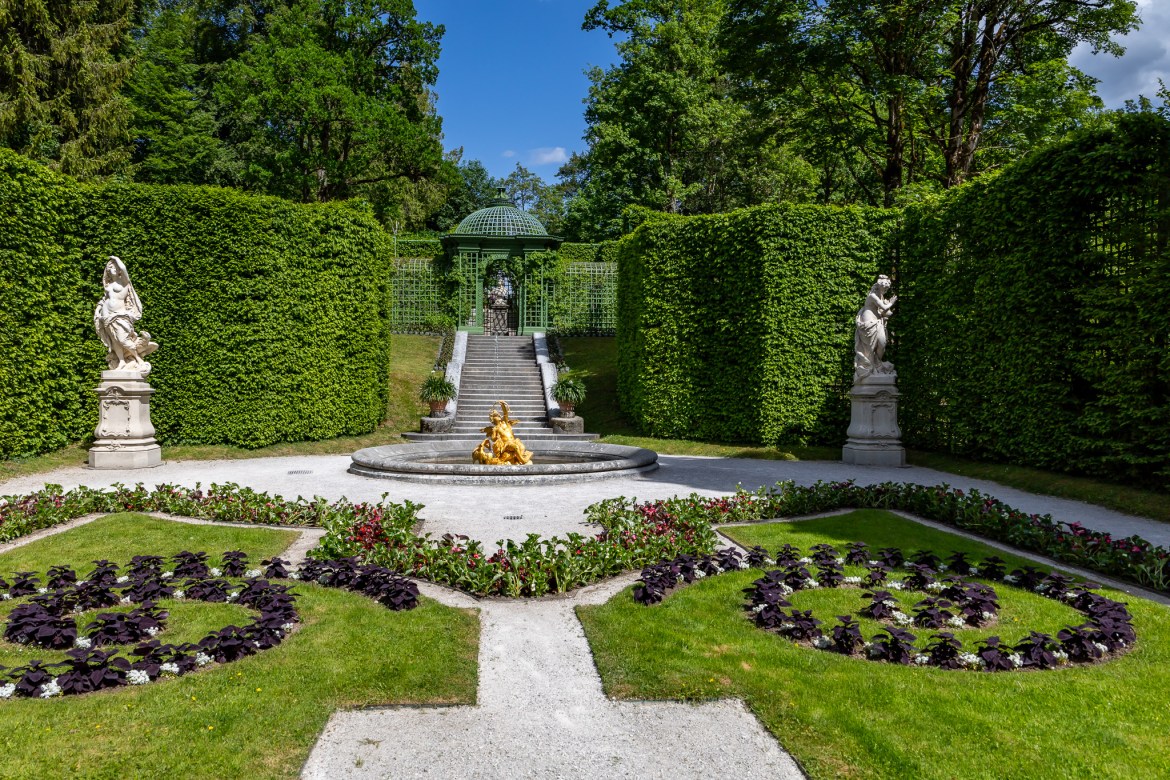
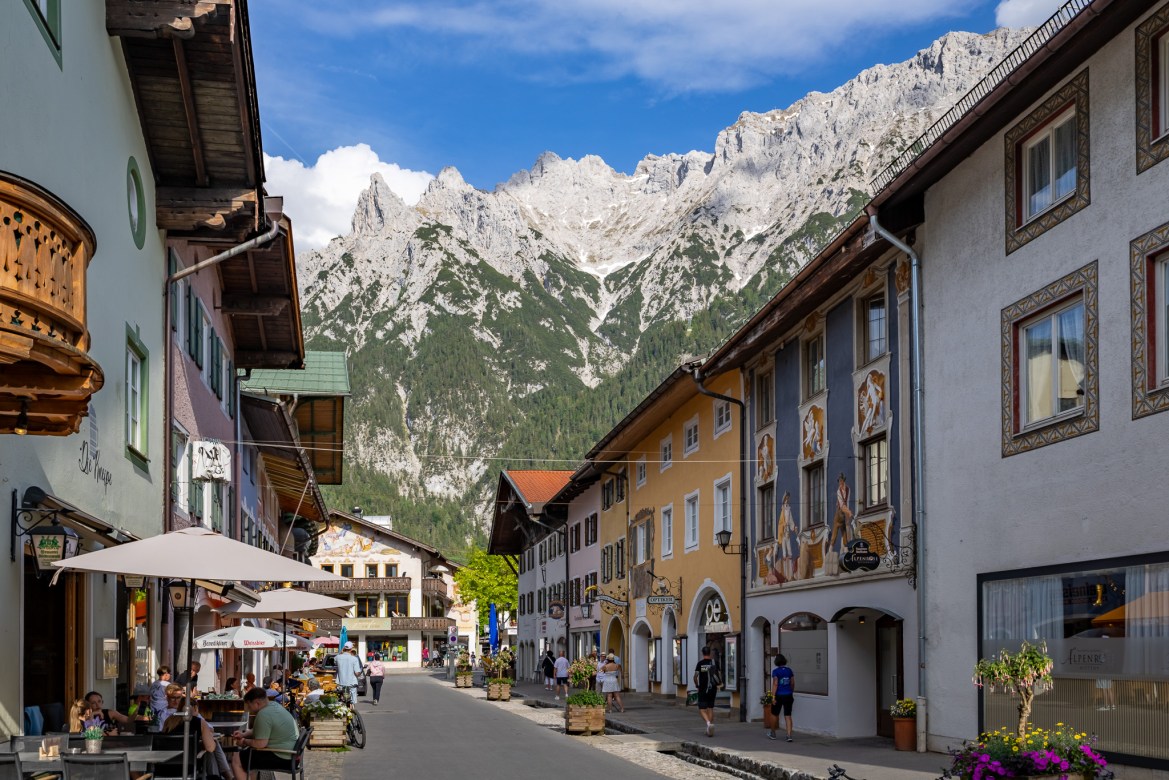
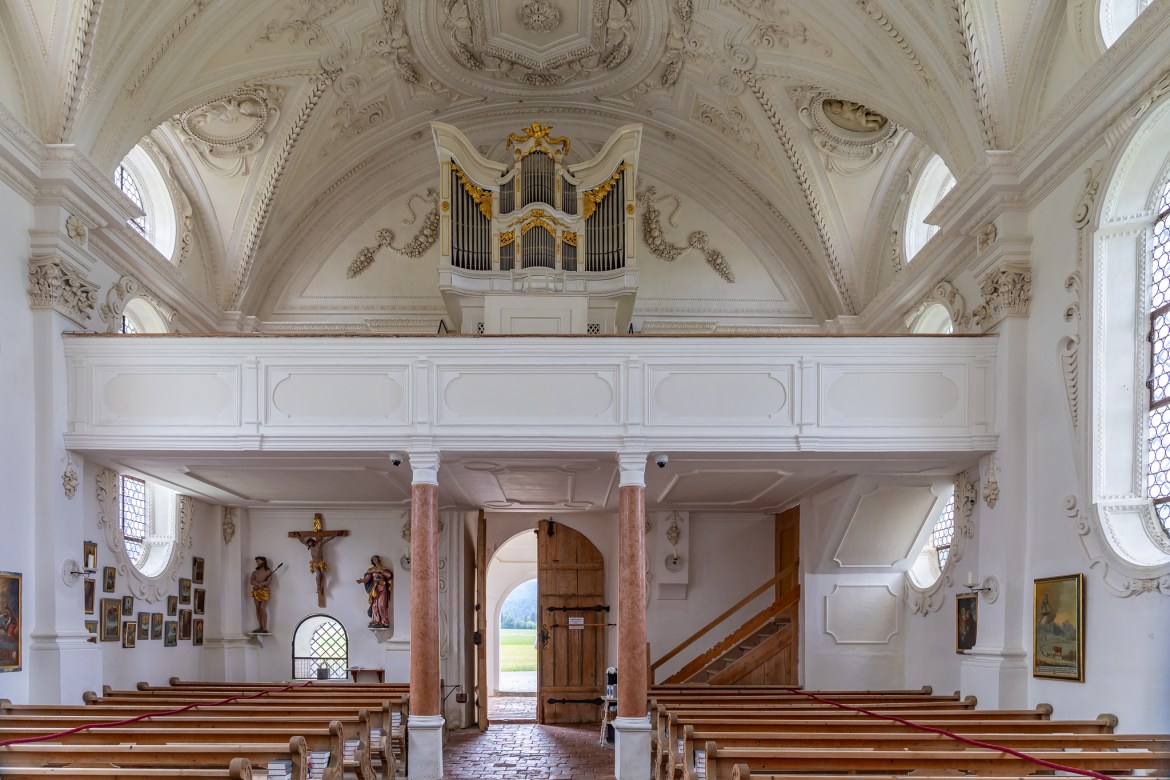
The road beyond Schwangau continued through the Bavarian Alps, with stops at Linderhof Palace, Oberammergau and Mittenwald. Follow the route deeper into one of Germany’s most scenic regions.
Explore Southern Bavaria
Just Beyond: Austria
From the Bavarian Alps, the journey continued across the border into Austria. Explore the next stretch of the trip through mountain scenery, alpine towns and Innsbruck.
Explore Austria