Exploring Iceland: A Photographer’s Guide to Fire, Ice, and Epic Landscapes
Welcome to Iceland, a place that feels less like a country and more like the Earth showing off. Here, glaciers meet volcanoes, waterfalls roar beside black sand beaches, and the sky itself dances in green fire. This is a land sculpted by extremes — steam hissing from hidden vents, icy fjords glowing under midnight sun, and moss-covered lava fields stretching into the wild unknown. Every view feels primal, untouched, and impossibly photogenic — as if nature built the island just to test your camera’s limits.
From the thundering power of Gullfoss to the mirror-still pools of Jökulsárlón Glacier Lagoon, Iceland turns road trips into epics. One moment you’re walking through a landscape from another planet, the next you’re soaking in the Blue Lagoon while snow drifts softly around you. For photographers, it’s pure magic: long-exposure waterfalls, volcanic craters at dawn, and those surreal Northern Lights swirling like brushstrokes across the Arctic sky.
The most spectacular balance of daylight and comfort comes in May–September, when waterfalls flow strong, wildflowers bloom, and midnight sunsets linger for hours. For aurora chasers, the darker months of October–March are your stage. Fly into Keflavík International Airport (KEF), just 45 minutes from Reykjavík, and plan five to seven days to circle the Golden Circle, chase rainbows at Seljalandsfoss, and stand humbled before landscapes that make you feel wonderfully small. Iceland isn’t just a destination — it’s a reminder that the planet still knows how to astonish us.
🎯 Don’t Miss Shortlist in Iceland
Iceland isn’t just a destination—it’s a stage where glaciers, volcanoes, and waterfalls perform against skies that shift from pastel dawns to aurora night shows. The landscape feels alive: geysers breathing steam, lava fields frozen mid-eruption, and icebergs floating to the sea like jewels. For photographers and travelers alike, these locations capture Iceland’s raw drama and delicate beauty all in one frame.
Seljalandsfoss – The Walk-Behind Wonder
A curtain of water plunges nearly 200 feet into a misty pool, but the real thrill is the footpath that takes you behind the cascade itself. The world becomes a watery veil, with golden light glowing through the spray at sunrise or sunset. Every step feels cinematic as droplets coat your lens and echoes rumble overhead. Bring a rain shell—you’ll be drenched but grinning.
🕒 Open: 24/7
💵 Cost: Free
💡 Insider Tip: Sunset behind the falls creates a natural backlight—use a wide lens for the full arc of water.Skógafoss – Thunderous Curtain of Mist
One of Iceland’s most iconic waterfalls, Skógafoss is so powerful you’ll hear it before you see it. The 82-foot drop produces a mist that regularly forms perfect rainbows, especially on sunny afternoons. A staircase hugs the cliffside to an observation platform above, offering a bird’s-eye perspective of the river cutting through farmland. Below, the flat riverbed makes it easy to shoot epic straight-on compositions.
🕒 Open: 24/7
💵 Cost: Free
💡 Insider Tip: Arrive early morning for fewer crowds and crisp light—ideal for long-exposure shots of silky water.Reynisfjara – The Black Sand Beach
Stark, moody, and mesmerizing, Reynisfjara is where jet-black volcanic sand meets the roaring Atlantic. Towering basalt columns rise like organ pipes, perfect for geometric compositions, while offshore sea stacks stab the horizon. The waves here are notorious “sneaker waves,” unpredictable and deadly, adding tension to the beauty. This is Iceland’s most photographed beach for good reason—it’s equal parts dangerous and stunning.
🕒 Open: 24/7 (caution: strong waves year-round)
💵 Cost: Free
💡 Insider Tip: Shoot the basalt cliffs in soft morning light, then pivot for golden-hour drama on the sea stacks.Jökulsárlón Glacier Lagoon – Icebergs on Parade
Where Vatnajökull glacier meets the sea, a lagoon of drifting icebergs creates a surreal, ever-changing gallery. Massive chunks of ice crack, rotate, and float past like blue-tinted sculptures. Across the road, Diamond Beach completes the scene as smaller shards wash ashore, glowing like gemstones on black sand. Photographers will want to linger through the light shifts, from midday reflections to pink-tinted twilight.
🕒 Open: 24/7
💵 Cost: Free to view; boat tours ~$45+
💡 Insider Tip: Sunset doubles the drama—ice chunks light up from within as the sky warms.Thingvellir National Park – Rift Valley of History
This UNESCO site sits dramatically between the North American and Eurasian tectonic plates, a valley of cliffs, streams, and history. Iceland’s first parliament met here in 930 AD, adding cultural weight to the natural splendor. Trails wind past waterfalls, mossy lava fields, and rifts where you can literally straddle continents. Early morning fog draping the fissures makes for photographs that feel otherworldly.
🕒 Open: Daily, 9:00 AM–5:00 PM (visitor center); trails 24/7
💵 Cost: ~$7 parking
💡 Insider Tip: Bring a polarizer to cut glare on the crystal-clear waters of Silfra fissure.Blue Lagoon – Geothermal Glow
A soak in Iceland’s most famous hot spring is equal parts relaxation and spectacle. The milky-blue waters steam against a backdrop of black lava, perfect for framing minimalist shots with high contrast. While often busy, the atmosphere remains soothing—floating in warmth while cool winds whip your hair is uniquely Icelandic. Stay through dusk for colors shifting from gold to deep sapphire under the stars.
🕒 Open: Daily, 8:00 AM–9:00 PM (hours vary by season)
💵 Cost: ~$65+ entry
💡 Insider Tip: Twilight entry is best—capture the steam glowing in golden-hour light, then set up your tripod for aurora above.
I closed out my Iceland journey with two tours that bundled magic into a single day. The Golden Circle tour from Reykjavík stitched together geysers, waterfalls, and tectonic rifts without the stress of driving, while a South Coast glacier hike and ice cave adventure took me deep into shimmering blue caverns where time felt frozen. Both tours gave me photos I couldn’t have captured alone.
🚖 Best Way to Travel in Iceland
Exploring Iceland isn’t about hopping on a single train line or metro—it’s about embracing the open road. The island’s treasures are strung along the Ring Road (Route 1), a loop that connects glaciers, waterfalls, fjords, and small fishing towns. Renting a car or campervan is by far the best way to move at your own pace, pull over for that perfect photo when the light hits just right, and venture off the beaten track.
If driving feels daunting (yes, weather can flip in minutes), bus networks like Reykjavík Excursions and Strætó connect major sites, though schedules can be sparse outside of summer. For travelers wanting stress-free access, small-group tours from Reykjavík cover must-sees like the Golden Circle or South Coast in a single day. And don’t forget: Icelandic roads reward flexibility, so keep extra time for detours—because the unexpected waterfall you didn’t plan for will probably end up being your favorite shot.
🖼️ Iceland in Pixels: Bonus Shots
💵 Sleep • Eat • Move: Cost Breakdown in Iceland
Iceland may be a land of free waterfalls and priceless landscapes, but the daily costs can sneak up like a rogue wave at Reynisfjara. Lodging ranges from cozy hostels and farm stays to boutique guesthouses and chic hotels in Reykjavík. Meals can stretch from hot dogs at a gas station stand (yes, they’re famous!) to gourmet Nordic tasting menus. Transportation is where things swing: rent a car to explore the Ring Road at your pace, or hop on tours from Reykjavík for bundled convenience. Activities like lagoon dips and glacier hikes aren’t cheap, but the photos you’ll bring home are worth every krona.
| 🏷️ Category | 💵 Cost Range (USD) | 📌 What You Get |
|---|---|---|
| 🏨 Lodging | $40–$80 | Budget hostels or farm stays along the Ring Road |
| Mid-Range | $120–$200 | Guesthouses or boutique hotels in Reykjavík or countryside towns |
| Luxury | $250–$600+ | Upscale hotels with spa access and aurora wake-up calls |
| 🍽 Meals | $15–$25 | Gas station hot dogs or casual café soup and sandwiches |
| Mid-Range | $30–$60 | Three-course dining at a local Icelandic bistro |
| Luxury | $100–$250+ | Nordic tasting menus with wine pairings in Reykjavík |
| 🚌 Transportation | $40–$70/day | Car rental for exploring the Golden Circle and South Coast |
| Mid-Range | $100–$150 | Larger vehicle rental or small-group day tours from Reykjavík |
| Luxury | $300–$600+ | Private driver-guides or super jeep excursions |
| 🏛 Activities | $0–$20 | Waterfall visits, hikes, or national park entry fees |
| Mid-Range | $50–$150 | Glacier hikes, whale-watching, or Blue Lagoon entry |
| Luxury | $300–$1000+ | Private ice cave tours, heli-hikes, or multi-day expeditions |
Average Cost Per Day in Iceland
Iceland can stretch a budget faster than a geyser eruption, but with some planning, you can balance hot dog lunches with unforgettable splurges. Budget travelers will lean on hostels, shared cars, and free natural wonders. Mid-range explorers can mix guesthouses, car rentals, and guided tours, while luxury travelers will enjoy glacier helicopter drops and aurora-chasing in style. Here’s what a typical day might look like:
| 🧳 Traveler Type | 💵 Daily Estimate (USD) | 📌 What’s Included |
|---|---|---|
| 🎒 Budget – Wander Smart | $100–$150 | Hostel or farm stay, gas station meals, car split with friends, 1–2 paid activities |
| 🏖️ Mid-Range – Wander Well | $200–$350 | Boutique hotel, bistro dining, car rental or guided tour, Blue Lagoon entry |
| 🏰 Luxury – Wander Luxe | $500–$1000+ | Luxury spa hotel, gourmet tasting menus, private driver, premium tours |
A few links and ads here are affiliate portals. If you click through and snag something, you’ll be fueling my next photo-quest at no extra cost to you. Thanks for keeping the adventure rolling!
📸 Essential Photo Tips for Capturing in Iceland
Iceland is a dreamscape for photographers where light transforms landscapes by the hour. At sunrise, waterfalls glow like liquid fire, while black-sand beaches shift between moody drama and golden brilliance. Midday brings clarity for glaciers and lagoons, though clouds roll in fast for moody contrasts. By golden hour, basalt cliffs and mossy valleys ignite in warm hues, and when night falls, the aurora borealis often steals the show with green ribbons unfurling across starlit skies. From iconic stops to hidden corners, these locations are where Iceland rewards those chasing the light.
I rely heavily on my Canon RF 15–35mm f/2.8L for wide-angle drama—perfect for capturing full waterfalls or aurora stretching overhead. For compressed glacier shots and long-distance aurora detail, my go-to is the Canon RF 70-200mm F2.8 L is USM Lens, which handles Iceland’s changing light like a champ.
| 📍 Where & What to Shoot | ⏰ When to Shoot | 📷 How to Nail the Shot | 🏛 Tourist Traffic | 💡 Insider Tip |
|---|---|---|---|---|
| Seljalandsfoss – Behind the Falls Glow | Sunrise | Use ultra-wide (14–20mm equiv.); step behind the falls for backlit spray. Shutter 1/60–1/125 to hold water texture. | Low–Moderate | Wear rain gear—your lens will get soaked. Wipe often and shoot multiple angles. |
| Skógafoss – Rainbow Curtain | Early Morning | Go wide at the base for rainbow arcs; switch to telephoto (70–200mm) for close-up mist details. Shutter 1/500+ for droplets. | Moderate | Climb the stairs before buses arrive—shoot both downriver and over the cliff. |
| Reynisfjara – Basalt Columns & Sea Stacks | Late Morning | Use midrange (24–50mm); frame basalt columns vertically, then pivot for sea stacks. Overexpose slightly to hold black-sand detail. | High | Stay well back from waves—safety first. Long exposure (1–2 sec) for misty surf. |
| Jökulsárlón Glacier Lagoon – Floating Ice | Midday | Polarizer for glare; 35–70mm to frame icebergs. Expose for highlights in blue ice—underexpose slightly to preserve detail. | Moderate | Cross to Diamond Beach for ice-on-sand abstracts—best in cloud-diffused light. |
| Thingvellir National Park – Rift Valley | Afternoon | Wide-angle for tectonic cliffs; frame hikers for scale. Aperture f/8–f/11 to hold landscape depth. | Low | Foggy afternoons create cinematic shots—embrace the mood. |
| Blue Lagoon – Steaming Waters | Golden Hour | Use 24–35mm; meter for steam, let highlights blow slightly for glow. Shoot low for water-sky reflections. | High | Book twilight entry for golden-to-blue transition and avoid harsh midday glare. |
| Aurora Borealis – Northern Lights | Evening / Night | ISO 1600–3200, f/2.8, shutter 5–10 sec. Use tripod; frame with foreground (church, lava field, or ice). | Varies | Scout locations by day—dark, wide horizons are best. Turn off all nearby lights for clean skies. |
👋 Local Etiquette & Travel Smarts in Iceland
Icelanders are famously friendly, but their island runs on a rhythm shaped by nature, community, and respect for the land. Tipping isn’t a cultural expectation—service charges are typically built into prices—but rounding up a small amount or saying a sincere “takk” (thank you) goes a long way. Locals value sustainability: from recycling to respecting fragile moss that can take decades to regrow. And while Iceland’s wilderness feels wild and free, safety is paramount—waves, weather, and roads can turn dangerous in minutes. A little courtesy and common sense will keep you welcomed and safe while exploring the Land of Fire and Ice.
✅ Do’s in Iceland
✅ Do greet people with a friendly “Takk” or “Bless” when entering shops or cafés—it’s appreciated.
✅ Do remove shoes when entering private homes—it’s a common Icelandic custom.
✅ Do follow safety signs at waterfalls, glaciers, and beaches—they exist for real hazards.
✅ Do support local businesses in small towns—cafés, guesthouses, and craft shops keep communities alive.
❌ Don’ts in Iceland
❌ Don’t walk on fragile moss or off marked trails—it can take decades to recover from one footprint.
❌ Don’t underestimate the weather—never head into the highlands or out to sea without checking forecasts.
❌ Don’t assume tipping is expected—service is included; a smile and thank-you is enough.
❌ Don’t get too close to puffins, seals, or horses—enjoy wildlife with a respectful lens distance.
🍽 Where to Refuel Nearby
Nordic Comforts & Geothermal Flavor in Reykjavík and Beyond
Icelandic cuisine is a hearty reflection of its dramatic landscape—fresh seafood pulled straight from the Atlantic, lamb raised on windswept hillsides, and geothermal bread baked underground in volcanic steam. In Reykjavík, cafés buzz with creative twists on Nordic classics, while countryside guesthouses serve steaming lamb soup by the fire. Wash it all down with locally brewed craft beer or the infamous Brennivín schnapps, Iceland’s “black death” that tastes better than its name suggests. Dining here is as much about storytelling as sustenance: every dish connects you back to the island’s rugged survival and creativity.
Top Local Restaurants & Their Must-Try Specialties
Dill Restaurant ($$$$) – Reykjavík’s Michelin-starred pioneer of New Nordic cuisine, where multi-course tasting menus showcase seasonal Icelandic ingredients like arctic char and skyr-based desserts.
Íslenski Barinn ($$–$$$) – A cozy Reykjavík tavern serving comforting classics like lamb soup, plokkfiskur (fish stew), and an array of local beers.
Bakki Restaurant ($$) – Near Vík, perfect for refueling after photographing Reynisfjara beach; known for langoustine dishes and hearty portions.
Friðheimar ($$) – A greenhouse restaurant where tomatoes grow year-round under geothermal heat—order the tomato soup buffet and house-made tomato beer.
Saegreifinn – The Sea Baron ($–$$) – A Reykjavík harbor shack famous for lobster soup and skewered fish; casual, quick, and perfect between aurora hunts.
🥩🥗☕🍰 Savor the Shot in Iceland
🏨 Where to Stay: Beds Worth Booking in Iceland
Finding the perfect place to crash in Iceland means choosing between chic city hotels in Reykjavík, rustic guesthouses along the Ring Road, or countryside cabins where the northern lights might be your nightlight. Luxury travelers can soak in spa suites after glacier adventures, while budget wanderers will love the social vibe of hostels and farm stays. Iceland’s accommodations mirror the island itself: rugged yet refined, simple yet unforgettable.
🌌 Sleep Beneath the Northern Lights in Style
🏨 The Retreat at Blue Lagoon – Lava Luxury
Carved into volcanic rock, this five-star escape wraps you in soothing spa bliss. Suites feature floor-to-ceiling windows that frame steaming turquoise waters, and private lagoon access means you can float under the aurora in solitude. Perfect for those who want indulgence alongside iconic Icelandic landscapes.🏨 Center Hotels Plaza – Reykjavík’s Social Hub
Smack in the heart of Reykjavík, this popular stay balances comfort with convenience. Step outside to the city’s main square, buzzing cafés, and live music bars. Rooms are modern yet cozy, and the breakfast buffet gives you energy for a full day of chasing waterfalls and geysers.🏨 Kex Hostel – Industrial Chic on a Budget
A former biscuit factory turned hostel, Kex is quirky, affordable, and full of character. Exposed brick walls, vintage furniture, and a lively bar create a hipster vibe, while dorms and private rooms keep costs low. It’s also a prime spot for swapping travel tips with fellow explorers over Icelandic craft beer.
Kex Hostel
Industrial Chic on a Budget
A former biscuit factory turned hostel, Kex is quirky, affordable, and full of character. Exposed brick walls, vintage furniture, and a lively bar create a hipster vibe, while dorms and private rooms keep costs low. It’s also a prime spot for swapping travel tips with fellow explorers over Icelandic craft beer.
Center Hotels Plaza
Reykjavík’s Social Hub
Smack in the heart of Reykjavík, this popular stay balances comfort with convenience. Step outside to the city’s main square, buzzing cafés, and live music bars. Rooms are modern yet cozy, and the breakfast buffet gives you energy for a full day of chasing waterfalls and geysers.
The Retreat at Blue Lagoon
Lava Luxury
Carved into volcanic rock, this five-star escape wraps you in soothing spa bliss. Suites feature floor-to-ceiling windows that frame steaming turquoise waters, and private lagoon access means you can float under the aurora in solitude. Perfect for those who want indulgence alongside iconic Icelandic landscapes.
📸 In the Frame: Our Journey in Iceland
⏱️ Quick-Hit Day-Trip Plan for Iceland
Circle Iceland’s Fire and Ice in a Single Day Without Missing Its Magic
Spending just one day in Iceland may sound impossible, but with the right plan you can sip geothermal coffee, chase waterfalls, and still stand between two continents before the sun sets. This route blends the greatest hits of the Golden Circle with iconic South Coast stops, balancing unforgettable photos with moments to simply stand in awe. Expect dramatic skies, roaring cascades, steaming earth, and maybe even a northern lights finale if luck is on your side.
🕒 8:00 AM – Explore Thingvellir National Park
Begin your adventure at Thingvellir, where tectonic plates pull apart and history was made with Iceland’s first parliament. Walk between cliffs, shoot reflections in crystal-clear fissures, and soak in the fog-draped atmosphere that makes the rift valley feel otherworldly.
🕒 Open: Daily, 9:00 AM–5:00 PM (visitor center); trails 24/7
💵 Cost: ~$7 parking
💡 Insider Tip: Arrive early before buses for shots of empty trails and soft morning light over mossy lava fields.
🕒 10:30 AM – Geysir Geothermal Area
Steam hisses and bubbles rise before Strokkur erupts skyward every 5–10 minutes. Photographers can frame it against blue skies or zoom into boiling textures for abstract shots. The surrounding geothermal pools shimmer in surreal blues and oranges.
🕒 Open: 24/7
💵 Cost: Free
💡 Insider Tip: Shoot in burst mode—Strokkur’s explosion lasts seconds and each eruption looks different.
🕒 12:00 PM – Gullfoss Waterfall
Thundering in two tiers, Gullfoss is a powerhouse of spray and rainbows. Follow the paths to multiple viewpoints, from close-up sprays at the lower deck to sweeping wide shots above. It’s one of Iceland’s most photogenic cascades and a core Golden Circle stop.
🕒 Open: 24/7
💵 Cost: Free
💡 Insider Tip: Wear a waterproof jacket and keep lens cloths handy—the spray is constant, especially on windy days.
🕒 2:00 PM – Lunch in Selfoss
Break for Icelandic comfort food at a local bistro in Selfoss. Options range from lamb stew to Arctic char, with bakeries offering rye bread baked using geothermal steam. It’s the perfect reset before tackling the South Coast.
🕒 Open: Most eateries 11:00 AM–9:00 PM
💵 Cost: ~$20–$35 per dish
💡 Insider Tip: Try rye bread with smoked trout—it’s as Icelandic as it gets.
🕒 4:00 PM – Seljalandsfoss & Skógafoss
Back-to-back icons await: first Seljalandsfoss, where you can walk behind the falls for a glowing curtain of water, then Skógafoss, with its rainbow-filled mist. Both deliver unforgettable shots and are easy to reach right off the Ring Road.
🕒 Open: 24/7
💵 Cost: Free
💡 Insider Tip: Save Seljalandsfoss for late afternoon—the sun sets perfectly behind the falls for backlit magic.
🕒 7:00 PM – Reynisfjara Black Sand Beach
Finish daylight hours on the dramatic black sands of Reynisfjara, where basalt cliffs tower and sea stacks rise from the waves. The moody Atlantic crashes against the volcanic shore, making for cinematic wide shots and long exposures.
🕒 Open: 24/7
💵 Cost: Free
💡 Insider Tip: Stay well back from the surf—sneaker waves are dangerous but add power to your shots.
🕒 9:30 PM – Blue Lagoon or Aurora Hunt
Cap your whirlwind day with a soak in the Blue Lagoon, where milky waters glow in twilight and steam frames your shots like a dream. If the sky is clear and solar winds are kind, chase the northern lights instead—ending your day beneath dancing green ribbons.
🕒 Open: 8:00 AM–9:00 PM (Blue Lagoon, hours vary by season)
💵 Cost: ~$65+ entry (Blue Lagoon); aurora hunting is free, but tours ~$100+
💡 Insider Tip: For aurora, scout a dark spot near Keflavík before sunset—wide horizons and no light pollution are key.
🧳 What to Pack for Picture-Perfect Shots
Waterfalls, Wind, and Skyfire: From Black Sands to Glacier Light
Iceland is a weather roller coaster—sun, sleet, sideways wind—often within a single stop, so the right kit turns chaos into clean, epic frames. Start with water, a cap or brimmed hat (plus a hooded shell), and respectful, breathable layers you can stack for churches or museums; toss in light socks if your route includes a shoes-off chapel on a wider Nordic loop. Underfoot swings from slick lava rock to wet boardwalks and glacier grit, so choose grippy shoes over anything cute. A soft lens cloth is mandatory—mist from Skógafoss/Seljalandsfoss, sea spray at Reynisfjara, and drift from Jökulsárlón will smudge glass fast—and favor low-key stabilization (rocks, railings, steady elbows) when winds make tall tripods sketchy. Pack nimble and you’ll land silky cascades by day, iceberg blues at dusk, and—if luck smiles—aurora dancing over basalt by night.
👉 The Nomad’s Kit: Gear That Earns Its Miles
Canon RF 15–35mm f/2.8L — Ultra-wide for cathedral waterfalls, ice-lagoon panoramas, and cramped cave/sea-arch vantage points where stepping back means “hello, surf.”
Canon RF 24–105mm f/2.8L — Your ring-road workhorse: portraits against mossy lava, mid-tele rock textures, and quick hot-spring or café scenes—no lens juggling in the wind.
Canon RF 100–500mm f/4.5–7.1L IS USM — From headlands or moraine ridges, compress iceberg fields, isolate puffins (in season), and stack mountains for cinematic depth without cliff-edge creeping.
Lowepro ProTactic BP 350 AW III — Weather-tough and dust-smart; slides into the car between squalls and keeps filters dry when spray attacks.
Peak Design Travel Tripod — Break it out for blue-hour waterfalls, aurora, and mirror-calm tarns; spread legs low and hang a weight—Iceland gusts are mischievous.
JOBY GorillaPod 3K Kit — Clamp to rails at overlooks or anchor low on rocks for long exposures when the wind bullies full-size sticks—tiny footprint, big stability.
Cut Glare. Shape Time. Make Every Frame Sing.
Iceland is a land of shine—wet basalt, glacier ice, mirrored pools, and chrome-bright ocean. A circular polarizer tames glare on slick rock and lagoon surfaces, pulling detail from ice and moss; a variable ND lets you slow the world: turn roar to silk on falls, blur tourist flow off boardwalks, and smooth North Atlantic texture while cliffs stay razor-sharp.
🌊 Control Reflections & Punch Up Color
Circular Polarizer Filter — Reveal striations inside blue ice, calm hotspots on basalt and wet moss, and help tease reflections from still pools between gusts. Pro tip: rotate gently with ultra-wides—over-polarizing can band big Icelandic skies and kill rainbow spray around the falls (sometimes you want that!).
⏱️ Drag the Shutter in Broad Daylight
Neutral Density Variable Filter — Knock 3–6 stops to paint Seljalandsfoss and Skógafoss into satin, melt waves at Vík/Reynisfjara, and thin crowds at popular pull-offs. Pro tip: start around 1/4–1 s for people blur; go 2–10 s for dreamy water.Pack both for any trip: the polarizer reveals the scene; the ND sculpts time. Together, they’re a portable “wow” switch.
Photo Policy Reminders — No flash in small churches and certain museum rooms; tripods/stands are fine outdoors but secure them—gusts and cliff edges are no joke. Drones are tightly regulated (and often banned) in many protected areas—check current rules. Stay on paths to protect fragile moss, never turn your back on sneaker waves at Reynisfjara, and keep a respectful distance from wildlife and ice fronts.
🌤️ When to Go & Weather Sweet-Spots for Iceland
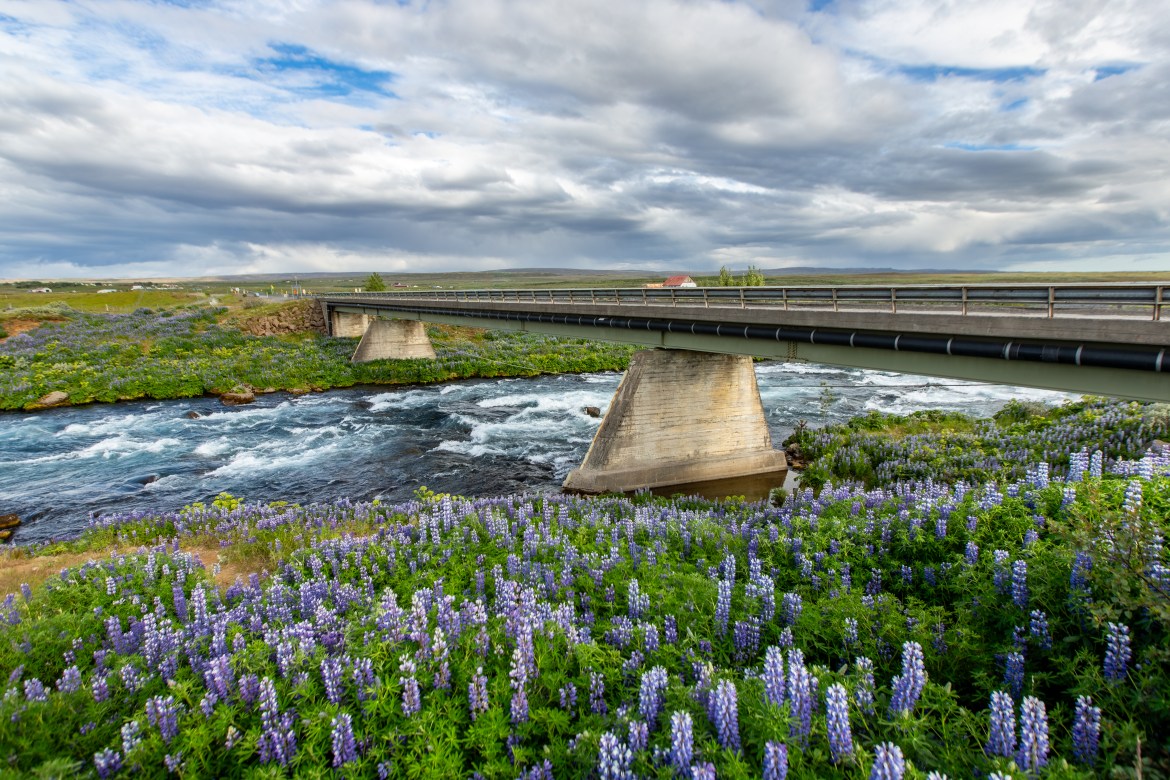
In Iceland, the seasons flip between extremes—long summer days where the sun barely sets, and winter nights when the aurora dances across endless darkness. Spring softens the landscape with blooming lupine fields and milder winds, while autumn paints mossy valleys gold under cooler skies. Summer offers endless daylight for photographers chasing waterfalls and coastal cliffs, but it also brings the heaviest crowds. Winter, on the other hand, trades long days for magical northern lights, ice caves, and snow-dusted waterfalls. Picking the right season isn’t just about weather—it’s about matching Iceland’s mood to your lens.
| 🌞 Season | 🧘♂️ Vibe Check | 🌦 Rain Factor | 🏛 Tourist Traffic |
|---|---|---|---|
| 🌴 Winter (Dec–Feb) | Aurora hunting, ice caves, snowy waterfalls | High snow, variable storms | Low outside holidays; busy during Christmas/New Year |
| 🌸 Spring (Mar–May) | Lupine blooms, milder weather, waterfalls at peak flow | Moderate rain, melting snow | Moderate; increases by May |
| ☀️ Summer (Jun–Aug) | Midnight sun, endless golden hours, lush landscapes | Low rain; mild temps | High (tourist peak) |
| 🍂 Fall (Sep–Nov) | Golden mossy valleys, aurora season begins | Moderate rain in Sep–Oct | Moderate; tapering after September |
🌧️ Rainiest Months: September–October
🎯 Peak Tourist Season: June–August (midnight sun draws the crowds)
🏖️ Off-Season Sweet Spot: Late February–early April for aurora + longer days
💡 Insider Pro Tip: Visit in September—catch both northern lights and mild weather, plus fewer tourists than midsummer.
🎥 Reels on the Road
Iceland doesn’t just sit still for photos—it moves, breathes, and erupts in cinematic moments tailor-made for reels. Imagine waterfalls thundering into rainbows, geysers blasting skyward against blue skies, and icebergs drifting silently toward the sea. The changing light—whether midnight sun or aurora borealis—turns every scene into a natural filter you’ll never find on an app. Short reels thrive here because Iceland is pure contrast: fire and ice, calm and chaos, night and day. Here are a few quick-hit reel ideas to bottle up the island’s wild energy.
🎥 Sunrise reel at Seljalandsfoss, stepping behind the waterfall as golden light breaks through the spray.
🎥 A slow-motion eruption of Strokkur geyser, framed against steaming earth and a wide blue sky.
🎥 Time-lapse of Jökulsárlón Glacier Lagoon, showing icebergs drifting to sea while seabirds wheel overhead.
🎥 POV reel walking onto Reynisfjara black sand beach, the surf pounding as basalt columns rise around you.
🎥 Night reel of the aurora borealis, a long-exposure reveal of green ribbons unfurling across a starlit sky.
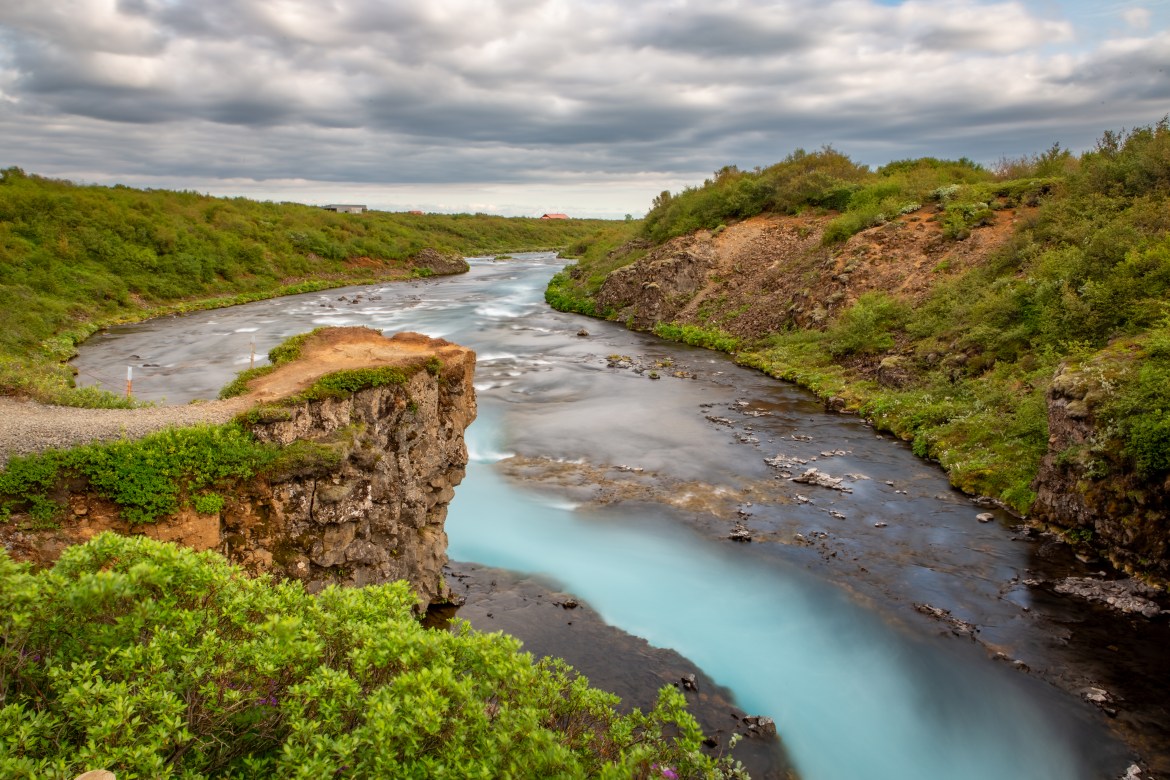
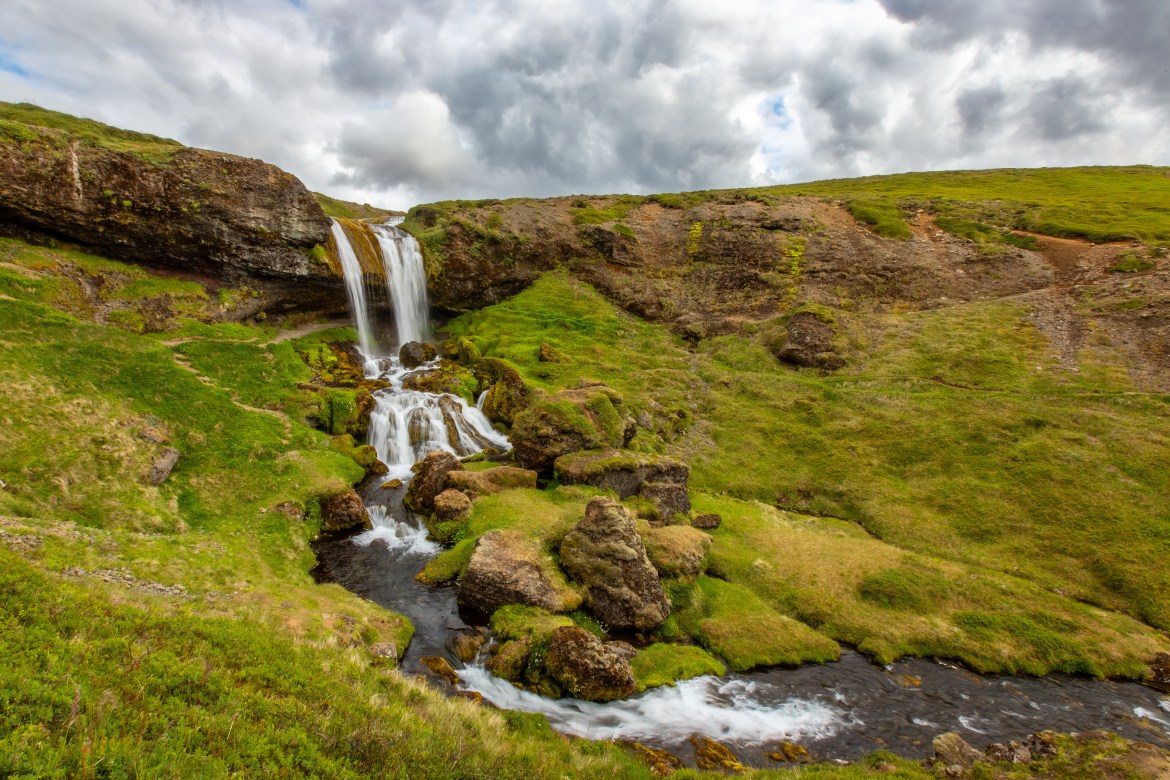
Embark on a breathtaking journey through Iceland’s stunning natural wonders, where crystal blue rivers and roaring waterfalls define the land of fire and ice. From the cascading beauty of Hraunfossar and Barnafoss to the turquoise rapids of Brúarfoss, every scene showcases the untamed power and surreal beauty of Icelandic waters.
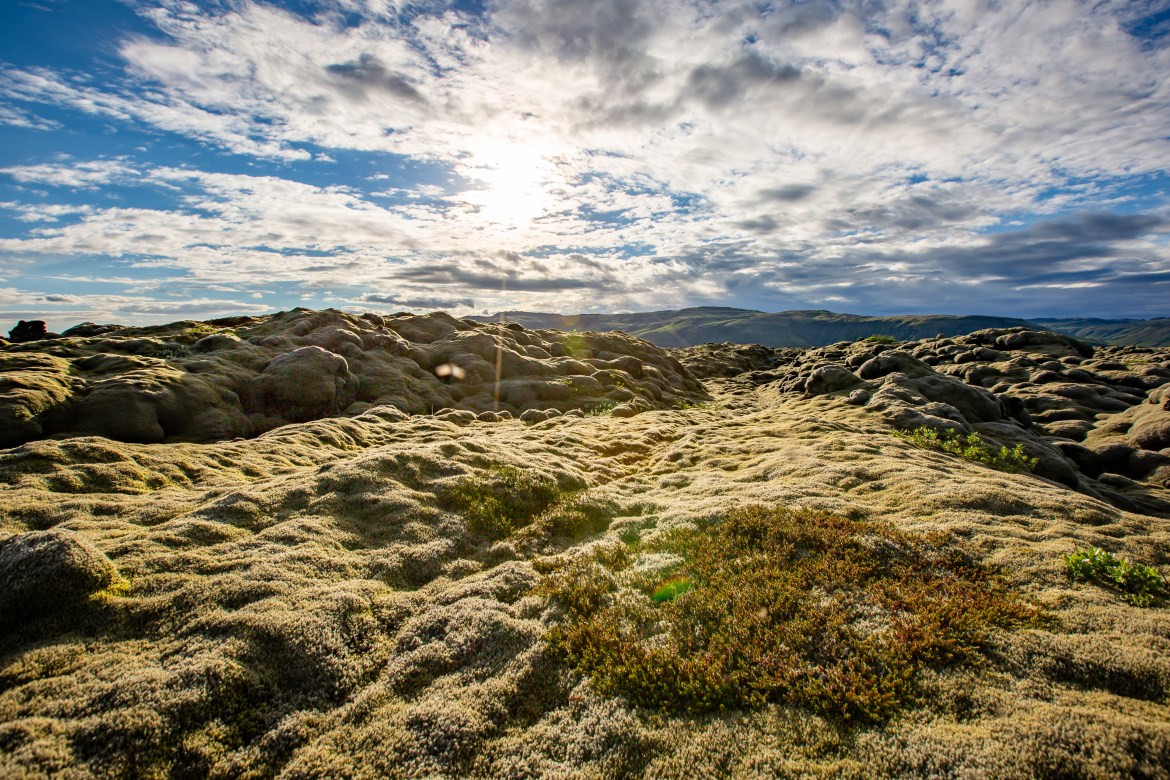
Watch as geothermal fields breathe steam into the crisp air, with vibrant moss and purple wildflowers painting the ground around bubbling hot springs. The adventure continues with the raw power of the North Atlantic as waves crash against the towering sea cliffs crowned by a solitary lighthouse—a beacon in the wild.
Take to the skies for an unforgettable aerial journey over Iceland’s raw and untamed beauty. This 2-minute drone compilation showcases the country’s most breathtaking natural wonders — from thundering waterfalls and volcanic cliffs to steaming geysers and endless mossy lava fields.
🎞️ Frames From the Road: Scenes Worth Stopping For in Iceland
🗣️ Cheat Sheet for Friendly Encounters while in Iceland
Language & Culture in Iceland
Icelanders may speak excellent English, but their native tongue—Icelandic—is as ancient and dramatic as the sagas carved into its landscapes. Words can look like tongue twisters of consonants and accents, yet they carry a rhythm that locals sing with ease. While you won’t need Icelandic to order a hot dog in Reykjavík or check into your guesthouse, knowing a few phrases will warm smiles and earn respect on the road.
💡 Reason to learn a few words: It’s not just polite—it’s fun! Try rolling “takk fyrir” (thank you) off your tongue and see how quickly it wins you a grin. Plus, pronouncing Icelandic place names is practically a sport—bonus points if you can say “Eyjafjallajökull” without laughing.
| 🇺🇸 English | 🇮🇸 Icelandic | 📖 Phonetic Spelling |
|---|---|---|
| Hello | Halló | hah-loh |
| Good morning | Góðan daginn | go-thahn die-in |
| Good evening | Gott kvöld | goht kvuhld |
| Please | Vinsamlegast | vin-sam-leh-gahst |
| Thank you | Takk fyrir | tahk fveer-ir |
| Yes | Já | yow |
| No | Nei | nay |
| Excuse me / Sorry | Afsakið | ahf-sah-kith |
| How much is this? | Hvað kostar þetta? | kvahd koh-star thet-ta |
| Where is…? | Hvar er…? | kvar air |
| Cheers! | Skál! | sk-owl |
| Goodbye | Bless | bles |
| I don’t understand | Ég skil ekki | yay shkil eh-kee |
| Beautiful | Fallegt | faht-lyecht |

Behind the Lens
I’m Steve—a retired Army vet who traded ruck sacks for camera bags and now chases light across every latitude I can reach. From 110 point & shoot film camera beginnings to a Canon R5 Mark II and Mavic Pro II drone, I’ve logged shots in 36 countries and all 50 states, squeezing solo photo runs between corporate flights and longer adventures with my wife. Shutter Nomadica is where I share the hits, misses, and field notes so fellow roamers can skip the guesswork and grab the shot!