Discover Sequoia National Park’s towering forests and cinematic light through a photographer’s lens
The hush hits first. One moment you’re winding through California’s Sierra Nevada switchbacks; the next, you’re swallowed by silence and scent—cool earth, resin, and pine. Sunlight filters through trunks wider than city buses, gilding the forest floor in streaks of gold so vivid it feels almost staged. Welcome to Sequoia National Park, where time slows and every footstep echoes in the realm of giants.
It’s not just a park—it’s a living museum of light and life. Here, the General Sherman Tree stretches skyward like a prehistoric skyscraper while groves of crimson bark frame alpine horizons dusted in snow. For photographers, this is cathedral country: shafts of morning light slicing through fog, texture and tone dancing across centuries-old bark, and trails that turn every corner into a natural stage. If your lens craves drama and your soul seeks stillness, Sequoia delivers both in spades.
For the main cluster of sights (Giant Forest, Moro Rock, Crescent Meadow), the sweet spot is late spring through early fall, with September especially lovely—warm days, thinner crowds, full road access, and Crystal Cave’s final tours before autumn winds down. The park is open year-round, but winter storms can temporarily close some roads; plan accordingly if you’re chasing snow-draped sequoias.
Fly into Fresno Yosemite International (FAT)—the closest major hub—then drive about 1 hour 45 minutes–2 hours to reach the Giant Forest area; Visalia Municipal (VIS) is closer but has limited service.
Recommended timeframe to truly work the light? Three to five days. Bank two dawns for mist and crepuscular beams among the big trees, two golden hours for warm bark glow on Moro Rock/Crescent Meadow, and one clear night for starry forest silhouettes (or low-level light on granite if conditions allow). Shoulder-season add-ons: spring wildflowers in the foothills and quiet, cool fall color (dogwoods and ferns) once summer crowds fade.
📸 The Visual Story: “Why This Niche Captures Hearts”
There’s a reason photographers whisper here. Light behaves differently beneath the sequoias — it doesn’t just illuminate, it lingers. Morning fog hangs like incense, breaking into ethereal columns that slip between trunks older than human history. Each beam feels deliberate, as if nature’s staging its own lighting workshop. You raise your camera, and suddenly perspective itself feels humbled.
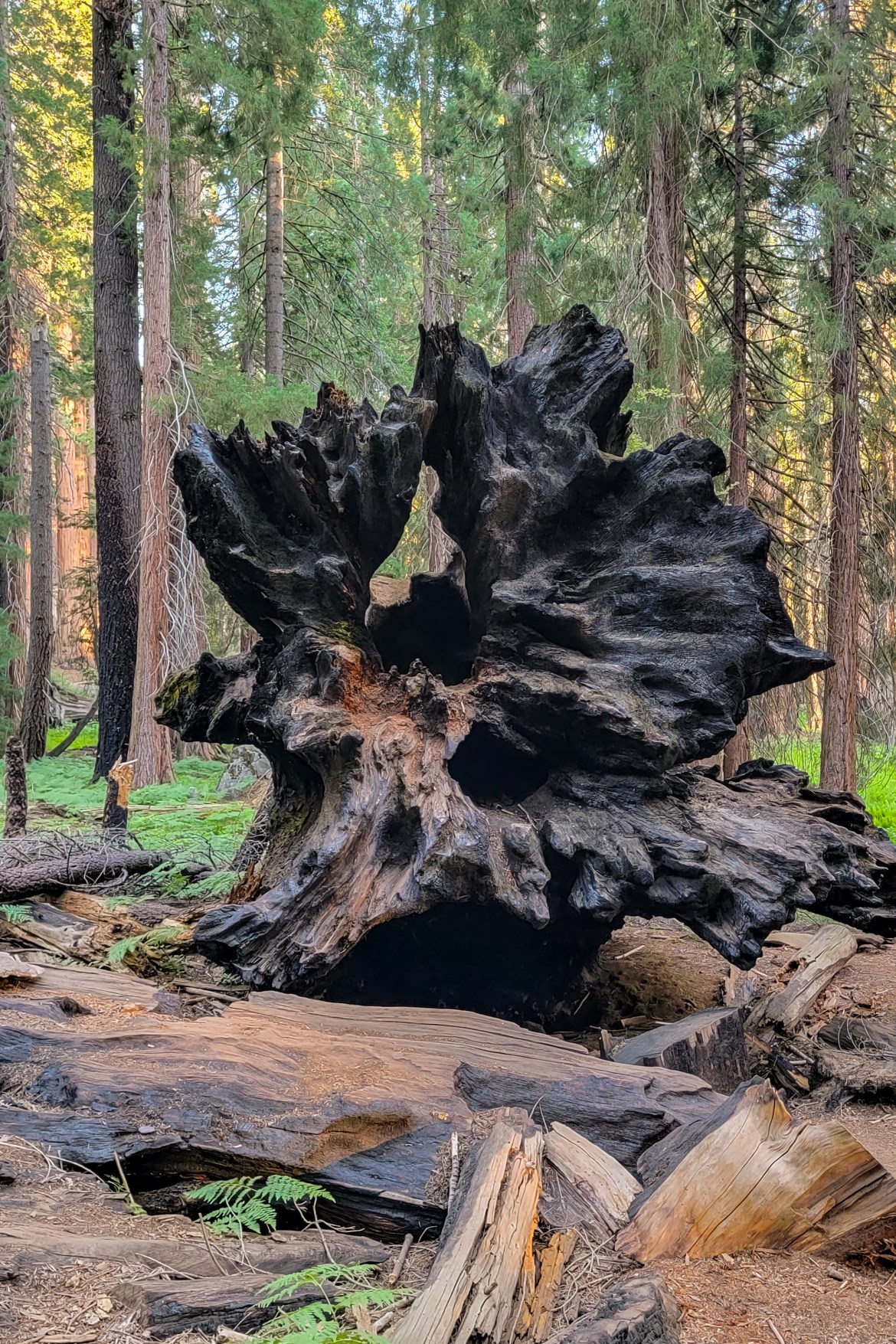
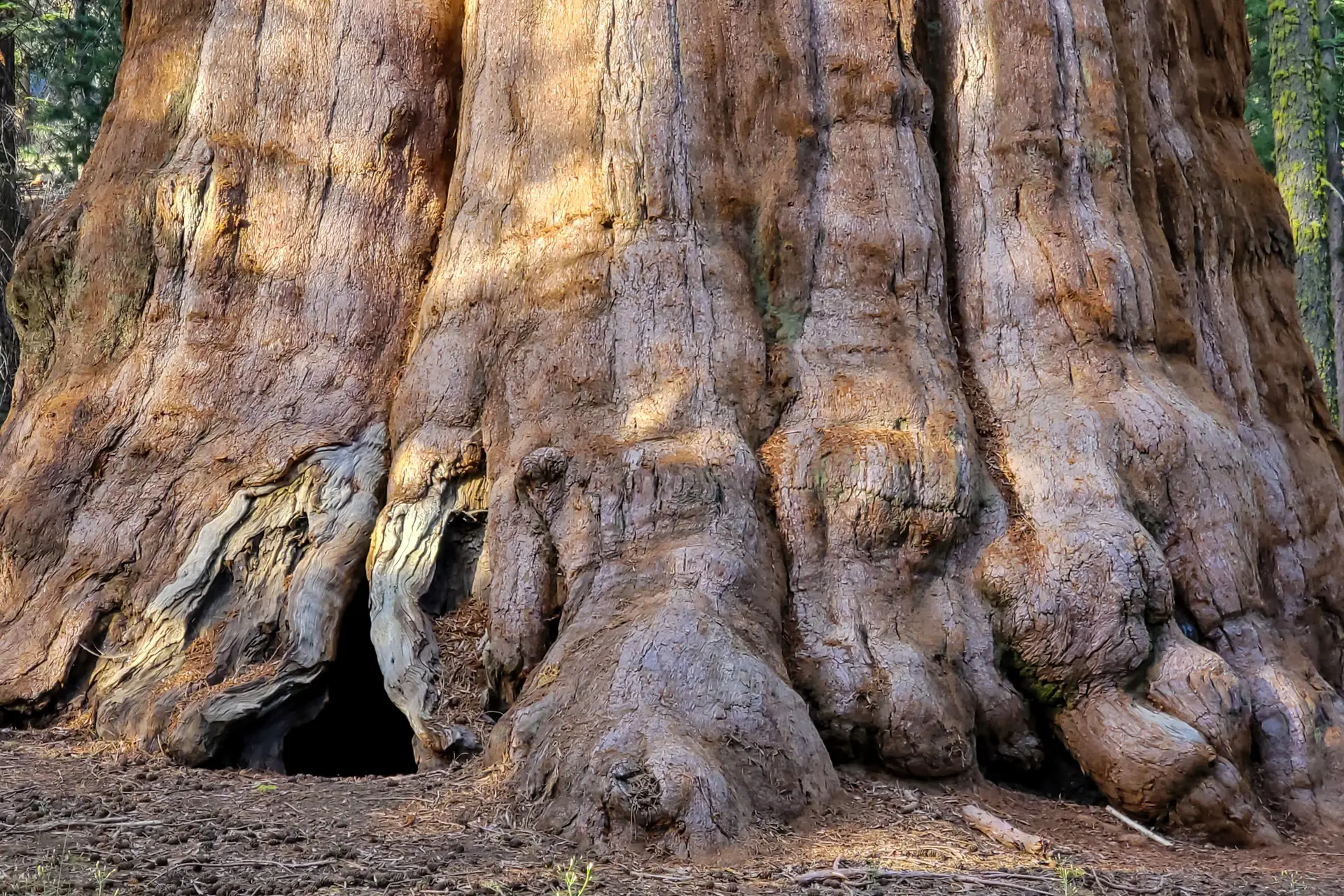
Sequoia National Park captures hearts because it’s more than scenery — it’s an encounter with time. These trees have witnessed glaciers, droughts, and generations of travelers who’ve stood in the same silence and pressed a shutter in awe. Their bark glows like burnished copper at golden hour, while mid-day light ignites emerald moss on fallen giants. Even the shadows carry texture, revealing age lines and burn scars like wrinkles on a wise face.
Every grove is a studio of contrasts. Moro Rock gives you cinematic grandeur — granite and clouds in shifting moods — while Crescent Meadow whispers intimacy, its reflective pools catching low light like polished mirrors. On the Congress Trail, you can shoot wide-angle drama and macro detail within a single frame: bark patterns, squirrel trails, and slanted sunbeams merging into one living mosaic. For travelers, this variety means no two visits yield the same story; for photographers, it’s the ultimate exercise in patience and reverence.
If you’d rather let someone else guide the rhythm, the Sequoia and Kings Canyon Audio Tour Self Guide National Park Tour helps you explore at your own pace — think of it as your digital ranger with storytelling cues that lead you straight to the best photo light. And for those starting from the valley, the Sequoia National Park Adventure from Tulare layers in local perspective, letting you climb from farmland plains to forest canopy with a guide who knows when fog turns to gold. Both routes open up hidden groves and save precious daylight for the shots that matter most.
And maybe that’s the secret to Sequoia’s pull: it slows you down. The giants insist on quiet craft, teaching anyone with a lens to compose deliberately, breathe between frames, and feel the hum of the forest before pressing the shutter. It’s not just about getting “the shot.” It’s about earning it — one step, one beam, one breath at a time.
A few links and ads here are affiliate portals. If you click through and snag something, you’ll be fueling my next photo-quest at no extra cost to you. Thanks for keeping the adventure rolling!
🎯 Top 10 Can’t-Miss Subjects in Sequoia National Park
Every lens finds its rhythm differently here. The forest hums with golden light and deep shadow, the kind that begs you to slow down and listen. These ten places capture the soul of Sequoia National Park — the dance between scale and serenity, texture and tone, granite and sky.
1. General Sherman Tree – Where Time Stands Taller
Standing 275 feet high and more than 36 feet wide, the General Sherman Tree is less a subject and more a sermon on endurance. Morning light pours through the grove, gilding bark that looks sculpted from copper. Shooting from low to high exaggerates its mythic scale; a wide-angle lens (15–35 mm) turns this ancient monarch into a portrait of humility and awe. Every frame whispers: you’re small, and that’s the point.
🕒 Best Time to Shoot: Early morning (7–8 a.m.) before tour crowds arrive.
💵 Access Cost: Included with park entry ($35 per vehicle / 7 days).
💡 Insider Tip: Back up far enough to let the sun rim-light the crown through mist for that celestial glow.
2. Moro Rock – The Stairway to Skyfire
A stone staircase climbs through wind and cloud to this granite dome that photographers dream about. The light here moves fast — dawn gives cobalt shadows, while sunset ignites the ridgelines in molten amber. Use leading lines of the stairs to pull the viewer upward; the drop-offs add thrilling scale when framed wide. At 6,725 feet, the horizon feels close enough to touch.
🕒 Best Time to Shoot: Golden hour to post-sunset twilight.
💵 Access Cost: Free with park entry.
💡 Insider Tip: Bring a tripod — long exposures after sunset capture cloud drift like smoke over fire.
3. Crescent Meadow – Reflections of Stillness
Known as the “Gem of the Sierra,” this meadow glows with late-day light bouncing off still water and lush grass. The surrounding giants frame reflections so perfect they look painted. Capture from knee-level for symmetry; a circular polarizer deepens greens and clears glare. Fog sometimes drifts in at sunrise, turning this quiet glade into a living watercolor.
🕒 Best Time to Shoot: Early morning for mist or late afternoon for warm tones.
💵 Access Cost: Free with park entry.
💡 Insider Tip: Walk a few minutes past the first turnout — fewer footprints, clearer reflections.
4. Tunnel Log – Nature’s Drive-Through Frame
When a fallen sequoia was tunneled in 1937, photographers inherited the park’s quirkiest composition tool. The natural arch frames cars, cyclists, or even hikers in cinematic proportion. Low angles dramatize the arch, while nighttime light-painting can make it glow from within. It’s kitschy, yes — but unmistakably Sequoia.
🕒 Best Time to Shoot: Blue hour or low-traffic dawn.
💵 Access Cost: Free with park entry.
💡 Insider Tip: Use a small LED panel to softly illuminate the tunnel interior without blowing highlights.
5. Tokopah Falls – The Granite Veil
This 1,200-foot cascade tumbles through a canyon of silver stone, shifting from thunder to whisper depending on snowmelt. Long exposures here are pure magic — silky ribbons of water against rugged granite. Pack an ND filter and steady tripod; your reward is a natural curtain shot against peaks that catch pink alpenglow.
🕒 Best Time to Shoot: Early summer mornings (May–June).
💵 Access Cost: Free with park entry.
💡 Insider Tip: Wear waterproof boots — the best foregrounds require stepping into shallow run-off.
6. Beetle Rock Vista – Where the Light Lingers Longest
A smooth granite dome above Giant Forest, Beetle Rock is a photographer’s amphitheater. The horizon stretches across the Kaweah Canyon, and at dusk, the light fractures into layers of lavender haze. Bring a telephoto for compression or a drone (where allowed) for sweeping cinematic pans. It’s the park’s unofficial golden-hour gathering spot.
🕒 Best Time to Shoot: Sunset through blue hour.
💵 Access Cost: Free with park entry.
💡 Insider Tip: Stay 15 minutes past sunset — the afterglow paints granite in rose gold.
7. Big Trees Trail – Lessons in Scale
This boardwalk loop winds through meadows bordered by some of the oldest living beings on Earth. The light here changes minute by minute, dappling the walkway with moving gold. Wide-angle shots capture grandeur, but macro photographers will love textures: bark char, moss veins, droplets clinging to ferns. Every frame here feels personal.
🕒 Best Time to Shoot: Late afternoon for soft diffused light.
💵 Access Cost: Free with park entry.
💡 Insider Tip: After rain, shoot puddle reflections — they double your forest in one frame.
8. Crescent Creek Footbridge – Lines of Tranquility
This small wooden bridge arcs gracefully over crystal water and fallen needles. Its geometry anchors compositions, guiding the eye through leading lines into dense foliage. Use f/8 for balanced depth and set your white balance slightly warm to emphasize the amber tones of wood and light. It’s quiet, meditative, and pure serenity.
🕒 Best Time to Shoot: One hour before sunset.
💵 Access Cost: Free with park entry.
💡 Insider Tip: Wait for hikers in bright jackets — that pop of color gives scale and story.
9. Giant Forest Museum – Stories in Bark and Shadow
This isn’t just an exhibit; it’s context made visual. The displays inside trace the park’s geological and cultural layers, while outside trails loop through groves that shift with every cloud. It’s a playground for light chasers who love to balance exposure between shadowed trunks and sunlit canopy.
🕒 Best Time to Shoot: Mid-afternoon when dappled light softens contrast.
💵 Access Cost: Included with park entry.
💡 Insider Tip: Shoot RAW inside — the warm interior lighting contrasts beautifully with the cool forest tones outside.
10. Kings Canyon Scenic Byway – The Grand Extension
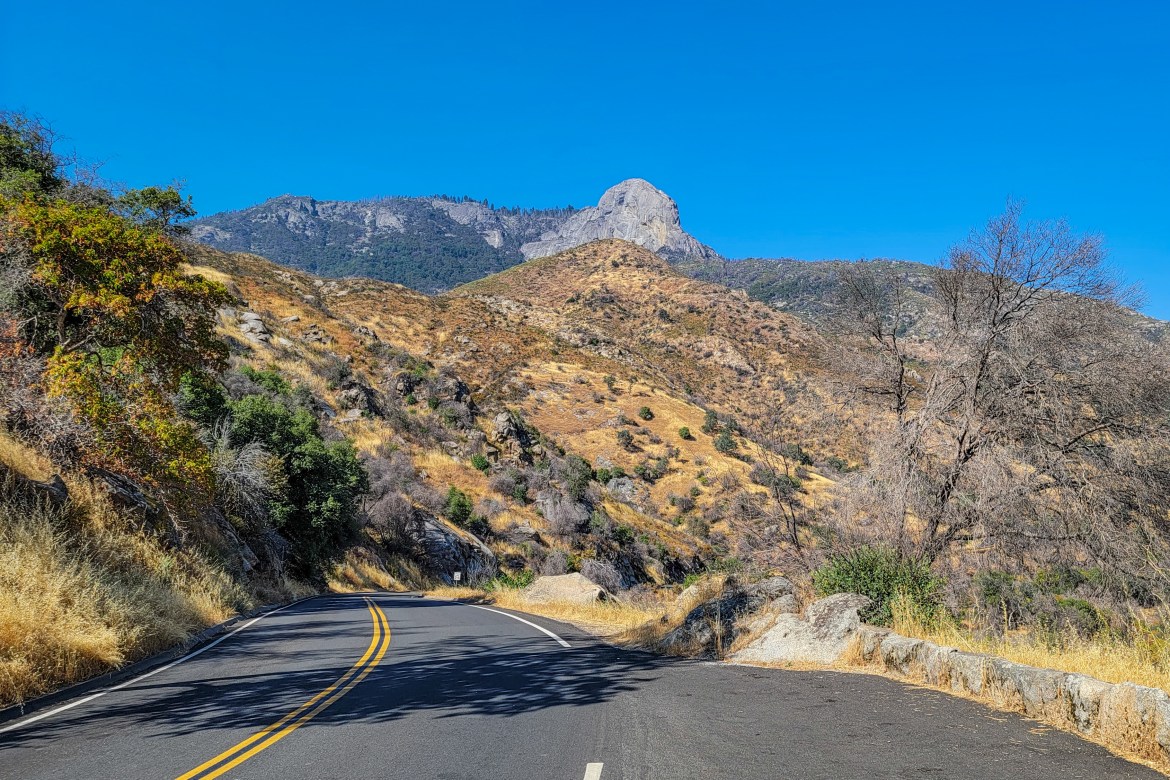
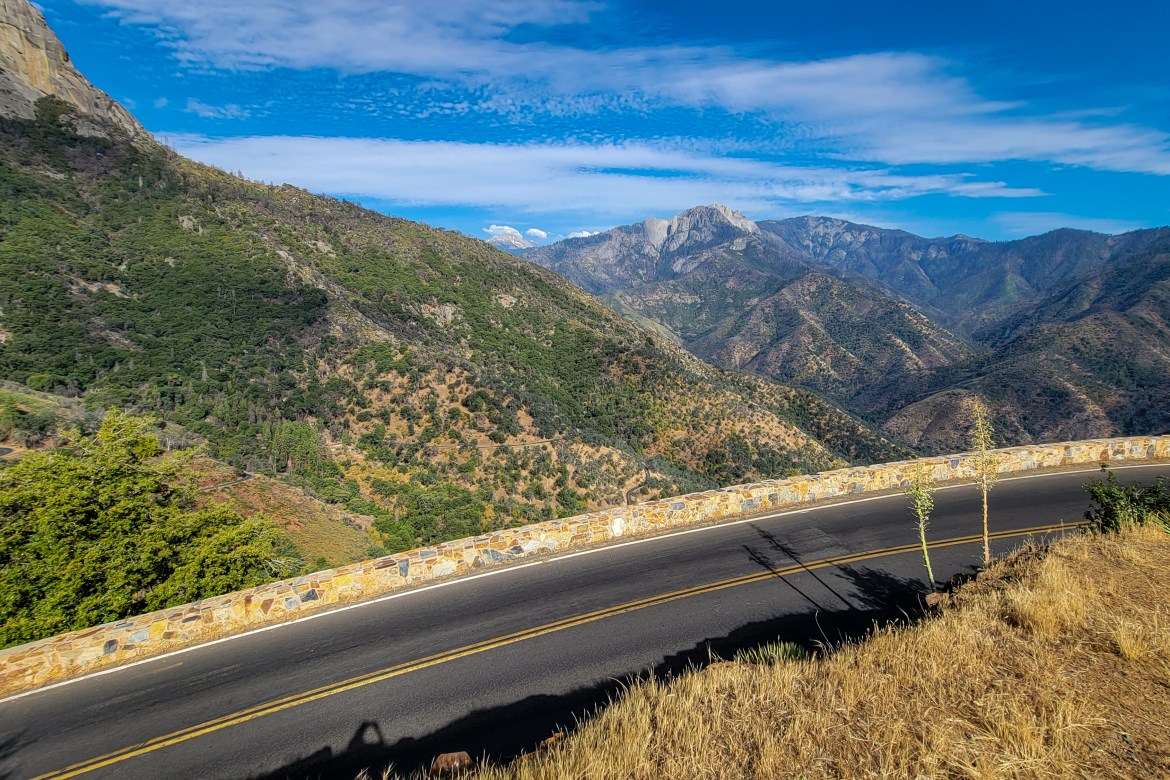
Technically next-door, but spiritually the same kingdom. This drive threads along deep canyons and polished granite walls glowing amber in late-day light. Perfect for aerial compositions, roadside panoramas, or moody telephoto shots compressing ridgelines.
🕒 Best Time to Shoot: Late afternoon through sunset.
💵 Access Cost: Free with park entry.
💡 Insider Tip: Pair this with the Sequoia and Kings Canyon Audio Tour Self Guide National Park Tour for seamless navigation to light-rich stops most travelers miss.
🔍 Hidden Gems & Photographer Favorites
Sequoia rewards anyone willing to wander a half-mile past the obvious. Step off the main loops and you’ll find hush-quiet groves, granite domes with nobody on them, and high-country bowls where light pours in like liquid gold. These spots favor patience over speed, texture over spectacle, and mood over markers — perfect for travelers who want space to breathe and photographers chasing originality. Here are the under-sung corners where Sequoia’s soul shows up unannounced.
Muir Grove – A Cathedral You Can Hear
A mellow trail from the Dorst Creek area leads to a secluded stand of giant sequoias that feels personal, almost private. The trees crowd close, filtering sound and turning sunbeams into soft spotlights — ideal for wide-angle intimacy without the Congress Trail crowds.
💡Insider Tip: Go mid-morning after the first chill lifts; bring a 15–35mm to exaggerate vertical lines and include a person for scale.Little Baldy Dome – Granite for Yourself
Short, steady switchbacks pop you onto a bald granite summit with ridge-line views that rival Moro Rock — minus the staircase parade. Evening haze layers the Sierra in lavender tiers that compress beautifully with a telephoto.
💡Insider Tip: Stay 10–15 minutes past sunset; the afterglow paints the slab warm while valleys fall to deep cobalt.Muir Grove Approach Meadow – Puddles, Ferns, and Glow
Just before the main grove, the trail brushes a small meadow where puddles mirror trunks and fern fronds catch side-light like stained glass. It’s a micro-studio for quiet compositions and low-angle reflections.
💡Insider Tip: After rain, drop to knee level and use a CPL to tune reflection vs. reveal — shoot both versions for variety.Mineral King Valley (Eagle & Mosquito Lakes) – High Country Quiet
A curvy road leads to a bowl of granite, tarns, and wildflowers where the crowds thin dramatically. Mornings bring gauzy mist on still water; afternoons spark alpine drama as clouds build over serrated peaks.
💡Insider Tip: Pack the Canon RF 100–500mm for compressed skyline layers and far-shore details; a light ND helps with silky stream shots.Sunset Rock – The Local’s Soft-Light Ledge
A short stroll from Giant Forest drops you on a west-facing outcrop perfect for picnics and unhurried golden hour frames. Trees at the edge act like natural flags to anchor your composition against the glowing valley.
💡Insider Tip: Arrive 45 minutes before sunset to scout foregrounds; keep a 24–105mm handy to pivot from big sky to trunk textures as light fades.
📸 In the Frame: Our Journey in Sequoia National Park
💵 Sleep • Eat • Move: Cost Snapshot
Sequoia trips price out cleanly: pay to get close to the Giant Forest, save by sleeping in Three Rivers, and budget around golden-hour flexibility (sunrise coffee + sunset dinner). Summer peaks raise rates, while shoulder months ease both crowds and costs — perfect for photographers chasing moodier light. If you’re road-tripping from Fresno (FAT), factor in a solid rental and fuel; winter adds potential chain expenses but rewards you with snow-draped bark and empty trails. Overall, think in tiers: budget travelers keep it simple and self-cater, mid-rangers trade up for location and hot tubs, and luxe seekers buy time — the most valuable line item in Sequoia National Park.
| 🏨 Lodging | 💵 Range (USD) | 📌 Example/Value |
|---|---|---|
| Lodging | $120–$600+ per night | Motels/cabins in Three Rivers (budget), lodge-style stays near the Giant Forest (mid), boutique chalets with views and fireplaces (luxe). |
| 🍽 Meals | $12–$70 per person | Trail picnics and cafés (budget), grill/pizzeria sit-downs post-sunset (mid), seasonal kitchens with wine lists for slow debrief dinners (luxe). |
| 🚌 Transport | $35 park entry + $55–$200/day | Park entry (7 days) plus rental car from Fresno (FAT) or Visalia (VIS); winter may require chains/snow-capable tires. |
| 🏛 Activities | $0–$180 | Self-guided trails and overlooks (free), audio tour add-ons, seasonal cave/programs, and guided day tours for dawn-to-dusk coverage. |
Average Cost Per Day in Sequoia National Park
Think of daily costs in Sequoia as a dance between distance and daylight: the closer you sleep to the Giant Forest, the more you pay—but the more golden-hour magic you get. Self-catered meals and picnic dinners keep budgets tidy, while sit-down spots in Three Rivers add comfort (and calories) after sunset. Rental cars are your freedom pass for sunrise trailheads and blue-hour granite domes; amortize the 7-day park entry across your stay. Add a little cushion for weather pivots, chain requirements in winter, and a splurge tour or two when the light’s just too good to leave to chance.
| 🧳 Traveler Type | 💵 Daily Estimate (USD) | 📌 What’s Included |
|---|---|---|
| 🎒 Budget – Wander Smart | $180–$260 | Motel/cabin in Three Rivers, picnic/café meals, compact rental + amortized park entry, self-guided trails, occasional audio tour. |
| 🏖️ Mid-Range – Wander Well | $330–$520 | Lodge-style stay nearer the Giant Forest, sit-down dinners, SUV rental, one guided experience or seasonal program. |
| 🏰 Luxury – Wander Luxe | $600–$950+ | Upscale lodge/premium rental with views, full-service dining, premium SUV, private guiding/photo support from sunrise to starlight. |
📸 Essential Photo Tips for Capturing in Sequoia National Park
Between bark and sky, the light has its own pulse. Beneath these giants, illumination dances through haze and branches like liquid gold, rewarding those who chase stillness over spectacle. In Sequoia National Park, the best shots balance scale and intimacy — from the cathedral shafts cutting through the Giant Forest to the granular textures of bark that glow ember-red after rain. Mornings gift fog and mystery; afternoons reveal honeyed light along granite domes; and twilight turns the forest into a silhouette symphony for long exposures.
If you’re exploring from Moro Rock to Crescent Meadow, remember the contrast range here is brutal — bracket your exposures or use gentle HDR merging in post. A Circular Polarizer Filter is indispensable for taming glare and deepening greens; an Neutral Density Variable Filter helps pull motion blur from falling water at Tokopah Falls or soft wind over meadow grass. Photographers with a love for reach will thrive with the Canon RF 100–500mm f/4.5–7.1L IS USM, perfect for isolating ridgelines or distant trunks glowing in backlight.
| 📍 Where & What to Shoot | ⏰ When to Shoot | 📷 How to Nail the Shot | 🏛 Tourist Traffic | 💡 Insider Tip |
|---|---|---|---|---|
| General Sherman Tree | Early morning (7–8 a.m.) | Go vertical and include human scale; shoot from low angle with wide lens (15–35mm) for towering drama. | High | Fog often hugs the base after dawn — plan your first light here for the most cinematic glow. |
| Moro Rock | Sunset / Blue hour | Use leading lines of the staircase; tripod essential for post-sunset layering and haze compression. | Moderate | Stay 15 minutes after sunset — granite blushes pink before fading to silver. |
| Crescent Meadow | Late afternoon | Shoot low across water for mirror symmetry; CPL deepens reflections and greens. | Low–Moderate | Step past the main turnout — quieter corners give undisturbed reflection shots. |
| Tokopah Falls | Morning (before 9 a.m.) | Use ND filter for silky water texture; wide aperture for balancing light on granite. | Moderate | Shoot from mid-trail vantage to frame full drop and boulder foregrounds. |
| Beetle Rock Vista | Golden hour / Twilight | Telephoto compression of layered ridges; ISO 400 for hand-held glow shots. | Low | Cloudless evenings deliver best color gradients over Kaweah Valley. |
| Big Trees Trail | Late afternoon | Capture reflections in rain puddles or low-contrast forest diffused by canopy light. | Moderate | After rain, puddles double your forest; shoot handheld for spontaneous composition. |
| Little Baldy Dome | Sunset | Wide shot for drama or telephoto for haze-layer compression; tripod helps stability in wind. | Low | Stay for post-sunset blue tones — the granite reflects residual pink light beautifully. |
If your creative compass points to neon sunsets and palm silhouettes, Los Angeles is a wildly photogenic playground — sweeping views from Griffith Observatory, bold color in the Arts District, and sea-sparkle along Santa Monica at golden hour. We stitched together the best routes, timing tricks, and snack stops so your reels glow and your stills sing.
View Our Los Angeles Guide
🌎 Cultural & Historical Context
When Sequoia was established in 1890, it became America’s second national park — a bold statement that these ancient trees deserved protection as living monuments, not lumber. Back then, logging threatened to erase entire groves before photographers like Charles Leander Weed and Carleton Watkins captured images that shocked the nation into action. Their black-and-white glass plates immortalized the scale of the Giant Forest, and in doing so, helped spark early conservation movements that would later inspire the National Park Service itself.
Today, walking through Sequoia National Park feels like stepping into that legacy — part wilderness, part time capsule. Trails named for John Muir and early rangers trace paths once used by Native Yokuts and Western Mono tribes, who revered these colossal trees as protectors of balance between earth and sky. The park’s rustic stone architecture and hand-hewn stairways, crafted by the Civilian Conservation Corps in the 1930s, still echo that ideal of human stewardship meeting natural grandeur.
Modern Sequoia remains both symbol and sanctuary: a place where environmental science and artistry meet. Fire management now mimics the natural cycles that once sustained the groves, and every visitor with a camera inherits the same mission as those early photographers — to document, to preserve, and to remind the world that awe is a renewable resource.
🗣️ Language & Local Lingo You’ll Hear
Even in a land of trees older than empires, conversation flows — sometimes in hiker shorthand, sometimes in ranger rhythm. Around Sequoia National Park, you’ll pick up a mix of California outdoor slang, ranger jargon, and a few charming localisms that make you sound less like a visitor and more like a fellow wanderer. Photographers and travelers alike toss around phrases tied to light, weather, and terrain — from “marine layer mornings” to “burn scar shots.” Knowing the lingo makes trail chats smoother and helps you understand what locals mean when they say, “the road’s breathing,” or “the forest is talking.”
Here’s your cheat sheet to sound right at home among rangers, hikers, and shutterbugs beneath the giants:
| 🔧 Term | 📝 Meaning | 🎬 Example Usage |
|---|---|---|
| Cathedral Light | The shafts of sunlight piercing fog in the Giant Forest — highly prized by photographers. | “We hit the grove right at cathedral light — unreal texture on the bark.” |
| Burn Scar | A naturally healed section of bark showing previous wildfire activity; often adds dramatic character to trunks. | “Frame that burn scar in profile — it tells the forest’s whole story.” |
| Switchbacking | Hiking or driving zigzag mountain roads; common on approaches to Moro Rock or Mineral King. | “We’ve been switchbacking for 20 minutes — the summit’s close!” |
| Trailhead Drop | When a driver leaves hikers or photographers at a starting point, often used for sunrise setups. | “We’ll do a trailhead drop at Crescent Meadow before first light.” |
| Tree Cathedral | A natural corridor of aligned sequoias forming a vaulted canopy. | “Shoot the tree cathedral vertically — it feels endless.” |
| Rim Light | The thin halo of light outlining trees or cliffs at sunrise/sunset. | “Wait — the rim light’s peaking off that trunk. Frame now!” |
| Ranger Roll Call | The early morning brief before ranger shifts begin; park slang for first patrol. | “He’s on ranger roll call till eight — we’ll catch him for fire updates after.” |
| Haze Stack | The layered look of mountain ridges in telephoto shots; often seen at Beetle Rock. | “Pull the 100–500mm for a haze stack — those ridges are glowing.” |
| Fire Ecology | The study and management of natural fire cycles critical to sequoia health. | “That controlled burn’s part of the park’s fire ecology plan.” |
| Sky Island | An isolated mountain ecosystem surrounded by lowlands — common term for Sequoia’s high-altitude habitats. | “Mineral King’s basically a sky island — everything changes once you’re up there.” |
| Lens Fog | Condensation that forms when moving from cool forest air to warm sunlight. | “Keep the lens cap on when you leave the grove — prevents that instant fog.” |
| Trail Gold | The warm glow on pine needles and soil during golden hour. | “The trail gold hits hardest right before sunset at Crescent Meadow.” |
🍽 Where to Refuel Nearby
The Taste of the Sierra: Rustic, Hearty, and Comforting.
After a day of hiking under trees the size of cathedrals, you’ll crave something earthy, simple, and deeply satisfying — the kind of meal that pairs perfectly with a day’s worth of pine-scented air. Around Three Rivers (the main gateway to Sequoia), dining feels like stepping into a mountain lodge kitchen: warm wood interiors, buzzing conversation, and the unmistakable aroma of fire-grilled comfort food. Think smoky tri-tip, mountain trout, wood-fired pizza, and pie à la mode straight out of the oven. You’ll find local wines and microbrews sourced from California’s Central Valley, and plenty of family-run spots where everyone seems to know your table by the second night.
🌲Top Local Restaurants & Their Must-Try Specialties 🍽
Gateway Restaurant & Lodge ($$–$$$) – Perched above the Kaweah River, this spot serves scenic steak dinners with a waterfall soundtrack. Order the blackened trout or ribeye as dusk settles — both taste better with that view.
River View Restaurant & Lounge ($$) – Casual and cozy with a deck ideal for sunset drinks. The smoked brisket sandwich and loaded burgers are crowd favorites after a long day in the groves.
Sequoia Coffee Co. ($) – A morning lifesaver serving espresso, breakfast burritos, and warm cinnamon rolls big enough to share (but you won’t).
The Peaks Restaurant ($$–$$$) – Inside Wuksachi Lodge, it’s the go-to for travelers staying deep inside the park. Try the mountain mushroom pasta or elk burger after shooting sunset at Moro Rock.
Ol Buckaroo ($$) – Farm-to-table with attitude — craft tacos, local produce, and an outdoor patio perfect for golden-hour dining.
🥩🥗☕🍰 Savor the Shot in Sequoia National Park
🗺️ Quick Itinerary for Capturing the Niche
Sunrise to starlight, this plan threads Sequoia’s golden pockets of light so every hour earns a keeper.
Sequoia rewards unhurried pacing, so think of this as a one-day “greatest hits” you can stretch to two days if you want longer linger time at each grove. Start beneath the giants while the air is cool and misty, swing through reflective meadows as light warms, then climb granite for a finale of layered ridgelines at sunset. If you split it over two days, alternate dawns between the General Sherman area and Crescent Meadow, and save one blue hour for Beetle Rock. Build in picnic windows, power naps, and memory-card swaps — this is a day designed for both travelers and photographers.
🕒 6:30 a.m. — Dawn at General Sherman & Big Trees Trail
Arrive early while the grove is quiet and the air holds a whisper of fog. Work low angles with a wide lens to exaggerate scale, then pivot to bark textures as shafts of light start to thread the trunks. The nearby **Big Trees Trail** boardwalk offers soft, even light and puddle reflections after any overnight moisture.
🕒 Open: Year-round, 24 hrs (weather permitting)
💵 Cost: Included with park entry (7-day vehicle pass)
💡 Insider Tip: Park at the upper lot and walk down; shoot on the descent to catch first light, then ride the shuttle (in season) back up to save your legs.
🕒 9:00 a.m. — Congress Trail Loop
Peel off onto this quieter loop where clusters like “The House” and “The Senate” give you clean compositions without constant foot traffic. Bounce between sweeping verticals and intimate detail frames; look for rim-lit ferns and smoke-scar textures to tell a time-worn story.
🕒 Open: Year-round, trail conditions dependent
💵 Cost: Free with park entry
💡 Insider Tip: Keep a person in a bright jacket in frame occasionally — scale sells the scene without stealing it.
🕒 11:00 a.m. — Crescent Meadow & Tharp’s Log
As mid-day contrast rises, head for reflective water and dappled shade. Crescent Meadow acts like a natural reflector, softening harsh sun into painterly greens. Walk to Tharp’s Log for a frontier-meets-forest vignette that plays well in both color and monochrome.
🕒 Open: Typically late spring–fall (road access varies)
💵 Cost: Free with park entry
💡 Insider Tip: A circular polarizer lets you choose between mirror-glass reflections and peeking through surface glare — shoot both.
🕒 12:30 p.m. — Picnic & Reset at Crescent Meadow Pullouts
This is your recharge window: refuel, back up cards, and review what you’ve got. Harshest light of the day? Perfect time for people-centric candids, gear checks, and a short hammock break under the canopy. Travelers get a calm lunch; photographers get organization time for the evening push.
🕒 Open: Pullouts/day-use areas in season
💵 Cost: Free with park entry
💡 Insider Tip: Stash one cold drink for golden hour — you’ll thank yourself on the climb to the overlooks.
🕒 2:00 p.m. — Tokopah Falls Trail
Walk the granite-lined canyon while the sun angles down and shadows lengthen. Long-exposure water over pale rock makes a high-contrast ballet; anchor the foreground with boulders or moss for depth. Non-shooters love the easy grade and constant scenery; shooters will work ND filters and leading lines.
🕒 Open: Late spring–fall (snow dependent)
💵 Cost: Free with park entry
💡 Insider Tip: If wind ripples the water, shorten shutter to keep detail; save silky shots for shaded sections.
🕒 4:30 p.m. — Giant Forest Museum Area Stroll
As light mellows, loop short paths near the museum to collect intimate frames: bark cross-sections, cone still-lifes, and backlit needles. It’s a relaxed interlude for families and a texture goldmine for detail hunters before the sunset climb.
🕒 Open: Museum hours vary seasonally; surrounding paths open daily
💵 Cost: Included with park entry
💡 Insider Tip: Shoot RAW inside the museum if you pop in — warm interior light contrasts beautifully with cool forest tones.
🕒 6:15 p.m. — Sunset at Moro Rock (or Beetle Rock on windy days)
Climb to the granite balcony where ridgelines stack like watercolor brushstrokes. On calm evenings, Moro Rock delivers drama; if winds are gusty, Beetle Rock gives safer footing and equally dreamy haze layers. Telephoto compression at 200–500mm sings here, while a wide lens captures the epic foreground.
🕒 Open: Road/stair access typically late spring–fall (weather dependent)
💵 Cost: Free with park entry
💡 Insider Tip: Stay 15–20 minutes past sunset — the afterglow paints granite rose-gold before blue hour descends.
🕒 7:45 p.m. — Blue Hour & Early Starlight at Beetle Rock
When crowds peel away, the slab becomes your quiet studio. Work silhouettes of lone trees, layer the horizon, and try a first-stars exposure if skies are clear. Non-photographers get a gentle walk back under a sky turning indigo; photographers savor those last long seconds of glow.
🕒 Open: Year-round, subject to weather/road closures
💵 Cost: Free with park entry
💡 Insider Tip: Bring a tiny headlamp and keep it pointed down — protect night vision and preserve the mood for everyone.
🎥 Reels on the Road
Capturing Sequoia’s Living Giants in Motion
Every moment in Sequoia National Park begs for movement — drifting fog through trunks, shifting sunlight across bark, a lone hiker dwarfed by the forest cathedral. This is where short-form video thrives. Wide pans reveal grandeur; slow push-ins show reverence; and drone arcs (where permitted) turn groves into storybook kingdoms. Between soft morning light and molten sunset glow, you can craft an entire reel narrative that swings from quiet awe to wild natural drama. Think rhythm: 2–3 seconds of stillness, 2–3 of reveal, and 2–3 of contrast — texture to scale, bark to sky, silence to wind.
🎥 General Sherman Tree – Slow upward pan from roots to crown; let ambient forest audio drive the reel. Best at sunrise with fog still hovering.
🎥 Moro Rock Stairway – Walk-through POV or drone orbit showing hikers ascending into clouds; cinematic fade into sunset. Shoot during golden hour for lens flare magic.
🎥 Crescent Meadow Reflections – Gentle gimbal glide over mirror-still water capturing the forest’s reflection flip; seamless cut between mirrored and real. Late afternoon calm gives perfect symmetry.
🎥 Tokopah Falls – Handheld slow-mo of water tumbling against granite, mist catching sunlight; add ambient stream audio for texture. Late morning or overcast days for balanced exposure.
🎥 Beetle Rock Vista – 360° rotation shot at sunset revealing horizon layers; end with silhouette of a lone sequoia in the frame. Best 10 minutes after sunset when light lingers in pinks.
🎥 Big Trees Trail Boardwalk – Smooth tracking shot through towering trunks with moving shadows; blend in natural footsteps or heartbeat audio for atmosphere. Shoot midday when contrast ripples across planks.
This one-minute video from Sequoia National Park unfolds like a tribute to nature’s ancient majesty, seamlessly blending mountains, rivers, and giants of wood and time. It opens with a panoramic view of the Sierra Nevada, rugged peaks stretching endlessly under a cobalt sky, their slopes fading into layers of green and gold. The camera then dips to a rushing river, its crystal waters carving through granite and moss, glinting in the sunlight as it cascades over smooth rock ledges — the untamed sound of wilderness in motion. The sequence transitions to the forest’s heart, where the General Sherman Tree, the largest living tree on Earth, towers into the heavens. Its bark glows deep amber in the light, surrounded by a cathedral of ancient sequoias whose sheer size humbles every onlooker. The final shot pulls back to reveal sunlight filtering through the canopy, rays dancing across ferns and fallen needles — a reminder that in Sequoia, time moves slowly, but wonder lasts forever.
🌲 Wrap-Up: Why This Niche Matters
Standing beneath a sequoia changes your sense of scale — not just as a photographer, but as a person. It reminds you that patience can outlast centuries and that beauty doesn’t always shout; sometimes it hums softly through filtered light and resin-sweet air. The Sequoia National Park niche endures because it connects artistry with ancestry — each frame carries echoes of early conservationists, Indigenous reverence, and the timeless dialogue between humankind and nature.
For photographers, the grove becomes both studio and sanctuary: light bending, fog weaving, bark glowing like bronze under morning sun. For travelers, it’s a living classroom about resilience — how fire, time, and care sculpt balance. In capturing these giants, we don’t just preserve a scene; we participate in the ongoing story of awe itself. Every shutter press is both gratitude and promise — to see, to protect, and to remember that the oldest subjects still have the newest lessons.
🎞️ Frames From the Road: Scenes Worth Stopping For in {city}

Behind the Lens
I’m Steve—a retired Army vet who traded ruck sacks for camera bags and now chases light across every latitude I can reach. From 110 point & shoot film camera beginnings to a Canon R5 Mark II and Mavic Pro II drone, I’ve logged shots in 36 countries and all 50 states, squeezing solo photo runs between corporate flights and longer adventures with my wife. Shutter Nomadica is where I share the hits, misses, and field notes so fellow roamers can skip the guesswork and grab the shot!