Washington, D.C. Revealed: A Photographer’s Guide to the Capital
In Washington, D.C., the stories of a nation rise in stone and marble. Here, cherry blossoms drift across the Tidal Basin, reflections shimmer beneath the Lincoln Memorial, and the whisper of history seems to echo down every avenue. Yet beyond the grandeur lies a city alive with energy — cafés buzzing in Georgetown, jazz spilling from U Street, and murals splashed across walls that remind you this capital isn’t frozen in time; it’s writing its next chapter in real time.
For travelers and photographers, D.C. is a masterclass in symmetry and symbolism. Capture the U.S. Capitol glowing at sunrise, the Washington Monument piercing a cotton-candy sky, or the solemn beauty of Arlington National Cemetery under soft afternoon light. Explore the architectural poetry of the Library of Congress, the glass curves of the National Gallery, and the living moments of protest, celebration, and quiet reflection that give this city its pulse.
The most photogenic seasons are March–May and September–November, when the blossoms bloom or the leaves blaze gold against white marble. Fly into Reagan National Airport (DCA) — just 15 minutes from the National Mall — and plan three to five days to wander, reflect, and frame the ideals carved into stone. Because in Washington, D.C., history doesn’t just live in the past — it stands tall, bathed in the same light that falls on every dreamer who walks its streets.
🎯 Don’t Miss Shortlist in Washington DC
You could spend a lifetime exploring Washington, D.C., yet still stumble upon new stories carved in marble or cast in bronze. The city is a dreamscape for both history buffs and photographers—linear compositions along the National Mall, reflections rippling at sunset, and contrasts of power and peace. Monuments here aren’t just photo ops; they’re conversations in stone. Each stop tells a piece of the nation’s story and rewards travelers who linger long enough to catch the changing light. Below, you’ll find the capital’s most photogenic and meaningful stops—each one a frame waiting to happen.
1. The Lincoln Memorial — The Nation’s Quiet Giant
There’s something haunting about standing before Abraham Lincoln’s seated figure at dawn, when the columns blush pink and the Reflecting Pool glimmers below. The symmetry here is irresistible—perfect leading lines, soft morning hues, and echoes of history in every marble groove. Photographers adore the balance; travelers savor the reverence.
🕒 Open: 24 hours daily
💵 Cost: Free
💡 Insider Tip: Arrive before sunrise for mirrored calm and warm light—tripods allowed before crowds gather.
2. The U.S. Capitol Building — Democracy in the Round
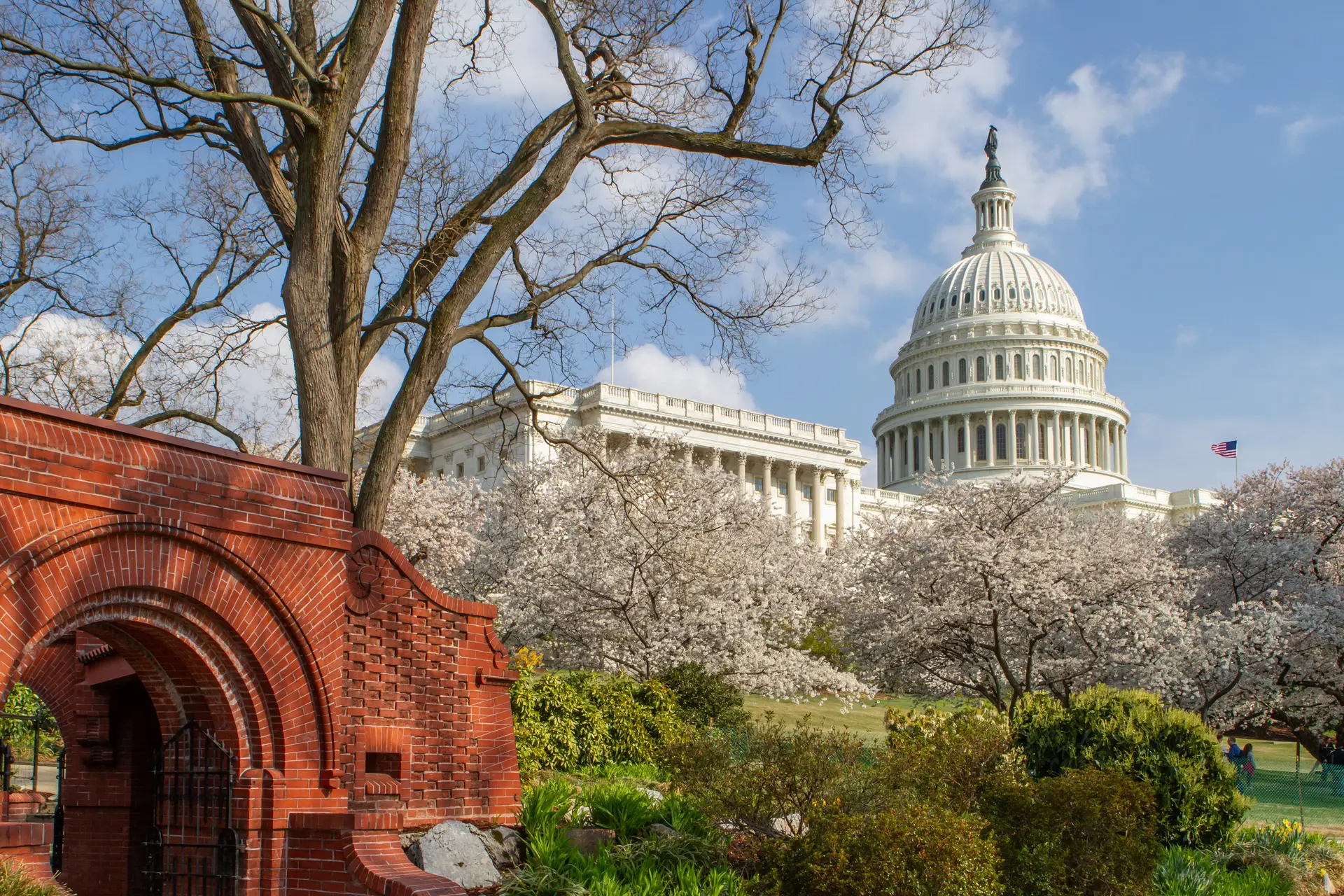
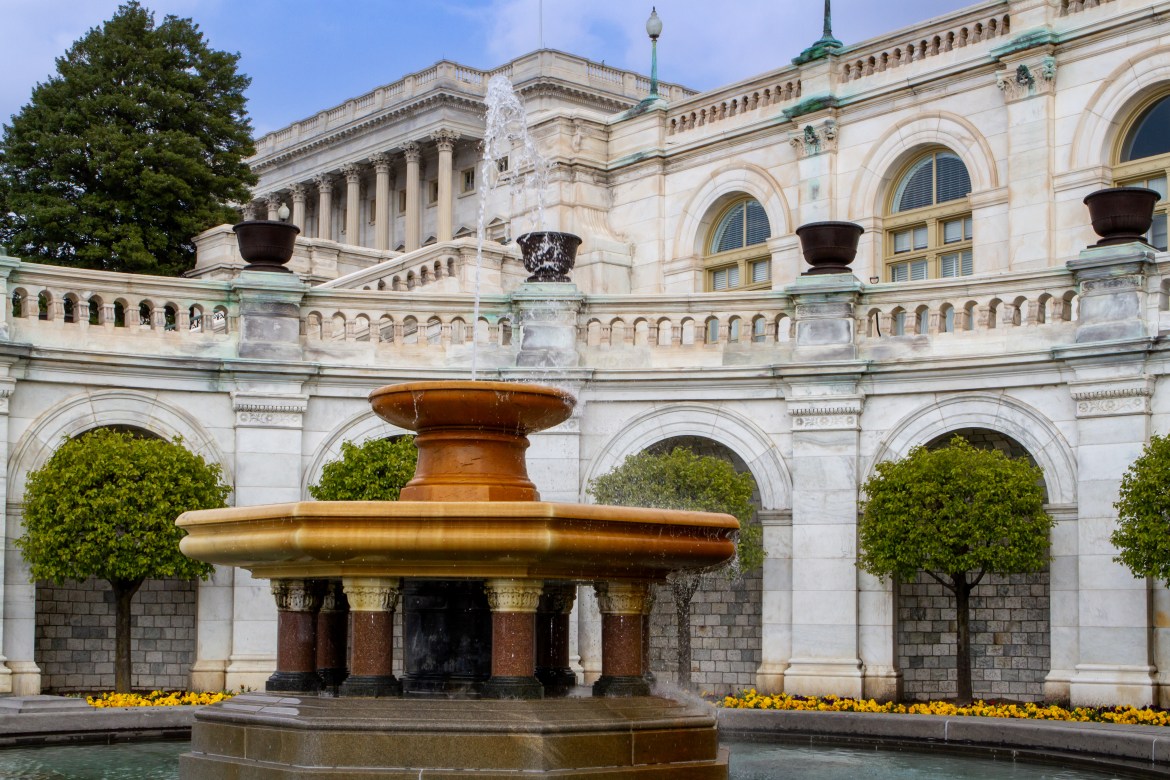
The Capitol Building’s neoclassical dome commands the skyline, a beacon of power and artistry. From the East Front’s marble steps to the Capitol Reflecting Pool, the perspectives are endless. Inside, frescoed rotundas and soaring corridors make for grandeur shots, while outside, the symmetry of government meets the grace of design.
🕒 Open: Mon–Sat 8:30 AM–4:30 PM (tours by reservation)
💵 Cost: Free (tickets required for guided tours)
💡 Insider Tip: Shoot from the west side at golden hour for the dome glowing behind the Mall’s long green axis.
3. The Smithsonian Museums — Culture, Science & Spectacle
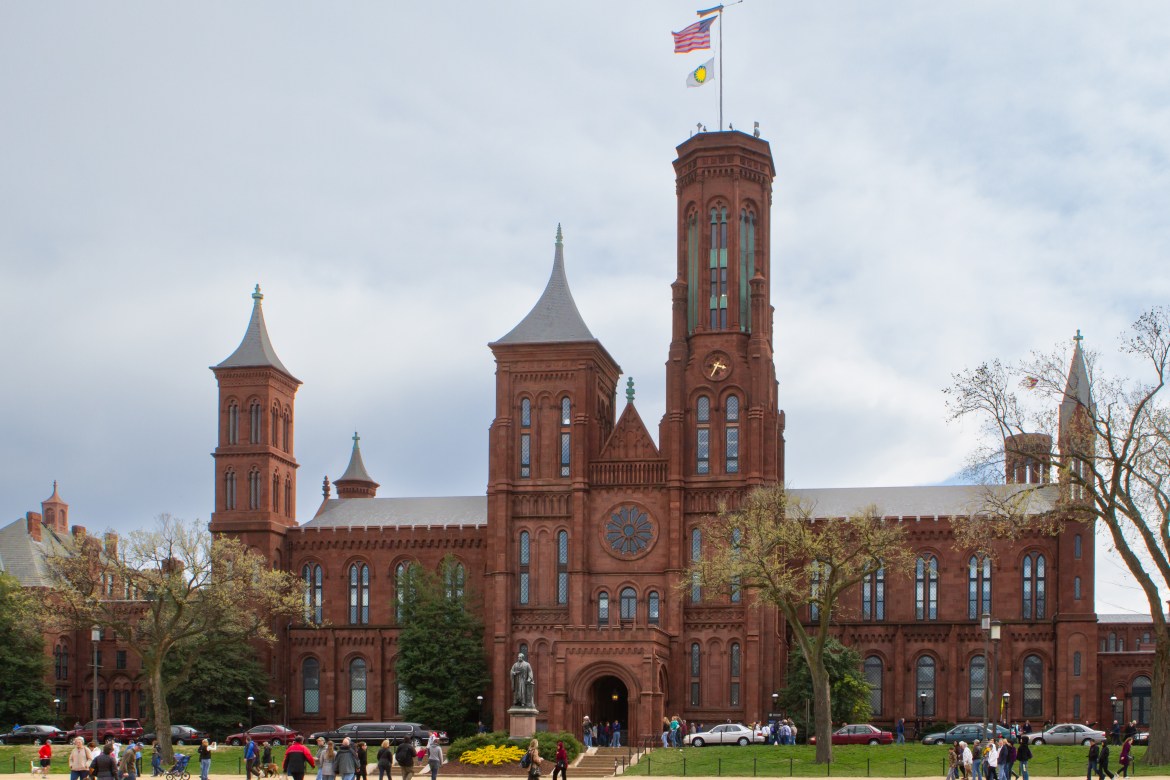
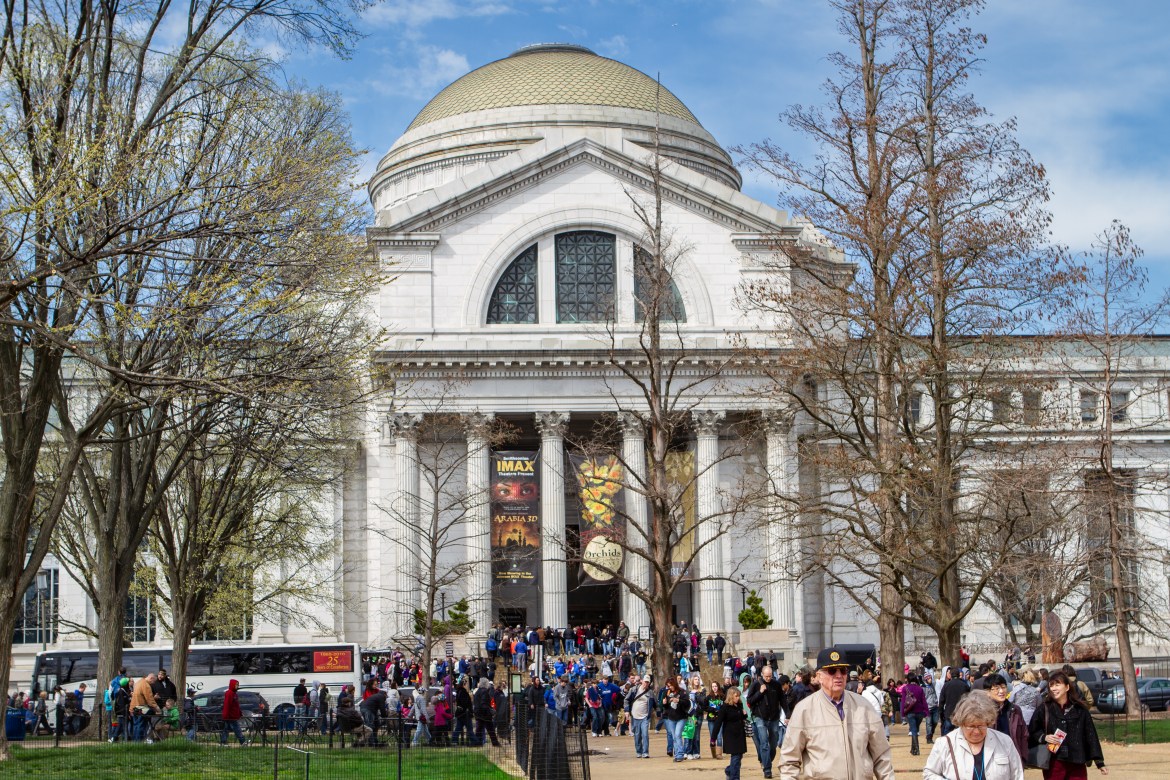
Stretching along the National Mall, these museums house the nation’s curiosity—from moon rocks to Renoirs. Step inside the Air and Space, Natural History, or African American History and Culture museums for both storytelling and sleek architectural framing. The contrast of art, science, and human spirit makes every hall worth capturing.
🕒 Open: Daily 10 AM–5:30 PM
💵 Cost: Free
💡 Insider Tip: Visit mid-week mornings for soft light filtering through skylights and fewer tour groups blocking exhibits.
4. The Washington Monument — A Perfect Vertical Frame
Soaring over 555 feet, this granite obelisk is the Mall’s exclamation point. Whether you’re composing from the Tidal Basin, capturing its reflection in the World War II Memorial, or ascending for a panoramic city view, it’s the visual anchor of D.C. every lens loves.
🕒 Open: 9 AM–5 PM (closed Dec 25)
💵 Cost: $1 service fee per ticket
💡 Insider Tip: Time your visit around late afternoon—the monument gleams against pastel skies, ideal for wide-angle shots.
5. The Tidal Basin & Jefferson Memorial — Blossoms & Reflections
In spring, the Tidal Basin becomes a cotton-candy dream under cherry blossom canopies. The Jefferson Memorial’s circular form contrasts beautifully with drifting petals and mirrored water. Early mornings here are pure serenity, and evenings carry painterly reflections.
🕒 Open: 24 hours daily
💵 Cost: Free
💡 Insider Tip: Arrive before 7 AM during blossom season—tripods are allowed, and morning mist adds cinematic depth.
6. The Martin Luther King Jr. Memorial — Words Set in Stone
Carved from white granite, this powerful memorial gazes toward the Jefferson Memorial, symbolizing dialogue across generations. The scale and emotional gravity make it ideal for mid-afternoon shadow play and contemplative compositions.
🕒 Open: 24 hours daily
💵 Cost: Free
💡 Insider Tip: Capture the engraved quotes at golden hour when shadows trace the lettering’s depth.
7. The World War II Memorial — Symmetry and Sacrifice
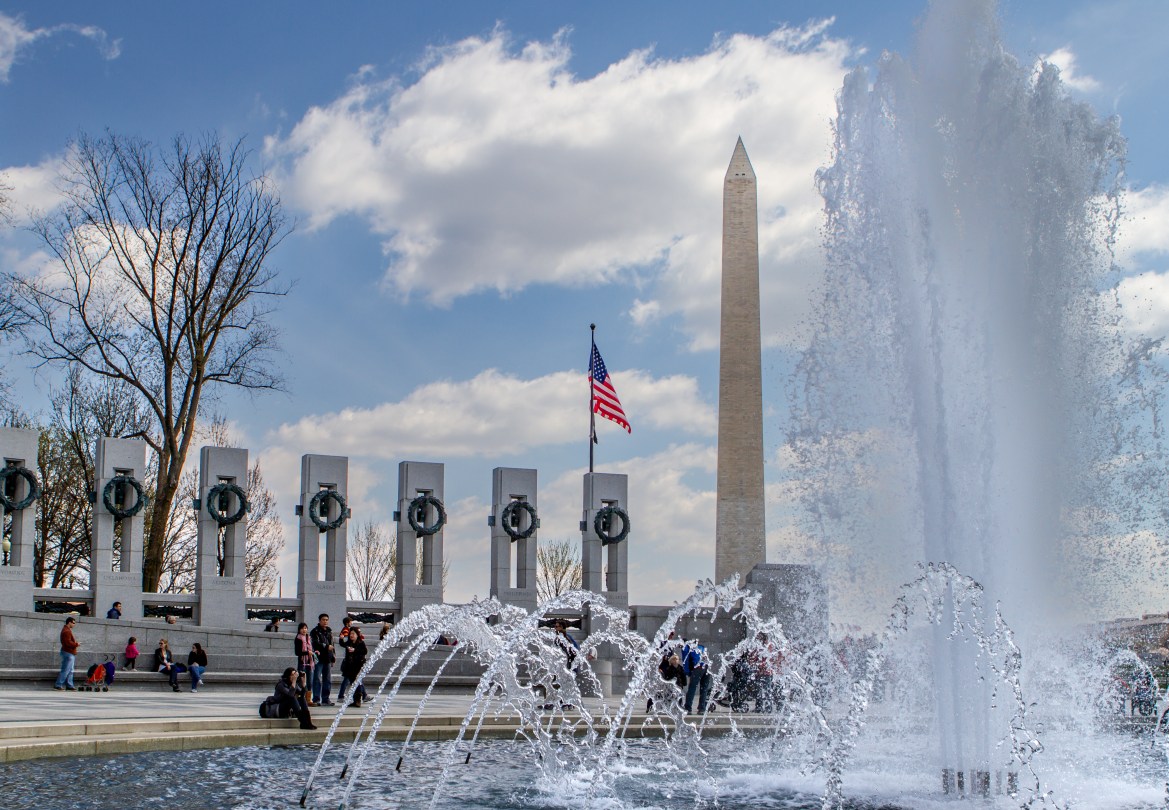
Framed perfectly between the Lincoln and Washington monuments, this site’s fountains and stone arches celebrate unity and valor. The curving geometry, flowing water, and flags create a balanced tableau day or night.
🕒 Open: 24 hours daily
💵 Cost: Free
💡 Insider Tip: Return after sunset—soft lighting on the pillars gives dramatic depth for low-exposure shots.
8. Georgetown Waterfront & Historic Streets — Where Brick Meets Breeze
Old Georgetown is D.C.’s personality piece: cobblestone lanes, ivy-clad homes, and waterfront cafes buzzing with charm. Photographers find texture here—red brick, rippling canal reflections, and the curve of bridges against the Potomac.
🕒 Open: Always open (public streets & paths)
💵 Cost: Free
💡 Insider Tip: Aim for late afternoon when warm light paints the brickwork gold—perfect for handheld walk-and-shoot sessions.
Two phenomenal tours link perfectly to this experience: the first, on Viator, All Washington DC Tours & Excursions in 2025, offers deep-dive access to hundreds of unique experiences throughout the city’s vast array of monuments and neighborhoods. The second, also via Viator, is the standout DC National Mall Night Tour with 10 Stops, Reserved Entry Tickets – a three-hour evening journey that hits ten of D.C.’s must-see monuments by night (including the White House, Lincoln Memorial and U.S. Capitol), giving you both historical narrative and photo-friendly light.
Hidden Gems in Washington, D.C. Few Tourists Discover
Beyond the marble grandeur and iconic skyline, Washington, D.C. hides a quieter, more intimate rhythm. Here, you’ll find ivy-cloaked gardens, back-street murals, and candle-lit corners where locals linger over jazz and history hums through the brickwork. These lesser-known stops are pure gold for travelers chasing stories and photographers craving character — proof that the capital’s best frames aren’t always found on the postcard.
1. Dumbarton Oaks Gardens – Georgetown’s Secret Eden
Tucked high above Georgetown, this private garden is a labyrinth of terraced lawns, fountains, and flowering alleys. It feels like stepping into a European estate in miniature. Photographers will love the layered perspectives — rose pergolas, mosaic courtyards, and leafy tunnels that shift mood with every season. Late afternoon light splashes gold across brick walls, and you can almost hear the city exhale.
2. Blagden Alley Murals – Shaw’s Urban Canvas
Once a working-class alleyway, Blagden Alley has reinvented itself as one of D.C.’s most colorful creative corridors. Massive murals wrap over garage doors and brick facades, each piece alive with social commentary and splashy palettes. It’s a gritty, dynamic playground for urban photography — the kind where reflections in puddles turn graffiti into abstract art.
3. Theodore Roosevelt Island – Nature in the City’s Shadow
Floating quietly in the Potomac River, this forested island feels worlds away from downtown traffic. Wooden boardwalks weave through wetlands, birdsong replaces sirens, and the Roosevelt Memorial Plaza stands sentinel at its heart. Bring a telephoto lens for herons or a wide-angle for misty morning frames of the Roosevelt statue surrounded by trees — serenity in 91 acres.
4. Hillwood Estate, Museum & Gardens – Gilded Quietude
The former home of Marjorie Merriweather Post, this estate hides Russian imperial treasures, Fabergé eggs, and lush garden rooms behind tall hedges in Northwest D.C. It’s elegance without the crowds. Each parterre and portico begs for a lens, especially in late spring when azaleas burst into bloom against the mansion’s stone façade.
5. Kenilworth Park & Aquatic Gardens – A Bloom Beyond the Mall
This northeast wonderland explodes into color each summer when thousands of lotus and water lilies carpet its ponds. Wooden walkways float over mirror-still water, dragonflies hover like jeweled accents, and morning mist turns the whole scene into an Impressionist painting. It’s one of the city’s rare places where nature takes center stage, and the only challenge is deciding which bloom to frame first.
🚖 Best Way to Travel in Washington DC
Washington, D.C. rewards travelers who mix Metro, walking, and the occasional rideshare. The Metrorail zips you along the Red/Blue/Orange/Silver/Green/Yellow lines to nearly every major National Mall sight, while Metrobus and the DC Circulator fill in gaps with easy hops between Georgetown, the Mall, and Union Station. Pair transit with slow, photo-savvy walks—those long axes and reflecting pools are built for wandering at golden hour. If you’re flying in, DCA (Reagan National) is the handiest for quick Metro access; IAD (Dulles) and BWI (Baltimore/Washington) are solid backups with express links into the city. Driving is doable but rarely delightful; parking is limited near major monuments, so think “train shoes, light daypack, nimble schedule.”
Accessibility Notes
Many Smithsonian museums, monuments, and memorials provide step-free entries, elevators, and loaner wheelchairs; door attendants can direct you to accessible routes.
Most Metrorail stations have elevators; if one is out of service, station agents will advise alternate routes—plan an extra 10–15 minutes for connections.
The National Mall paths are broad and largely level; consider a folding stool or lightweight rollator for comfort on long photo stops.
Rideshare can drop close to memorials after hours; this is often the least-stress option for night photography.
Parking & Permits
Expect metered street parking in commercial areas and time-limited residential zones; always check posted signs.
For the National Mall, target garages near Penn Quarter, Federal Triangle, or Waterfront and finish by Metro, Circulator, or on foot.
Weekend mornings can be easier for street spaces near Georgetown and the Tidal Basin (cherry blossom season is an exception—arrive very early).
If you must drive at night, use well-lit garages and keep gear minimal and out of sight—then rideshare to the last stop of your night tour.
🌳 National & State Parks near Washington DC
Washington, D.C. sits in a surprisingly wild pocket of the Mid-Atlantic, where river gorges, canal towpaths, and blue-ridged horizons are all within day-trip range. Pair urban mornings with a forested afternoon, or save a full day for skyline overlooks and waterfall spray. Below are the most rewarding green escapes for travelers and photographers—each with approachable trails, dramatic light, and textures that play beautifully with your lenses.
Rock Creek Park (DC)
A deep, wooded ravine running right through Northwest D.C., Rock Creek Park trades marble for maples and warblers. Trails ripple along the creek past stone bridges, a mill ruin, and pockets of quiet where the city fades to birdsong. It’s an easy add-on to an urban itinerary and a gift to photographers who love dappled light and leading-line footpaths. Late afternoon brings warm tones through the canopy; after rain, the creek’s sheen is irresistible.
Best time & view: Golden hour along Boulder Bridge or the Valley Trail for soft side-light and mossy textures.
Great Falls Park (VA)
Just upriver, the Potomac River explodes through a series of falls and cataracts, churning between jagged schist walls. Boardwalk overlooks keep it accessible while side trails reveal fresh angles of whitewater and cliff line. The scale and sound are cinematic—pack a neutral-density filter for silky water and a wide-angle for the gorge. Mornings are calmer with frequent mist and fewer visitors.
Best time & view: Early morning at Overlook 1 for front-lit falls; Mather Gorge trail for a canyon-rim perspective.
Chesapeake & Ohio Canal National Historical Park (DC/MD)
From Georgetown to the Allegheny Front, the C&O Canal towpath is a ribbon of history stitched to quiet river bends. Expect stone lockhouses, wooden aqueducts, and mirror-still canal water for reflection studies. Cyclists and walkers share the flat path; photographers get endless S-curve compositions and misty dawns. In fall, foliage turns the corridor into a watercolor.
Best time & view: Sunrise near Lock 3–5 in Georgetown or the Widewater section for glassy reflections.
Prince William Forest Park (VA)
A serene spread of piedmont forest, cabins, and creeks, this under-the-radar national park unit is a hush of birds and backcountry feel just off I-95. Trails loop through tulip-poplar stands and wooden footbridges—perfect for quiet ambles and tripod-friendly frames. It’s wonderful on overcast days when colors pop and streams glow.
Best time & view: Overcast midday along South Valley Trail for long-exposure creek scenes and saturated greens.
Fort Washington Park (MD)
Guarding a broad bend of the Potomac, this 19th-century masonry fort serves river panoramas, brick textures, and open meadows alive with sky. It’s a sweet spot for combining history and landscape in one composition, especially with dramatic clouds marching upriver. Sunset bleeds across the water with the fort as a crisp silhouette.
Best time & view: Sunset from the bluff near the river battery for layered skies over the Potomac.
Shenandoah National Park (VA)
A classic Blue Ridge day trip: Skyline Drive rides the crest with overlooks that tumble into valleys like stage curtains. Short hops lead to viewpoints and waterfalls; longer treks reward with hawks and horizon lines. Photographers get rolling-ridge layers, blue-hour alpenglow, and—on clear nights—surprisingly good stargazing.
Best time & view: Golden hour at Range View or Stony Man; autumn for peak color and mist-stacked ridges.
Patapsco Valley State Park (MD)
Threaded by the Patapsco River, this sprawling state park mixes rail history, swinging bridges, and river-rock shoals under a cathedral of trees. It shines in spring and fall; in summer, go early for cool shade and lively birdlife. Bring a mid-range zoom for detail studies and a polarizer to cut glare on the water.
Best time & view: Morning at McKeldin Rapids for long exposures and sunbeams through the canopy.
💵 Sleep • Eat • Move: Cost Breakdown in Washington DC
Washington, D.C. isn’t cheap—but it rewards every dollar with world-class museums, night tours, and photography that feels priceless. The city’s mix of government suits, college energy, and creative buzz means you can choose anything from boutique hostels to skyline-view penthouses. Meals range from food-truck falafel to Michelin-star plates, and transportation options stretch from Metro passes to guided night bus tours. Below is a realistic breakdown of what travelers can expect across lodging, meals, transport, and activities in USD—whether you’re pinching pennies or leaning into the luxe life.
| 🏷️ Category | 💵 Cost Range (USD) | 📌 What You Get |
|---|---|---|
| 🏨 Lodging (Budget) | $70–$120 per night | Basic hostels or budget hotels near Dupont Circle or Capitol Hill; clean rooms, minimal frills. |
| Mid-Range | $150–$250 per night | Boutique stays around Foggy Bottom or Georgetown with solid breakfast and stylish comfort. |
| Luxury | $350–$700 per night | Five-star icons like The Hay-Adams or Mandarin Oriental with monument views and spa access. |
| 🍽 Meals (Budget) | $15–$30 per day | Grab-and-go from food trucks, Ben’s Chili Bowl hot dogs, or fast-casual bites around Gallery Place. |
| Mid-Range | $45–$80 per day | Casual bistros in U Street or Adams Morgan, hearty portions, local craft beer on tap. |
| Luxury | $120–$200 per day | Tasting menus at Kinship or Plume with wine pairings and flawless service. |
| 🚌 Transportation (Budget) | $10–$20 per day | Unlimited-ride Metro passes or DC Circulator routes connecting key attractions. |
| Mid-Range | $30–$60 per day | Mix of Metro, rideshare, and short taxi hops for night sessions or hotel returns. |
| Luxury | $100+ per day | Private chauffeur or guided day tours with door-to-door pickup. |
| 🏛 Activities (Budget) | $0–$25 per day | Free entry to all Smithsonian museums and most memorials. |
| Mid-Range | $50–$100 per day | Paid tours like the National Mall Night Tour or special Capitol exhibits. |
| Luxury | $150–$300 per day | Private photography tours, river cruises, or VIP museum experiences. |
Average Cost Per Day in Washington DC
Washington, D.C. averages out to a spendy stay, but you get cultural riches with every click of the shutter. Below is a quick traveler-type snapshot to help you budget smartly for food, lodging, transit, and activities—all while keeping your focus where it belongs: the monuments glowing in your viewfinder.
| 🧳 Traveler Type | 💵 Daily Estimate (USD) | 📌 What’s Included |
|---|---|---|
| 🎒 Budget – Wander Smart | $120–$160 | Hostel or budget hotel, Metro card, street-food meals, free museum entries, and a self-guided monument stroll. |
| 🏖️ Mid-Range – Wander Well | $230–$320 | Boutique lodging, Metro + rideshare mix, casual bistros, and one paid tour or event daily. |
| 🏰 Luxury – Wander Luxe | $500–$800+ | Five-star hotel, private car service, fine dining, premium night tour, and personalized photography session. |
🖼️ Washington DC in Pixels: Bonus Shots
🎉 Local Festivals & Events in Washington DC
National Cherry Blossom Festival (late March–early April, annual | National Mall & Tidal Basin) — The capital’s most photogenic season, when cherry blossoms drift like confetti around the Tidal Basin and Jefferson Memorial. Expect big weekend crowds and road closures; book Metro-friendly lodging and arrive at sunrise for calmer paths. Photo cue: frame blossoms as a soft foreground around the Washington Monument at blue hour.
Smithsonian Folklife Festival (late June–early July, annual | National Mall) — A living classroom of music, foodways, and hands-on craft demos staged between the Capitol and the Washington Monument. Free to enter but plan for heat; bring water, a hat, and a light telephoto for candid performances. Photo cue: golden-hour side light on musicians with flags and tents as graphic backdrops.
A Capitol Fourth & Fireworks on the Mall (July 4, annual | West Lawn of the U.S. Capitol & National Mall) — Patriotic concerts crescendo into the nation’s most recognizable fireworks over the Washington Monument. Security is tight; arrive early and use Metro (some stations convert to exit-only). Photo cue: long exposures of bursts reflecting in the Reflecting Pool—ND filter optional to manage lingering dusk.
DC JazzFest (late Aug–early Sept, annual | The Wharf & citywide) — The city swings through waterfront stages, intimate clubs, and pop-up venues across The Wharf. Popular sets sell out; reserve tickets and consider rideshare late at night. Photo cue: low-noise high-ISO portraits of brass players with harbor lights bokeh behind.
H Street Festival (September, annual | H Street NE) — A mile-long block party of street art, food vendors, and local bands celebrating a creative corridor. It gets shoulder-to-shoulder by afternoon; go early and work cross-streets for cleaner angles. Photo cue: neon murals as color fields—compose performers against textured brick and graffiti.
Seasonal Open/Closed
Spring (Mar–May): Peak cherry blossom timing shifts yearly; the Tidal Basin paths remain open but crowd control and occasional lane closures apply. White House Garden Tours run select weekends with timed tickets.
Summer (Jun–Aug): Outdoor festivals abound; some monument and museum hours extend, but mid-day heat is real—plan indoor Smithsonian breaks.
Fall (Sep–Nov): Reliable event slate (e.g., DC JazzFest, H Street Festival). Foliage lights up Rock Creek Park and the C&O Canal; fewer closures, milder temps, superb golden hours.
Winter (Dec–Feb): Shorter daylight; the National Christmas Tree display runs through early January. Select sites reduce hours on holidays (most Smithsonian museums closed Dec 25). Occasional weather-related disruptions—verify Metro and museum updates before night shoots.
A few links and ads here are affiliate portals. If you click through and snag something, you’ll be fueling my next photo-quest at no extra cost to you. Thanks for keeping the adventure rolling!
📸 Essential Photo Tips for Capturing in Washington DC
Moonlight, Marble, and Mirror-Calm Pools: Framing D.C. From Dawn to Dark
The National Mall is a symphony of lines, light, and reflection, and timing is everything. Start at sunrise when the Reflecting Pool goes glassy and the Lincoln Memorial blushes pink; pivot to the Tidal Basin for drifting cherry blossoms when in season. Midday, slip indoors to Smithsonian spaces with luminous atriums that make harsh sun your friend, then wander Georgetown’s brick lanes as textures turn warm and contrasty. As golden hour lands, align the Washington Monument with fountains or flags for graphic compositions, and finish at blue hour when monuments glow like lanterns.
For even steadier frames, a compact tripod helps; a circular polarizer controls glare on water and marble, while a 3–6-stop ND filter teases out silky fountains on breezy days. For convenience, consider a Circular Polarizer Filter to deepen skies over the Mall, and a Neutral Density Variable Filter for smoothing the WWII Memorial fountains or Great Falls side-trip water.
| 📍 Where & What to Shoot | ⏰ When to Shoot | 📷 How to Nail the Shot | 🏛 Tourist Traffic | 💡 Insider Tip |
|---|---|---|---|---|
| Lincoln Memorial & Reflecting Pool | Sunrise | Center your axis for strong leading lines; expose for the marble highlights and let pre-dawn blues glow. A wide-angle captures the statue, columns, and pool in one sweep. | Low → Moderate | Arrive 45 minutes early to lock a tripod spot; turn around for a telephoto compression of the Washington Monument across the pool. |
| Tidal Basin & Jefferson Memorial (Blossom Season) | Early Morning | Use blossoms as a soft foreground; meter for the Jefferson Memorial dome. A polarizer tames glare on water and deepens pastel skies. | Moderate → High | Scout the night before; the best canopy frames are along the south-east arc where branches dip low over the path. |
| Smithsonian Atriums (National Portrait Gallery Courtyard) | Late Morning–Midday | Let the diffused skylight do the work; shoot clean architectural symmetry and candid moments. Keep ISO low; the light is even and forgiving. | Moderate | Compose from corners to emphasize diagonals; a prime lens keeps files tack-sharp in lower light. |
| Georgetown Canal & Cobblestones | Afternoon | Work the C&O Canal towpath for layered frames: bridges, lockhouses, and ripples. Side-light at this hour adds texture to brick and ivy. | Moderate | Look for puddle reflections beneath bridges—flip the frame for abstract inversion shots. |
| Washington Monument from WWII Memorial | Golden Hour | Anchor the obelisk with foreground fountains; keep shutter around 1/10–1/4s (with ND if needed) for silky water and pastel skies. | Moderate | Use the state pillars as framing elements; step left/right to avoid lamp posts intersecting the monument. |
| U.S. Capitol, West Front | Blue Hour | Balance the warm dome lights against deepening cobalt sky; bracket exposures to protect highlights in the Rotunda windows. | Low → Moderate | Back up toward the Grant Memorial for a mirror-calm reflection when winds are light. |
| MLK Jr. Memorial & Tidal Basin Loop | Night | Spot-lit granite sings at night. Expose for the statue and let surroundings fall to shadow; a tripod keeps ISO clean for textural detail. | Low | Finish with a slow walk to the FDR Memorial—the cascading water features make dreamy long exposures after dark. |
🛡️ Regional Quirks + Practical Tips & Safety in Washington DC
In Washington, D.C., power suits and protest signs share the same sidewalks, and it all works because people keep a respectful pace. Expect a fast rhythm on Metro escalators (stand right, walk left), hushed tones inside museums, and wide berths at memorials where visitors reflect in silence. Street life is wonderfully diverse—go in with curiosity, patience, and a plan for crowds around the National Mall in peak seasons. Dress for walking, keep gear streamlined, and remember that many locals are commuting; step aside before stopping to frame that perfect shot of the Capitol.
💵 Tipping & Money Notes
💵 Tip 15–20% at restaurants and bars; $1–2 per drink at the bar is common.
💵 Round up or add 10–15% for taxis and rideshare (or tip in-app).
💵 Hotel staff: $2–5 per bag for bellhops, $2–5/day for housekeeping.
💵 Carry a contactless card for Metro and small bills for food trucks and street vendors.
✅ Do’s (Travel With Respect)
✅ Stand on the right of Metro escalators; walk on the left.
✅ Keep voices low at memorials and inside museums; remove hats where signs request it.
✅ Ask before photographing security personnel, guards, or inside sensitive government buildings.
✅ Use crosswalks and obey signals—traffic moves quickly around the Mall and downtown corridors.
❌ Don’ts (Keep Washington, D.C. Welcoming)
❌ Don’t block sidewalks, museum entrances, or escalators while setting up a shot—step aside first.
❌ Don’t bring large tripods into crowded exhibitions without checking site policies.
❌ Don’t litter—pack out coffee cups and water bottles, especially around the Tidal Basin.
❌ Don’t climb on monuments or barriers; fines are real and damage is irreversible.
📌 Street-Savvy Notes
📌 Keep valuables zipped and fronts-of-body on Metro and in festival crowds; use a minimal kit after dark.
📌 Many museums have security screening—allow extra time and avoid pocketknives or restricted items.
📌 Night photography is safest in pairs along the Lincoln–Reflecting Pool–WWII Memorial axis; use rideshare for late returns.
📌 Check National Park Service and Smithsonian updates for temporary closures or adjusted hours, especially in winter or during major events.
🍽 Where to Refuel Nearby
Washington, D.C.’s Flavor Capitol in Every Sense
Beneath its marble monuments and marble-topped bars, Washington, D.C. is quietly one of America’s greatest food cities. Here, embassies double as culinary ambassadors, and entire neighborhoods hum with global flavor—Ethiopian injera, Caribbean jerk chicken, Korean BBQ, and the city’s own inventions like the legendary half-smoke. Between the polished bistros of Penn Quarter and the soulful kitchens of U Street, D.C. serves as both diplomat and comfort-food whisperer. Travelers come for the monuments but stay for the sauces, the jazz-lit dining rooms, and that magical balance of elegance and edge that defines the capital’s dining scene.
🍴 Top Local Restaurants & Their Must-Try Specialties
Ben’s Chili Bowl – A civil-rights-era landmark on U Street, famous for its smoky, spicy half-smoke sausage slathered in chili. Come hungry; leave smiling.
Old Ebbitt Grill – Steps from the White House, this 1856 saloon oozes old-Washington charm with raw oysters, crab cakes, and mahogany nostalgia.
Le Diplomate – A Parisian-style brasserie where locals linger over steak frites and French onion soup; golden-hour window light is irresistible for photos.
Chercher Ethiopian Restaurant – Near Shaw, this family-run gem serves injera platters piled with lentils, lamb, and spiced greens—eat with your hands and your heart.
The Wharf’s Hank’s Oyster Bar – Waterfront bliss with lobster rolls, sea-salt fries, and views of the Potomac River as the sun melts into color.
District Taco or Swahili Village – For a quick taste of global D.C.: try birria tacos or East African samaki in neighborhoods where every accent meets at the table.
🥩🥗☕🍰 Savor the Shot in Washington DC
🏨 Where to Stay: Beds Worth Booking in Washington DC
Washington, D.C. Beds Worth Booking for Views, Vibes, and Quick Mall Hops
You don’t come to Washington, D.C. just to sleep—you come to drift off to monument glow and wake to rowhouse silhouettes along tree-lined streets. Pick the vibe first: Downtown/Penn Quarter for walkable Smithsonian days, Georgetown for leafy charm and waterfront sunsets, or The Wharf for modern river views and easy dining. For photographers, rooftop terraces and corner rooms become private lookouts over the White House, Capitol, and Washington Monument. Choose location first, then let the light decide the rest of your day.
🌸 Colonnades, River Breezes, and Rooftops with Monument Views
🏛 The Hay-Adams — Golden-Hour Glam over Lafayette Square
If your love language is service and skyline drama, this is your address: rooms that peer across Lafayette Square to the White House, and a rooftop (Top of the Hay) that turns golden hour into a private screening. Mornings begin with joggers circling the National Mall; evenings end with domes and spires glowing like lanterns. Rooms are hushed and generous, and the concierge team can fine-tune a night-tour pickup or pre-dawn Lincoln Memorial run. Splurge-worthy and soothing—the “exhale” factor is off the charts.📰 Riggs Washington DC — Gilded Bank Bones, Penn Quarter Convenience
Set inside a historic bank building, Riggs blends high-ceiling grandeur with bold, modern color. Step outside and you’re minutes from the National Portrait Gallery, multiple Smithsonian museums, and dinner options that keep post-sunset schedules easy. It’s the sweet spot for travelers who want style without fuss: strong coffee downstairs, a destination cocktail bar at night, and quick walks to the Metro for sunrise monument missions.💡 citizenM Washington DC Capitol — Smart, Small, Steps from the Mall
For fast-moving explorers, citizenM nails the essentials: king beds, blackout blinds, breezy public lounges, and plug-and-play everything. You’re close to the Capitol, Air & Space Museum, and key Metro lines—perfect for pre-dawn setups at the Reflecting Pool and late returns after a National Mall Night Tour. Rooms are compact but cleverly designed, keeping the budget focused on tours, eats, and extra memory cards.
citizenM Washington DC Capitol
Smart, Small, Steps from the Mall
For fast-moving explorers, citizenM nails the essentials: king beds, blackout blinds, breezy public lounges, and plug-and-play everything. You’re close to the Capitol, Air & Space Museum, and key Metro lines—perfect for pre-dawn setups at the Reflecting Pool and late returns after a National Mall Night Tour. Rooms are compact but cleverly designed, keeping the budget focused on tours, eats, and extra memory cards.
Riggs Washington DC
Gilded Bank Bones, Penn Quarter Convenience
Set inside a historic bank building, Riggs blends high-ceiling grandeur with bold, modern color. Step outside and you’re minutes from the National Portrait Gallery, multiple Smithsonian museums, and dinner options that keep post-sunset schedules easy. It’s the sweet spot for travelers who want style without fuss: strong coffee downstairs, a destination cocktail bar at night, and quick walks to the Metro for sunrise monument missions.
The Hay-Adams
Golden-Hour Glam over Lafayette Square
If your love language is service and skyline drama, this is your address: rooms that peer across Lafayette Square to the White House, and a rooftop (Top of the Hay) that turns golden hour into a private screening. Mornings begin with joggers circling the National Mall; evenings end with domes and spires glowing like lanterns. Rooms are hushed and generous, and the concierge team can fine-tune a night-tour pickup or pre-dawn Lincoln Memorial run. Splurge-worthy and soothing—the “exhale” factor is off the charts.
⏱️ Quick-Hit Day-Trip Plan for Washington DC
Spend one full day in Washington, D.C. and you’ll see why locals never tire of its balance between grandeur and grace. This city rewards early risers and night wanderers equally—the National Mall glows with dawn’s first light, while monuments transform into sculpted lanterns by nightfall. The key is to move with intention: walk, pause, photograph, repeat. With a smart route, comfortable shoes, and an appetite for both history and street food, you can weave through D.C.’s icons and hidden corners in one ambitious yet rewarding loop.
🕒 6:15 AM — Sunrise at the Lincoln Memorial & Reflecting Pool
Arrive while the sky is still cobalt and watch the first blush hit the Lincoln Memorial columns as the Washington Monument mirrors in the glassy Reflecting Pool. Compose clean leading lines from the steps, then pivot for telephoto frames across the water. It’s serene, powerful, and the perfect way to set the tone for a capital-day done right.
🕒 Open: 24 hours (memorial grounds)
💵 Cost: Free
💡 Insider Tip: Bring a light layer and a compact tripod; pre-dawn breezes off the pool can be chilly.
🕒 8:00 AM — National Mall Walk to the World War II Memorial
Stroll the National Mall as the light turns gold and fountains awaken at the World War II Memorial. Frame the Washington Monument with foreground columns and fountain arcs, then continue toward the center of the Mall as crowds begin to build.
🕒 Open: 24 hours (memorial grounds)
💵 Cost: Free
💡 Insider Tip: Use a polarizer to cut glare on water and deepen the morning sky.
🕒 9:30 AM — Smithsonian Museum Block (Air & Space or Natural History)
Choose one flagship Smithsonian to savor thoroughly—either the National Air & Space Museum for icons of flight or the National Museum of Natural History for luminous halls and fossils. Work clean interior symmetry, grab a coffee, and let the climate control carry you through late-morning light outside.
🕒 Open: Daily ~10:00 AM–5:30 PM (check site)
💵 Cost: Free (timed entry may be required)
💡 Insider Tip: Mid-week mornings are calmer; photograph atriums from upper levels for graphic lines.
🕒 12:15 PM — Lunch in Penn Quarter (Old Ebbitt Grill or Food Hall)
Refuel steps from the action—try Old Ebbitt Grill for classic D.C. oysters and crab cakes, or duck into a Penn Quarter food hall for speed. It’s a short stroll back to the Mall, and you’re set up for an afternoon of monuments-and-domes.
🕒 Open: Late morning–late night (varies by venue)
💵 Cost: $15–$35 per person (food hall) | $30–$60 (restaurant)
💡 Insider Tip: Reserve ahead at peak times or sit at the bar for faster service.
🕒 1:30 PM — U.S. Capitol & Capitol Reflecting Pool
Walk the east–west axis to the U.S. Capitol, where neoclassical lines shine in early afternoon. If you’ve snagged tour tickets, the Rotunda and Statuary Hall are grandeur on parade; otherwise, work exterior perspectives with the Capitol Reflecting Pool for layered shots of dome and sky.
🕒 Open: Tours typically Mon–Sat (reservations recommended)
💵 Cost: Free (guided tours free with timed tickets)
💡 Insider Tip: Shoot from the west front for dome + Mall alignment; step back toward the Grant Memorial for reflections.
🕒 3:15 PM — Tidal Basin & Jefferson Memorial Stroll
Circle the Tidal Basin toward the Jefferson Memorial; even outside blossom season, the curve of water and colonnade sings in photos. If blossoms are out, compose soft foreground petals; otherwise, chase sailboat ripples and strong dome symmetry.
🕒 Open: 24 hours (memorial grounds)
💵 Cost: Free
💡 Insider Tip: The southeast arc offers low-hanging branches for natural framing.
🕒 5:00 PM — Golden Hour at the Washington Monument from WWII Memorial
Return to the World War II Memorial to line up foreground fountains with the glowing obelisk. As shadows lengthen, pastel skies paint the background—perfect for slow-shutter fountain silk and postcard-clean compositions.
🕒 Open: 24 hours (memorial grounds)
💵 Cost: Free
💡 Insider Tip: Step left/right to keep lamp posts out of frame; a 3–6 stop ND helps smooth water without overexposing sky.
🕒 6:30 PM — Dinner at The Wharf or Georgetown Waterfront
Choose river vibes at The Wharf (think seafood and sunsets) or cobblestone charm on the Georgetown Waterfront. Both give you golden light on the Potomac River and quick transit back to the Mall for night frames.
🕒 Open: Late afternoon–late night (venues vary)
💵 Cost: $25–$60 per person
💡 Insider Tip: Ask for patio seating facing west for color-rich twilight.
🕒 8:00 PM — National Mall Night Tour (10 Stops)
Cap the day with a guided National Mall Night Tour that sweeps you through lit-up stars: Lincoln Memorial, MLK Jr. Memorial, WWII Memorial, the White House view, and more. Cooler temps, fewer crowds, and dramatic lighting make this the most photogenic finale you can book.
🕒 Open: Evening departures (check schedule)
💵 Cost: ~$60–$95 per person (tour dependent)
💡 Insider Tip: Sit on the left side of the coach for best first-look angles; pack a mini-tripod for quick hops at each stop.
🕒 10:00 PM — Blue-Hour Bonus at the U.S. Capitol or MLK Jr. Memorial
If you’ve got fuel left, swing back for a final long exposure—the U.S. Capitol dome against cobalt sky, or the spot-lit granite of the MLK Jr. Memorial. It’s the kind of calm that turns a great day into a perfect one.
🕒 Open: 24 hours (memorial grounds)
💵 Cost: Free
💡 Insider Tip: Use rideshare for the return; keep your kit minimal and your ISO low for razor-clean files.
🧳 What to Pack for Picture-Perfect Shots
Marble at Dawn, Cherry Blossoms at Dusk, and Night Trails on the Mall
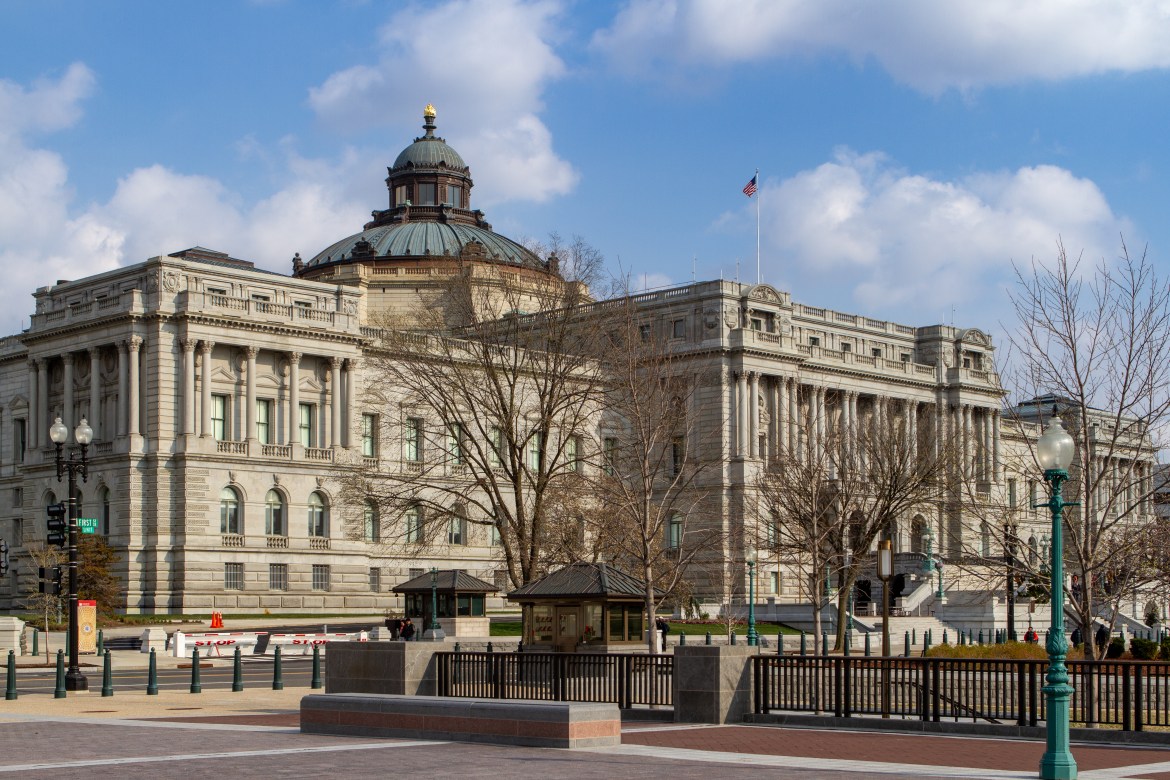
America’s capital rewards thoughtful packing: sunrise at the Lincoln Memorial and Reflecting Pool comes with cool Potomac breezes, while mid-day laps between the Smithsonian museums mean miles on marble and grass. Security lines at the Capitol, Library of Congress, and museums favor compact bags and quick “bin-friendly” setups. Bring water, a packable rain shell (D.C. does surprise showers), and respectful layers for memorials and federal buildings; stash light socks for any sacred spaces. Sidewalks and granite steps get slick in mist or cherry-blossom season, so wear grippy walking shoes and keep a soft lens cloth handy—pool spray and spring pollen love your front element. Use low-key stabilization (handrails, columns, short tripod legs) since full rigs are restricted inside most museums and can be awkward on busy memorial steps.
👉 The Nomad’s Kit: Gear That Earns Its Miles
Canon RF 15–35mm f/2.8L — Own the vastness of the Lincoln and WWII Memorials, frame the rotunda of the U.S. Capitol, and capture long, reflective pools without backing into tourists or water.
Canon RF 24–105mm f/2.8L — Your Smithsonian-to-street workhorse: portraits on the Mall, mid-tele details on National Gallery columns, and quick café vignettes in Eastern Market.
Canon RF 100–500mm f/4.5–7.1L IS USM — From Arlington House or the Belmont–Paul steps, compress the skyline of domes and monuments; snag candid moments on the Tidal Basin without intruding.
Lowepro ProTactic BP 350 AW III — Slim, security-friendly, and museum-compliant; slides through bag check and keeps filters organized for fast pivots from galleries to monuments.
Peak Design Travel Tripod — Perfect for blue-hour symmetry at the Reflecting Pool or Memorial Bridge light trails; many interiors and some memorial plazas restrict full tripods—be ready to go handheld.
JOBY GorillaPod 3K Kit — Clamp to railings along the Tidal Basin or Kennedy Center terrace for steady long exposures—tiny footprint, rock-solid when the Potomac breeze kicks up.
Cut Glare. Shape Time. Make Every Frame Sing.
D.C. gleams—polished marble, glass façades, water mirrors, and flagstone after rain. A circular polarizer tames hotspots on monument marble and museum glass while deepening cherry-blossom pinks and Potomac blues. A variable ND lets you slow the city’s cadence: soften fountain spray at CityCenterDC, ghost the crowd on Lincoln’s steps, or streak headlights down Pennsylvania Avenue while the Capitol dome stays razor-sharp.
🌸 Control Reflections & Punch Up Color
Circular Polarizer Filter — Knock glare off the Tidal Basin to reveal cloud reflections around Jefferson Memorial, enrich spring blossoms and autumn foliage, and calm museum window glare. Pro tip: rotate gently—too much polarization can blotch big skies and dull the marble’s elegant sheen.
⏱️ Paint Light Through Time on the Mall
Neutral Density Variable Filter — Drop 3–6 stops to turn the Supreme Court fountain to silk, blur commuters on K Street crosswalks, and make Memorial Bridge traffic flow into golden ribbons at twilight. Pro tip: start around 1/4–1 s for people-motion; push to 2–10 s for dreamy water and night trails.
Pack both for any trip: the polarizer reveals the scene; the ND sculpts time. Together, they’re a portable “wow” switch.
Photo Policy Reminders — No flash in most Smithsonian galleries, the National Archives, and Arlington’s Tomb of the Unknown Soldier; tripods/stands are restricted inside federal buildings and may require permits on the Capitol Grounds or during events. Drones are prohibited across D.C.’s FRZ/No-Fly Zone. Obey signage and Park Police, keep memorial steps and pathways clear, and be mindful of demonstrations and motorcades that can change access on a dime.
🌤️ When to Go & Weather Sweet-Spots for Washington DC
Marble Glow & Cherry Snow: Timing Your Washington, D.C. Light
In Washington, D.C., the calendar is your lighting assistant. Spring brings the famous cherry blossoms that dust the Tidal Basin in pink and draw sunrise shooters to the Jefferson Memorial. Summer is warm, lively, and festival-rich, with shimmering heat that pushes the best photography to golden hour and blue hour. Fall trades petals for fiery foliage along Rock Creek Park and the C&O Canal, delivering crisp air and velvet light. Winter is quieter, surprisingly photogenic after rain or a light snow, when monuments gleam under cobalt skies and crowds thin to a hush.
| 🌞 Season | 🧘♂️ Vibe Check | 🌦 Rain Factor | 🏛 Tourist Traffic |
|---|---|---|---|
| 🌴 Winter (December–February) | Quiet monuments, crisp air, occasional snow-dusted scenes; great for reflective, crowd-free frames. | Low overall; short showers and cold snaps possible—pack a warm layer. | Low outside holidays; easy sunrise setups on the National Mall. |
| 🌸 Spring (March–May) | Cherry blossoms, soft pastels, festival buzz; sunrise serenity if you arrive early. | Moderate; passing fronts during bloom window—bring a light rain shell. | High at peak bloom; book lodging and timed entries early. |
| ☀️ Summer (June–August) | Long days, festival energy, dramatic sunsets; plan indoor Smithsonian breaks midday. | High humidity; afternoon showers or storms common—protect gear. | High; shoot at golden hour/night for cooler temps and better light. |
| 🍂 Fall (September–November) | Amber leaves along Rock Creek and the Tidal Basin; crisp, flattering light. | Low–Moderate; occasional fronts—clear air after rain is gorgeous. | Moderate (peaks on event weekends); plenty of calm dawns. |
🌧️ Rainiest Months: May–July (brief, intense showers; plan indoor museum interludes).
🎯 Peak Tourist Season Months: Late March–April (blossoms) and June–August (summer breaks).
🏖️ Off-Season Sweet Spot Months: November–early December and January–February (quiet paths, moody light).
💡 Insider Pro Tip: After a rain, head to the Reflecting Pool and WWII Memorial—fresh puddles and scrubbed air create mirror-finish shots and saturated marble.
🎥 Reels on the Road
There’s no city quite like Washington, D.C. for cinematic transitions—one moment you’re panning across the Reflecting Pool in sunrise calm, the next you’re tracking jazz beats echoing through U Street after dark. The key to a standout reel here is rhythm: the city’s symmetry, monuments, and fountains lend themselves beautifully to quick cuts and time-lapse flows. Let light shifts do the storytelling—pink dawns, golden domes, and blue-hour monuments all choreograph themselves if you plan your loop. Capture the contrast between stately and spontaneous: joggers at dawn, kids running past fountains, musicians improvising under marble columns.
🎥 Lincoln Memorial Sunrise — Slow pan from the dark marble interior out to the golden Reflecting Pool; pair with soft instrumental or time-lapse of first light striking the Washington Monument.
🎥 Tidal Basin Blossoms — Glide a handheld sequence along low branches at the Tidal Basin, petals drifting across the lens, then tilt up to reveal the Jefferson Memorial dome in morning haze.
🎥 Capitol Reflecting Pool Ripple — Use tripod or stabilizer for rippling reflection symmetry; match ripples to soundtrack beats for a serene, balanced loop.
🎥 World War II Memorial Fountains — Capture slow-motion arcs of water catching sunset flare with the Washington Monument glowing behind; emphasize the shift from daylight bustle to twilight calm.
🎥 Georgetown at Dusk — Transition from cobblestone alleys to riverfront neon, closing with camera tilt to lights reflected in the Potomac. Great for color-grade contrasts.
🎥 National Mall Night Tour Montage — String together quick clips from 10 stops: glowing memorials, bus headlights streaking, and the Lincoln Memorial under moonlight. Add text overlays naming each stop for dynamic travel storytelling.
This two-minute video from Arlington National Cemetery in Washington, D.C. captures one of America’s most solemn and dignified traditions — the Changing of the Guard at the Tomb of the Unknown Soldier. The film opens with a quiet establishing shot of the white marble tomb, surrounded by reverent silence broken only by the rhythmic click of the sentinel’s heels on the black mat. The scene unfolds with precise choreography as the relief commander inspects the oncoming guard — uniform flawless, weapon gleaming, every movement deliberate and symbolic. The camera pans smoothly across the gathered crowd, all hushed in respect, before focusing on the sentinel’s measured march, 21 steps at a time, echoing the 21-gun salute. The second half transitions to the wreath-laying ceremony, where new visitors step forward, guided by an honor guard. The wreath — adorned with red, white, and blue flowers.
🎞️ Frames From the Road: Scenes Worth Stopping For in Washington DC

Behind the Lens
I’m Steve—a retired Army vet who traded ruck sacks for camera bags and now chases light across every latitude I can reach. From 110 point & shoot film camera beginnings to a Canon R5 Mark II and Mavic Pro II drone, I’ve logged shots in 36 countries and all 50 states, squeezing solo photo runs between corporate flights and longer adventures with my wife. Shutter Nomadica is where I share the hits, misses, and field notes so fellow roamers can skip the guesswork and grab the shot!