Maui, Where Sunrise Paints Volcanoes and Waterfalls Perform Encores
There’s a reason they call Maui the Valley Isle — it’s where lush rainforest folds into golden beaches, and every sunrise feels like a secret shared between ocean and sky. This island is pure magic in motion: whales breach offshore, waterfalls tumble through jungled cliffs, and the Haleakalā Crater glows like Mars at dawn. On Maui, time bends — hours stretch, worries dissolve, and every color seems dialed up by the gods themselves.
For photographers and wanderers, Maui is a living masterpiece of contrasts. Chase golden-hour light along the Road to Hāna, where every curve hides a waterfall or hidden cove; stand above the clouds at Haleakalā National Park as the first light ignites the world below; or stroll through Lāhainā’s historic streets, where art, aloha, and ocean air mingle. Evenings bring that signature Maui hush — waves whispering, tiki torches flickering, and skies drenched in tropical watercolor.
The island shines brightest from April–June and September–October, when the weather is warm, the seas calm, and the light turns honey-soft. Fly into Kahului Airport (OGG) — about 45 minutes from the island’s western resorts — and plan four to six unforgettable days. Whether you’re capturing ʻĪao Valley’s emerald peaks, snorkeling at Molokini, or renewing your spirit at a quiet Kapalua sunset, Maui reminds you that paradise isn’t about escape — it’s about coming home to wonder.
🎯 Don’t Miss Shortlist in Maui
If Maui were a film set, the island would be both director and star: Haleakalā calling the dawn cues, the Road to Hāna supplying mist, ferns, and soundstage waterfalls, and Molokini delivering underwater color grading straight out of post. Your job is simple—arrive early, linger late, and let trade winds do the hair light. The list below prioritizes places where light and texture reward photographers while staying traveler-friendly, with clear notes on hours, costs, and on-site savvy so you can spend more time shooting than searching. Consider it your shot list, lovingly road-tested and shoulder-season approved.
Haleakalā Summit Sunrise — A front-row seat to a star being born above the clouds.
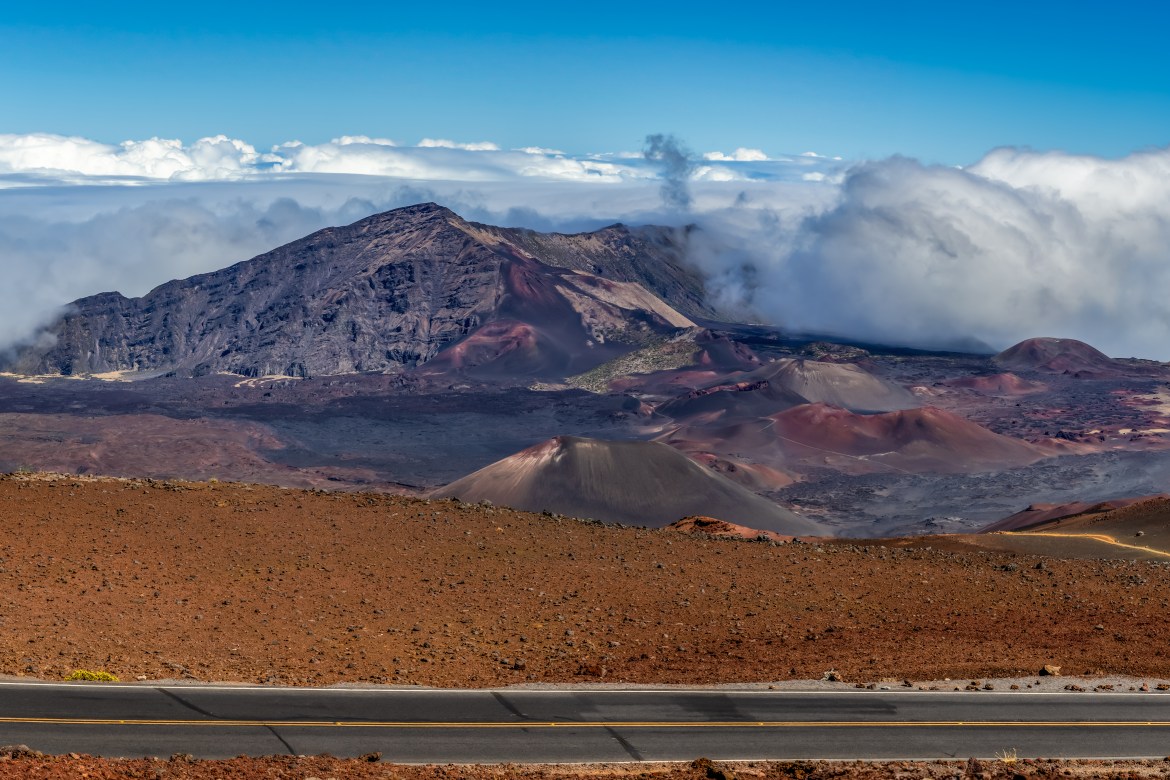
Sunrise at Haleakalā is equal parts spectacle and serenity; skies shift from deep indigo to molten peach as the crater’s ridges silhouette like paper cutouts. Thin air pops contrast, and the first slant of light rakes across cinder cones for that “mini-Mars” texture your sensor craves. Dress like you’re chasing aurora—wind cuts hard up here, and tripods can chatter. If you’re driving yourself, you’ll need a sunrise vehicle reservation (separate from the park entry fee); guided tours handle this automatically so you can focus on composing from Leleiwi or Kalahaku overlooks. Golden rule: arrive at least 60–75 minutes before posted sunrise to claim a safe, stable perch.
🕒 Open: Summit accessible 24/7; sunrise reservation window 3:00–7:00 a.m.
💵 Cost (USD): $1 sunrise reservation per vehicle + standard park entry (commonly $30 per car, valid 3 days).
💡 Insider Tip: Park south of the Visitor Center and walk 3–5 minutes to reduce tripod crowd shake; keep a microfiber handy—windborne grit is real.Road to Hāna & Waiʻānapanapa Black Sand Beach — Lava, surf, and a horizon that refuses to be straight.
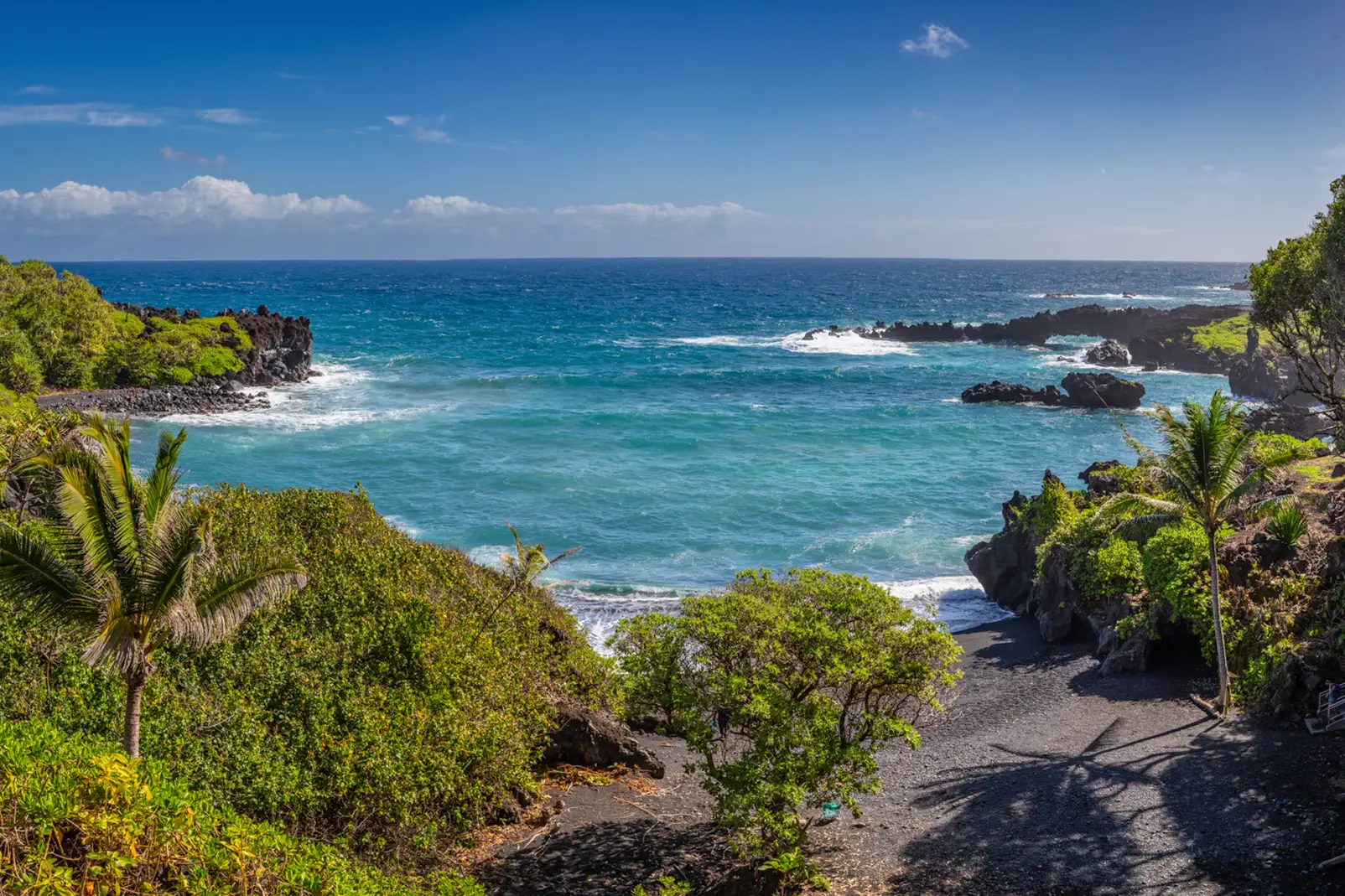
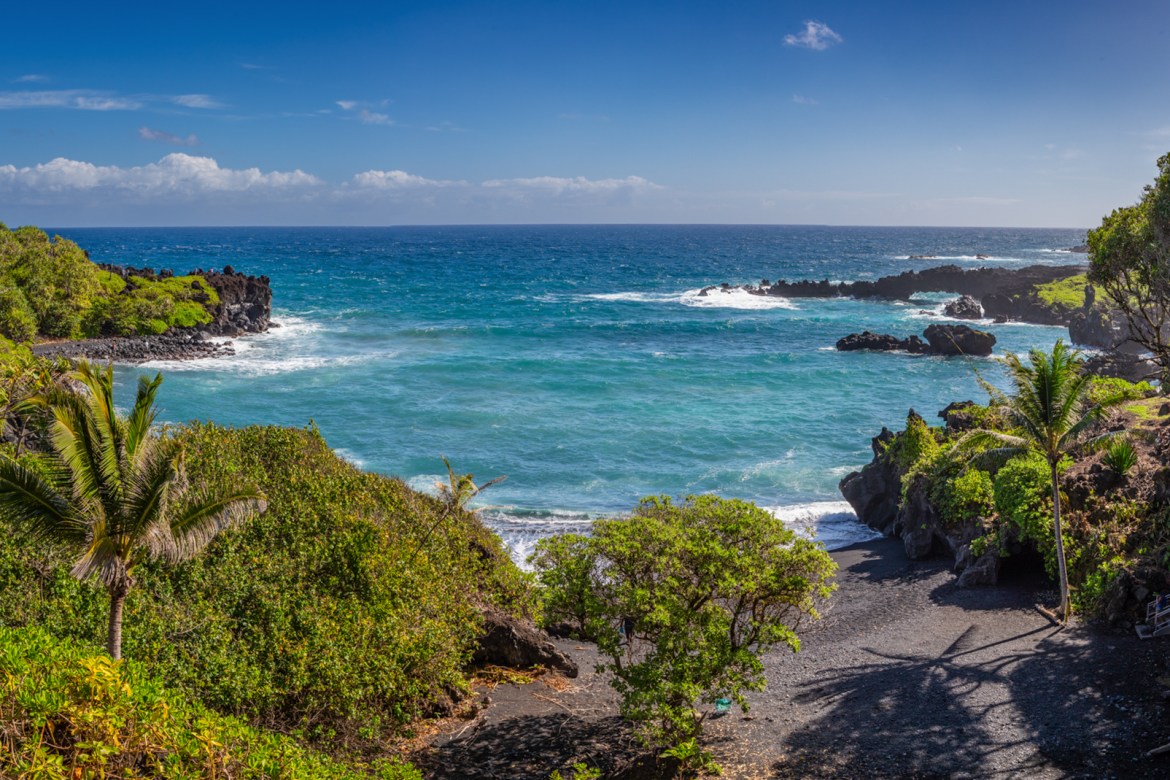
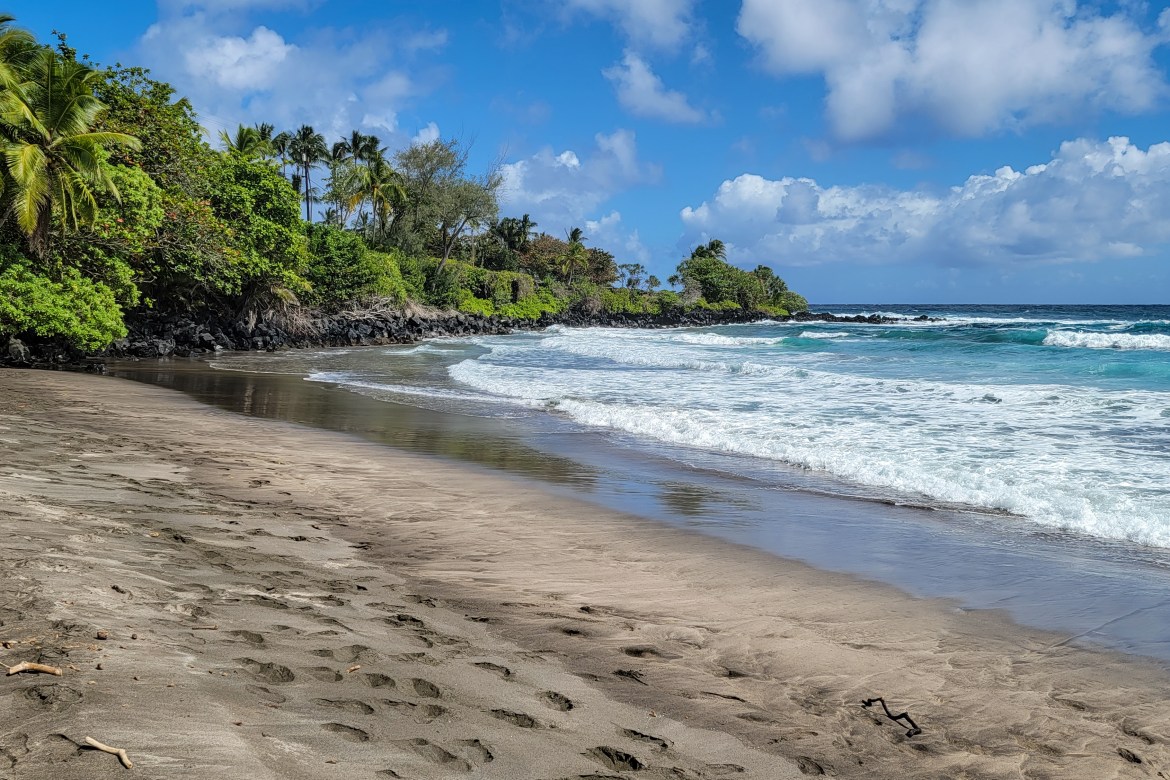
The Road to Hāna is a symphony in curves, but the crescendo is Waiʻānapanapa State Park with its inky black sand and sea arches framed by neon-green naupaka. Strong mid-day glare? Polarizer earns its keep here. Because the park caps attendance, non-resident reservations are mandatory—pair the time slot with your Hāna pacing and leave buffer for one waterfall detour. Early or late blocks translate to softer light and easier parking.
🕒 Open: Daily 7:00 a.m.–6:00 p.m. (last entry window ends 6:00 p.m.).
💵 Cost (USD): Non-resident entry $5 pp + $10 parking; residents free with ID.
💡 Insider Tip: Book the earliest slot, shoot the cove first, then loop back for blowhole and arch when tour groups thin.Pipiwai Trail to Waimoku Falls (Kīpahulu District) — Bamboo cathedrals and a 400-ft ribbon at trail’s end.
In the Kīpahulu district of Haleakalā (past Hāna), the Pipiwai Trail stacks compositions: boardwalks through whispering bamboo, banyan roots like sculpture, then Waimoku Falls plunging into a lush amphitheater. Mist hangs in the air—perfect for contrasty backlight at late afternoon. Trail can be muddy and slick; wide shoes and a lens cloth save the day. Your park pass from the summit works here within its validity window. (Haleakalā entry info/validity via NPS fees page.)
🕒 Open: Daylight hours; check conditions at the Kīpahulu Visitor Center same day.
💵 Cost (USD): Covered by Haleakalā entry (per-vehicle pass window).
💡 Insider Tip: Aim for mid-to-late afternoon when bamboo glows and crowds taper; pack a rain shell for the falls’ overspray.ʻĪao Valley State Monument — Emerald spires and moody cloud drama minutes from Kahului.
ʻĪao delivers maximum payoff for minimal effort: mossy ridgelines, the iconic Needle, and valley fog that drifts like stage smoke. Trails and lookouts are compact, so you’ll be framing within minutes of parking—great for families or tight schedules. Because it’s popular, non-resident reservations are required and often sell out for late morning; sunrise-adjacent slots mean gentler shadows and richer greens.
🕒 Open: Daily 7:00 a.m.–6:00 p.m.
💵 Cost (USD): Non-resident entry $5 pp + $10 parking; residents free with ID.
💡 Insider Tip: Bring a longer focal length (85–135mm) to compress the Needle against cloud layers.Molokini Crater (by boat) — Half-moon caldera, full-color reef.
A marine life conservation district with water clarity up to 100+ feet, Molokini rewards morning departures before trade winds kick up. Boats leave from Mā‘alaea or Kīhei, and the crescent walls block swell to create a painterly blue. Respect the rules—this is a protected area with specific activity limits—and keep your shots steady with a tray or action-cam mount. On choppy days, shoot down-sun for less backscatter.
🕒 Open: By charter schedule (best conditions usually early morning).
💵 Cost (USD): Typical tours ~$130–$200 pp; prices vary by operator and inclusions.
💡 Insider Tip: If you’re prone to seasickness, pre-med and pick a larger catamaran; bring a red filter or set custom WB underwater.Ho‘okipa Beach Park (turtles + wind sports) — Where honu nap and sails dance on the horizon.
On Maui’s North Shore, Ho‘okipa is a live show: surfers and windsurfers trading sets while green sea turtles haul out near sunset. Late afternoon casts soft side-light on the break and on the rocky shoreline for foreground interest. Keep a respectful distance from wildlife—Hawaiian honu are protected—and bring a telephoto if you want intimate, law-abiding portraits. County pages list park details and access; evenings are prime for turtle viewing.
🕒 Open: Commonly posted around 7:00 a.m.–7:00 p.m. (confirm locally; lifeguards daytime).
💵 Cost (USD): Free.
💡 Insider Tip: Shoot from the overlook first to scout sets and turtle clusters, then drop to beach level as light warms.Nakalele Blowhole & Acid War Zone — Basalt moonscape with a heartbeat.
At Nakalele Point, the coastline breathes—swell compresses through lava tubes, and a geyser pulses skyward. The hike is short but on jagged lava; shoes with grip are mandatory and you must keep a safe, dry-rock distance (rogue waves are no joke). Low-angle morning light sculpts ridges; overcast days tame highlights on wet rock. There’s no official lot—expect roadside parking and uneven paths.
🕒 Open: Dawn to dusk (unmanaged coastal access).
💵 Cost (USD): Free.
💡 Insider Tip: Bring a cloth for salty mist; set a fast shutter (1/1000s+) to freeze the plume, or drag the shutter with ND for a silky spray ribbon.Pa‘ako (Secret) Cove, Mākena — Maui’s postcard for romance and vows.
Tucked between lava fingers and palms, Pa‘ako (Secret) Cove frames couples beautifully at sunrise or late-day gold—shadowed rock doubles as natural vignetting. It’s tiny, so keep expectations nimble and tread lightly; waves can pound the channel. There’s no dedicated lot; limited street parking or nearby Mākena State Park lots mean an early arrival is your friend. For commercial ceremonies or pro photography, permits apply on many Maui beaches, and Pa‘ako appears on the DLNR’s permitted shoreline list—plan ahead if you’re hiring vendors.
🕒 Open: No posted hours; practical daylight access.
💵 Cost (USD): Free (parking may require paid lot nearby).
💡 Insider Tip: For vow-renewal portraits, time a backlit wave crash just off the lava shelf at golden hour—bring a lens cloth and keep your couple on dry, non-slick rock only.
Our Maui Vow Renewals
Thinking about a beach vow renewal or a sunset recommitment shoot on Maui? Dive into our photo-forward guide—timing, ceremony spots, and lens picks that actually work in island light. Read the full story: Maui Vow Renewal: Sunset, Surf & Soft Light located at Pa‘ako (Secret) Cove, Mākena Cove, Wailea boardwalk
Two Tours I Highly Recommend:
Luxury Helicopter Experience with Hana Rainforest Landing — Aerials over East Maui’s serrated coastline, then a rare touchdown deep in the Hana Rainforest—it’s the kind of perspective that turns “pretty” into jaw-drop. The landing time buys you texture shots of fern fronds, waterfalls, and canyon layers you simply can’t reach by road.
Haleakala Sunrise Spectacular — Legendary Views + Local Breakfast — Skip the 3 a.m. logistics and focus on the light show from Haleakalā’s 10,000-foot summit; breakfast plus park entry are handled, and you’ll get commentary en route through Upcountry. Dress in layers—the wind up top is legendary, but so are the colors.
Hidden Gems Around Maui You’ll Brag About Later
Maui’s headliners get the press, but the island hides a stash of quiet corners where the wind drops, colors deepen, and you get whole frames to yourself. Think Upcountry trails perfumed with eucalyptus, lava peninsulas where waves carve monochrome abstracts, and pocket overlooks that make you pull over just to breathe. These finds won’t stay “secret” forever, but time your visit right and you’ll feel like you’ve unlocked a side door to the island’s soul. Bring curiosity, grippy shoes, and the eternal photographer’s virtues: patience and good light.
Makawao Forest Reserve — Kahakapao Loop
Shaded, ferny, and blissfully cooler than the coast, this Upcountry loop trades ocean vistas for textures: damp earth, mossy trunks, and ribbons of singletrack that curve like brushstrokes. It’s a locals’ favorite for hiking and biking, which means mellow vibes and abundant bird song. Expect moderate grades, portable toilets at the trailhead, and a gate typically open daytime hours—perfect for an unhurried nature session. Shoot low with a wide lens to exaggerate leading lines in the pines.
Best time/shot: Late morning after the mist lifts; play with backlit needles along the Kahakapao boardwalks.Ke‘anae Peninsula (Road to Hāna detour)
A lava finger thrust into cobalt water, Ke‘anae rewards the short turn-off with drama: white surf slamming black rock, sea-spray rainbows, and a low horizon that begs for long exposures. It’s far quieter than many Hāna stops, with easy parking and room to compose foregrounds among boulders—just stay well back from wet, glossy rock. Pan for textures in the naupaka and taro patches to soften your seascapes.
Best time/shot: Mid-to-late afternoon for side light on lava; 0.5–1.3s exposures to silk the sets.Makaluapuna Point (“Dragon’s Teeth”), Kapalua
On West Maui’s tip, trade sand for sculpture: a jagged line of wind-sharpened lava “teeth” marching into the sea. Access is a short walk near Kapalua; parking policies can shift and are increasingly paid in resort zones, so check signage and be respectful. The payoff is graphic—think monochrome studies of rock fins, spray, and cloud bands. Add the coastal labyrinth for a serene, human-scale foreground.
Best time/shot: Early morning for soft contrast on the “teeth”; polarizer on low power to hold wet-rock detail.Hoapili Trail to Hanamanioa Light (La Perouse Bay)
South Maui’s lava coast feels otherworldly—an old King’s Highway route over black flows with tide pools, bleached coral, and, at the end, a lonely lighthouse. It’s hot, exposed, and windy; bring water, sun protection, and sturdy shoes. The textures are unreal for abstracts and leading lines, and on calmer days you’ll catch glassy tidepool reflections. The access road gets rough near the end but is typically passable; go early to beat both sun and crowds.
Best time/shot: Sunrise into golden hour for low-angle raking light across the lava; ND filters for minimalist seascapes.Sun Yat-Sen Memorial Park, Keokea (Upcountry pull-off)
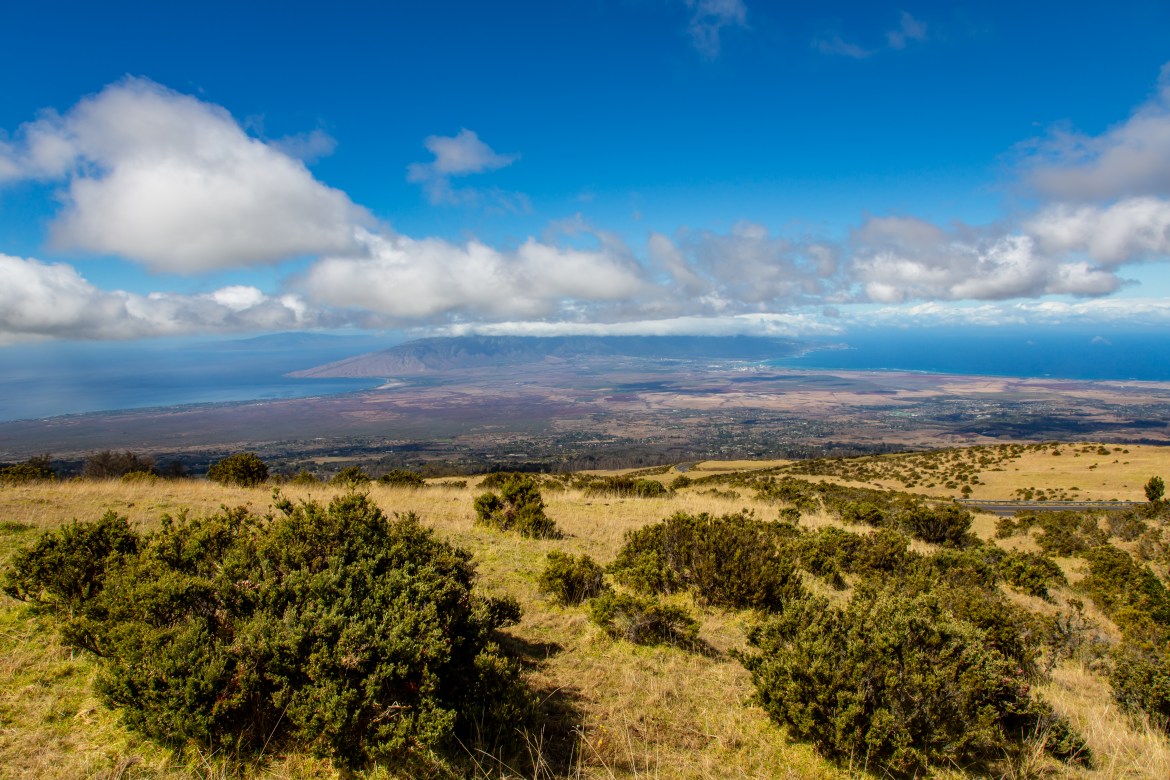
A tiny roadside park with outsized views, this Keokea overlook layers the Central Valley, isthmus, and offshore blues—ideal for telephoto compression and airy panoramas. The site honors the revolutionary leader with statues and a calm, contemplative garden feel; it’s a quiet reset between Upcountry stops (and a superb picnic perch). On clear days after rain, the air snaps into high definition.
Best time/shot: Late afternoon when vog clears and shadow detail returns; stitch a 3–5 frame pano at ~70–105mm.
A few links and ads here are affiliate portals. If you click through and snag something, you’ll be fueling my next photo-quest at no extra cost to you. Thanks for keeping the adventure rolling!
🚖 Best Way to Travel in Maui
On Maui, wheels equal freedom—and more golden hours in your pocket. A rental car is the clear winner for photographers: sunrise at Haleakalā, a meandering Road to Hāna day, and spur-of-the-moment pull-offs when the light turns liquid over sugarcane fields. Rideshares work fine within resort hubs (Wailea/Kāʻanapali) and for dinner hops, but they’re scarce at odd hours and almost nonexistent at trailheads. Public transit (Hele-On) can connect towns, yet timetables aren’t built for dawn raids or waterfall detours. If you’re eyeing mopeds or convertibles, remember: wind, salt spray, and sudden showers are part of the charm—and the challenge—so protect your gear and your hairdo.
Accessibility Notes
Many overlooks at Haleakalā (e.g., summit visitor areas) have paved paths, designated accessible parking, and railings—great for tripod work without rough terrain.
Popular beaches increasingly use accessible features (boardwalk segments, occasional beach-access mats) near resort zones; call ahead to verify setup on your specific beach day.
Snorkel boats often provide flotation aids and ladders; if you’re mobility-limited, look for operators noting accessible boarding and calm-water moorings (morning departures are usually gentler).
The Pipiwai Trail is beautiful but uneven and often muddy; for a forest feel with less commitment, target short paved lookouts (e.g., ʻĪao) and coastal boardwalk segments in Kapalua or Wailea.
Parking & Permits
Haleakalā Sunrise: Requires a sunrise vehicle reservation (separate from park entry). Tours handle this automatically; DIY drivers must book in advance.
Waiʻānapanapa (Black Sand Beach): Non-resident reservations for entry + parking are mandatory—choose an early or late slot for softer light.
ʻĪao Valley State Monument: Non-resident reservations required for entry + parking.
Beach Ceremonies/Pro Shoots: Commercial activity on shorelines typically requires permits (state/DLNR and sometimes county). If you’re booking a vow-renewal vendor or pro photographer, confirm permits are in place.
Beach/Resort Areas: Expect a mix of paid lots and limited free coastal access stalls; obey signage and never leave gear visible in the car (thieves love a tripod silhouette).
Road to Hāna: Park only where legal and fully off pavement; shoulders can be soft, and “one quick shot” can block locals—be cool, pull through, and keep traffic flowing.
🌳 National & State Parks near Maui
Haleakalā National Park (Summit & Kīpahulu Districts)
From lunar cinder cones at 10,000 feet to bamboo cathedrals and a 400-foot waterfall at sea level, Haleakalā is two photogenic worlds in one park. At the summit, pre-dawn pastels ignite the crater while raking light carves razor-sharp shadows across the cinder cones. Down in Kīpahulu, the Pipiwai Trail passes banyans and boardwalks before ending at Waimoku Falls, where mist catches late-day sun like glitter. Note that sunrise requires a separate vehicle reservation in addition to the standard entry pass. Best time/shot: sunrise at the summit (arrive 60–75 min early); late-afternoon glow on the Pipiwai bamboo; signature viewpoint: Leleiwi/Kalahaku Overlooks and Waimoku Falls.
Waiʻānapanapa State Park (Black Sand Beach)
A pocket of jet-black shore wrapped in neon-green naupaka and sea arches, Waiʻānapanapa turns the Road to Hāna into a color-theory masterclass. A polarizer tames midday glare while tide lines and basalt boulders give you instant foregrounds. Capacity is controlled, so non-resident reservations are mandatory—snag the earliest or latest slot for softer light and less bustle. Pair your beach time with the coastal trail for changing angles on blowholes and coves. Best time/shot: golden hours for nuanced texture on lava; signature viewpoint: the overlook above Pailoa (Black Sand) Beach.
ʻĪao Valley State Monument
Minutes from Kahului, ʻĪao serves up emerald spires, a river-carved gorge, and cloud drama that resets every few minutes. The compact trail network means fast payoff for families and tight itineraries, with the famous ʻĪao Needle centered by railings that double as handy tripod braces. Because it’s popular, non-resident entry and parking reservations are required—grab an early slot for richer greens and gentler shadows. Expect slick surfaces after rain and respect closures for restoration. Best time/shot: morning after showers for saturated foliage; signature viewpoint: the main ʻĪao Needle lookout.
Mākena State Park (Oneloa “Big Beach” & Oneʻuli “Black Sand”)
South Maui’s drama queen: a huge amber arc (Big Beach) backed by dunes and ironwood, plus nearby Oneʻuli with chocolate-black sand and lava ledges. Swell and shorebreak can be powerful—great for action frames, but mind the safety signs. Colors pop here, from teal shore-breaks to sienna cliffs on Puʻu Ōlaʻi. Facilities and hours are posted; in summer, closing nudges later. Best time/shot: late afternoon into sunset for side-lit surf; signature viewpoint: south end of Big Beach looking back to the curve and Puʻu Ōlaʻi.
Polipoli Spring State Recreation Area (Upcountry)
At ~6,200 feet, Polipoli swaps palms for redwood, cedar, and pine—a cool, misty contrast to the coast. Trails link into Nā Ala Hele routes, with moody fog banks that make tree trunks glow at golden hour. Nights can be cold (even freezing in winter), and weather shifts quickly, so pack layers and tread carefully on slick leaf-litter. The loop combinations reward texture hunters and intimate forest studies. Best time/shot: post-storm clarity or light fog for atmosphere; signature trail: Polipoli–Redwood–Plum–Ridge Loop (~3.5 mi).
ʻĀhihi-Kīnaʻu Natural Area Reserve (La Perouse)
This protected lava coast is all about raw geology: ropey pāhoehoe, tide-pool mirrors, and coral contrasts in gin-clear coves. It’s hot and exposed—water, sun protection, and sturdy shoes are mandatory—and certain activities are restricted to protect fragile habitat. Visiting hours are posted for the northern, most-visited section; respect closures and stay off living coral. Minimalist seascapes shine here with ND filters and careful footing. Best time/shot: sunrise through early morning for low-angle texture; signature viewpoint: Hanamanioa lava coast near the access path.
Keālia Pond National Wildlife Refuge
Between Kīhei and Māʻalaea, Keālia Pond NWR is a quiet birding refuge where endangered Hawaiian waterbirds mingle with winter migrants. The boardwalk and ponds offer clean reflections at first light, and telephoto compression flattens dune, pond, and mountain layers into graphic bands. It’s a calm, educational stop with interpretive signage—perfect for a breather between beach sessions. Mind seasonal water levels, which change compositions and species. Best time/shot: sunrise for glassy water and active birds; signature viewpoint: the Coastal Boardwalk.
Molokini Shoal Marine Life Conservation District
A crescent-shaped caldera three miles offshore, Molokini is boat-access only and strictly regulated to protect marine life. Visibility often exceeds 100 feet, making it a dream for wide-angle underwater scenes and clean split-shots on rare calm days. Tours depart from Mā‘alaea and Kīhei; morning runs beat the trade winds. Know the MLCD rules—subzones limit where boats and swimmers may go. Best time/shot: early morning moorings before wind; signature viewpoint: inside-crater Subzone A walls for schooling fish.
💵 Sleep • Eat • Move: Cost Breakdown in Maui
Maui Costs Told Straight—Because Island Magic Still Loves a Budget
Maui is worth every sunrise, but let’s talk dollars so your wallet doesn’t catch trade winds. Lodging is the big swing: beachfront addresses in Wailea and Kāʻanapali command premium views and premium prices, while inland condos and Upcountry stays trim costs without trimming charm. Meals range from poke bowls and food trucks to chef-driven luaus, and transportation leans heavily toward a rental car if you want those dawn patrols at Haleakalā and blue-hour dashes along the coast. Activities are gloriously scalable—from free beach days and waterfall hikes to splurge-worthy helicopter flights and small-group snorkel runs at Molokini. Use the table below as your sand-proof cheat sheet.
| 🏷️ Category | 💵 Cost Range (USD) | 📌 What You Get |
|---|---|---|
| 🏨 Lodging — Budget | $120–$220 per night | Inland motels, basic condos, limited hostels; expect AC/fan, simple amenities, short drive to beaches. |
| Mid-Range | $260–$450 per night | Condo resorts in Kīhei or Lahaina area, pools, partial kitchens, walk or short drive to shore. |
| Luxury | $600–$1,200+ per night | Oceanfront in Wailea/Kāʻanapali, premium pools, spas, valet, on-site dining, sunset lawns. |
| 🍽 Meals — Budget | $35–$60 per day | Food trucks, poke, plate lunches, grocery breakfasts; coffee stands and shave ice breaks. |
| Mid-Range | $70–$120 per day | Casual seafood spots, beach bars, café breakfasts, nice dinner 1x/day off-resort. |
| Luxury | $150–$250+ per day | Resort restaurants, chef tasting menus, upscale luaus, specialty coffee & craft cocktails. |
| 🚌 Transportation — Budget | $10–$25 per day | Hele-On bus (limited routes/times), occasional rideshare in hubs; best for non-sunrise days. |
| Mid-Range | $65–$110 per day | Standard rental car + fuel/parking; flexibility for Haleakalā and Road to Hāna pull-offs. |
| Luxury | $150–$300+ per day | Convertible/SUV rental, valet/paid resort parking, occasional private transfers. |
| 🏛 Activities — Budget | $0–$30 per day | Free beaches, coastal walks, waterfall viewpoints; park/day-use fees minimal. |
| Mid-Range | $50–$150 per day | Snorkel trips, kayak rentals, state park entries, farm/distillery tours. |
| Luxury | $250–$450+ per day | Helicopter tours, small-group sails, premium luaus, private photo sessions. |
Average Cost Per Day in Maui
Daily spend on Maui hinges on how you balance oceanfront frills with poke-bowl practicality. A Budget – Wander Smart traveler leans on condo kitchens, sunrise hikes, and one or two paid activities all week. Mid-Range – Wander Well layers in a snorkel tour, a couple of sit-down dinners, and a solid rental car for pre-dawn missions. Luxury – Wander Luxe stacks oceanfront suites, curated excursions (hello, helicopter), and valet ease—because sometimes time is the ultimate splurge. Use these ballpark figures to anchor your itinerary and then flex as light and appetite demand.
| 🧳 Traveler Type | 💵 Daily Estimate (USD) | 📌 What’s Included |
|---|---|---|
| 🎒 Budget – Wander Smart | $140–$220 | Inland/basic lodging, groceries + food trucks, occasional rideshare/bus or split rental car, free beaches & hikes. |
| 🏖️ Mid-Range – Wander Well | $260–$380 | Condo/hotel near shore, rental car, cafés + 1 sit-down meal daily, 2–3 paid activities (e.g., Molokini snorkel). |
| 🏰 Luxury – Wander Luxe | $520–$900+ | Oceanfront resort, valet, fine dining, premium tours (heli, private sail), spa time, flexible transport. |
🖼️ Maui in Pixels: Bonus Shots
🎉 Local Festivals & Events in Maui
Kapalua Wine & Food Festival (June, Kapalua Resort) — Maui’s swank sip-and-stroll where sommeliers, chefs, and sunset views conspire to ruin you for ordinary weekends. Seminars and tasting tents spread across Kapalua, with evening galas that glow like golden hour. Practical: events sell out—book seminars early. Photo cue: frame stemware silhouettes against the last light over the Kapalua coastline.
Hawaiian Airlines Made in Maui County Festival (November, Maui Arts & Cultural Center) — The island’s biggest maker market: 100+ vendors from Maui, Molokaʻi, and Lānaʻi, ono food trucks, and live music. Friday is a ticketed buyer/preview; Saturday is the big public shopping day—bring a tote and comfy shoes. Practical: Friday preview = thinner crowds; Saturday gates open early. Photo cue: tight details of koa wood grain, woven lauhala, and tote-bag parades at MACC.
Seabury Hall Craft Fair (Saturday before Mother’s Day, Makawao—Upcountry) — A beloved Upcountry tradition on the green, with artisan booths under jacaranda skies and panoramic island views. It’s family-friendly, easy to linger, and a great excuse to explore Makawao galleries after. Practical: arrive for the opening hour to nab parking and shade. Photo cue: overhead shots of color-popped booths and lilac jacaranda blossoms if they’re in bloom.
Festivals of Aloha – Hāna (October, Hāna town & Helene Hall) — A week of parade-and-pahu heartbeat: food contests, talent shows, and a community Hoʻolauleʻa that feels like a hug. Schedules vary year to year—check the lineup, then time your Hāna run to match the events. Practical: book lodging or start early; road time is real. Photo cue: wide portraits of lei, kapa patterns, and the parade rolling past rainforest backdrops.
Maui Marathon (late April, Kāʻanapali) — “Best Run in Paradise” returns with courses skimming ocean vistas and finishing near Kāʻanapali Beach. Even if you’re cheering, it’s a festive island morning with road closures to plan around. Practical: check start/finish maps and park on the mauka (mountain) side. Photo cue: slow-shutter pans of runners against cobalt swells.
World Whale Day & Maui Whale Festival (February, Kīhei/Mā‘alaea) — Celebrations, film nights, and community events honoring humpback season, typically peaking mid-winter. Programming shifts annually, so verify dates with Pacific Whale Foundation as the season approaches. Practical: events cluster around Kīhei and Mā‘alaea—build in parking time. Photo cue: long lenses for breaches offshore and candid festival moments ashore.
Seasonal Open/Closed
Haleakalā Sunrise — Vehicle reservations required 3:00–7:00 a.m.; tickets release 60 days out (with a smaller batch 2 days out). Guided tours include entry. Windchill at 10,000 ft is real—layer up.
Waiʻānapanapa State Park (Black Sand Beach) — Non-resident entry + parking reservations mandatory; book up to 30 days in advance. Hours generally 7 a.m.–6 p.m.
ʻĪao Valley State Monument — Reopened with required reservations for non-residents; slick paths after rain are common.
ʻĀhihi-Kīnaʻu NAR (La Perouse) — Sensitive reserve with posted hours (approx. 5:30 a.m.–7:30 p.m.) and activity limits; expect hot, exposed conditions.
Lahaina Historic District — Recovery continues; access and guidelines evolve as restoration progresses. Check county updates before planning stops in West Maui’s historic core.
Major Sporting Events — The PGA Tour’s The Sentry traditionally opened at Kapalua, but 2026 plans moved amid island drought constraints; check current season news if you’re timing a golf-centric visit.
📸 Essential Photo Tips for Capturing in Maui
Trade Winds, Lava Textures, and Light That Loves Skin Tones
Maui spoils your sensor with variety—Haleakalā’s high-altitude pastels at sunrise, rain-polished bamboo on the Pipiwai Trail, inky surf against Waiʻānapanapa’s black sand, and reef-bright blues around Molokini. Golden hour paints the lava coast at Mākena while sea spray turns to glitter at Nakalele if you catch the blowhole just right. For wildlife moments, sunset at Ho‘okipa often delivers honu (green sea turtles) hauling out—keep your respectful distance and a longer focal length.
I love pairing a wide zoom like the Canon RF 15–35mm f/2.8L for grand landscapes with a sturdy, travel-friendly tripod—hello Peak Design Travel Tripod—for silky water, blue-hour cityscapes, and steady dawn compositions.
| 📍 Where & What to Shoot | ⏰ When to Shoot | 📷 How to Nail the Shot | 🏛 Tourist Traffic | 💡 Insider Tip |
|---|---|---|---|---|
| Haleakalā Summit Crater — cinder cones, cloud deck, pastel horizons | Civil twilight → sunrise | Arrive 60–75 min early; use foreground rock for depth; bracket exposures; keep tripod low to cut wind shake. | High at sunrise | Layer up; pre-compose away from railings for cleaner frames and fewer tripod bumps. |
| Pipiwai Trail & Waimoku Falls — bamboo corridors, banyans, 400-ft waterfall | Late afternoon | Polarizer at low power; 1/4–1/2s for soft water; mind spray—lens cloth handy; step back with 24–70mm for scale. | Moderate → busy | Watch for backlit bamboo glow when sun dips—magical greens for leading lines. |
| Waiʻānapanapa Black Sand Beach — sea arches, blowhole, basalt textures | Golden hour (AM or PM) | Use CPL to tame glare; place a wet basalt boulder foreground; expose for highlights and lift shadows in post. | Reservation-limited but popular | Earliest time slot = softer light + easier parking; scout the coastal trail for arch angles. |
| Ke‘anae Peninsula — lava shore, wave impact, taro fields | Mid → late afternoon | ND filter (0.5–1.3s) for silk; keep feet on dry rock; shoot slightly down-sun to reduce spray sparkle. | Light → moderate | Bring a microfiber—salt mist is constant; compose low for dramatic lava “teeth.” |
| Molokini Crater (by boat) — reef scenes, split-shots, schooling fish | Early morning moorings | Custom WB underwater; try 1/250s for fish; use a dome port for half-and-half frames on very calm water. | Tour-dependent | Pick larger boats on windy days; red filter or RAW helps color balance at depth. |
| Pa‘ako (Secret) Cove, Mākena — vow-renewal portraits, lava frames, palms | Sunrise or late golden hour | Backlight your couple for rim light; expose for skin; keep a safe distance from slick lava ledges. | Low → moderate (tiny cove) | Weekdays are quieter; arrive early to share the cove politely and rotate angles. |
| Nakalele Blowhole — geysering spray, jagged lava, moody seas | Morning into midday | Fast shutter (1/1000s+) to freeze plume or ND for silky stream; keep to dry rock and watch sets. | Moderate | Use a longer focal length from safe distance; stash a rain cover for salt mist. |
| Ho‘okipa Beach Park — turtles at sunset, surfers/windsurfers | Late afternoon → sunset | 70–200mm for respectful wildlife frames; pan surfers at 1/30–1/60s; shoot from the overlook first. | Busy at sunset | Know protected-species distances; a monopod helps for long, low-light pans. |
If your heart is set on a moment that feels intimate and cinematic, Makena Cove (Pa‘ako Beach) delivers: palms whispering overhead, lava rock framing a hidden curve of sand, and the ocean turning to liquid gold at day’s end. We renewed our vows here and gathered everything we learned—best timing, gentle etiquette for sharing the tiny cove, and how to keep the focus on the two of you while the island does the rest.
View Our Makena Cove Vow Renewal
🛡️ Regional Quirks + Practical Tips & Safety in Maui
Maui moves at the speed of aloha—warm, unhurried, and grounded in deep respect for the land (ʻāina) and community. A few courtesies go a long way: smile, say “aloha” and “mahalo,” and keep voices low at sunrise/sunset spots where people come for quiet. Treat cultural sites (heiau, burial grounds) as living places, not backdrops—observe from the edges and skip the posed jump shots. Use reef-safe sunscreen (it’s the law), give protected wildlife like honu (green sea turtles) and monk seals serious space, and pack out everything you bring in. On the Road to Hāna, pull fully into legal turnouts for photos, never stop in the lane, and let locals pass—this is their commute as much as your adventure.
Tipping & Money Notes
💸 Restaurants/bars: 18–22% is standard; counter-service jars are common—tip if service helps you out (custom orders, extra guidance).
💸 Tours (snorkel, sunrise, luau, helicopter): $10–$20 pp for group experiences; more for exceptional crew help or private charters.
💸 Valet/porters: $2–$5 per interaction; housekeeping $3–$5 per day if serviced.
💸 Cash is handy for food trucks, farm stands, and Upcountry markets.
Do’s (Travel With Aloha)
✅ Use reef-safe mineral sunscreen and a rash guard to protect the ocean.
✅ Step aside on narrow trails and offer a friendly “aloha.”
✅ Check ocean conditions and lifeguard flags; when in doubt, don’t go out.
✅ Book required reservations (Haleakalā sunrise, Waiʻānapanapa, ʻĪao) before you go.
✅ Park only in legal spaces and keep driveways/one-lane bridges clear.
Don’ts (Keep Maui Maui)
❌ Don’t touch, feed, approach, or block wildlife—it’s illegal and harmful.
❌ Don’t trespass for “secret” spots—many are private or culturally sensitive.
❌ Don’t stop in travel lanes along the Road to Hāna for photos.
❌ Don’t fly drones in national parks or over crowds/wildlife; many beaches/resorts restrict them.
❌ Don’t leave valuables visible in vehicles at trailheads or beach lots.
Street-Savvy Notes
🔒 Keep gear out of sight; choose busy, well-lit lots and lock up after you step away.
🪨 Lava rock is sharp and slick—closed-toe shoes beat flip-flops on blowholes and tide pools.
🌬️ Afternoon trade winds kick up sand and spray; carry a microfiber and change lenses behind wind breaks.
🗺️ West Maui and Hāna roads bottleneck—start early, refuel often, and download offline maps.
🌧️ After heavy rain, heed flash-flood warnings and closures on waterfall trails—don’t gamble with stream crossings.
🍽 Where to Refuel Nearby
🌺 Where to Refuel Nearby in Maui, Hawaii, Because Aloha Also Means “Order Dessert”
When the trade winds lift and your memory card is full, Maui feeds you like an old friend—bowls of ocean-bright poke, farm-fresh Upcountry plates, and pies so flaky you’ll swear the crust is whispering secrets. The island’s food scene hums between roadside gems and breezy patios, where local fisheries and Upcountry farms keep menus seasonal and vibrant. Expect sauces kissed with lilikoi, smoky kiawe notes on the grill, and sweets that taste like sunshine. Order bravely, share bites generously, and chase it with shaved ice while the sky does its nightly watercolor. Signature bites to watch for: loco moco, garlic shrimp, mac-nut everything, and that perfectly tart lilikoi swirl in your cocktail or shave ice.
🍽 Top Local Restaurants & Their Must-Try Specialties
Mama’s Fish House (Paia) ($$$$) — Oceanfront legend where today’s catch is named on the menu; must-try: macadamia-crusted mahi and the house liliko‘i chiffon dessert.
Tin Roof (Kahului) ($) — Chef-driven comfort near the airport with lines that move fast; must-try: mochiko chicken, garlic shrimp, and a customizable poke bowl.
Monkeypod Kitchen (Wailea) ($$–$$$) — Farm-to-table favorite with live music and breezy patio vibes; must-try: the famed lilikoi foam mai tai and crispy fish tacos.
Haliʻimaile General Store (Upcountry) ($$$) — Plantation-era charmer turned culinary icon; must-try: sashimi napoleon and slow-braised short ribs with island produce.
Ululani’s Hawaiian Shave Ice (Multiple Locations) ($) — Feather-fine ice with house-made syrups; must-try: lilikoi + coconut combo with a creamy snow cap on top.
🥩🥗☕🍰 Savor the Shot in Maui
🏨 Where to Stay: Beds Worth Booking in Maui
You don’t come to Maui just to sleep—you come to drift off to wave music and wake to palm silhouettes against cotton-candy dawn. The island’s stays run the spectrum: Wailea’s polished beachfront cocoons, Kīhei’s practical condo clusters near swimming beaches, and Kāʻanapali’s classic resort strip with those postcard sunsets. For photographers, oceanfront lawns and cliff paths turn into impromptu studios at golden hour; for romantics, torchlit paths and hush-hush coves do the rest. Pick the vibe first—serene Wailea, central Kīhei, or lively Kāʻanapali—then let the light decide the rest of your day.
🌺 Trade Winds, Plumeria Dreams, and Pillow-Soft Sunsets
🏨 Four Seasons Resort Maui at Wailea – Golden-Hour Glam on Wailea Beach
If your love language is service and sunset, this is your address: manicured lawns rolling to Wailea Beach, an adults-only serenity pool that stares down the horizon, and staff who appear with warm towels like friendly magicians. Mornings start soft—paddleboarders gliding through pastel water; evenings end with torches and a sky that fades from mango to merlot. Rooms are hushed and generous, with balconies that double as private lookout decks. It’s splurgey, sure, but the “exhale” factor is off the charts and the location keeps drives short for sunrise dashes and dinner hops.🏨 Wailea Beach Resort – Marriott, Maui – Sunset Lawns & Easy Reef Snorkels
Big, breezy, and perfectly placed on the Wailea coastal path, this resort is a crowd-pleaser without feeling chaotic. Lawns step down to the sea like natural amphitheaters for golden hour, and you can wander to Ulua or Wailea beaches in flip-flops. Families love the pools (including the quiet zones), couples love the fire pits, and everyone loves that you can be eating poke in Kīhei ten minutes after a beach walk. Rooms lean contemporary-island, and many have lanais made for early coffee and late stargazing.🏨 Aston at the Maui Banyan (Kīhei) – Condo Comfort Across from Kamaole Beach II
Friendly, functional, and steps from swim-friendly sand, these condo units are the budget hero that doesn’t feel like a compromise. Studio to two-bedroom layouts mean you can stash breakfast in the fridge, rinse gear in the sink, and still wander to Kamaole II for sunset without crossing a highway. Two pools, grills for low-key dinners, and free parking keep costs sane. It’s not lavish, but it’s honest-to-goodness beach-life value—with golden hour right across the street.
Aston at the Maui Banyan (Kīhei)
Condo Comfort Across from Kamaole Beach II
Friendly, functional, and steps from swim-friendly sand, these condo units are the budget hero that doesn’t feel like a compromise. Studio to two-bedroom layouts mean you can stash breakfast in the fridge, rinse gear in the sink, and still wander to Kamaole II for sunset without crossing a highway. Two pools, grills for low-key dinners, and free parking keep costs sane. It’s not lavish, but it’s honest-to-goodness beach-life value—with golden hour right across the street.
Wailea Beach Resort – Marriott, Maui
Sunset Lawns & Easy Reef Snorkels
Big, breezy, and perfectly placed on the Wailea coastal path, this resort is a crowd-pleaser without feeling chaotic. Lawns step down to the sea like natural amphitheaters for golden hour, and you can wander to Ulua or Wailea beaches in flip-flops. Families love the pools (including the quiet zones), couples love the fire pits, and everyone loves that you can be eating poke in Kīhei ten minutes after a beach walk. Rooms lean contemporary-island, and many have lanais made for early coffee and late stargazing.
Four Seasons Resort Maui at Wailea
Golden-Hour Glam on Wailea Beach
If your love language is service and sunset, this is your address: manicured lawns rolling to Wailea Beach, an adults-only serenity pool that stares down the horizon, and staff who appear with warm towels like friendly magicians. Mornings start soft—paddleboarders gliding through pastel water; evenings end with torches and a sky that fades from mango to merlot. Rooms are hushed and generous, with balconies that double as private lookout decks. It’s splurgey, sure, but the “exhale” factor is off the charts and the location keeps drives short for sunrise dashes and dinner hops.
📸 In the Frame: Our Journey in Maui
⏱️ Quick-Hit Day-Trip Plan for Maui
Sunrise to sunset without the scramble—this one-day Maui plan hits volcano light, Upcountry charm, and a golden-hour beach finale.
Maui rewards early birds and sunset lingerers, so this plan is built around light—and your sanity. We start above the clouds at Haleakalā, glide down for a cozy Upcountry breakfast, pop into emerald ʻĪao Valley, then trade boots for sandals and an easy snorkel in South Maui. The afternoon gives you breezy town time and shave ice, and golden hour lands at Pa‘ako (Secret) Cove before a relaxed dinner in Kīhei/Wailea. You’ll rack up a surprisingly complete day without feeling like you ran a marathon—just promise me you’ll hydrate and build in little pauses to simply…stare.
🕒 3:15 a.m. — Summit Stars & Sunrise at Haleakalā
Set the tone with an above-the-clouds dawn at the Haleakalā summit. Arrive early for civil twilight pastels and pick a wind-sheltered spot near Leleiwi or Kalahaku. Bring layers (it’s cold), a warm drink, and a headlamp for safe footing. After the sun clears the crater, hang ten minutes for the second wave of color—and the soft light raking across the cinder cones is chef’s kiss.
🕒 Open: Summit access 24/7; sunrise reservation window 3:00–7:00 a.m.
💵 Cost: $1 sunrise vehicle reservation + $30 park entry (per car, valid 3 days)
💡 Insider Tip: Park a touch south of the main overlook and walk 3–5 minutes to reduce tripod crowds and wind.
🕒 7:15 a.m. — Upcountry Breakfast with a View
Roll down from the summit into Upcountry where coffee tastes like a hug. Grab a hearty plate at a Kula/Keokea café—think fluffy pancakes, Portuguese sausage, and an ocean–isthmus view that makes you linger. This is your warm-up for the day, so sip slow and let the altitude buzz fade. If jacarandas are blooming, it’s a purple confetti parade along the road.
🕒 Open: Most cafés from ~7:00 a.m. (hours vary by day)
💵 Cost: $12–$22 per person (coffee + entrée)
💡 Insider Tip: Snag an outdoor table; Upcountry mornings are cool and photogenic—perfect for a quick isthmus panorama.
🕒 9:30 a.m. — Emerald Interlude at ʻĪao Valley State Monument
Ten minutes from Kahului, ʻĪao serves emerald spires, mellow pathways, and river soundtracks. It’s a compact stop with big payoff—ideal for stretching legs and resetting your eyes after the summit. Morning light pops the greens, and clouds drifting through the valley add drama. Reserve ahead so you can cruise right in.
🕒 Open: Typically 7:00 a.m.–6:00 p.m.; non-resident reservations required
💵 Cost: $5 per person + $10 parking (non-resident)
💡 Insider Tip: Wear grippy soles—paved doesn’t mean dry; mist makes things slick in minutes.
🕒 11:30 a.m. — Snorkel & Chill in South Maui (Ulua Beach or Mākena Landing)
Trade valley mist for teal water at a calm South Maui cove. Ulua Beach (near Wailea) or Mākena Landing offer easy entries and frequent turtle cameos (respect the distance). Late morning is kindest for wind; stick close to the reef edge for color and schools. Post-dip, rinse off and grab a nearby food-truck lunch.
🕒 Open: Beach parks generally dawn–dusk (facilities vary)
💵 Cost: Free access; optional gear rental ~$15–$20
💡 Insider Tip: If trades are up, skip the swim and do a shoreline stroll—then save the snorkel for another calm morning.
🕒 2:00 p.m. — Paia Stroll & Shave Ice (or Ho‘okipa Overlook)
Aim your wheels to Paia for a breezy wander among surf shops and cafés. If you’re feeling lazy-coastal, detour to Ho‘okipa lookout for windsurfers carving and honu (turtles) snoozing on the sand below (keep your respectful distance). This is prime souvenir and espresso time before your golden-hour finale down south.
🕒 Open: Shops typically 10:00 a.m.–6:00 p.m.; Ho‘okipa daylight hours
💵 Cost: Window-shopping free; shave ice ~$6–$9
💡 Insider Tip: Parking is tight in Paia—use the main lot and walk; at Ho‘okipa, start at the overlook to scout conditions.
🕒 4:45 p.m. — Golden Hour at Pa‘ako (Secret) Cove
Small but stunning, Pa‘ako (Secret) Cove frames palms, lava, and a sliver of sand that glows at day’s end. Arrive early; space is limited and it’s popular for romance and quiet vows (share kindly). Work the angles along the lava fingers, then settle in for the warm, peachy fade. If surf is lively, the backlit spray turns to glitter.
🕒 Open: Practical daylight access; no posted hours
💵 Cost: Free (street or nearby paid parking)
💡 Insider Tip: Keep well back from wet rock—rogue waves happen; weekdays are notably calmer for crowd flow.
🕒 6:45 p.m. — Sunset Dinner in Kīhei or Wailea
Toast the island with a breezy terrace dinner—fresh catch, lilikoi cocktails, and that soft afterglow over the water. Choose Kīhei for casual fish tacos and quick service, or Wailea for a dress-up finale. Make a reservation if you want a sea-view table; they disappear right about the time the sky goes cotton-candy.
🕒 Open: Most restaurants 5:00–9:00 p.m. (later on weekends)
💵 Cost: $20–$45 entrées; cocktails $12–$20
💡 Insider Tip: Ask for outdoor seating downwind—trades can kick up; bring a light layer after dark.
🧳 What to Pack for Picture-Perfect Shots
Sunrise Above the Clouds, Waterfall Mist, and Lava-Coast Sunsets That Glow
Maui is a light-chaser’s playground—Haleakalā’s violet dawn, bamboo-shadowed cascades along the Road to Hāna, and ember-orange sunsets at Kīhei and Lāhainā’s shores. Pack water, a wide-brim hat (plus a warm layer for Haleakalā—yes, even in paradise), and respectful, breathable clothing for temples and cultural sites; tuck light socks if you’ll step into sanctuaries. Footing flips from wet lava rock and red dirt to boardwalks and beach paths, so grippy sandals/shoes beat flip-flops for photo missions. Keep a soft lens cloth ready—salt spray, waterfall mist, and trade-wind dust will find your glass—and rely on low-key stabilization (lava ledges, railings, steady elbows) where tripods can crowd overlooks. Travel nimble and you’ll nail starry pre-dawn on the crater rim, silky greens at Waiʻānapanapa, and golden hour painting ʻĀhihi-Kīnau’s rugged coast.
👉 The Nomad’s Kit: Gear That Earns Its Miles
Canon RF 15–35mm f/2.8L — Ultra-wide for Haleakalā’s crater, blowhole coastlines, and tight banyan-framed scenes where stepping back means “aloha, splash zone.”
Canon RF 24–105mm f/2.8L — Your Hāna-to-hotel workhorse: portraits under palms, mid-tele textures in bamboo groves, and quick café vignettes in Paʻia—no lens shuffle in the trades.
Canon RF 100–500mm f/4.5–7.1L IS USM — From cliff pullouts or beach headlands, compress reef lines and islets; isolate surfers, whales (in season), and ridge silhouettes at sunset from a respectful distance.
Lowepro ProTactic BP 350 AW III — Beach-smart and dust-tough; slides under a lanai chair, keeps filters dry, and makes swaps painless between falls and shore stops.
Peak Design Travel Tripod — Break it out for blue-hour shoreline reflections or Haleakalā night shots; keep legs low and weighted—gusts love tall sticks.
JOBY GorillaPod 3K Kit — Clamp to railings or lava rocks above the tide line for silky water and light trails—tiny footprint, big stability when the trades pick up.
Cut Glare. Shape Time. Make Every Frame Sing.
Maui is mirror-happy—chrome waves, black lava, wet leaves, and resort glass. A circular polarizer tames hotspots and deepens turquoise-to-cobalt water, while a variable ND lets you slow the island rhythm: smooth shore break into satin, melt beach crowds to watercolor, and paint Hāna traffic into elegant ribbons while cliffs and palms stay tack-sharp.
🌊 Control Reflections & Punch Up Color
Circular Polarizer Filter — Reveal reef detail at Kapalua and ʻĀhihi, knock glare off wet lava and tidepools, and hold cloud texture over the West Maui Mountains. Pro tip: rotate just shy of max—keep a whisper of shimmer so that Hawaiian sparkle doesn’t disappear.
⏱️ Drag the Shutter in Broad Daylight
Neutral Density Variable Filter — Drop 3–6 stops to blur waterfalls on the Road to Hāna, smooth sunset surf at Kīhei/Wailea, and turn coastal traffic into golden ribbons. Pro tip: start around 1/4–1 s for people blur; go 2–10 s for dreamy water.
Pack both for any trip: the polarizer reveals the scene; the ND sculpts time. Together, they’re a portable “wow” switch.
Photo Policy Reminders — No flash in small museums and sacred spaces; tripods/stands may be restricted at popular overlooks and crowded beaches. Drones are tightly regulated—assume no-fly in state parks, wildlife zones, and near airports. Respect kapu (restricted) areas, stay behind railings at blowholes and cliff edges, never turn your back on the shore break, and give sea turtles/monk seals wide berth (it’s the law). Maui rewards patience, light layers, and a dry microfiber cloth.
🌤️ When to Go & Weather Sweet-Spots for Maui
Maui’s Light Lab: Trade Winds, Velvet Evenings, and Year-Round Color for Your Lens and Soul
Maui is wonderfully visitable all year, but certain windows turn good trips into great ones. Trade winds shape the days—mornings are often calmer for ocean time, while late afternoons bring that warm, side-lit glow across lava shores from Mākena to Kāʻanapali. Shoulder seasons deliver softer crowds and prices without skimping on beach and hiking weather, and winter swaps snorkels for whale songs and dramatic surf. Aim your itinerary at early and late light each day, and you’ll watch the island repaint itself from pastel dawns to ember-toned sunsets.
| 🌞 Season | 🧘♂️ Vibe Check | 🌦 Rain Factor | 🏛 Tourist Traffic |
|---|---|---|---|
| 🌴 Winter (Dec–Feb) | Whale season, big-wave drama on North/West shores, cooler summit temps on Haleakalā. | Showers more frequent, especially windward/east; many days still offer clear breaks. | Busy around Christmas/New Year; otherwise moderate. |
| 🌸 Spring (Mar–May) | Shoulder-season calm, jacaranda blooms Upcountry, excellent hiking temps. | Generally drier than winter; brief showers keep greens vibrant. | Lighter crowds outside spring break; good availability and rates. |
| ☀️ Summer (Jun–Aug) | Long beach days, lively evenings; trades can be gusty by afternoon. | Mostly dry on leeward coasts; humid in rainforests along the Road to Hāna. | High season for families—book cars, boats, and restaurants early. |
| 🍂 Fall (Sep–Nov) | Soft-focus sunsets, warm water, relaxed pace—prime “just right” island days. | Light showers pop up; still mostly cooperative for beach and boat plans. | Pleasantly light outside holiday weeks; shoulder-season sweet spot. |
🌧️ Rainiest Months: November–March (windward and Hāna side see more frequent showers).
🎯 Peak Tourist Season Months: Late December–early January; June–August; major holiday weeks.
🏖️ Off-Season Sweet Spot Months: April–May and September–October (calmer vibes, better availability, warm water).
💡 Insider Pro Tip: Plan water activities for early morning when seas are typically calmer, then slot hikes, towns, and scenic drives for breezier afternoons—your photos and your sea legs will thank you.
🎥 Reels on the Road
Maui was made for bite-size magic: colors that pop without filters, waves that provide their own sound design, and golden hours that flatter everything. Keep clips simple and sensory—one subject, one motion, one emotion—and let the island do the heavy lifting. A tiny ND helps when the sun is punchy, and a foam windscreen earns its ticket the first time the trades start singing. Capture a few seconds at dawn, noon, and sunset so your edit tells the whole island-in-a-day arc—then stitch with gentle cuts, not whiplash transitions.
🎥 Haleakalā Summit — Sunrise timelapse from blue hour to first light; lock the tripod low and do a slow reveal pan as clouds ignite (pre-dawn → sunrise).
🎥 Waiʻānapanapa Black Sand Beach — POV walk-in from the path to the cove, ending on a wave rushing over basalt for a natural whip-end (early morning or late afternoon).
🎥 Pipiwai Trail (to Waimoku Falls) — Slow push-in through the bamboo with the clack-clack soundtrack; finish on mist drifting at the falls (late afternoon).
🎥 Ho‘okipa Beach Park — Pan with a surfer at 1/30s for motion streaks, then cut to a long-lens sunset shot of honu on the sand from a respectful distance (golden hour).
🎥 Nakalele Blowhole — Safety-first from dry rock: one clip freezing the plume at high fps, one with a half-second blur for contrast (morning into midday).
🎥 Pa‘ako (Secret) Cove — Silhouette spin or gentle parallax around a couple framed by palms and lava; end on the sun dipping behind the point (golden hour).
This one-minute clip at Waiʻānapanapa State Park along the legendary Road to Hāna captures one of Maui’s most mesmerizing contrasts—where jet-black volcanic sand meets impossibly blue Pacific surf. The video opens with sweeping shots of the cove, the waves crashing dramatically against the rugged lava cliffs and spraying white foam across the shore. The rich, midnight-black sand glistens under the sun, creating a stunning juxtaposition of texture and color. Midway through, the perspective shifts to a more intimate view from inside a sea cave.
This 45-second clip from Haleakalā National Park feels like a journey to another planet suspended above the clouds. The video opens with a wide sweep across the volcanic crater—an immense, multicolored basin of rust-red ridges, charcoal dunes, and soft streaks of ash-gray fading into the mist. Wisps of clouds drift across the frame, rolling through the crater floor and dissolving in the morning light, giving the surreal impression of standing above the sky—capturing the quiet grandeur that makes this volcanic summit one of Maui’s most transcendent sights.
Makena Cove, affectionately known as Secret Beach, captures a timeless moment of love and serenity on Maui’s golden coast. The clip opens with the soft crash of waves against black lava rocks as the late-day light turns the water a radiant blue. Laura & I, celebrating thirty years together—share a quiet embrace while the officiant strums “Somewhere Over the Rainbow” on a ukulele, his voice carried gently by the ocean breeze. The camera circles subtly, revealing the cove’s intimate setting: a secluded patch of sand framed by volcanic stone.
🎞️ Frames From the Road: Scenes Worth Stopping For in Maui

Behind the Lens
I’m Steve—a retired Army vet who traded ruck sacks for camera bags and now chases light across every latitude I can reach. From 110 point & shoot film camera beginnings to a Canon R5 Mark II and Mavic Pro II drone, I’ve logged shots in 36 countries and all 50 states, squeezing solo photo runs between corporate flights and longer adventures with my wife. Shutter Nomadica is where I share the hits, misses, and field notes so fellow roamers can skip the guesswork and grab the shot!