Cuba had sat near the top of my travel list for as long as I could remember, but for most of my life getting there as an American wasn’t particularly easy. When the Obama administration began opening additional avenues for authorized travel to Cuba, I didn’t wait around. I booked a flight with American Airlines knowing there was always a chance the opportunity could become more restrictive again.
A few months later I was flying through Miami on my way to Havana for four days with my camera gear and no real agenda other than to explore. When the wheels touched down, I couldn’t stop smiling. I was finally in a place I’d wanted to see for years, and I couldn’t wait to get outside with my cameras and see for myself the streets, architecture, people, and especially the old American cars I’d seen in photographs for so long.
I had deliberately booked a small Airbnb near El Capitolio so I could walk almost everywhere, and that’s exactly what I did. The room was simple but perfect, my hostess couldn’t have been nicer, and within minutes of unpacking my camera gear I was out wandering the streets.
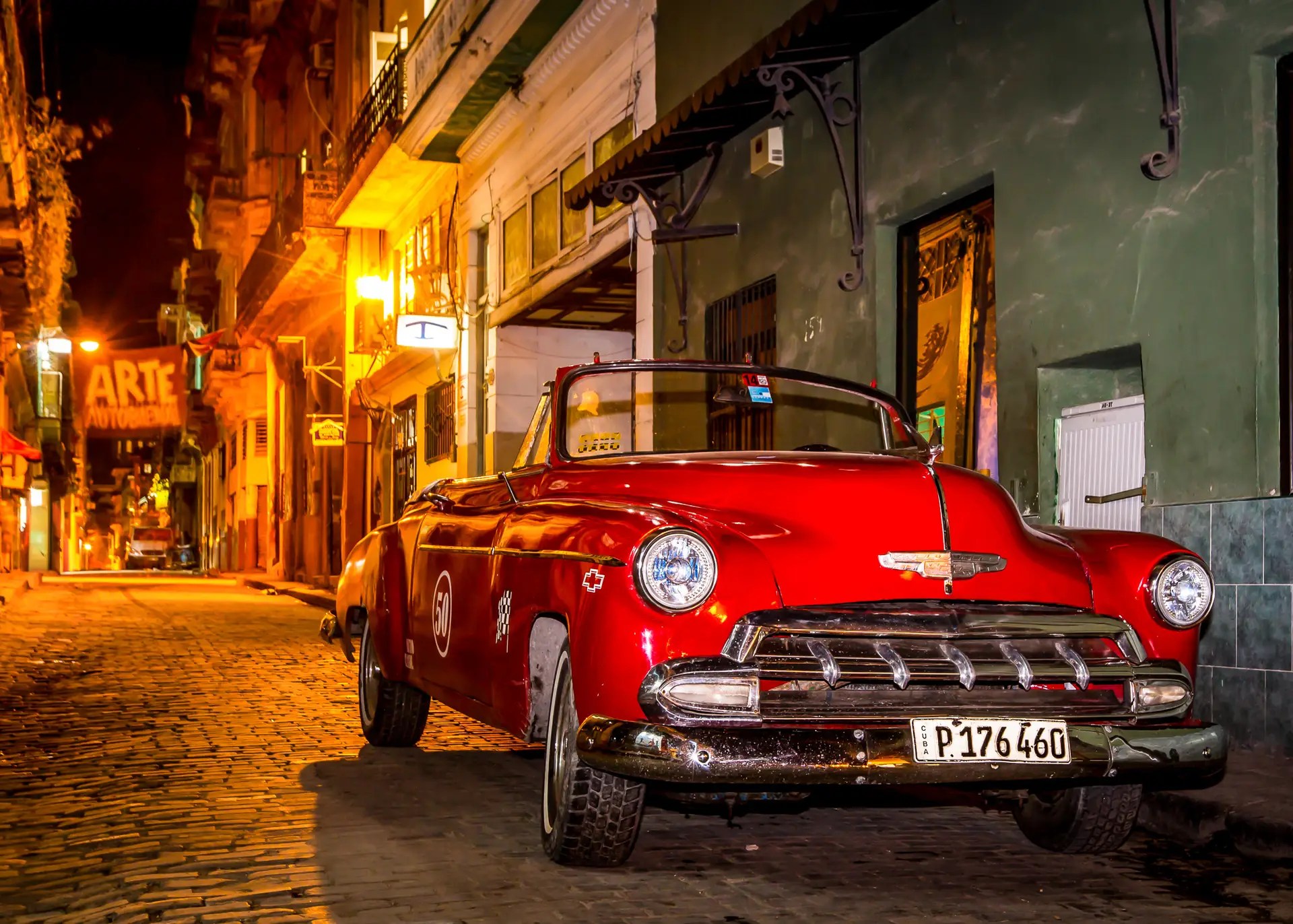
Under the golden glow of Havana’s street lamps, a red Chevy rests on a cobblestone lane. Old Havana’s timeless charm shines alongside Cuba’s classic cars.
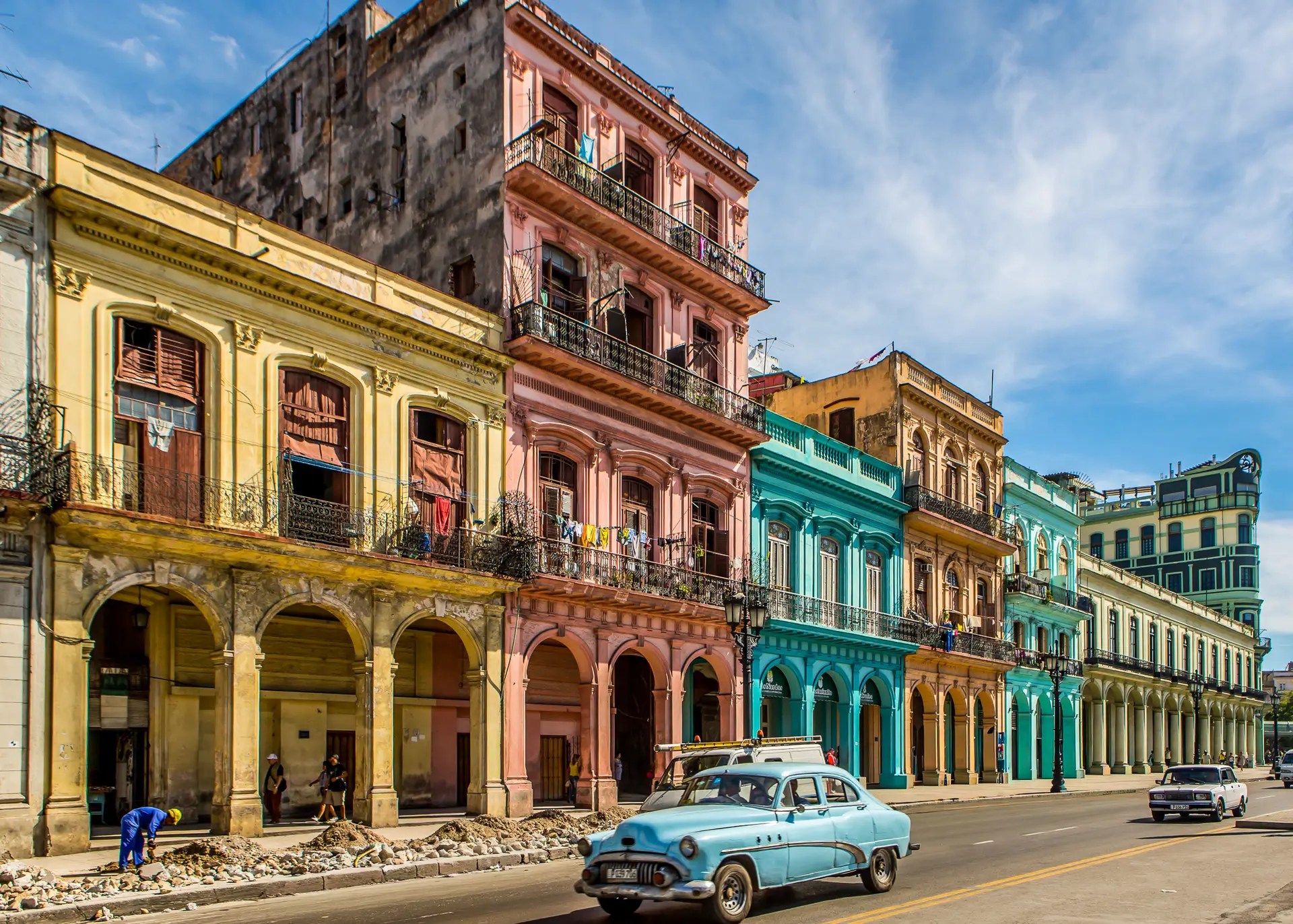
A blue vintage American car passes a row of colorful, weathered buildings in central Havana.
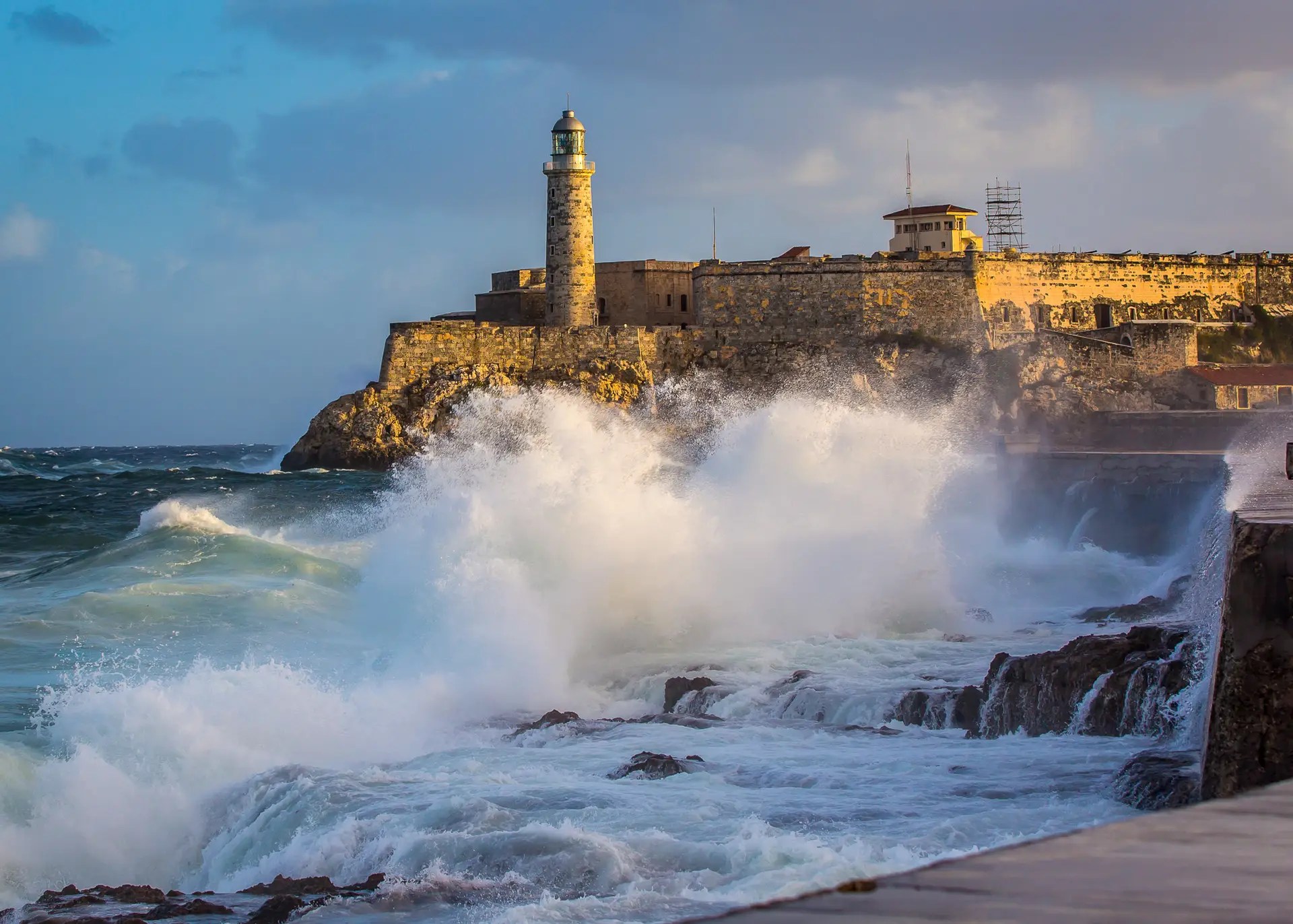
A powerful wave strikes the shoreline beneath El Morro’s lighthouse and fortress walls.
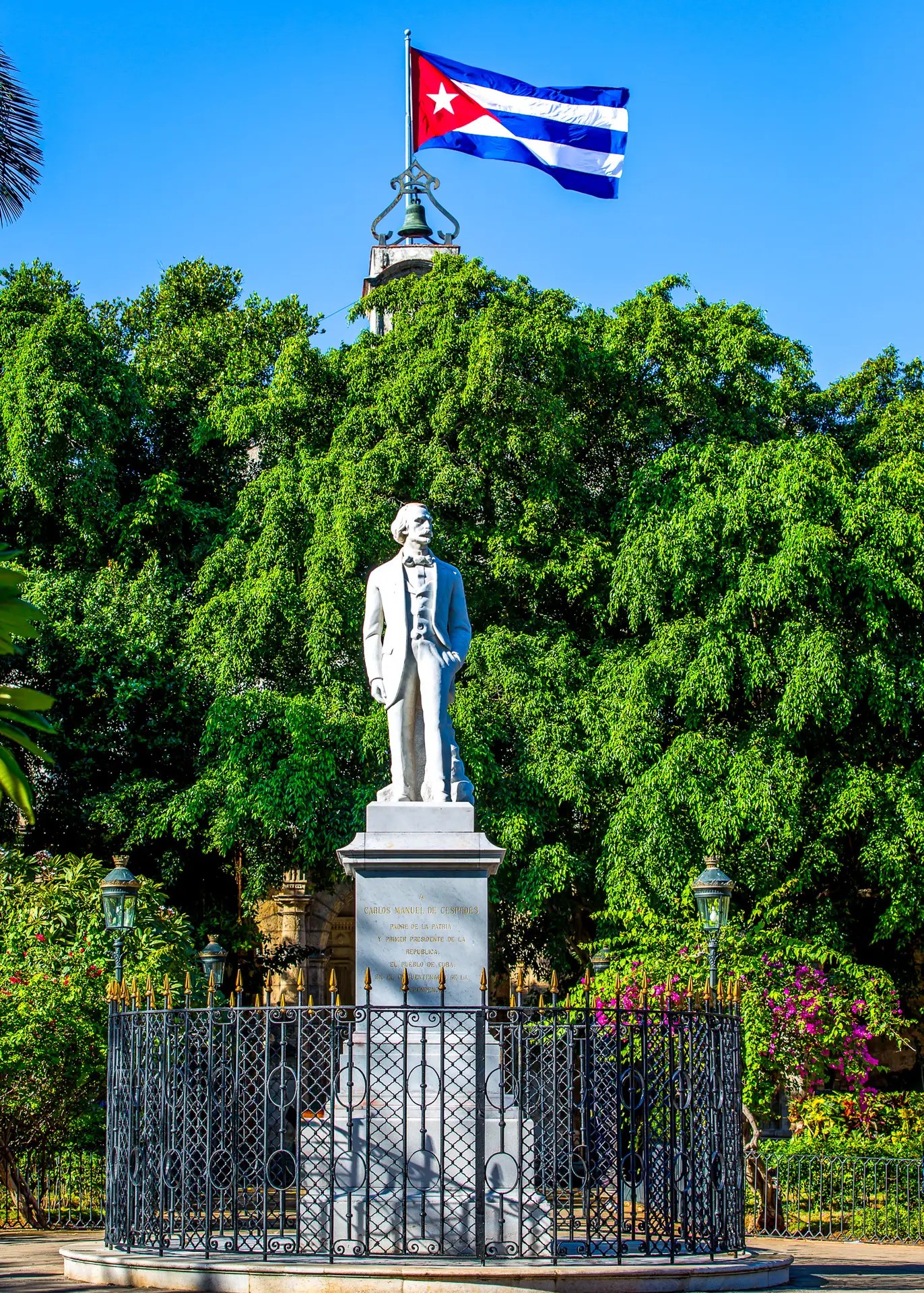
The marble statue of Carlos Manuel de Céspedes stands beneath the Cuban flag in Plaza de Armas.
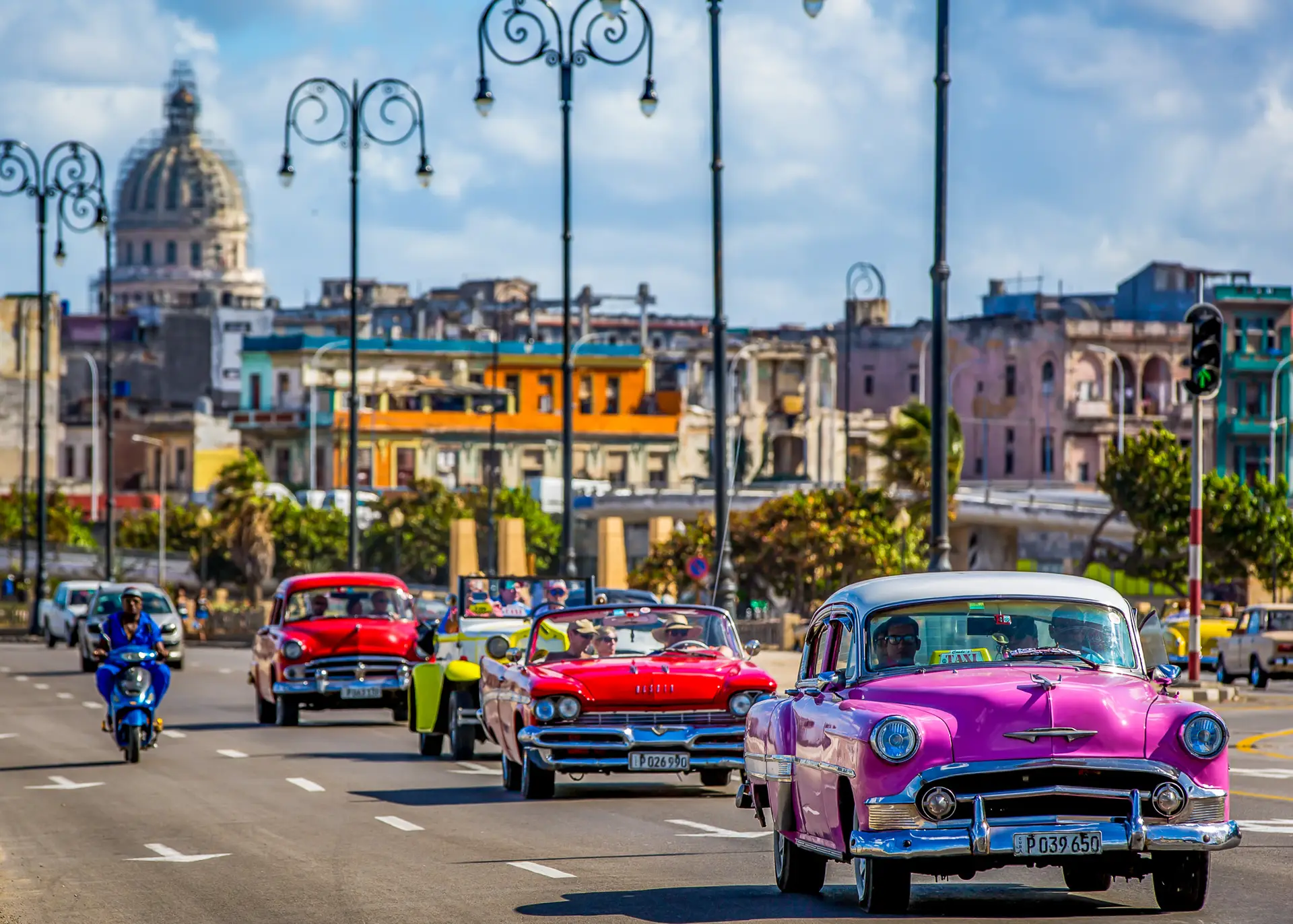
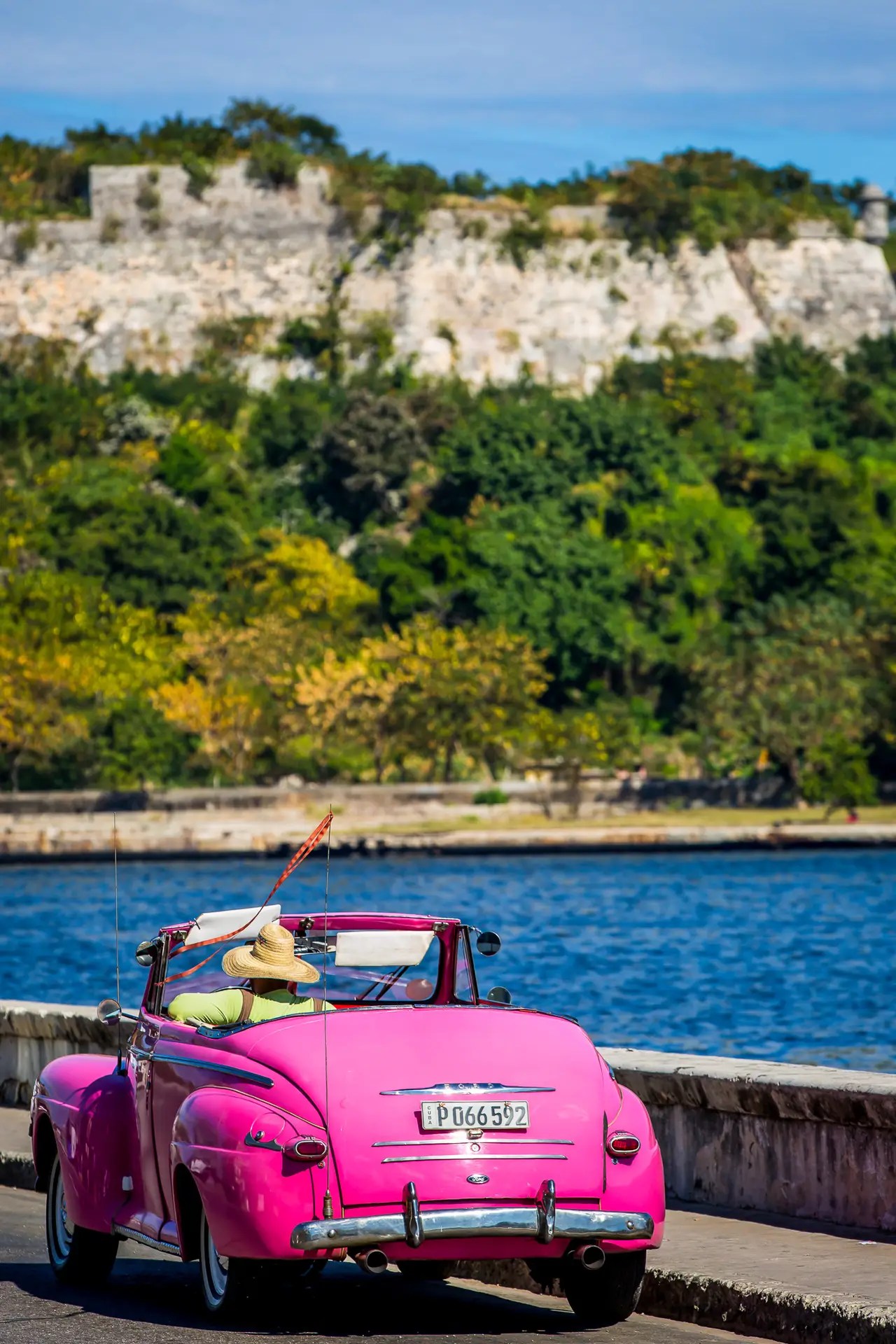
A pink convertible with its driver in a straw hat cruises Havana’s Malecón. The mix of ocean breeze and retro charm defines Cuba’s coastal spirit.
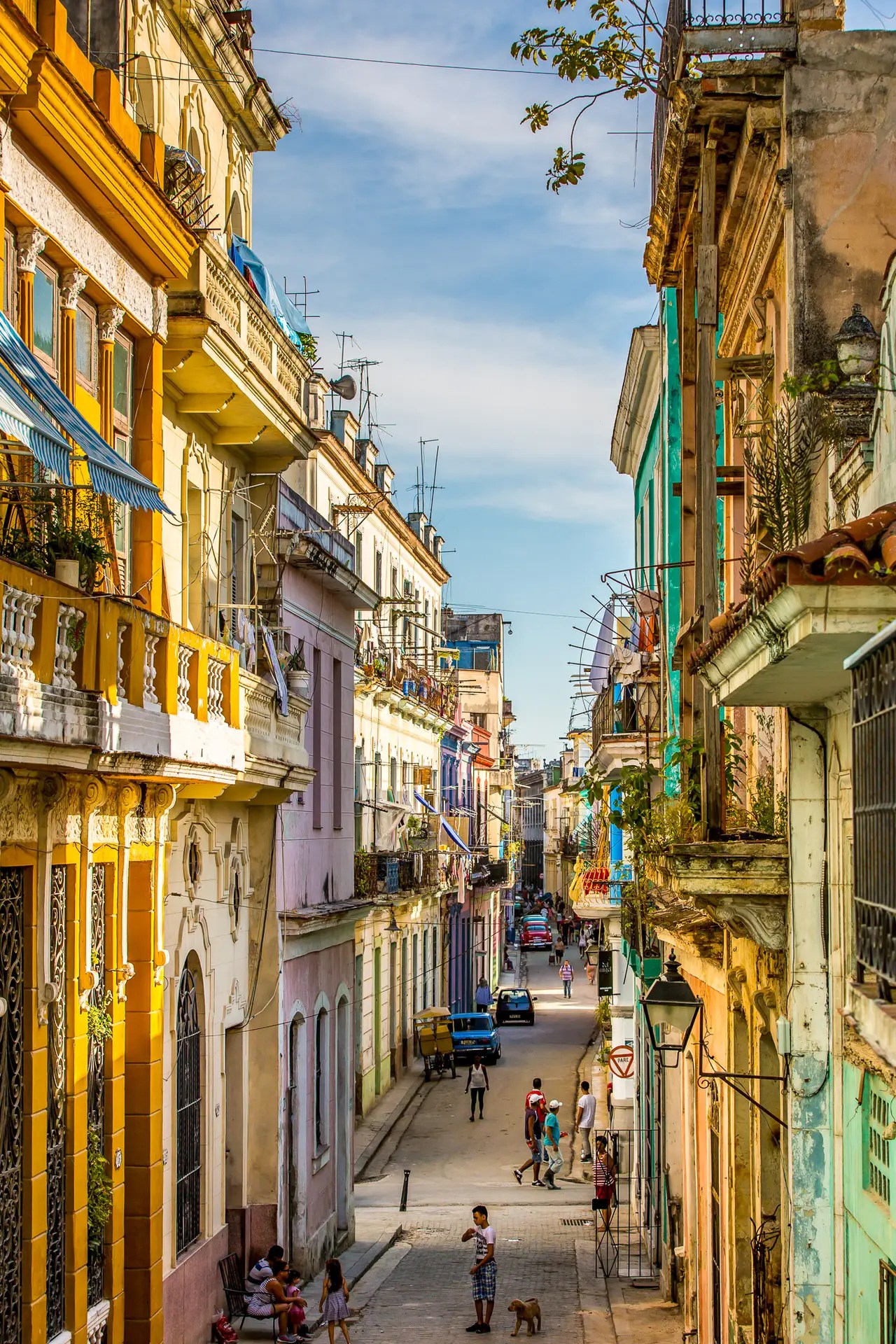
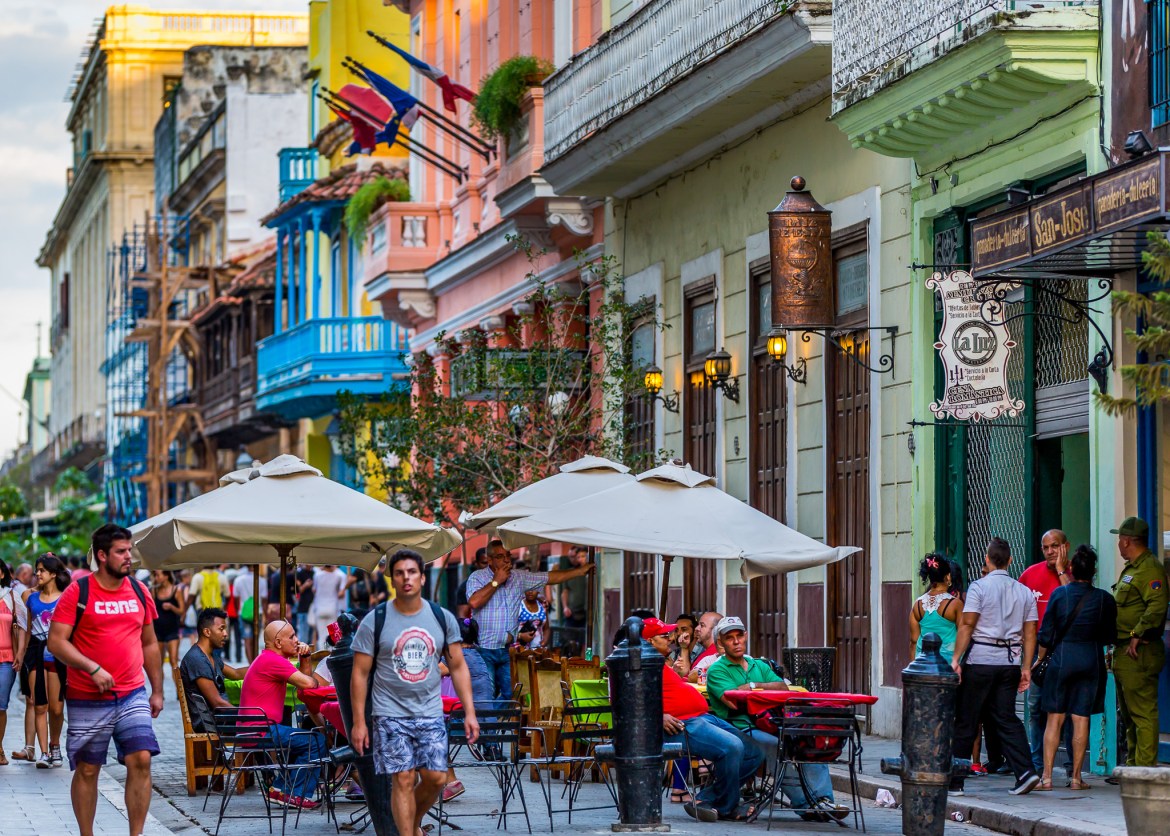
A narrow street stretches between colorful historic buildings in Old Havana.
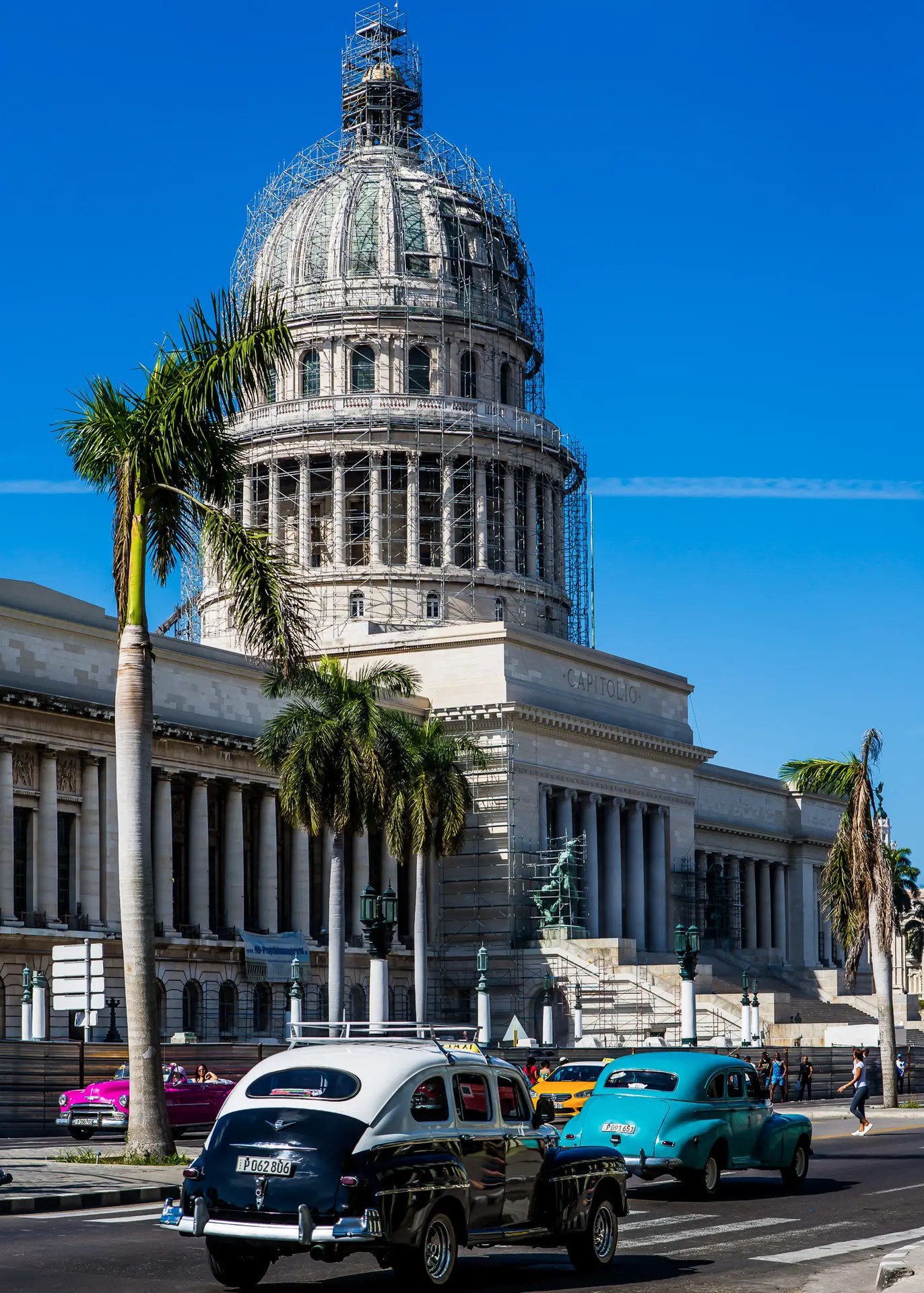
A striking black and white vintage taxi drives past the iconic Capitolio. Classic lines of American steel meet Cuba’s grand political landmark.
Journey Timeline
Day 1 — January 20, 2017
Miami → Havana → El Capitolio → Old Havana
Arrived at José Martí International Airport, made my way to the Airbnb near El Capitolio, unpacked, grabbed my camera gear and headed straight back out. The rest of the day was spent getting my first look at Havana on foot, including El Capitolio, Gran Teatro de La Habana, Parque Central and the surrounding streets of Old Havana.
Day 2 — January 21, 2017
Old Havana → Historic Plazas → El Morro → Havana After Dark
A full day with the cameras, working through the colonial streets and plazas of Habana Vieja before taking in Castillo del Morro and more of the city. Saturday evening ended very differently when my Airbnb hostess invited me to join her and her friends at a local dance club.
Day 3 — January 22, 2017
Paseo del Prado → Malecón → Hotel Nacional Area → Habana Vieja
Another long day almost entirely on foot, beginning around Paseo del Prado and continuing west along the Malecón toward the Hotel Nacional area before turning back toward the historic center. I spent the remainder of the day wandering through the Cathedral and Plaza de Armas areas before eventually making my way back toward Parque Central.
Day 4 — January 23, 2017
Paseo del Prado → Malecón → José Martí International Airport
Everything was packed and I was nearly finished with Havana, but one last cup of coffee turned into an unexpected final run with the camera when rough surf began pounding the Malecón. A few last photographs, one very large wave and a pair of soaking-wet sneakers later, it was finally time to head to the airport.
The Experience, Told Through the Journey
One of the best decisions I made was staying near El Capitolio. I wasn’t interested in spending four days being driven from one attraction to another, and the location gave me the freedom to walk out the door with my cameras and decide where I wanted to go from there. Over the course of the trip I covered more than twenty miles on foot, occasionally grabbing a taxi when I needed one, but most of Havana unfolded one street at a time.
The first thing that grabbed my attention was exactly what I had hoped for: the cars. Old Chevrolets, Fords, Buicks and other American cars from the 1950s and 1960s weren’t tucked away in museums or brought out for weekend car shows. They were everywhere. Some were beautifully restored convertibles carrying tourists while others were simply everyday transportation showing decades of use. I’d wanted to photograph them for years, and suddenly I had trouble walking a block without finding another one I wanted in front of my camera.
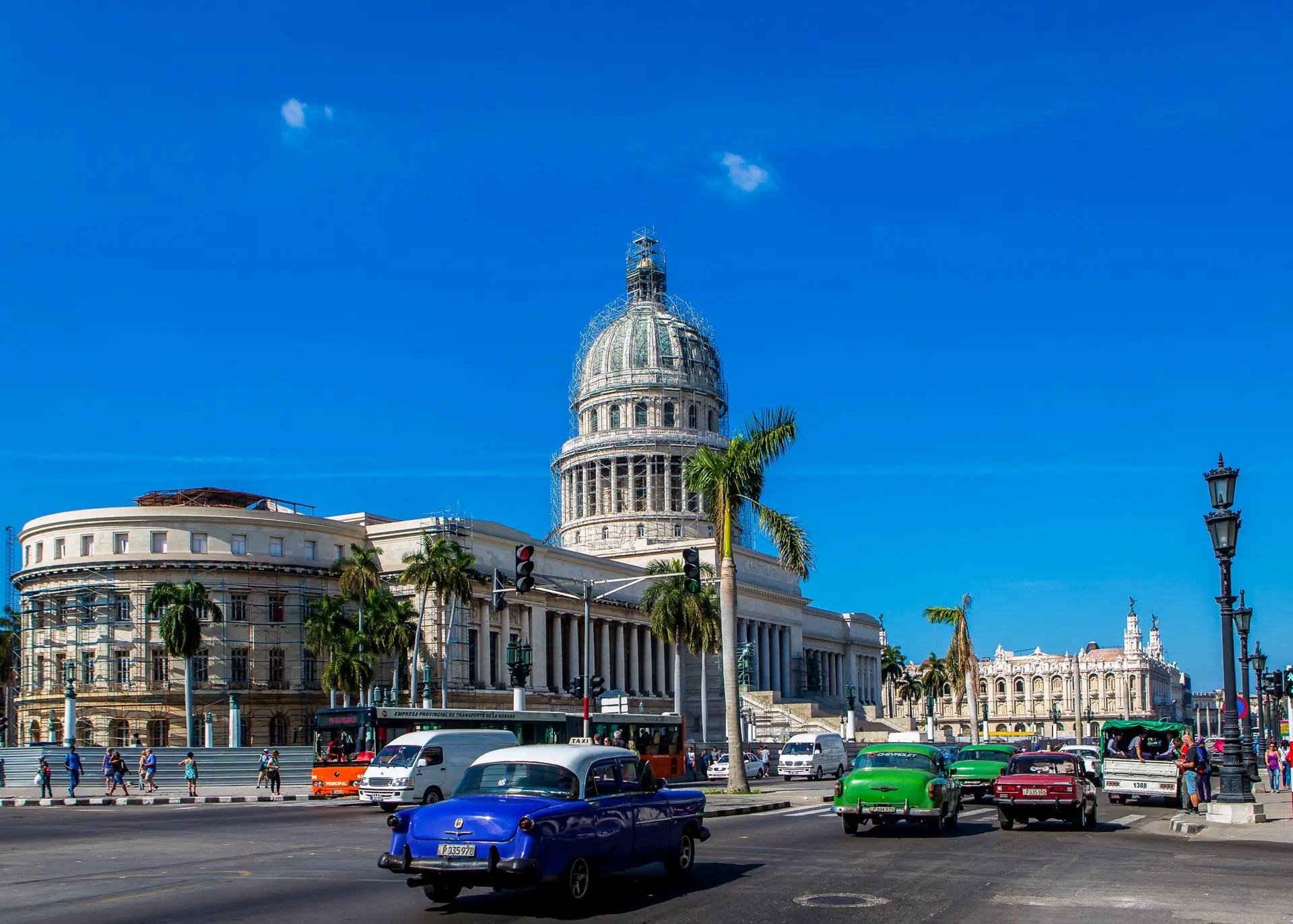
Havana itself gave me just as much to work with. El Capitolio was under restoration during my visit, and construction was taking place in other parts of the city as Cuba prepared for more visitors. Nearby, the Gran Teatro looked incredible from the outside, although I never made it inside for a performance. From there I could walk through Parque Central, follow Paseo del Prado toward the water, disappear into the streets of Habana Vieja or continue toward the Malecón. I rarely had much reason to hurry.
Some of my favorite moments weren’t famous landmarks at all. Near Paseo del Prado I found a small coffee shop with a quiet outdoor courtyard that became part of my routine. Years later, I still consider it the best cup of coffee I’ve ever had. It was a great place to sit for a while before picking up the cameras and heading back out.
A woman wearing an elaborate red ruffled dress sits beside a basket of flowers in Old Havana.
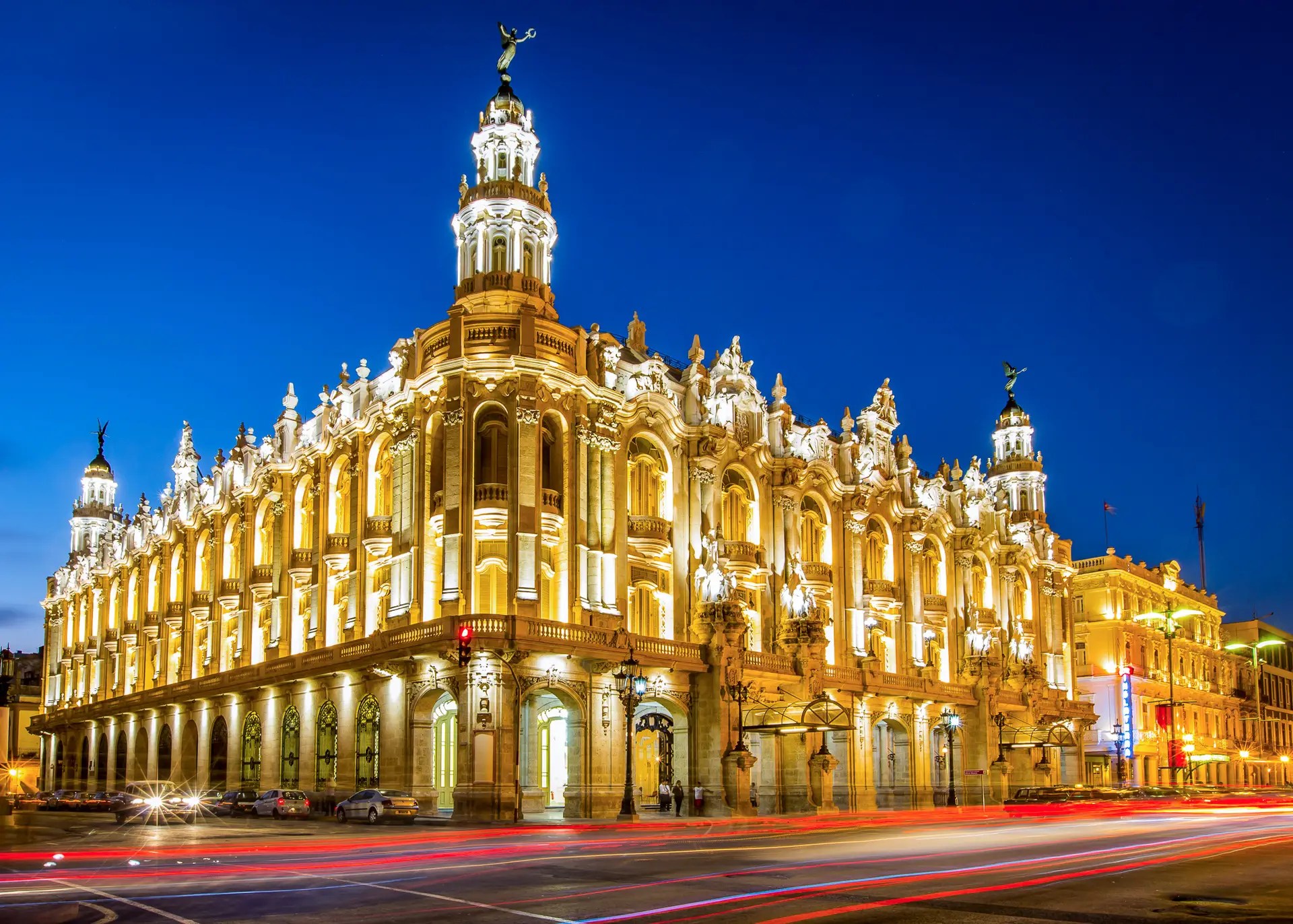
The illuminated tower of the Gran Teatro de La Habana rises above traffic light trails during a long exposure.
Vintage cars travel along the broad roadway in front of El Capitolio in Havana.
A living-statue performer gestures beside a display of cannonballs on a stone street in Old Havana.
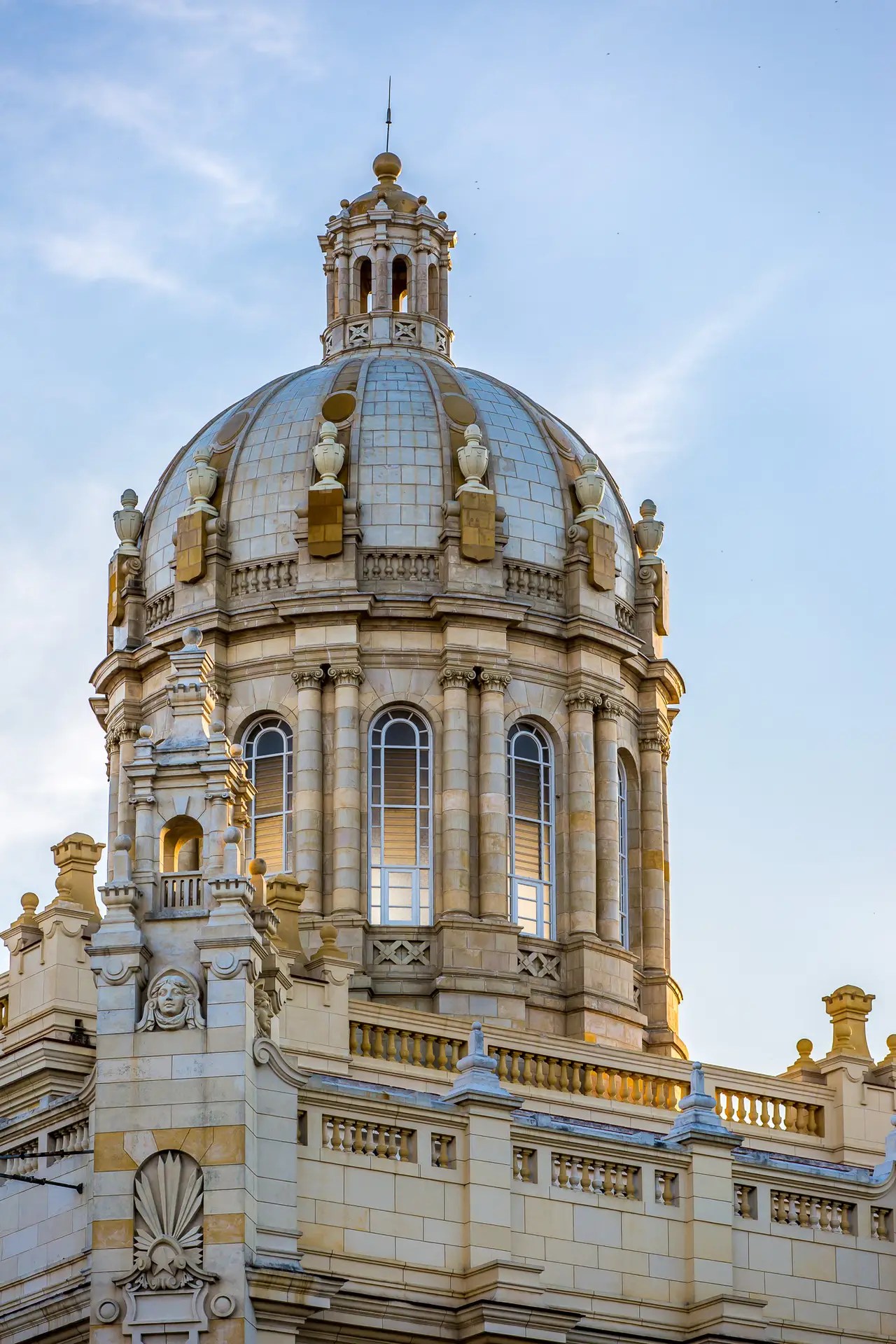
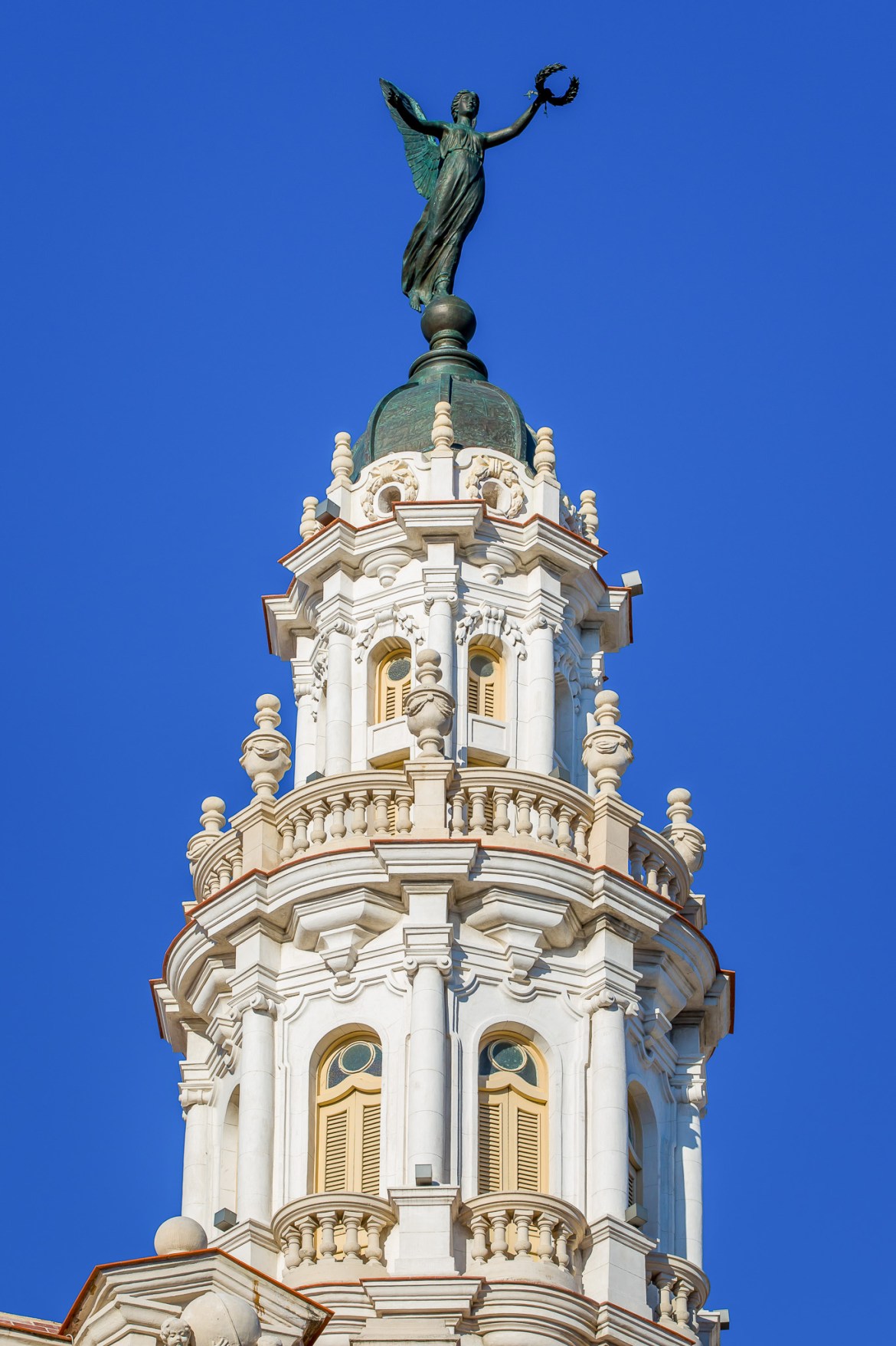
The ornate dome of the Palacio del Centro Asturiano rises above central Havana.
A bronze sculpture and vintage cash register stand behind the bar inside El Floridita in Havana.
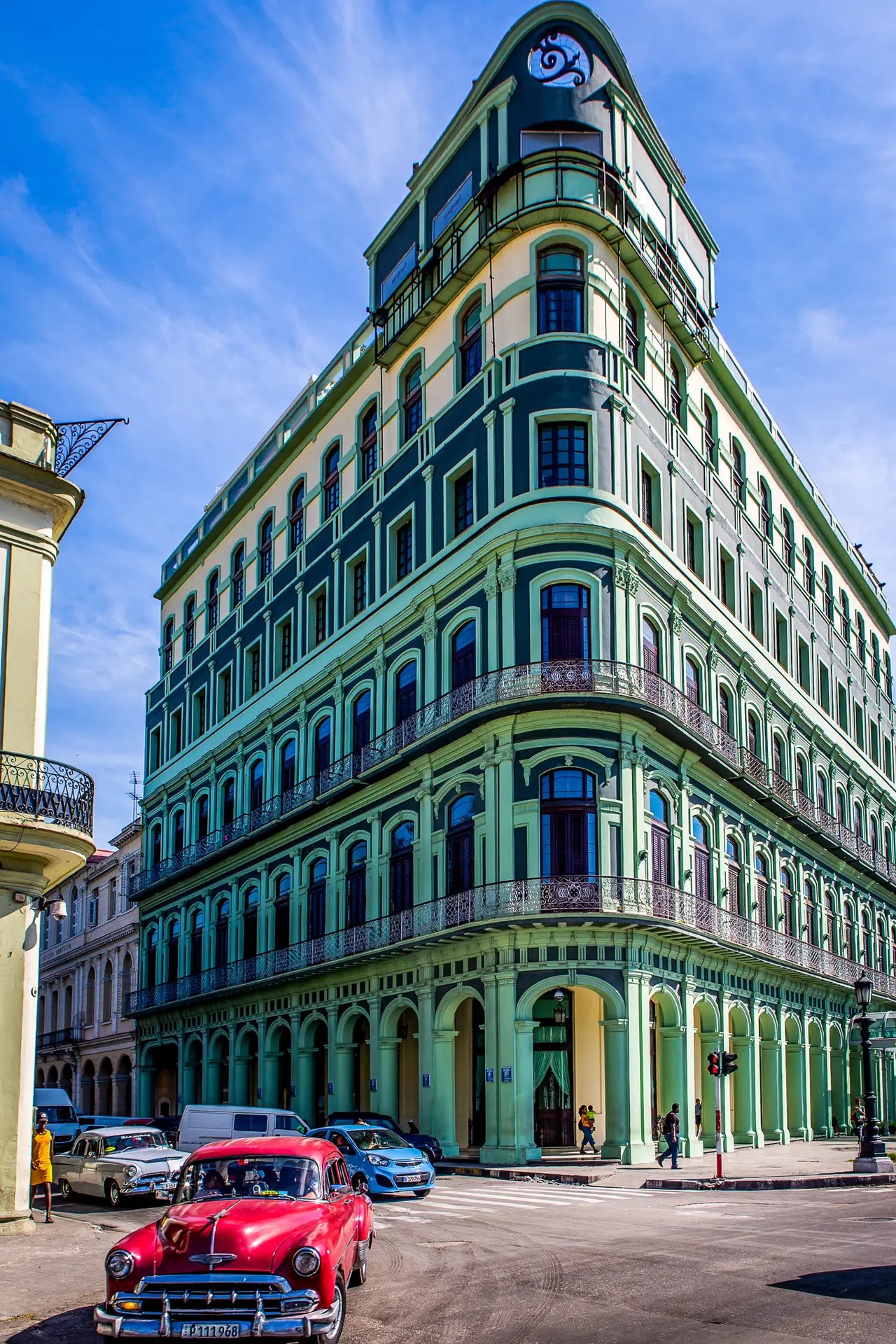
A red vintage car passes the green corner facade of Hotel Plaza in central Havana.
The Experience, Told Through the Journey
The language difference was obvious almost everywhere I went. I’d taken Spanish in high school and college, but very little of it was still useful by the time I arrived in Cuba. Outside of Canadians and some of the more tourist-oriented places, I didn’t encounter many people who spoke much English. Somehow it never became much of a problem. My hostess and I figured things out despite sharing very little language, and most interactions around the city worked the same way.
One of those interactions happened when I stopped at a small bakery and bought a pastry. At the time, Cuba still had separate currencies commonly encountered by visitors and locals, and the only money I had with me was a tourist CUC note that was too large for the baker to change. I tried to explain that he could just keep the difference—it amounted to very little in U.S. dollars—but he wouldn’t take it. Instead, he handed me the pastry and insisted I take it. It was a tiny part of four days in Havana, but it’s one of the things I still remember.
Havana changed once the sun went down. Restaurants and clubs filled with music, people danced, and I could walk for blocks hearing one live performance after another. Saturday night my hostess decided I needed to see a little more of that side of Havana and invited me out with her and several friends. The club itself wasn’t dramatically different from one I might have visited back home, but the music certainly was, and spending the evening with the people whose home I was staying in gave me an experience I never would have found by planning the night myself.
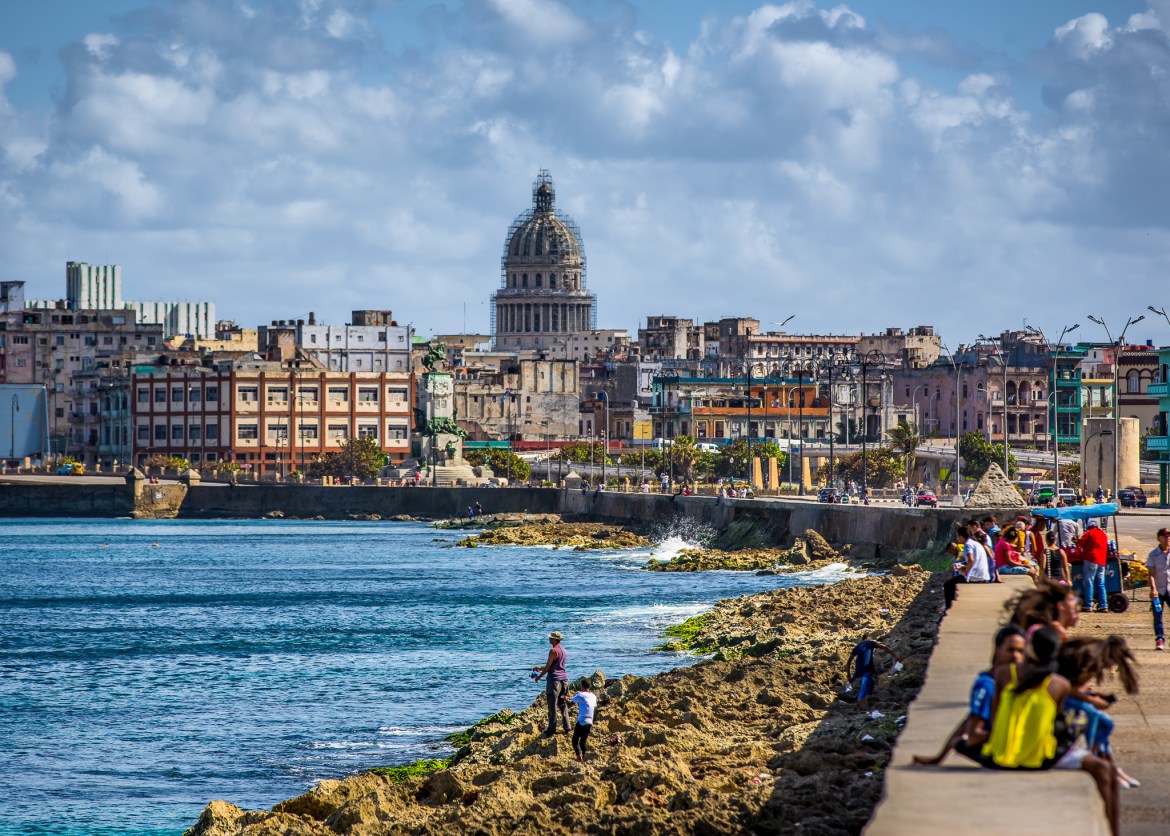
I also spent plenty of time along the Malecón. During the day it gave me another side of Havana to photograph, and after dark I could set up the tripod and slow everything down, letting the movement of the water blur against the seawall. I had no idea when I was making those photographs that the Malecón would also provide the ending to the trip.
On my final morning I was already packed and had only a few hours before I needed to leave for the airport. I went back for one last cup of coffee and kept hearing an enormous crashing sound in the distance. Eventually curiosity won, and I walked toward the Malecón to see what was happening. Huge waves were pounding the shoreline, and of course my camera was sitting back at the Airbnb.
There wasn’t much debate about what happened next. I walked back, grabbed one of the 5D Mark IIIs and headed for the seawall. I kept getting closer as I photographed the surf until I finally caught the wave I wanted exploding against the Malecón. A few seconds later another one came over the wall and completely drenched me.
At that point there wasn’t enough time to do much about it. I hurried back to the Airbnb, dried myself and the gear as best I could, grabbed my bags and headed for the airport in wet sneakers. It wasn’t exactly how I’d planned to leave Cuba, but I wouldn’t change it.
A hot pink convertible stands proudly as a local leans casually outside the Castillo de Farnes bar. Havana nightlife and classic cars are an irresistible combination.
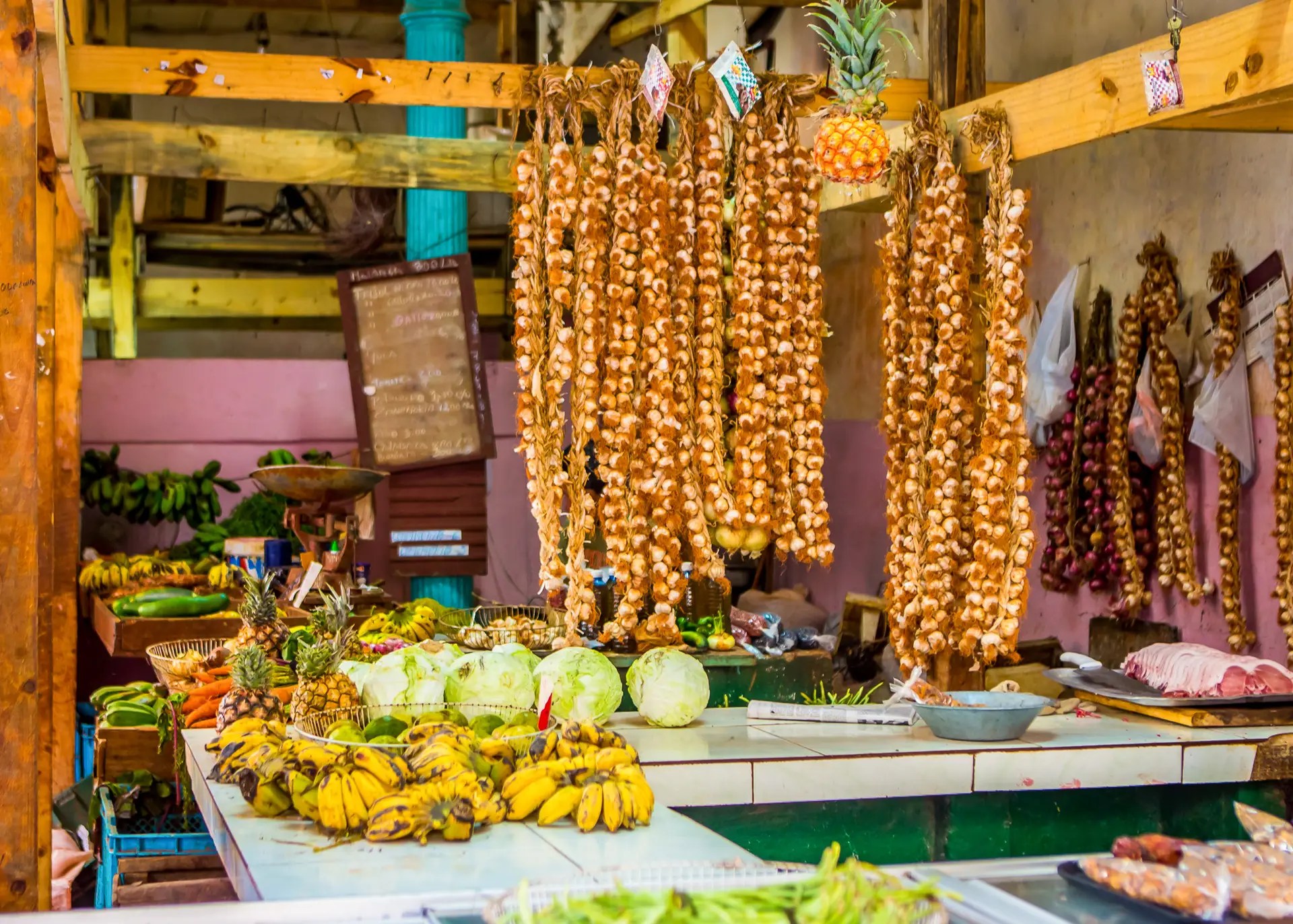
Meat, Fruit and Vegetable Market with tropical locale products in Havana, Cuba
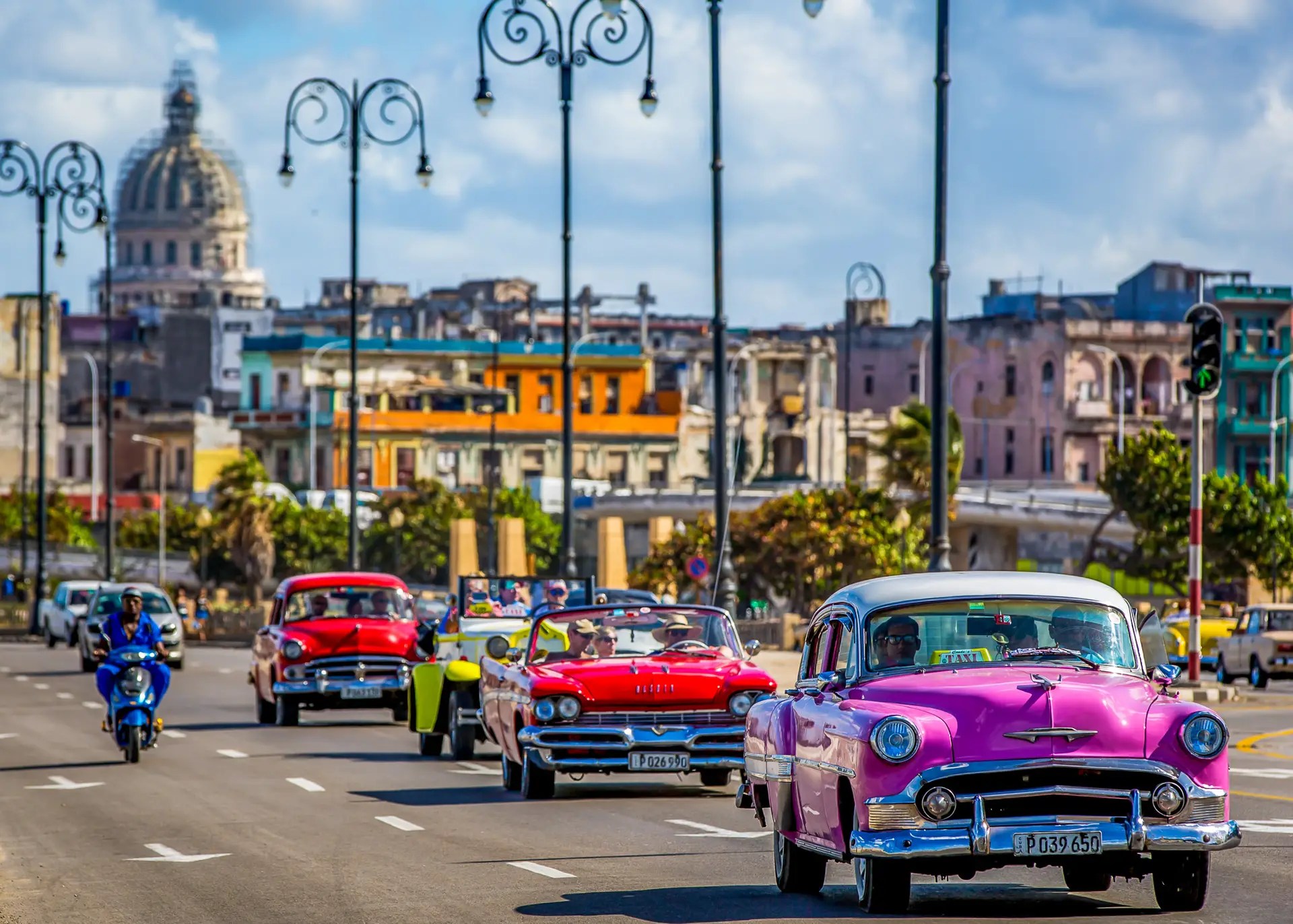
A vibrant pink Chevrolet rolls proudly along the Malecón as Havana’s skyline and El Capitolio frame the road. This scene epitomizes the colorful energy of Cuba’s capital.
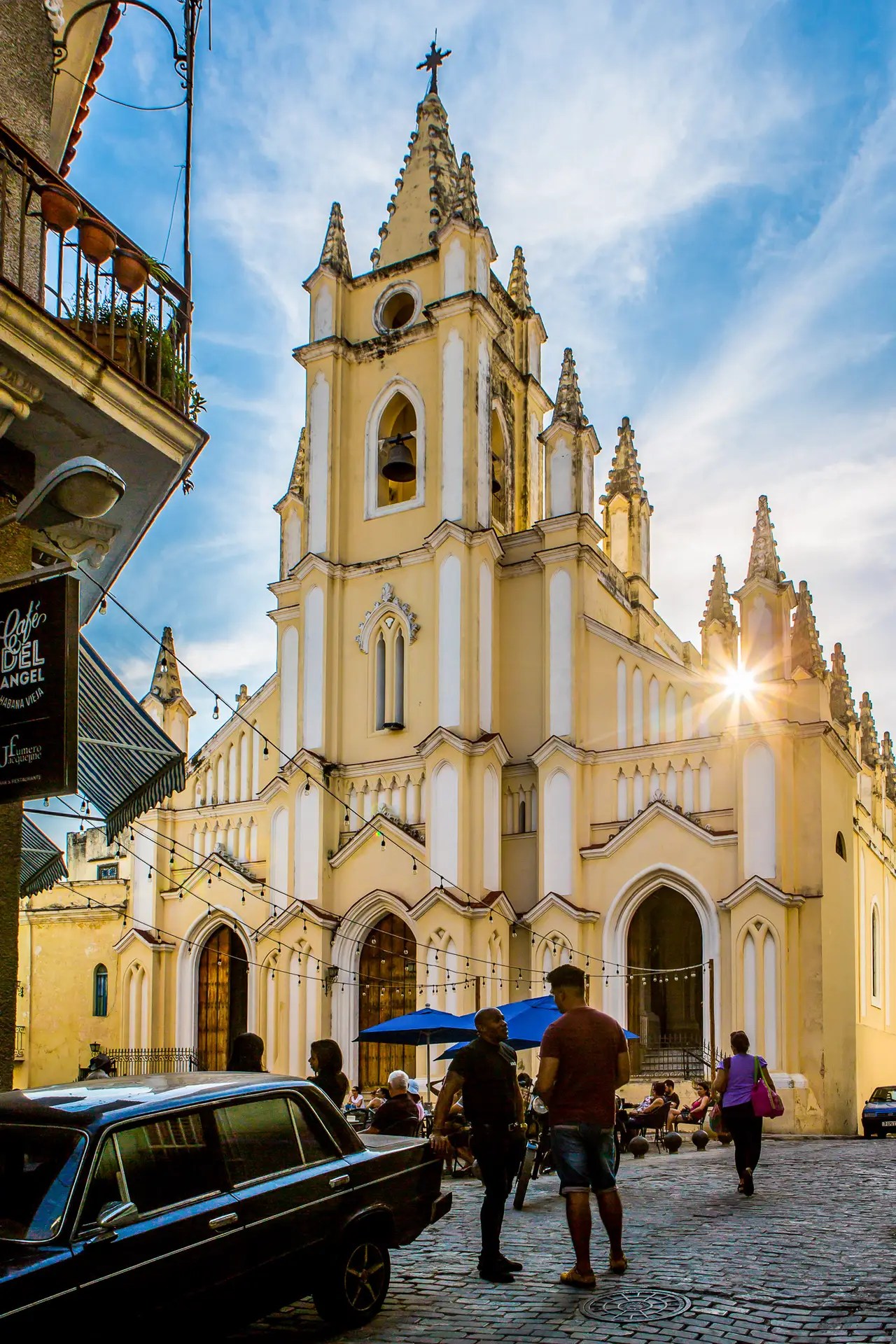
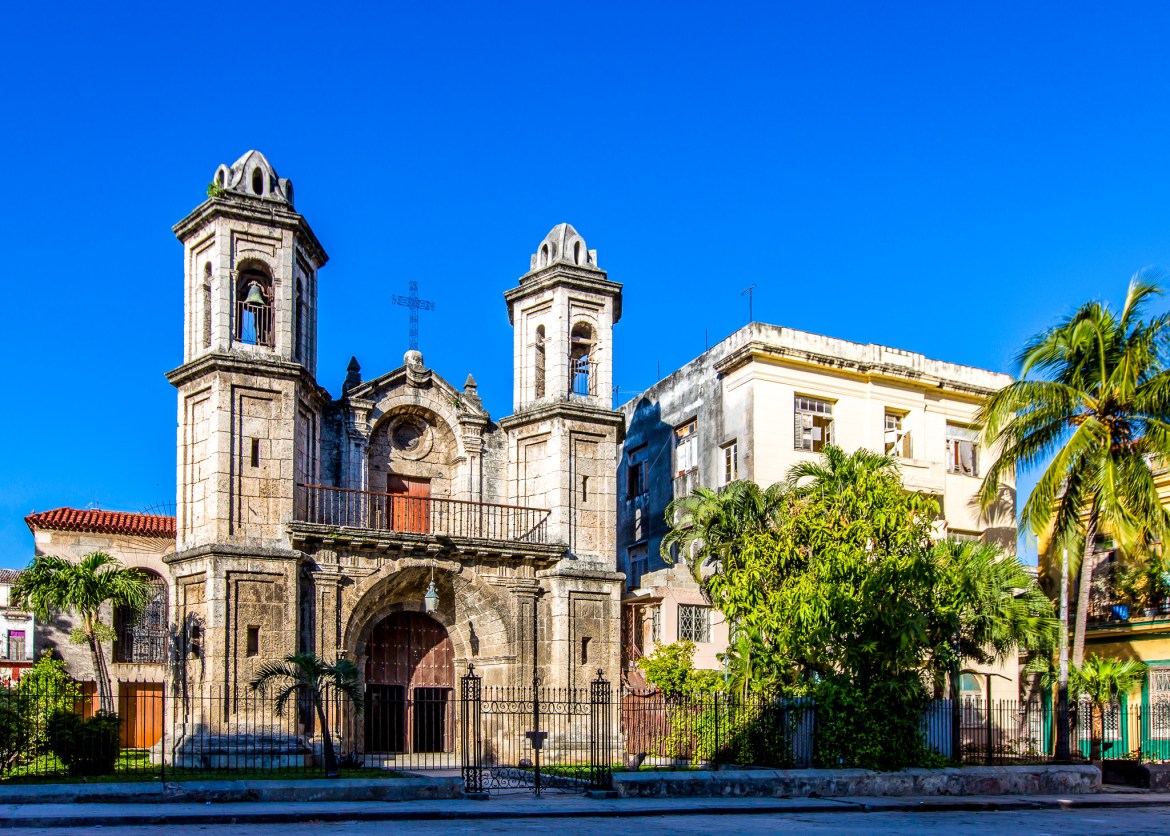
Late sunlight shines through the Gothic Revival spires of Iglesia del Santo Ángel Custodio in Old Havana.
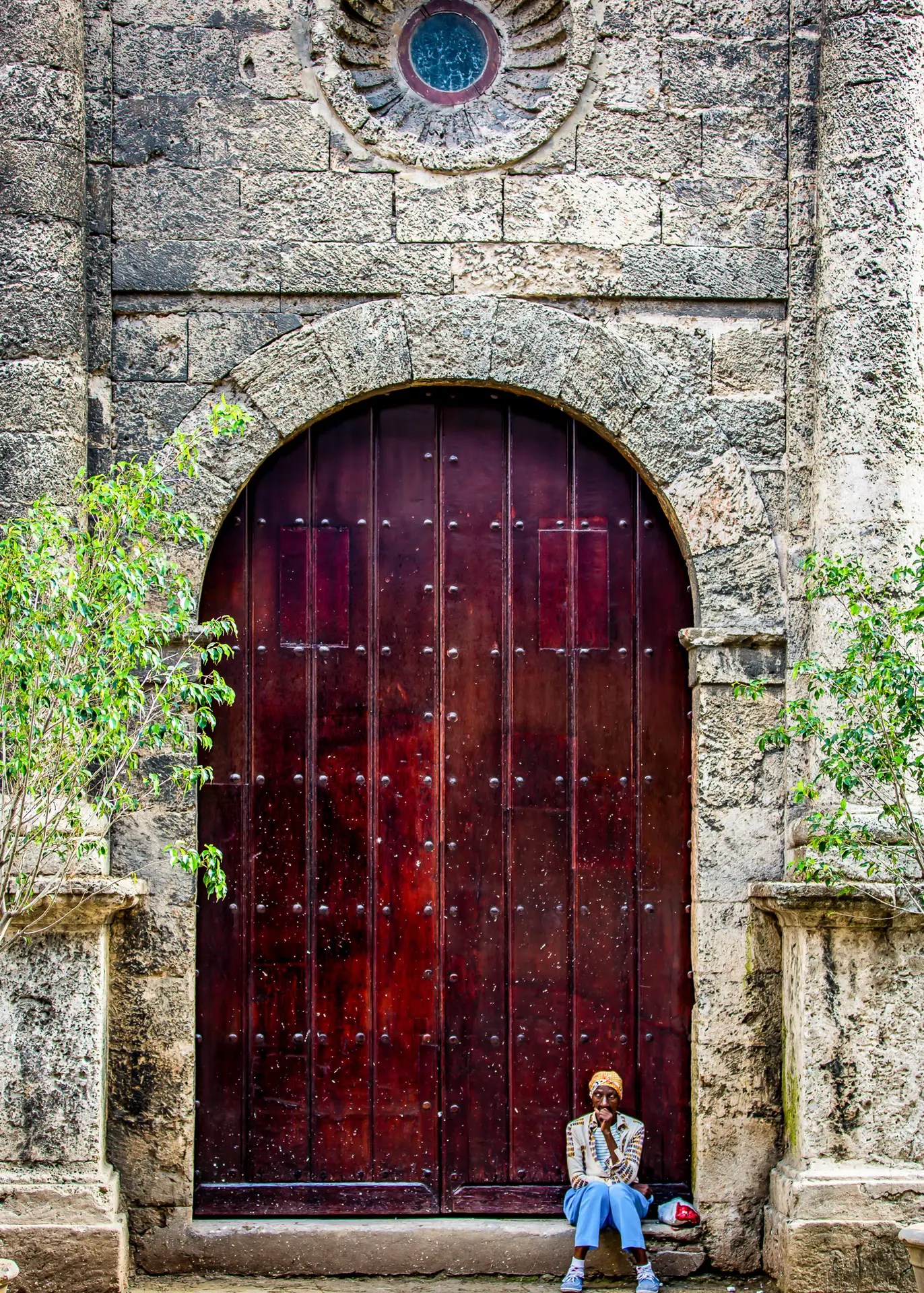
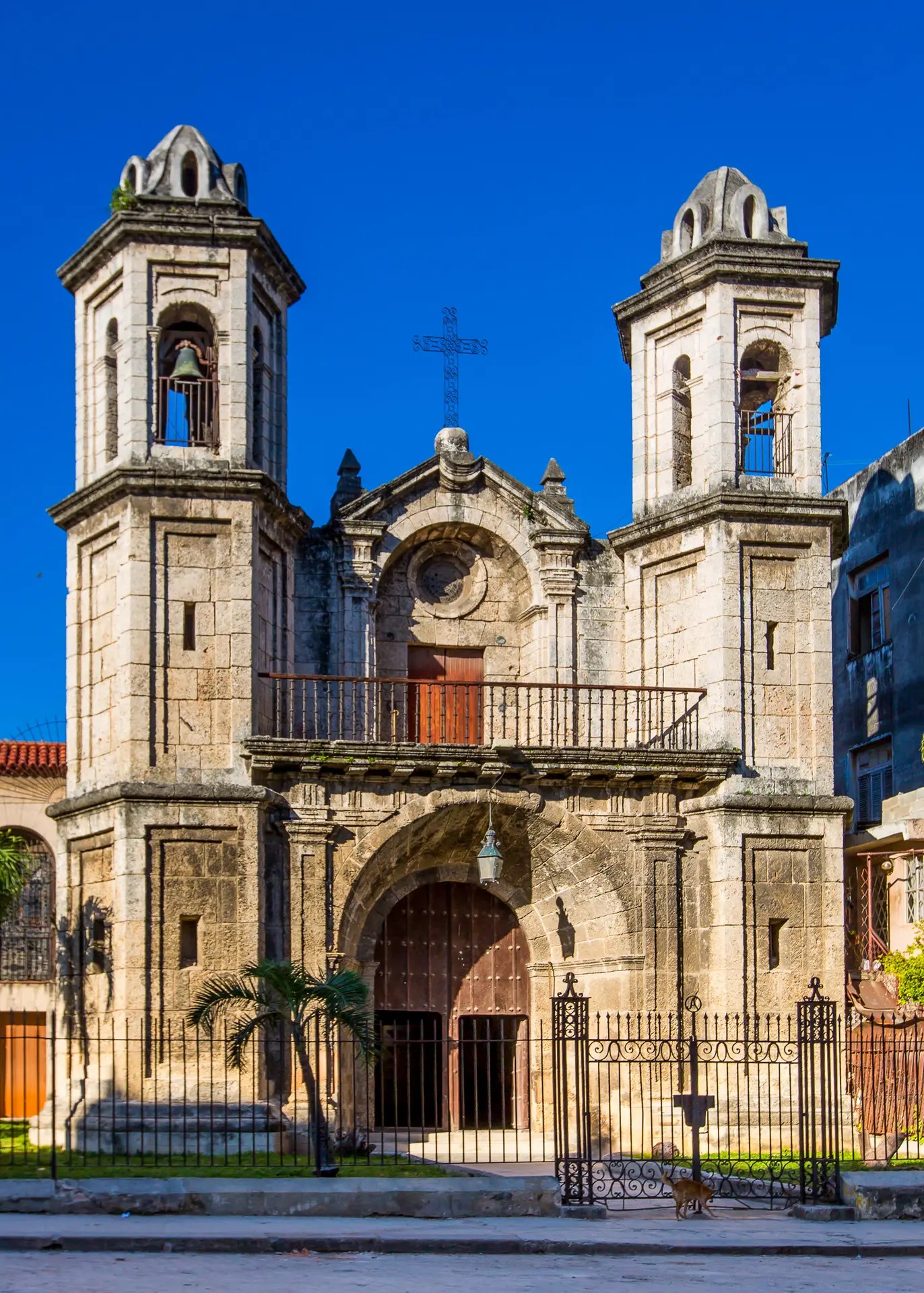
A tall red wooden door fills a stone entrance at the Basílica Menor de San Francisco de Asís.
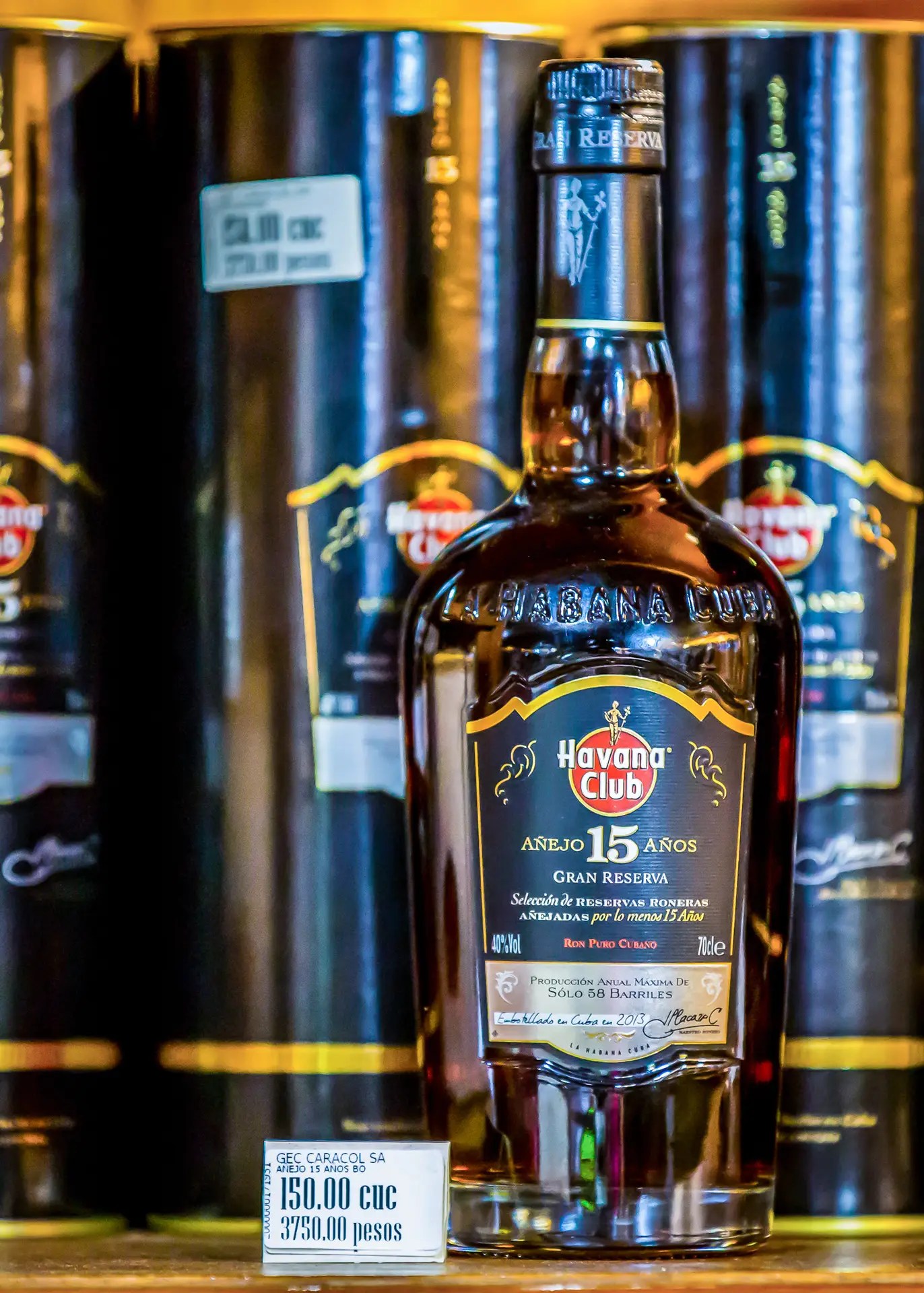
A bottle of Havana Club Añejo 15 Años is displayed with its presentation tube in Havana.
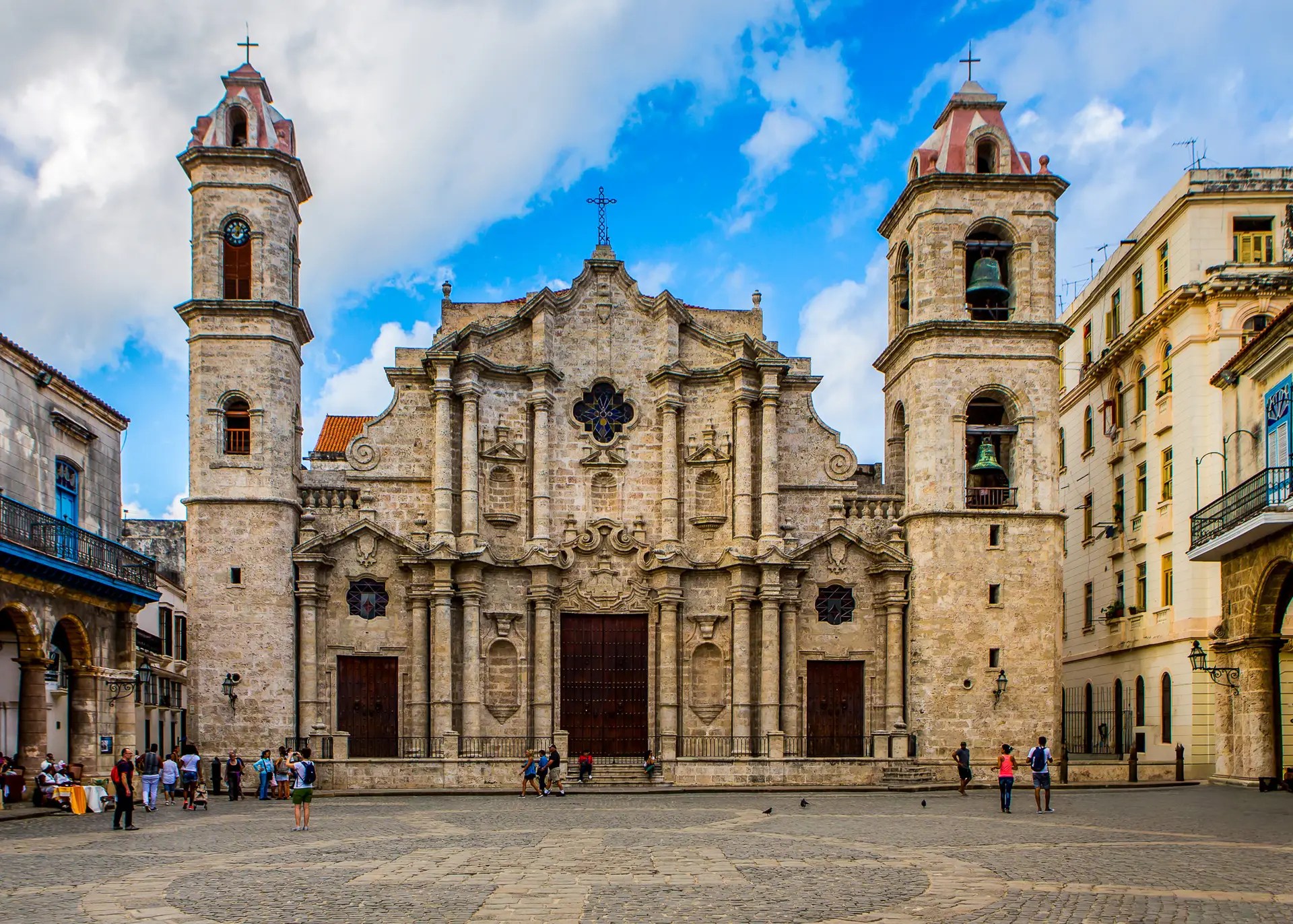
The detailed stone facade and bell towers of the Havana Cathedral face Plaza de la Catedral.
Food, Drinks & Quick Stops
Food was simply part of the experience in Havana. Between long walks with my camera, I was always looking for a place to grab a coffee, sit down for a meal, or enjoy the city’s live music before heading back out.
Seafood was plentiful and reasonably priced, and one dinner in particular still stands out: an enormous rock lobster with all the trimmings for about twelve dollars. I ate well throughout the trip without spending much money, whether it was a full dinner after a long day walking or something quick before picking up the cameras again.
And of course I wasn’t going to spend four days in Havana without having a drink at El Floridita. Hemingway’s connection to the bar had made it one of those places I already knew about before the trip, so stopping in for a daiquiri was an easy addition while I was wandering Old Havana.
Fried eggs, bread, salad and coffee were served at my outdoor table at Las Terrazas del Prado.
A grilled lobster tail served with yellow rice, fried plantain chips and fresh salad at La Roca in Havana.
A generous plate of chicken cooked in a rich tomato-based sauce at Doña Eutimia in Old Havana.
A refreshing Cuba Libre cocktail made with Havana Club rum, fresh lime, and cola, served over ice at the historic El Floridita bar in Havana.
In the Frame
The Faces Behind This Journey
Settled into my American Airlines Business Class seat for the flight from Miami to Havana. After wanting to visit Cuba for years, I was finally on my way.
My Airbnb hostess invited me out with her friends Saturday night. I spoke very little Spanish, but that didn't stop us from having a great night at a neighborhood dance club.
Where I stayed
I stayed in a private Airbnb just a short walk from El Capitolio, and I don’t think I could have picked a better location for the trip I wanted. Nearly everything I planned to photograph was within walking distance, so there was never much thought involved in starting the day. I could grab my gear, walk downstairs and be back in the middle of Havana.
The house itself was simple and comfortable. My hostess and her family lived downstairs while my room was upstairs with its own bathroom and shower, giving me plenty of privacy while still very much staying in someone’s home. We didn’t share much of a common language, but we always managed to figure things out, and they regularly offered me breakfast, coffee, water or something to drink before I headed out.
Staying there also gave me a small glimpse of everyday Havana that I wouldn’t have gotten from checking into a hotel. By the time my hostess invited me out with her friends Saturday night, I wasn’t simply renting the upstairs room anymore. For four days, it felt like my little home base in Havana.
My private bathroom and shower upstairs. Nothing fancy, but clean and exactly what I needed.
My upstairs room at the Airbnb, just a short walk from El Capitolio.
The family kitchen downstairs, where my hosts often offered me breakfast or coffee before I headed out.
My hostess relaxing in the family living room downstairs. This was the part of staying in a private home that I never would have experienced in a hotel.
Cars of Cuba: Havana’s rolling time machine
Those colorful Chevrolets, Buicks, Pontiacs, and Fords aren't just tourist attractions—they're woven into everyday life across Cuba. I spent countless hours photographing them throughout Havana and digging into how they've survived for more than half a century.
Three musicians perform with guitars and hand drums at El Patio beside Plaza de la Catedral.
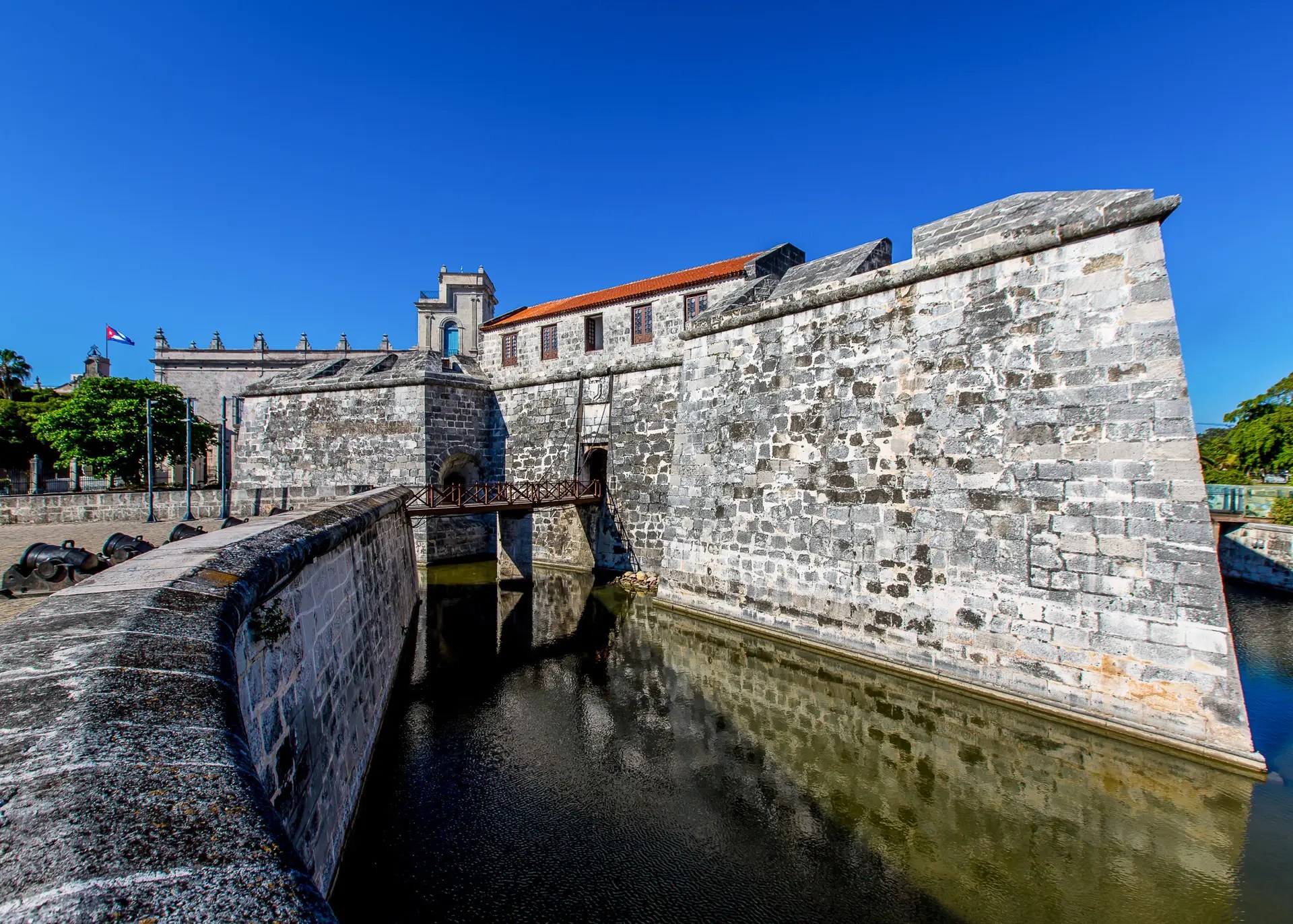
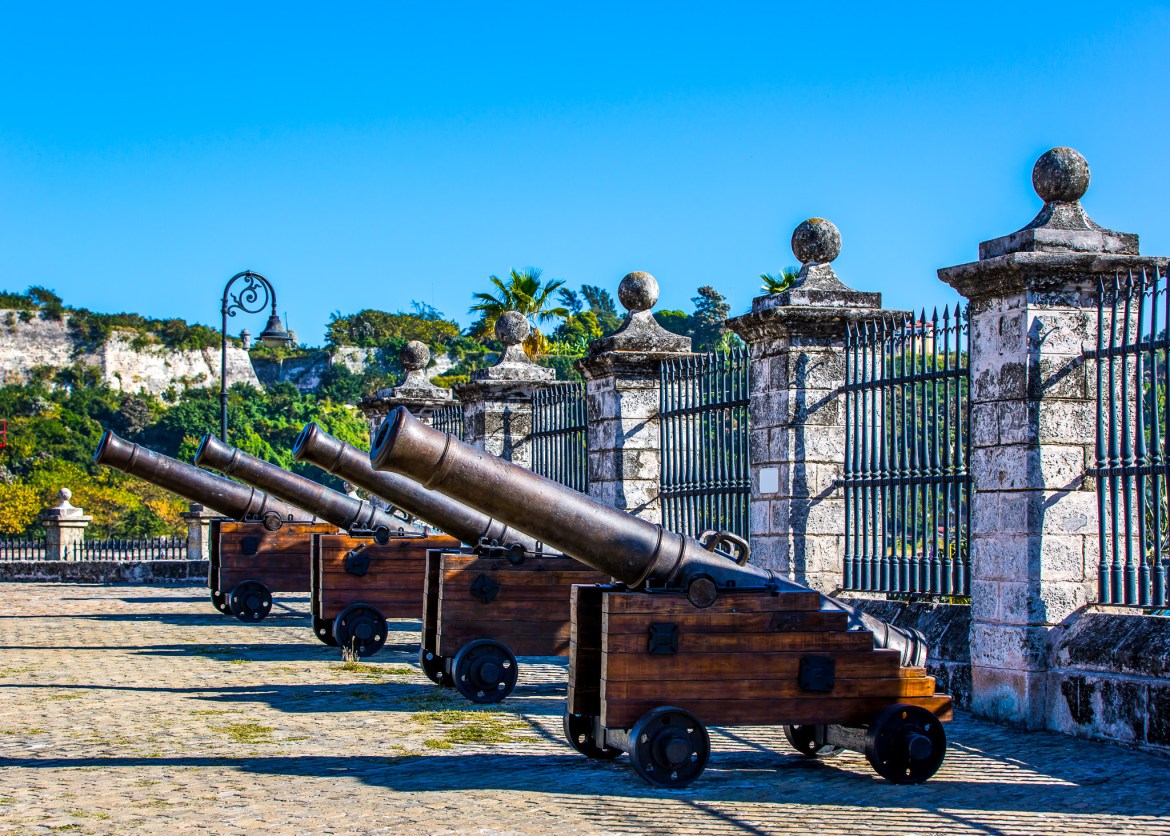
A stone walkway and wooden drawbridge cross the moat surrounding Castillo de la Real Fuerza.
The Catedral de San Cristóbal de La Habana faces the open stone pavement of Plaza de la Catedral.
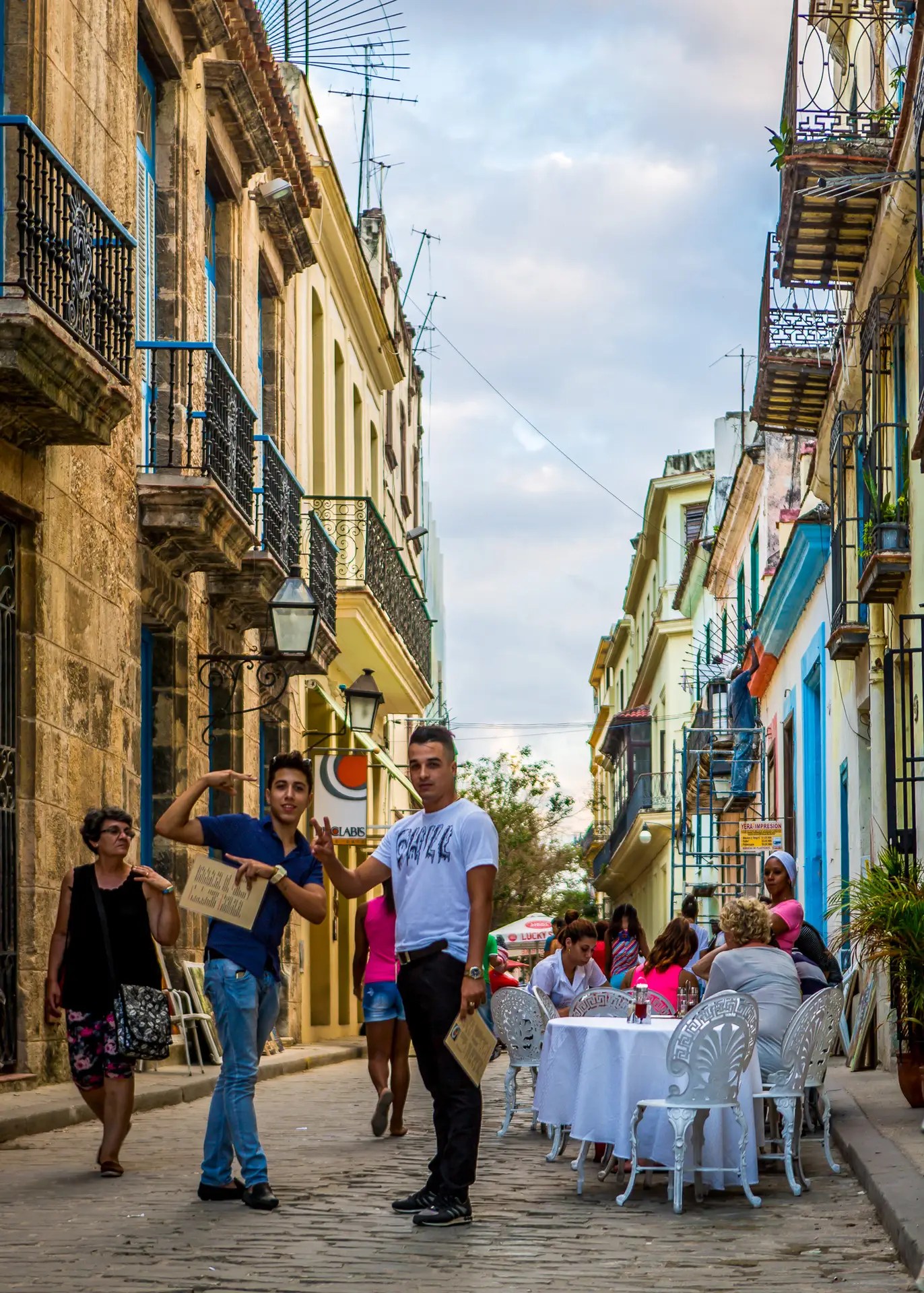
Two people hold restaurant menus and wave toward the camera on a narrow street in Old Havana.
A street performer dressed as a bronze figure stands motionless beside a building in Old Havana.
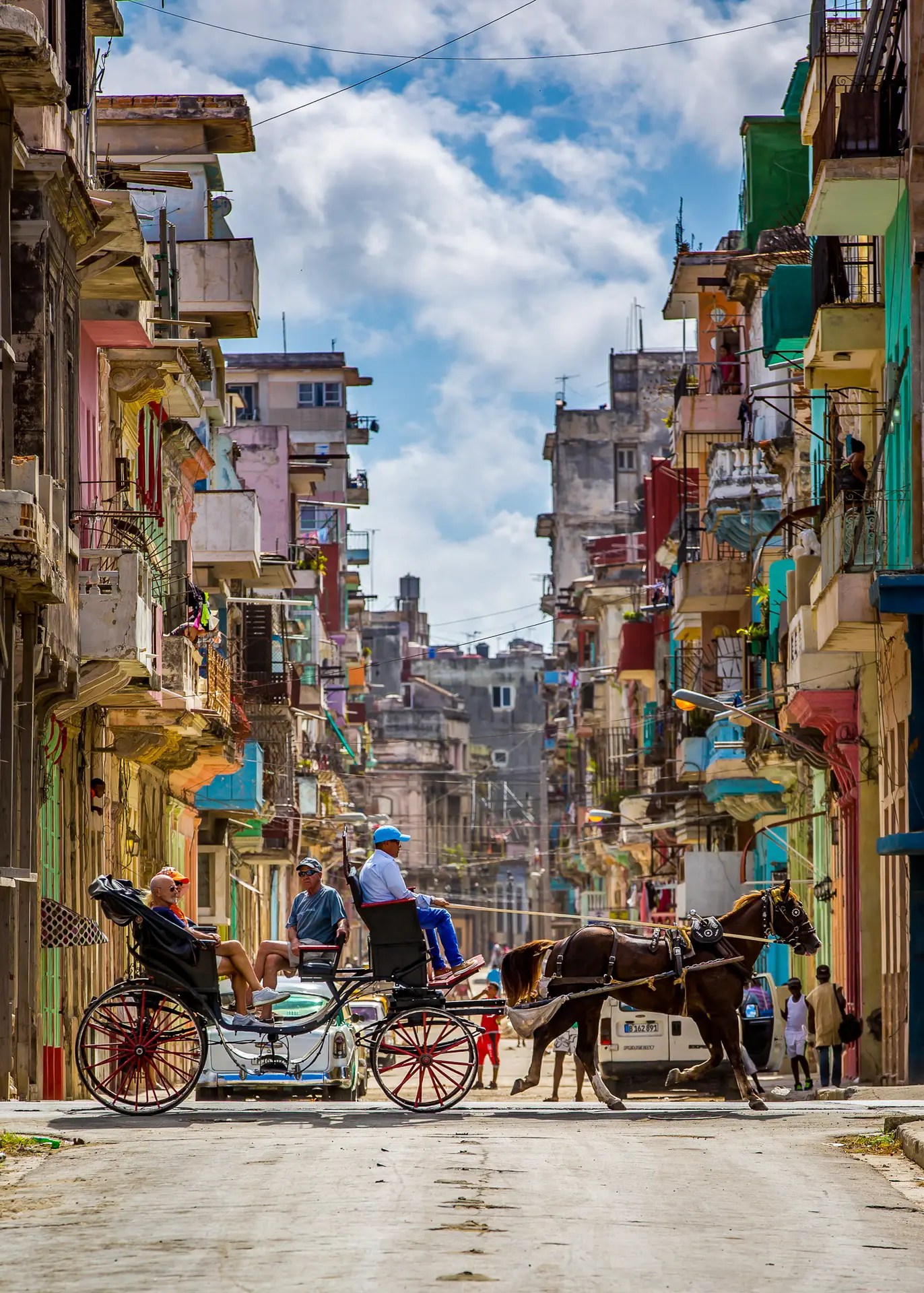
A horse-drawn carriage crosses a busy street lined with aging buildings in Havana.
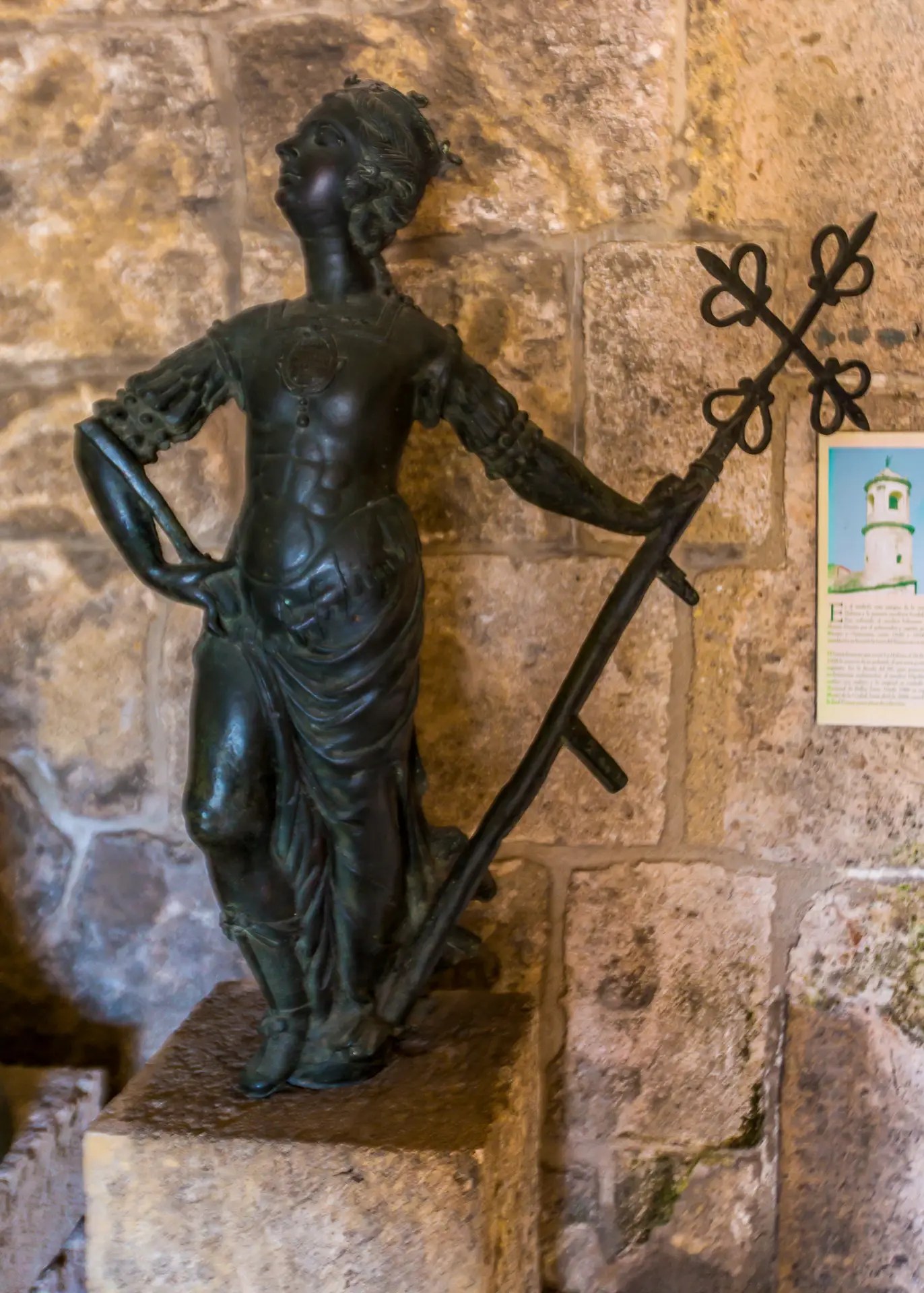
The original bronze La Giraldilla is displayed inside Castillo de la Real Fuerza.
Photography Notes
Photography was one of the main reasons I wanted to visit Cuba, so this wasn’t a trip where I packed light. I carried two Canon 5D Mark III bodies, keeping the Canon EF 24–70mm f/2.8L mounted on one and the Canon EF 70–200mm f/2.8L on the other. I also had the Canon EF 16–35mm f/2.8L in my Lowepro Pro Trekker 300 AW, along with a tripod, and used my Samsung Galaxy phone whenever pulling out one of the Canons wasn’t necessary.
Carrying two bodies worked extremely well for the way I photographed Havana. I could move from a wider street or architectural composition with the 24–70mm to a tighter detail or something happening farther away with the 70–200mm without stopping to change lenses. The 16–35mm came out when I needed the extra width, but the other two lenses handled most of what I encountered while walking.
The tripod was worth carrying even with all the miles I put on my feet. After dark I used it around Havana and especially along the Malecón for slower exposures, allowing the movement of the water to blur while keeping the surrounding city and architecture sharp. I also used longer exposures during blue hour around El Capitolio and the Gran Teatro, capturing traffic and light trails as the buildings were illuminated for the evening.
Havana gave me exactly the kind of photography I had gone there hoping to find. I could spend hours working architecture and classic cars, then turn around and find a musician, an interesting street scene or something completely ordinary that looked different through the camera. I never had to manufacture a reason to take the cameras out. I just had to keep walking.
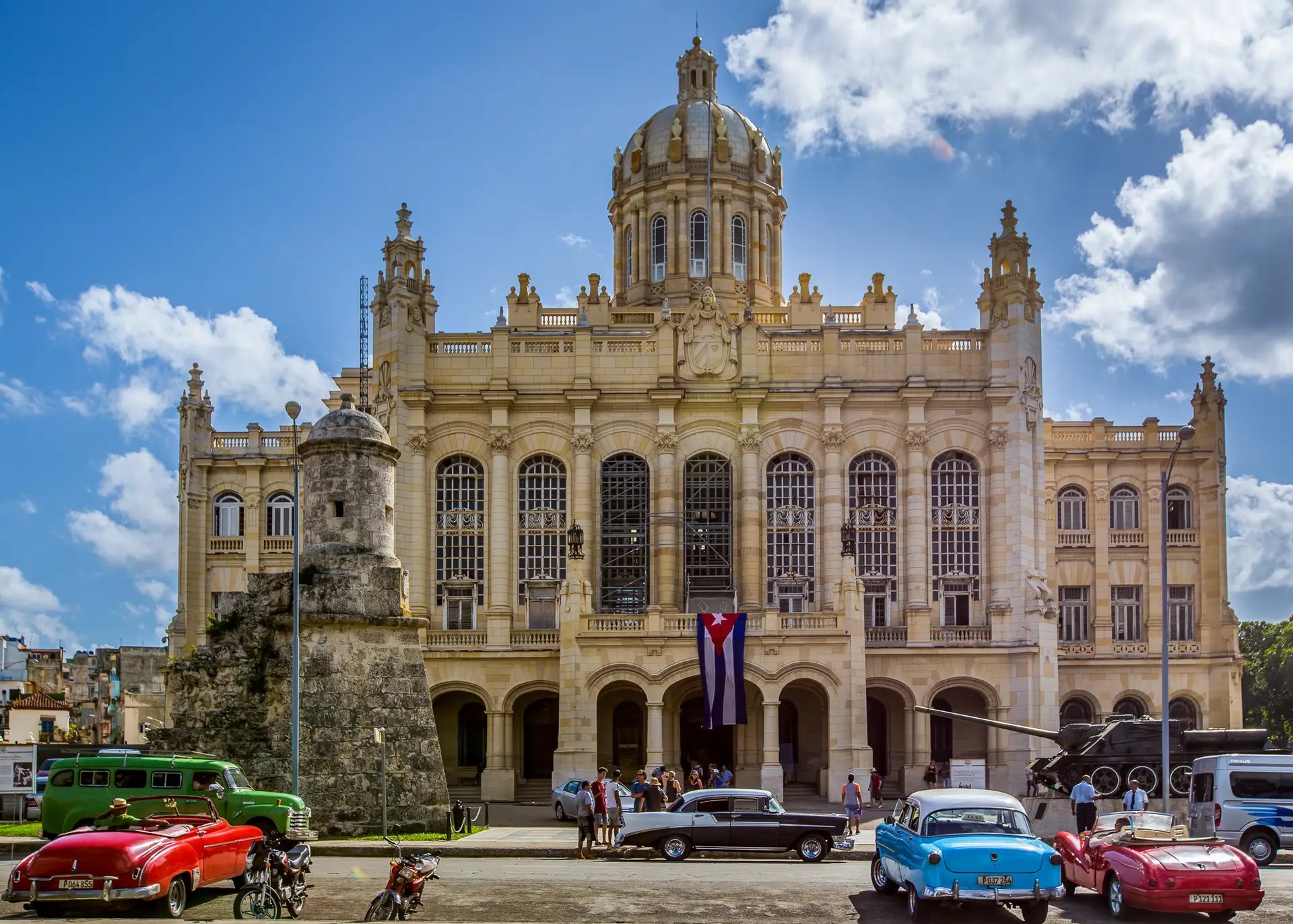
Classic cars pass the Museo de la Revolución, housed in Cuba’s former Presidential Palace.
The Hotel Nacional de Cuba rises above the rocky waterfront in Havana.
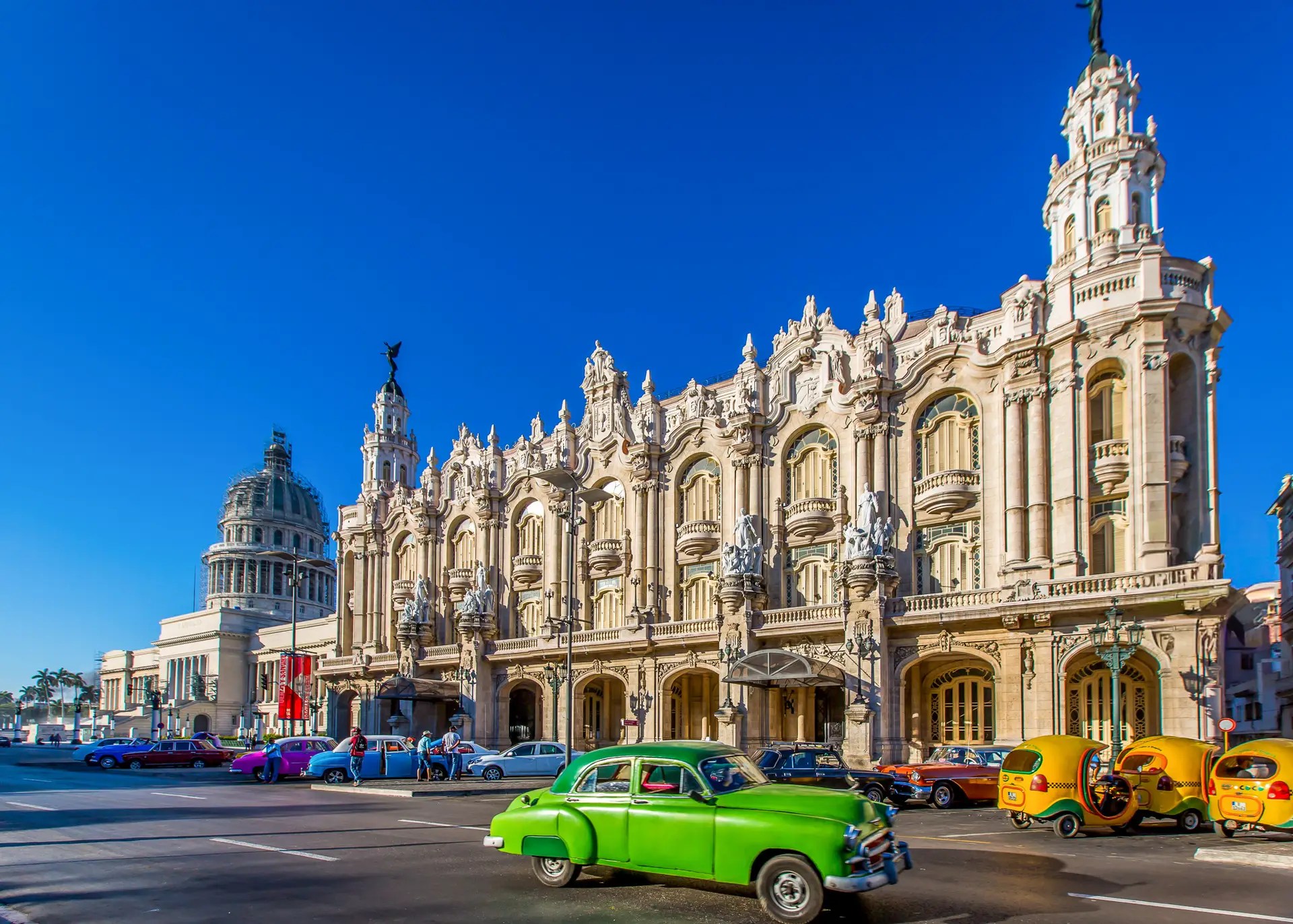
A lime green beauty sweeps past the ornate Gran Teatro de La Habana. This is Cuba at its most theatrical—classic cars rolling past cultural landmarks.
A decorative cast-iron streetlamp stands among the trees of Plaza de Armas in Old Havana.
Incredible sights all around Havana, Cuba
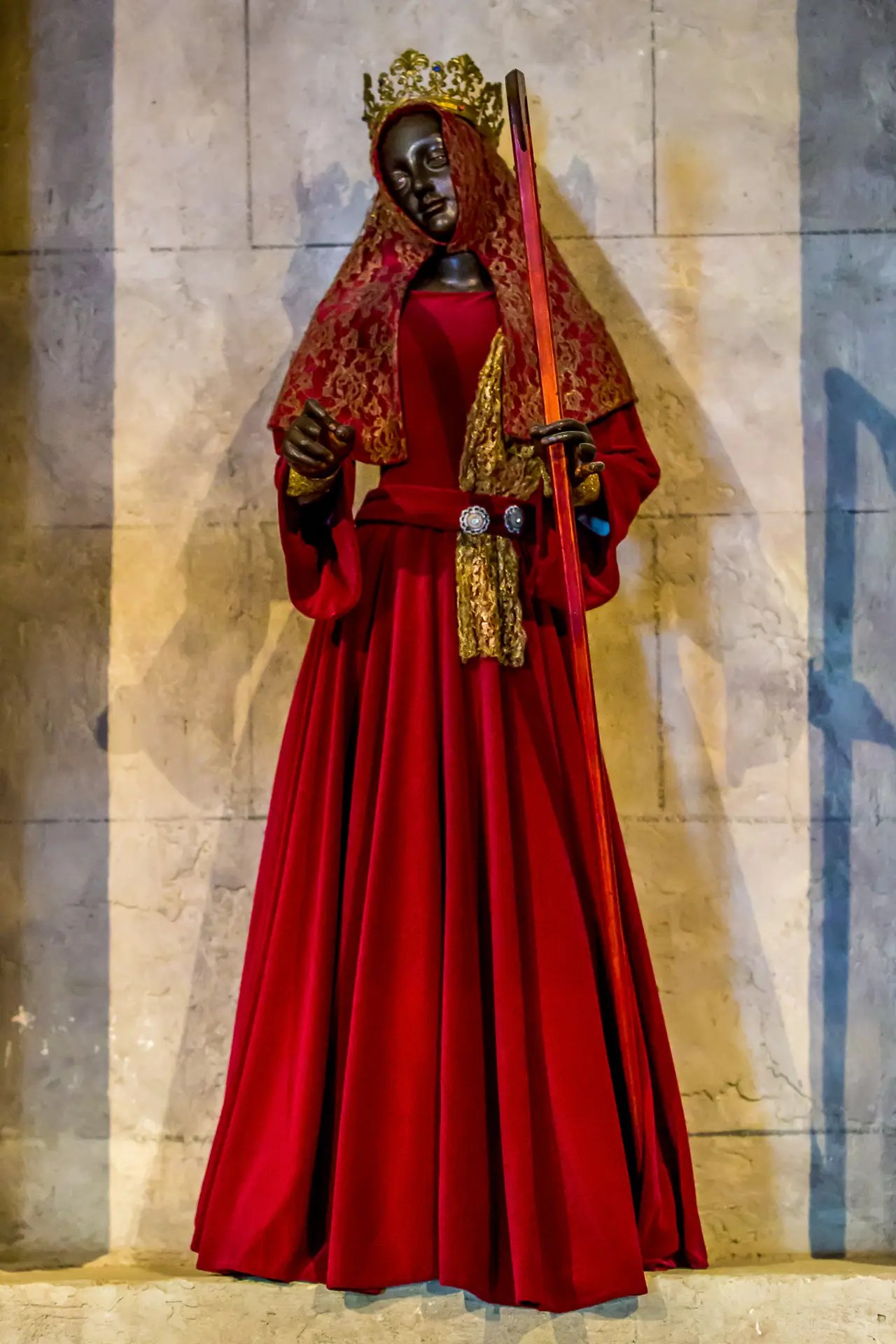
A red ceremonial robe with embroidered trim is displayed inside the former Franciscan convent.
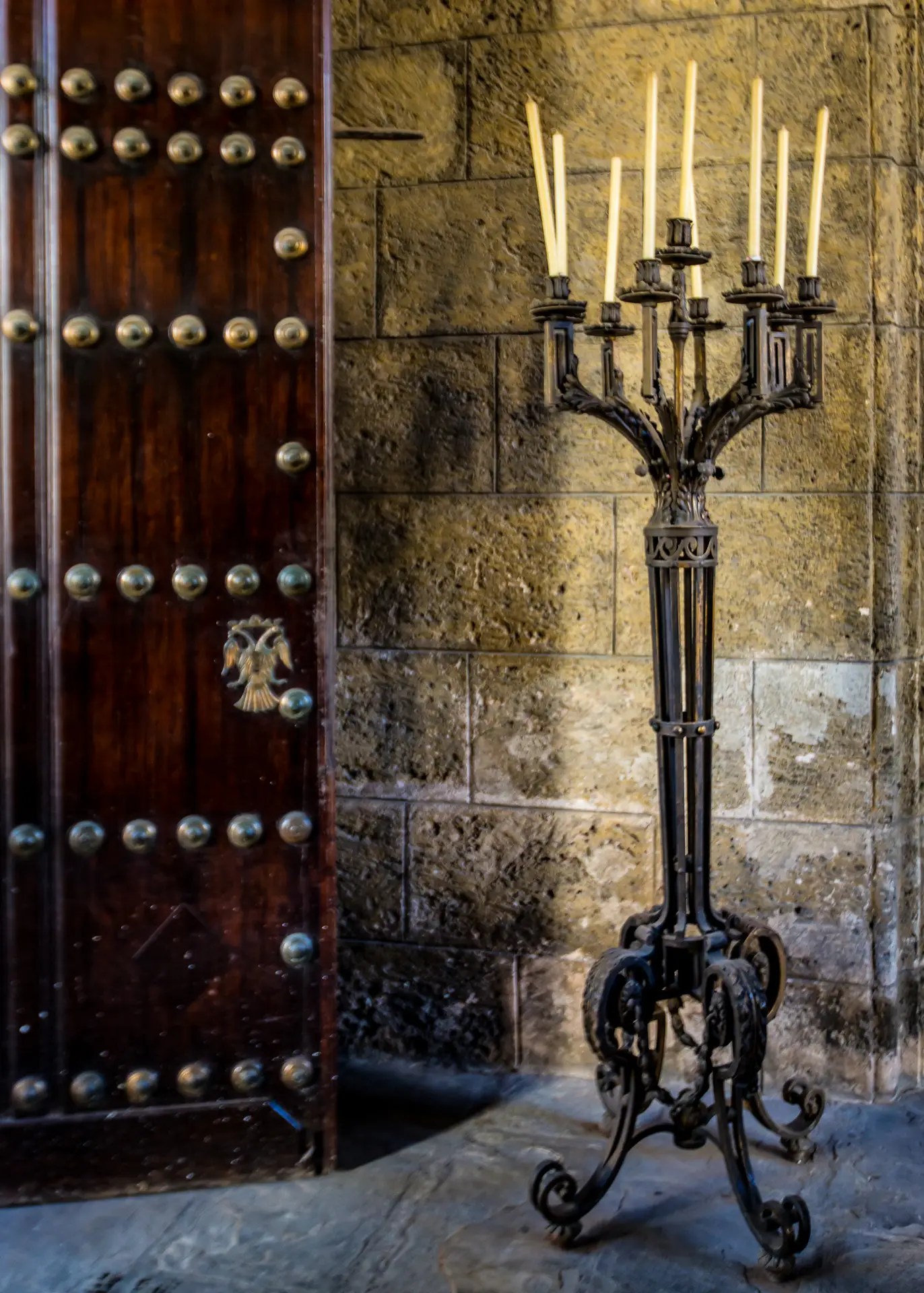
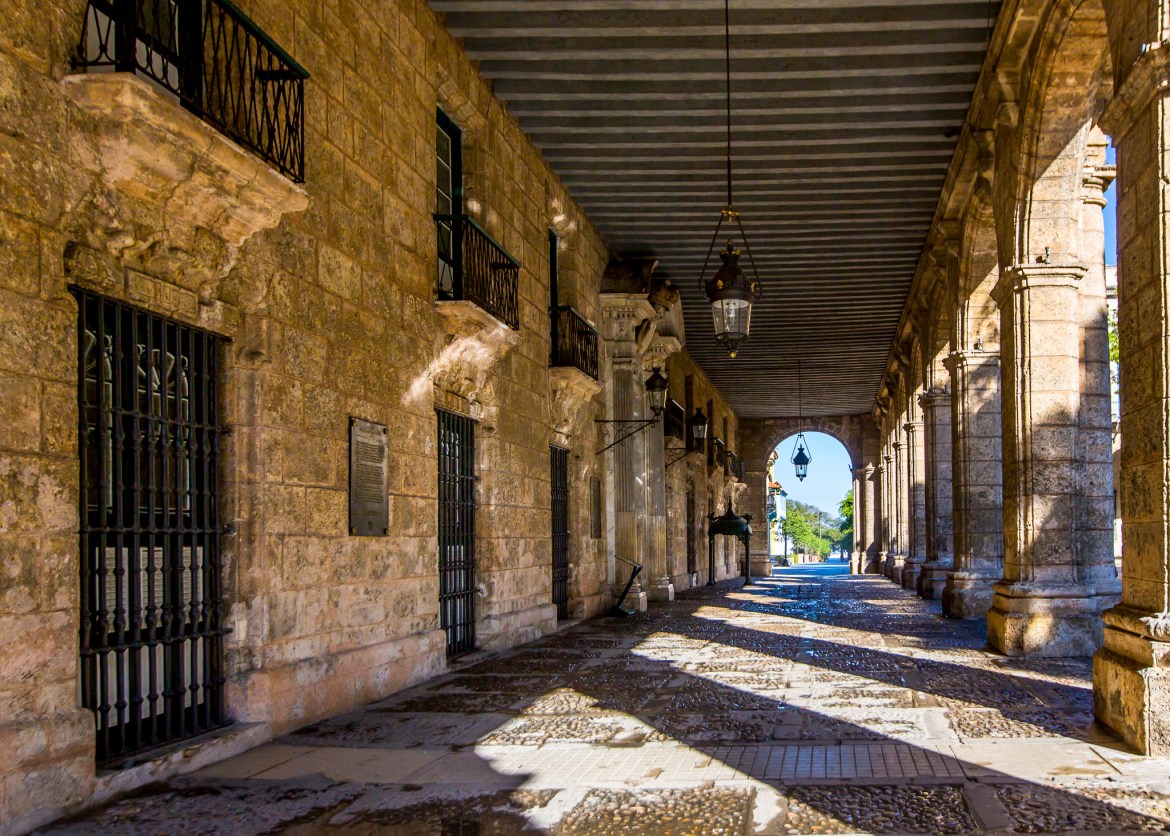
A tall iron candelabrum stands beside a studded wooden doorway inside the Palacio de los Capitanes Generales.
Practical Notes & Lessons Learned
I’d stay near El Capitolio or Old Havana again. Being able to walk almost everywhere worked perfectly for the way I wanted to explore and photograph Havana.
Four calendar days worked for Havana, but with travel on the first and last days I really had only two completely open days. I’d give myself at least a week next time, and considerably longer if I wanted to explore much beyond Havana.
The two-currency system was one of the more unusual parts of the trip. When I visited, I encountered Convertible Pesos (CUC) used heavily in the tourist economy alongside Cuban Pesos (CUP), which occasionally made even a simple purchase more complicated than I expected.
I never missed having the familiar American hotel or rental-car experience I was accustomed to elsewhere. The Airbnb worked perfectly for this trip, and between walking and the occasional taxi I had no trouble getting where I wanted to go.
Taxis were easy to find, although in Havana even getting from one place to another could become part of the experience. It’s hard to complain about needing a taxi when a pink 1957 Chevrolet convertible can pull up to take you where you’re going.
Knowing more Spanish would have made some conversations easier. English wasn’t common outside the more tourist-oriented areas, but traveling alone with limited Spanish never prevented me from doing what I wanted to do.
I wish I had planned ahead for a performance inside the Gran Teatro. El Capitolio was also under restoration during my visit, so seeing the completed interior would be high on my list if I returned.
From a photography standpoint, I’d give myself more time after dark. Some of my favorite photographs came from slower exposures along the Malecón and around El Capitolio, and I’d spend more evenings working with the tripod if I photographed Havana again.
The Journey in Motion
Still photographs tell most of my Havana story, but the videos preserve something the camera couldn’t—the sound and movement that seemed to be everywhere. The Malecón was completely different when the wind picked up and waves began pounding the seawall, while live Cuban music became part of the background almost everywhere I stopped to eat or spend an evening.
El Morro & the Malecón
The wind and surf completely changed the coastline, with waves repeatedly crashing against the Malecón and throwing water across the seawall. It was impossible to stand there watching it and not reach for a camera.
Live Music Around Havana
I heard live music throughout the trip—in restaurants, clubs and other stops around the city. These clips are probably the closest I can get to preserving what Havana sounded like while I was there.
I’m Steve—a retired Army vet who traded rucksacks for camera bags and never stopped exploring. What started with a simple 110 film camera grew into photographing all 50 states and 30+ countries, from quick business-trip detours to adventures with my wife Laura. Shutter Nomadica is where I share those travels through the photographs, stories, and moments that made each place memorable.