

Honolulu, Hawaii will seduce your shutter finger and your appetite for aloha.
There’s a rhythm to Honolulu that you feel before you even unpack — the whisper of palms, the hush of surf, and the slow, sure heartbeat of the islands. Set against the turquoise expanse of the Pacific Ocean, this tropical city blends modern energy with deep island soul. From the golden curve of Waikiki Beach to the emerald ridges of Diamond Head, Honolulu doesn’t just invite you to visit — it teaches you how to breathe again.
For travelers and photographers, it’s pure island alchemy: sunrise surfers cutting across glassy waves, the warm pastel glow over Ala Moana Lagoon, and plumeria-scented evenings where tiki torches light the shoreline. Wander the markets of Chinatown, hike Makapuʻu Point for cinematic coastal views, or chase blue hour along the Kahala coast, when the city lights flicker like stars on the water. Every frame hums with that perfect balance of energy and ease — the aloha spirit made visible.
The sweetest time to capture Honolulu’s glow is April–June or September–October, when the weather is flawless, the ocean calm, and the crowds lighter. Fly into Daniel K. Inouye International Airport (HNL) — just 20 minutes from Waikiki — and plan three to five days to savor its rhythm. Because in Honolulu, paradise isn’t an escape — it’s a way of being, framed by ocean light and lived one wave at a time.


🎯 Don’t Miss Shortlist in Honolulu
The Views, the Vibes, and the “Wait—did you see that?” Moments
Honolulu rewards curiosity at every turn: a crater rim that frames Waikiki, a harbor where history is still audible if you listen, reef-laced bays that paint snorkelers in tropical confetti, and urban districts splashed in mural color. You can chase sunrise from Makapuʻu cliffs, slip into the hush of Iolani Palace, or point your lens toward a silver ribbon in Mānoa Valley after rain. Every stop here pairs traveler joy with photographer payoff—good light, strong lines, and stories that show up beautifully in a frame. Plot these anchors first, then layer in detours and snack stops like a pro.
Diamond Head State Monument — the rim walk that crowns Waikiki.
Climb the inside of an ancient tuff cone and watch Honolulu unfold like a map—reef textures, hotel grids, catamarans etching white lines into blue. The path’s mix of tunnels, stairs, and switchbacks builds anticipation, then the summit drops a 360° reveal that flatters both wide-angle vistas and tight city abstracts. Early light paints the Waikiki skyline warm; late light carves the crater walls with shadow. On blustery days, palm fronds become leading lines down on Kapi‘olani Park. Bring water, a hat, and your patience—the payoff is worth every step.
🕒 Open: Daily, roughly 6:00 am–6:00 pm (last entry mid-afternoon; online reservations required)
💵 Cost: About $5 per person + $10 parking for non-residents
💡 Insider Tip: Book the earliest slot; shoot a panorama from the upper platform, then a 50 mm city-and-sea “compression” on the way down.Pearl Harbor National Memorial (USS Arizona) — history’s quietest roar.
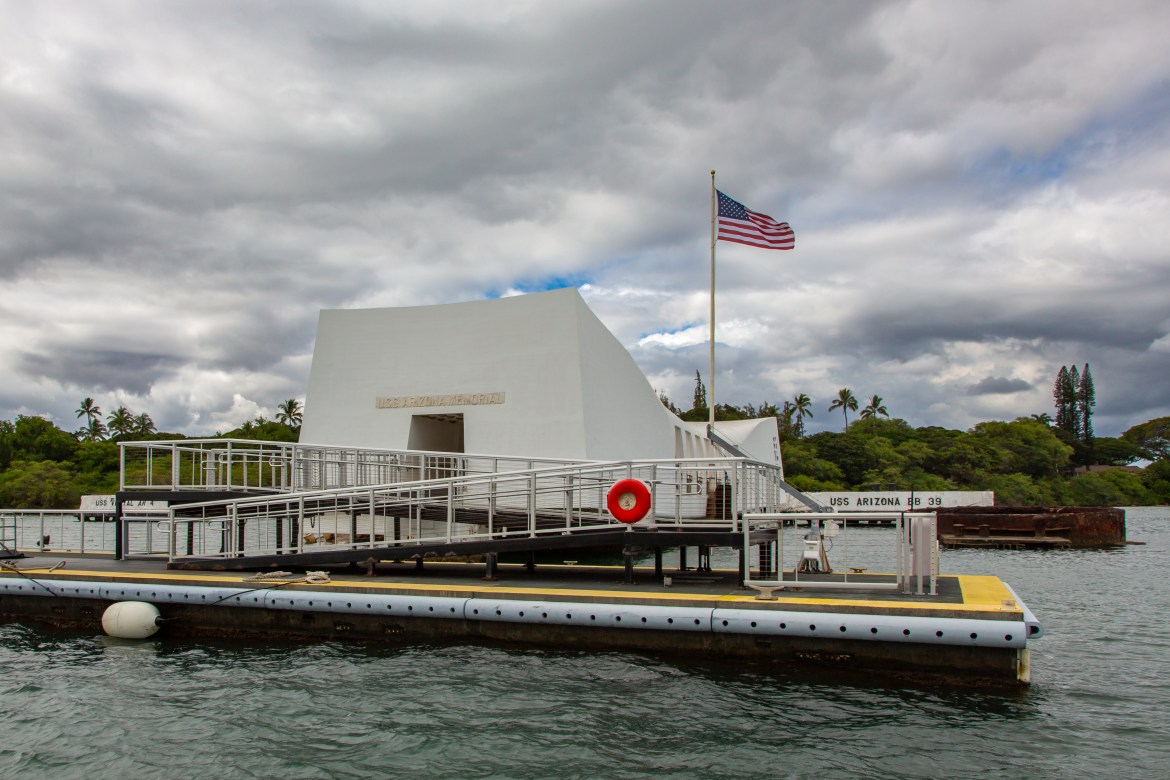
The harbor surface looks calm, but under it rests the story you came to hear. Start at the Visitor Center to frame context, then let the boat ride to the USS Arizona Memorial reset your pulse. Photographically, reflections here are everything—flags, faces, sky—so meter for highlights and keep your shutter respectful. Monochrome edits sing, but color holds the pale turquoise swirls over the wreck. Give yourself time afterwards to absorb the museum exhibits; they sharpen your captions and your memory.
🕒 Open: Daily, roughly 7:00 am–5:00 pm (boat program mid-morning to mid-afternoon)
💵 Cost: Free entry; $1 reservation fee for timed boat tickets
💡 Insider Tip: Book timed tickets in advance; shoot tight details (names, oil “tears”) at f/2.8–f/4 for reverent depth.Hanauma Bay Nature Preserve — Honolulu’s fishbowl of color.
A volcanic crescent turned living aquarium, Hanauma Bay delivers painterly reefs in knee-deep water. After the short orientation video, drift above parrotfish, tangs, and coral heads that shape abstract top-downs from the overlook. Morning is clearer and calmer; afternoons pick up wind-whipped texture that can add drama to shoreline frames. Between snorkels, climb to the upper viewpoints and work layered seascapes with surf lines as leading curves. Respect the reef—your tripod is your fins today.
🕒 Open: Typically Wed–Sun, early morning–late afternoon; closed Mon–Tue (reservations required)
💵 Cost: About $25 per adult non-resident; $3 parking
💡 Insider Tip: Reserve the earliest entry; shoot a polarized overlook scene first while water clarity peaks, then snorkel.ʻIolani Palace — America’s only royal palace glows in koa and light.
Right in downtown Honolulu, ʻIolani Palace pairs European elegance with Hawaiian identity—curved lanais, grand staircases, and rooms dressed in rich woods. For travelers, it’s a beautiful primer on monarchy, overthrow, and revival; for photographers, it’s a playground of pattern, texture, and symmetry. Interior light skims across polished floors—mind your reflections and lean into diagonal compositions along banisters. Outside, frame the façade through royal palms for a stately reveal.
🕒 Open: Generally Tue–Sat ~9:00 am–4:00 pm (tour types vary)
💵 Cost: Around $26–$27 adult (self-guided or audio; docent tours higher)
💡 Insider Tip: Book a morning slot; bring a fast prime for low-light detail and ask about photo policy in each room.Mānoa Falls — a silk ribbon at the end of a Jurassic stroll.
When showers brush the Koʻolau, Mānoa Valley answers with birdsong, mist, and a 150-foot waterfall that photographs like lace. The trail threads bamboo groves and banyan roots, a study in green-on-green contrast—perfect for moody frames and macro leaves with raindrop bokeh. After rain, the falls swell; after sun, the light shafts through canopy in golden strands. Wear grippy shoes—the path can be muddy—and protect your gear with a lightweight cover.
🕒 Open: Daily, sunrise–sunset (parking lot hours may vary)
💵 Cost: Trail free; parking around $7–$10 at the lot
💡 Insider Tip: Go early after overnight rain; use 1/4–1/2s on a mini-tripod for silky water and pack a lens cloth.Tantalus Lookout (Puʻu ʻUalakaʻa State Wayside) — skyline to surfline in one frame.
A short, winding drive lifts you to the best “whole-city” view in Honolulu. From here, Diamond Head perches behind the Waikiki towers, the harbor cranes become graphic shapes, and trade clouds stack into background drama. Golden hour warms the scene; blue hour ties city grid lights to the runway glow with long exposures. Bring a mid-tele for layering peaks and a wide for that classic everyone-in photo.
🕒 Open: Typically 7:00 am–6:45 pm (seasonal)
💵 Cost: Free
💡 Insider Tip: Stay through blue hour; shoot a 3–6 sec exposure at ISO 100 for light-trail ribbons down the switchbacks.Makapuʻu Point Lighthouse Trail — cliffs, cobalt seas, and winter whales.
On the island’s southeastern elbow, Makapuʻu stages high-drama seascapes—lava cliffs, tide scribbles, and a candy-red lighthouse punctuating the edge. The paved path climbs steadily, handing out compositions with Rabbit Island floating like a prop. In winter, scan for spouts and breaches; in summer, chase wind-combed textures and long horizons. There’s little shade, so bring water and a brim.
🕒 Open: Sunrise–sunset
💵 Cost: Free
💡 Insider Tip: Start at sunrise for soft side-light on the cliffs; a 70–200 mm compresses lighthouse + island into a hero shot.Kakaʻako Street Art — the city’s most photogenic color riot.
Between warehouses and cafés, Kakaʻako turns blank walls into giant canvases—graphic shapes, portraits, and playful scenes that refresh year to year. Arrive early for even light and car-free frames, then reward yourself with a coffee and people-watching. Low angles make murals loom; tight crops celebrate brush texture. Night shoots are fun here too—neon signs and taillight streaks add urban sparkle.
🕒 Open: 24/7 (outdoors)
💵 Cost: Free
💡 Insider Tip: Go early morning for soft light; bring a polarizer to tame glare on glossy paint and windows.
Oahu Grand Circle Island and Haleiwa Tour – 9hr Deluxe Experience — A greatest-hits loop that helps you scout light and angles for later DIY shoots (Diamond Head, Nuʻuanu Pali, Byodo-In, North Shore, Dole). Book it:
Mauka Warriors Luau — Honoring Polynesia’s Forgotten History — Culture, story, and serious fire-knife spectacle on sacred ground; great for warm-tone night frames and candid portraits pre-show. Book it:
Hidden Gems
Spitting Caves of Portlock — lava ledges and dragon-breath seas.
On O‘ahu’s southeast edge, narrow lanes end at a cliff where swells inhale and exhale through sea tubes, misting the air like stage fog. Travelers get a front-row seat to nature’s percussion; photographers get graphic basalt textures, whitewater plumes, and moody horizons that love long exposures. Sunset paints the spray gold, while overcast days deliver silky steel-blue palettes. Keep a respectful distance from the edge—it’s slick and there’s no guardrail. Best time: late afternoon to sunset; no facilities, street parking only—be courteous to residents.Lyon Arboretum — a rainforest palette five minutes from city buzz.
Tucked behind Mānoa Valley, this research garden is a living color wheel: heliconia reds, fern greens, and ginger blooms under a cathedral of canopy. Travelers stroll easy loops with birdsong and a faint waterfall hush; photographers find layered greens, macro subjects beaded with rain, and natural diffusers for soft light. After showers, the air turns luminous and leaves glow. Tripods are welcome in many areas—mind paths and plants. Best time: morning after rain; modest entry donation, limited parking; bring bug spray and a lens cloth.Shangri La Museum of Islamic Art, Culture & Design — pattern, ocean, and light in conversation.
Doris Duke’s oceanfront home marries tilework geometry with Pacific blues, creating rooms where sunlight sketches mosaics across floors. Travelers get a compact, curated cultural dive; photographers can work leading lines, courtyard reflections, and window-framed seascapes that feel cinematic. Tours are timed and limited, which keeps crowds thin and shots clean. Interiors often require higher ISOs—pack a fast prime. Best time: late-morning or mid-afternoon tours (book in advance via Honolulu Museum of Art); no on-site parking—shuttle only.Puʻu O Hulu (Pink Pillbox) — west-side ridgeline where the sky goes neon.
A short, steep climb rewards you with serrated ridges, coastal plains, and the Waianae Range catching fire at golden hour. Travelers love the bite-size effort for big-deal views; photographers can shoot silhouetted hikers, layered mountains, and sunbursts through pillbox openings. Heat is real here—shade is not—so pace the ascent and pack water. Respect nearby neighborhoods and signed areas. Best time: golden hour to blue hour; street/park parking only, arrive early for a spot.Kaimukī Backstreets & Wilhelmina Rise — vintage storefronts and stair-step skyline.
Off the main drag, Kaimukī hides mom-and-pop facades, lettered windows, and café corners that feel timeless. Travelers snack-hop between malasadas and poke bowls; photographers work retro typography, pastel paint, and candid street vignettes with Diamond Head peeking down side streets. Climb a bit up Wilhelmina Rise and you’ll earn layered city-to-sea frames that compress beautifully at 70–200mm. Park once, wander slow. Best time: mid-morning for even storefront light; metered street parking, watch posted signs.
A few links and ads here are affiliate portals. If you click through and snag something, you’ll be fueling my next photo-quest at no extra cost to you. Thanks for keeping the adventure rolling!
🚖 Best Way to Travel in Honolulu
Honolulu moves at an island clip with city convenience, so you’ve got options. For maximum freedom, rent a car at HNL and loop the South Shore to Makapuʻu, or chase golden hour from Tantalus to Waikiki without watching a timetable. Prefer to kick back? TheBus (Oʻahu’s public transit) is extensive, affordable, and reaches most sights—including Pearl Harbor and Hanauma Bay—while the Waikiki Trolley covers resort-to-sight hops with colorful ease. Biki bike docks dot urban hot spots (perfect for mural-crawling in Kakaʻako), and rideshares are plentiful for sunrise trailheads where parking’s tight. Traffic on H-1 and through Waikiki can bunch up around commute hours—plan your longest drives midday, and your photo missions for dawn and late afternoon when the light (and lanes) are friendlier.
Accessibility Notes
Honolulu is one of the more accessible island cities: curb cuts, ramps, and beach mats appear at popular spots in Waikiki, and many attractions (like the Pearl Harbor Visitor Center and the Makapuʻu paved path) are wheelchair-friendly. TheBus fleet is largely accessible with ramps and priority seating, and major sights offer accessible restrooms. Trail access varies—paved lookouts such as Tantalus and Nuʻuanu Pali are easier, while Mānoa Falls and Pink Pillbox include uneven terrain and mud; check current conditions. Rental agencies at HNL can pre-arrange hand-controls; request in advance.
Parking & Permits
In Waikiki, expect paid garages or hotel valet; street parking is limited and time-restricted—always read the signs. Popular trailheads and beaches (think Diamond Head, Makapuʻu, Hanauma Bay) use timed entry or paid parking for non-residents—reserve early where required and arrive 20–30 minutes before your slot. On scenic loops (Kalaniana‘ole Hwy, Tantalus Drive), only park where it’s clearly allowed—shoulder pull-offs are patrolled. Keep a small cash stash for state waysides and bring your license/insurance; some lots require attendants or QR-code pay-by-phone systems.

🌳 National & State Parks near Honolulu
Pearl Harbor National Memorial — history held in still water
Moments from downtown Honolulu, this is the island’s most solemn stop: open-air exhibits trace timelines, while the boat to the USS Arizona Memorial carries you into thoughtful quiet. Travelers come for context; photographers find reflections, flags, and soft morning color that suits respectful framing. The museums add narrative muscle to your images, and the harbor’s geometry—piers, rails, horizon—works beautifully in minimalist compositions. Plan a half day so you’re not rushing the experience.
Best time/shot: Early morning for calmer water and softer light; signature shot: names wall and harbor reflections from the memorial.
Diamond Head State Monument — the classic crater crown
Five minutes from Waikiki, this tuff cone serves 360° views—reef patterns, skyline grids, and catamarans threading turquoise. The interior trail’s tunnels and stairs build a cinematic ascent; at the rim, a wide zoom captures both city and sea, while a 50–85mm compresses hotel stacks against Kapiʻolani Park. It’s a crowd-pleaser, but early slots keep it breezy and cool. Bring water, a hat, and patience for the final steps.
Best time/shot: First entry of the day; signature shot: panorama east-to-west with Waikiki and the Waianae Range layered behind.
Hanauma Bay Nature Preserve — a living reef amphitheater
Curved like a shell, Hanauma Bay blends marine-life wonder with textbook seascapes. Travelers float above parrotfish confetti; photographers score from two angles—overlook abstracts with surf lines as leading curves, then underwater scenes in gin-clear shallows. The mandatory orientation protects the reef, and reservations throttle crowds so the experience breathes. Between dips, climb the path for a top-down frame that screams postcard.
Best time/shot: Earliest entry (clearest water, gentlest wind); signature shot: polarized overlook showing reef mosaics.
Kaʻena Point State Park — end-of-the-road wild
At Oʻahu’s far west, the pavement quits and the island exhales into windswept coast, tidal shelves, and seabird sanctuary. Travelers walk a flat, sunlit track with ocean on one side, lava textures on the other; photographers bring ND filters for wave silk and minimalists’ hearts for lonely horizon lines. Winter swells thunder; summer light turns the scrub a warm gold. Pack water and shade—there’s none on the trail.
Best time/shot: Golden hour for rim-lit grasses; signature shot: long-exposure waves curling around black lava shelves.
Ahupua‘a ‘O Kahana State Park — culture threaded through rainforest
On the windward side between Kualoa and Laʻie, this living ahupuaʻa pairs beach, valley, and cultural interpretation. Families picnic under ironwoods; hikers slip into emerald folds with stream crossings and breadfruit trees. Photographers love the Koʻolau backdrops—steep green curtains that catch low cloud drama—and the chance to frame canoes against glassy Kāneʻohe Bay light. Trails vary from easy strolls to sweatier climbs.
Best time/shot: Morning after light rain for glowing greens; signature shot: valley trail with ridgelines stacking in soft mist.
He‘eia State Park — reef flats and canoe culture
A petite peninsula on Kāneʻohe Bay, He‘eia offers kayak launches, community programs, and lawns aimed at a cinematic view of Koʻolau cliffs. Travelers can paddle to sandbars or lounge with picnic spreads; photographers find mirror-water mornings and moody, cloud-draped ridges by afternoon. It’s low-key, local, and generous with texture—from mangrove edges to rippled shallows.
Best time/shot: Early morning glass-off; signature shot: wide frame of bay + vertical Koʻolau walls, horizon placed low.
Nuʻuanu Pali State Wayside — where the wind writes your hair
A quick hop from town, the Pali lookout swings open a page of island history and outrageous scenery. Trade winds roar here—hold your hat—while the windward panorama stretches over Kāneʻohe to the ocean. Photographically, clouds form fast-moving theater; short shutters freeze sculpted cumulus, longer exposures streak them for drama. Parking is paid and simple.
Best time/shot: Late afternoon side-light on ridges; signature shot: telephoto compression of quilted green cliffs.
Puʻu ʻUalakaʻa State Wayside (Tantalus Lookout) — city to sea in one sweep
Climb the switchbacks through rainforest to a manicured lawn and a skyline that begs for tripod legs. Travelers love the easy payoff; photographers rotate between wide cityscapes, mid-tele skyline abstracts, and blue-hour light trails. On trade-wind days, clouds stack beautifully behind Diamond Head. Pack a jacket—breezes can bite at dusk.
Best time/shot: Blue hour into civil twilight; signature shot: 3–6 sec exposure with runway and street grids glowing.
If your heart is set on a moment that feels intimate and cinematic, Makena Cove (Pa‘ako Beach) delivers: palms whispering overhead, lava rock framing a hidden curve of sand, and the ocean turning to liquid gold at day’s end. We renewed our vows here and gathered everything we learned—best timing, gentle etiquette for sharing the tiny cove, and how to keep the focus on the two of you while the island does the rest.
View Our Makena Cove Vow Renewal
💵 Sleep • Eat • Move: Cost Breakdown in Honolulu
In Honolulu, your budget stretches differently depending on whether you’re savoring Waikiki sunsets from a high-rise, chasing plate lunches in Kaimukī, or road-tripping to the windward side between shoots. Expect lodging to command the lion’s share—especially near Waikiki Beach and Diamond Head—while meals range from poke-counter cheap to tasting-menu splurges. Transportation costs hinge on whether you rent a car (parking adds up) or lean on TheBus, rideshares, and Biki bikes. Activities can be wonderfully affordable—many lookouts, beaches, and trails are free—while special entries like Hanauma Bay and ʻIolani Palace add line-items worth every penny for both travelers and photographers.
| 🏷️ Category | 💵 Cost Range (USD) | 📌 What You Get |
|---|---|---|
| 🏨 Lodging — Budget | $90–$170 per night | Hostels or simple hotels outside Waikiki; fan-cooled rooms; basic amenities; great for sunrise-to-sunset shooters. |
| Mid-Range | $180–$320 per night | Comfortable rooms near Waikiki/Ala Moana; pools, AC, better soundproofing; partial ocean views possible. |
| Luxury | $350–$900+ per night | Beachfront resorts with balconies facing Diamond Head; club lounges, spas; prime golden-hour vantage right from your room. |
| 🍽 Meals — Budget | $20–$35 per person/day | Poke bowls, plate lunches, malasadas, food trucks; grab-and-go between shoots. |
| Mid-Range | $40–$80 per person/day | Sit-down dinner + café breakfast; fresh fish and farm produce; craft coffee in Kakaʻako. |
| Luxury | $100–$200+ per person/day | Chef-driven tasting menus, beachfront fine dining, premium cocktails with sunset views of Waikiki. |
| 🚌 Transportation — Budget | $6–$15 per person/day | TheBus day passes, occasional Biki rides; great for city and major sights. |
| Mid-Range | $35–$80 per person/day | Rideshares + short car rentals for sunrise trails and coastal loops; parking only when needed. |
| Luxury | $90–$150+ per person/day | Full-time rental car, resort valet, flexibility to chase light from Makapuʻu to the North Shore. |
| 🏛 Activities — Budget | $0–$20 per day | Free lookouts, beaches, and trails (e.g., Tantalus, Nuʻuanu Pali); self-guided street art in Kakaʻako. |
| Mid-Range | $25–$60 per day | Entries like Hanauma Bay, ʻIolani Palace; museum visits; occasional guided tour add-on. |
| Luxury | $80–$200+ per day | Premium experiences (private photo tours, sunset sails, luau VIP seating) with crowd-free angles. |
Average Cost Per Day in Honolulu
Daily spend in Honolulu flexes with how you sleep and how you move. A budget traveler who rides TheBus, eats local, and focuses on free viewpoints can keep costs lean without missing marquee frames. Mid-range travelers blend convenient hotels near Waikiki with a few entries (hello, Hanauma Bay) and rideshares to sunrise hikes. Luxury guests anchor in oceanfront rooms, valet a rental, and book premium experiences like a VIP luau or sunset sail—trading dollars for time, comfort, and unbeatable balcony shots.
| 🧳 Traveler Type | 💵 Daily Estimate (USD) | 📌 What’s Included |
|---|---|---|
| 🎒 Budget – Wander Smart | $95–$160 | Hostel/simple stay, TheBus/Biki, plate lunches, free beaches/lookouts; one paid entry every other day. |
| 🏖 Mid-Range – Wander Well | $220–$360 | Solid hotel near Waikiki, rideshares + occasional car day, sit-down dinner, 1–2 paid sights. |
| 🏰 Luxury – Wander Luxe | $450–$800+ | Oceanfront resort, rental + valet, fine dining, private or VIP experiences, balcony golden-hour shots. |
🖼️ Honolulu in Pixels: Bonus Shots


🎉 Local Festivals & Events in Honolulu
Aloha Festivals (September, Waikīkī & Downtown)
Part pageantry, part block party, Aloha Festivals lights up September with the Royal Court Investiture, the city-long Waikīkī Ho‘olaule‘a (Hawaiʻi’s largest block party), and the fragrant, float-studded Floral Parade down Kalākaua Avenue. Expect mele, hula, and oceans of lei—pure mood for travelers and a playground of color, motion, and portraits for photographers. Neighborhoods/venues: Helumoa Gardens, Royal Hawaiian Center, Kalākaua Ave. Practical: streets close and crowds swell—go car-free and arrive early. Photo cue: position near cross-light at golden hour; isolate dancers with a fast prime around f/2.8 as the parade rolls past.
Pan-Pacific Festival (June, Waikīkī)
Three days of pan-Pacific culture take over Waikīkī each June—live performances, food booths, and a parade that threads Kalākaua from Fort DeRussy to Kapiʻolani Park. It’s family-friendly, free, and made for street frames: bright costumes, drumlines, and dusk-into-neon color. Practical: shade is scarce—bring water and a hat; plan a trolley or TheBus exit after the parade. Photo cue: shoot from curb height with a wide lens near Kūhiō Beach Hula Mound to layer performers against surf and sky.
Honolulu Marathon (December, Ala Moana → Kapiʻolani Park)
One of the world’s most photogenic city courses, the Honolulu Marathon starts pre-dawn on Ala Moana Blvd and finishes beneath ironwoods in Kapiʻolani Park—with Waikīkī, Diamond Head, and surf breaks as supporting cast. Non-runners love the island block-party vibe; photographers get blue-hour silhouettes, steam-lit breath, and sunrise backdrops over the crater. Practical: road closures are extensive—walk, bike, or plan around shuttles. Photo cue: catch runners cresting Diamond Head at civil twilight, then pan at 1/30s along Kalākaua for streaked motion.
Sony Open in Hawaiʻi (January, Waialae Country Club)
PGA TOUR drama lands oceanside at Waialae each January, now serving as the season’s opener for 2026—bringing big-name pros and gallery energy to Honolulu. Travelers can pair a day on the ropes with sunset in Kaimukī; photographers work compressed tele layers of swings against palms and Pacific blue. Practical: parking is limited—use rideshare and arrive mid-morning to avoid the rush. Photo cue: frame tee shots through palm fronds for a natural vignette; late-day light along fairways is buttery and clean.
North Shore Surf Season & Vans Pipe Masters (Nov–Jan, North Shore Oʻahu)
Not in downtown but worth the hop: winter surf comps crown Oʻahu’s North Shore—Sunset Pro, Haleiwa Pro, and the legendary Vans Pipe Masters at Banzai Pipeline. Expect long lenses, salt spray, and stadium-level cheers as sets detonate on the reef. Practical: go early; parking is scarce and swells dictate schedules. Photo cue: shoot from low dunes with a 200–400mm; use fast shutter speeds and track surfers as spray backlights in afternoon sun.
Seasonal Open/Closed
Hanauma Bay Nature Preserve — reservations + regular dark days. Reservations are required for non-residents, entry is $25 (13+), and parking is paid on-site; the preserve commonly operates five days a week with scheduled closure days (historically Mon–Tue—always check the live calendar). Policies include non-transferable, non-refundable tickets except when the bay closes.
Diamond Head State Monument — timed entry year-round. Non-residents must book online reservations for entry and parking. Hours are typically 6:00 am–6:00 pm (last entry around 4:30 pm), closed on Dec 25 and Jan 1. Slots open up to 30 days out and can sell out.
Mānoa Falls Trail — occasional storm/maintenance closures. This popular valley trail sometimes closes temporarily for hazard removal or weather-related work—always verify morning-of if rains hit overnight.
Koko Crater Stairs — watch for temporary summit work closures. The city has periodically closed the stairs for safety projects; some hikers still ignore barriers. Check current status before you go.
Haʻikū Stairs (Stairway to Heaven) — closed/illegal with demolition proceedings. Access remains prohibited (enforcement ongoing) while demolition has been authorized but tied up in litigation—do not attempt.
Sacred Falls State Park — permanently closed. Do not enter; enforcement continues and rescues still occur when visitors trespass.
Shangri La Museum — limited tour days, book ahead. Tours typically run Thu–Fri via the Honolulu Museum of Art shuttle with monthly ticket drops; spots go fast—schedule early.
📸 Essential Photo Tips for Capturing in Honolulu
Golden light is Honolulu’s unofficial resident—soft at Waikīkī dawn, honeyed over Diamond Head, and pearly blue along the windward cliffs. Pack for variety: reef-top abstracts from the Hanauma Bay overlook, long-exposure surf at Makapuʻu, rain-polished greens in Mānoa Valley, and skyline-to-surf sweeps from Tantalus. On overcast days, don’t bail—clouds become a giant softbox for portraits and murals in Kakaʻako. And when reverence matters, like at Pearl Harbor, lean into quiet details, respectful framing, and edit restraint; the story carries the image.
Gear I personally reach for:
A quality Circular Polarizer Filter cuts glare on reef water and mural paint, deepens skies over Waikīkī, and reveals reef mosaics at Hanauma Bay—I won’t shoot Oʻahu’s coasts without one.
A slim Neutral Density Variable Filter turns Makapuʻu whitewater into silk and tames harsh midday sun on cliffscapes.
| 📍 Where & What to Shoot | ⏰ When to Shoot | 📷 How to Nail the Shot | 🏛 Tourist Traffic | 💡 Insider Tip |
|---|---|---|---|---|
| Waikīkī Beach sunrise — glassy water, catamarans, palm silhouettes | Civil twilight → sunrise | Shoot low at waterline; 1/15–1/30s pans for longboarders; CPL to manage surface glare. | High after 7am; low pre-dawn | Stand near the Duke Statue for palm frames; protect gear from shorebreak spray. |
| Diamond Head rim — city-to-reef panorama | First entry slot; late-day glow | Stitch a handheld pano at 35–50mm; then a tight 85mm “compression” of skyline vs. Kapiʻolani Park. | Very high (booked entries) | Shoot the summit, then pause mid-trail for cleaner foregrounds and fewer people. |
| Hanauma Bay overlook — reef mosaics from above | Earliest timeslot; calm mornings | Use a CPL; meter for highlights; frame surf lines as leading curves around the reef patches. | High during open days | Grab the overlook shot before snorkeling—clarity drops as wind and crowds rise. |
| Makapuʻu Point — cliffs, lighthouse, and cobalt seas | Sunrise → golden hour; winter for whales | 70–200mm to compress lighthouse with Rabbit Island; ND 3–6 stops for silky surf trails. | Moderate; exposed path | Look back toward Waimanalo—side-light carves cliff texture for dramatic layers. |
| Mānoa Falls — rainforest textures + veil of water | Morning after light rain | Mini-tripod at 1/4–1/2s; microfibre cloth for mist; focus on foreground leaves for depth. | High on weekends | Watch footing near the base; step back for a scale shot with hikers against the falls. |
| Tantalus Lookout — skyline + runway glow | Blue hour → civil twilight | Tripod 3–6s at ISO 100; one wide cityscape, one mid-tele grid of lights over Honolulu Harbor. | Moderate; parking fills at sunset | Bring a light jacket—trade winds can gust and shake longer exposures. |
| Kakaʻako murals — graphic color playground | Early morning shade | Low angle to make murals loom; polarizer to cut wall glare; wait for clean frames between cars. | Low–moderate (weekdays) | Sip a coffee nearby and scout new works—walls refresh annually around festival cycles. |
| Pearl Harbor (USS Arizona) — reflective details with reverence | Early morning slots | Expose for whites; fast prime at f/2.8–f/4 for names and flag details; avoid intrusive flash/tripods. | High (timed entry) | Let captions carry context; quiet edits (monochrome or soft color) honor the site. |

🛡️ Regional Quirks + Practical Tips & Safety in Honolulu
In Honolulu and across Oʻahu, the vibe is warm, but it runs on respect—of people, places, and the ocean. You’ll hear “aloha” and “mahalo” often; pair them with patience in lines, gentle voices at sacred sites, and a smile on the sidewalk. As a traveler (and especially as a photographer), remember that some spots are kapu (off-limits or sacred), and cultural protocol beats the shot every time. Keep beaches and trails clean, drive with “aloha on the throttle,” and treat Waikīkī, Diamond Head, and the memorials at Pearl Harbor like someone’s home—because they are.
✅ Do’s in Honolulu
✅ Speak a little Hawaiian: a simple “aloha” (hello) and “mahalo” (thank you) go a long way—tone and kindness matter more than accent.
✅ Practice mālama ʻāina (care for the land): pack out trash, stay on marked trails, and use reef-safe sunscreen, especially at Hanauma Bay.
✅ Ask before photographing people, performers, or private property—consent first, lens second.
✅ Remove shoes when entering someone’s home or small local studios; it’s a common courtesy.
✅ Queue calmly and drive with space—wave the shaka to thank others; it’s island shorthand for “we’re good.”
✅ Be modest at temples, the USS Arizona Memorial, and heiau (temple) sites—hats off, voices low, shoulders covered if requested.
✅ Tip like the mainland U.S.: ~18–22% in restaurants; a couple of dollars per bag for hotel bell service; round up for great service on tours.
❌ Don’ts in Honolulu
❌ Don’t trespass for a view, hop hotel fences, or ignore “kapu” and “no access” signs—many famous angles are on private or dangerous ground.
❌ Don’t touch turtles, monk seals, coral, or blowhole spray—wildlife and shoreline features are protected (and fragile).
❌ Don’t block narrow trails or lifeguard access with tripods; step aside, get the shot, reset—share the space.
❌ Don’t snorkel or hike without checking conditions; surf and rain squalls change the plan quickly—ask lifeguards, check forecasts.
❌ Don’t carve names in trees, stack rocks, or remove lava stones or sand—leave places as you found them.
❌ Don’t fly drones near airports, crowds, memorials, or wildlife areas—follow FAA rules and posted park regulations.
❌ Don’t park illegally at popular lookouts (Tantalus, coastal pullouts); tickets and towing are common—use signed lots and arrive early.
🍽 Where to Refuel Nearby
🍍 Honolulu Eats That Keep Your Feet Sandy and Your Shutter Snappy
Honolulu fuels long beach days and golden-hour chases with a lineup that swings from old-school plate lunches to chef-driven showpieces. Between sunrise at Waikīkī and blue hour on Tantalus, you can grab poke so fresh it might wink back, malasadas that still steam, and island classics that taste like someone’s tutu made them. Keep it casual at counters or linger under bistro lights—either way, you’re never far from flavor, a view, and a camera-worthy plate.
Leonard’s Bakery ($) — Malasadas straight from the fryer, dusted and gone in two bites; perfect pre-sunrise fuel near Waikīkī.
Ono Seafood ($) — Poke bowls that let the fish do the talking; simple, fresh, and fast between shoots on the South Shore.
Helena’s Hawaiian Food ($$) — A local institution for pipikaula, kalua pig, and lau lau—comfort flavors that photo well and travel even better to memory.
The Pig and the Lady ($$–$$$) — Viet-inspired plates in Chinatown; bright herbs, broths, and textures that pop on the plate and on camera.
Roy’s Waikiki ($$$) — Island-fine dining with Pacific Rim flair; time dinner to catch Waikīkī’s glow and toast your gallery of the day.
🥩🥗☕🍰 Savor the Shot in Honolulu


🏨 Where to Stay: Beds Worth Booking in Honolulu
Honolulu, Hawaii has stays that frame Diamond Head like art and tuck you into aloha.
In Honolulu, your room can be a second camera angle. Pick wisely and sunrise over Diamond Head might greet you from bed; blue hour on Waikīkī could be your balcony’s nightly encore. Luxury addresses pour on serenity and service, while popular stalwarts keep you close to the sand without gutting the budget. For travelers chasing light, prioritize views, walkability to the beach, and easy escapes to Tantalus or the South Shore—you’ll thank yourself when golden hour hits and you’re already in position.
Halekulani — Whisper-quiet luxury on Honolulu’s brightest block.
Why it made the list: A legend on Waikīkī, Halekulani wraps you in calm: hushed rooms, ocean-breeze lanais, and that postcard line-up of Diamond Head across cobalt water. Photographers love the balcony angles for dawn color, plus the iconic House Without A Key sunsets under kiawe trees. Service is polished without flash, and the pool deck gives you mirror-smooth reflections of palms and sky—instant background magic for travel portraits.The Royal Hawaiian, a Luxury Collection — The Pink Palace with a front-row seat to Waikīkī.
Why it made the list: Historic bones, a private-feeling beach frontage, and a color palette that makes every frame sing. The coconut grove courtyards are shade-drenched oases at midday; by late afternoon, the hotel’s rosy stucco glows against the sea like it was built for golden hour. You’re steps from Kalākaua Avenue, surf lessons, and catamaran sails—ideal for a one-lens wander before dinner.Queen Kapiʻolani Hotel — Diamond Head views at mortal prices.
Why it made the list: On the Kapiʻolani Park end of Waikīkī, many rooms stare straight at Diamond Head—a budget-friendly jackpot for sunrise shooters. The vibe is breezy and social, with an open-air deck that frames skyline and crater in one look. You’re a flip-flop stroll from the beach, the Honolulu Zoo, and Kaimukī eats; parking’s easier on this end, and rideshares reach Tantalus in minutes for blue hour.

Queen Kapiʻolani Hotel
Diamond Head views at mortal prices.
On the Kapiʻolani Park end of Waikīkī, many rooms stare straight at Diamond Head—a budget-friendly jackpot for sunrise shooters. The vibe is breezy and social, with an open-air deck that frames skyline and crater in one look. You’re a flip-flop stroll from the beach, the Honolulu Zoo, and Kaimukī eats; parking’s easier on this end, and rideshares reach Tantalus in minutes for blue hour.

The Royal Hawaiian, a Luxury Collection
The Pink Palace with a front-row seat to Waikīkī.
Historic bones, a private-feeling beach frontage, and a color palette that makes every frame sing. The coconut grove courtyards are shade-drenched oases at midday; by late afternoon, the hotel’s rosy stucco glows against the sea like it was built for golden hour. You’re steps from Kalākaua Avenue, surf lessons, and catamaran sails—ideal for a one-lens wander before dinner.

Halekulani
Whisper-quiet luxury on Honolulu’s brightest block.
A legend on Waikīkī, Halekulani wraps you in calm: hushed rooms, ocean-breeze lanais, and that postcard line-up of Diamond Head across cobalt water. Photographers love the balcony angles for dawn color, plus the iconic House Without A Key sunsets under kiawe trees. Service is polished without flash, and the pool deck gives you mirror-smooth reflections of palms and sky—instant background magic for travel portraits.
📸 In the Frame: Our Journey in Honolulu


⏱️ Quick-Hit Day-Trip Plan for Honolulu
From crater sunrise to blue-hour city glow, this one-day Honolulu sprint hits history, beaches, rainforest, and skyline—timed to chase the prettiest light without the gridlock.
You can absolutely taste Honolulu in one glorious day if you time the light and keep your feet moving. Start where the city meets volcano at Diamond Head, glide through the solemn calm of Pearl Harbor, and thread culture and flavors downtown before trading sandals for trail shoes in Mānoa Valley. As shadows grow long, climb to Tantalus Lookout for the grid-of-gold view, then cap it with dinner or a luau that pairs story with starry skies. This plan minimizes backtracking, respects timing windows and reservations, and keeps you poised for the island’s best frames from dawn to blue hour.
🕒 6:00 AM — Diamond Head Sunrise Climb
Beat the heat and the crowds with the first entry slot, winding through tunnels and stairs as pastel light blooms over Waikīkī. The rim hands you a panorama of reef texture, hotel grid, and catamarans slicing the bay—shoot a stitched pano, then a tight skyline compression. On the descent, pause at mid-trail cutouts for cleaner foregrounds and fewer people. Hydrate, hat up, and savor the breeze; this is the classic Honolulu wake-up shot.
🕒 Open: Typically 6:00 am–6:00 pm (last entry mid-afternoon; reservations required)
💵 Cost: ~$5 entry + ~$10 parking (non-residents)
💡 Insider Tip: First slot sells out—book early and aim for civil twilight arrival.
🕒 8:15 AM — Waikīkī Coffee & Beachfront Stroll
Refuel on Kalākaua with a quick espresso and a warm malasada before rolling a slow beachfront walk. Grab soft-light portraits under palms, practice surfer pans at 1/30s, and frame Diamond Head over outriggers near the Duke Statue. Keep it short and sweet—you’re setting a relaxed cadence before the day’s big history stop. Snap your “I was here” wide, then tuck the camera and enjoy the salt air.
🕒 Open: Beach access 24/7; cafés from ~6:00 am
💵 Cost: $6–$15 for coffee + pastry
💡 Insider Tip: Stand at the waterline for mirror-sand reflections if the tide is low.
🕒 9:30 AM — Pearl Harbor: USS Arizona Memorial
Arrive with timed tickets in hand and let the Visitor Center prime the story before your boat launch. On the memorial, keep your framing respectful: names wall, flag, and harbor reflections tell it best. Leave time for exhibits—they add context that deepens both memory and captions. Exit gently; this is the heart-beat of Honolulu history.
🕒 Open: ~7:00 am–5:00 pm; boat program late morning–mid-afternoon (timed tickets)
💵 Cost: Free site; $1 reservation fee for boat
💡 Insider Tip: Book the earliest viable slot; monochrome edits suit the mood.
🕒 12:00 PM — Chinatown & Downtown Lunch + Quick Wander
Slip into Chinatown for noodles or a modern bistro plate, then stroll to ʻIolani Palace and King Kamehameha statue for a fast heritage lap. Architectural lines, banyan shade, and regal façades make easy frames in midday light. Pop into a café for iced coffee and plan the green escape next. Keep an eye on parking meters or ridehare to stay nimble.
🕒 Open: Restaurants ~11:00 am–2:00 pm lunch; palace/Tues–Sat daytime
💵 Cost: $15–$30 per person (lunch); palace entry extra if touring
💡 Insider Tip: Shoot façades from across South King St. for clean symmetry.
🕒 1:45 PM — Mānoa Falls Rainforest Reset
Trade city hum for birdsong as you wander under canopy to that lace-thin waterfall. After light showers, greens glow and the falls swell; set a mini-tripod at 1/4–1/2s for silk. Mind muddy footing and keep a lens cloth handy for mist. The valley air is a built-in softbox—perfect for portraits if you’re traveling with a partner.
🕒 Open: Sunrise–sunset (lot hours vary)
💵 Cost: Trail free; parking ~$7–$10
💡 Insider Tip: After rain = best texture; wear grippy shoes.
🕒 4:30 PM — Makapuʻu Point Lighthouse Views
Aim east for lava cliffs and cobalt seas as the sun sideswipes the coast. The paved grade is steady; every turn reveals Rabbit Island and red-topped lighthouse cues for telephoto compression. In winter, scan for whales; in summer, chase wind-combed wave detail. This stop sets you up to swing back for city lights on schedule.
🕒 Open: Sunrise–sunset
💵 Cost: Free
💡 Insider Tip: A 70–200mm delivers the hero lighthouse + islet frame.
🕒 6:00 PM — Tantalus Lookout for Golden → Blue Hour
Curl up the switchbacks to Puʻu ʻUalakaʻa as the grid flickers alive. Start wide for skyline + Diamond Head, then swap to mid-tele for glowing street patterns and runway ribbons. Lock a sturdy 3–6 sec exposure and watch trade clouds stack into your frame. Pack a light jacket—the breeze can nudge a tripod.
🕒 Open: ~7:00 am–6:45 pm (seasonal)
💵 Cost: Free
💡 Insider Tip: Stay through civil twilight for the city-meets-stars transition.
🕒 7:30 PM — Dinner or Luau to Close the Loop
Back at Waikīkī, choose your finale: a breezy dinner overlooking surf or a culture-forward luau for story, dance, and firelit frames. If you opt luau, arrive early for golden-hour portraits and low-light rehearsal shots; if dining, request an outdoor table oriented toward the last blush in the west. Either way, raise a glass to a day well-timed.
🕒 Open: Dinner 5:00–9:30 pm; luaus on set evenings (arrive 30–45 min early)
💵 Cost: $25–$80 dinner; luau packages vary ($$$)
💡 Insider Tip: For shows, a fast prime (f/1.8–f/2.8) keeps ISO and noise in check.
🧳 What to Pack for Picture-Perfect Shots
Trade Winds, Tidal Glow, and Skyline-Meet-Volcano Views From Dawn Surf to Blue Hour
Honolulu plays in layers—sunrise hikers on Diamond Head, palms slicing the skyline along Waikīkī, torchlit evenings on Kalākaua, and cathedral-still courtyards in ʻIolani Palace. Pack water, a wide-brim hat, and respectful, breathable layers (cover shoulders/knees for temples and palace interiors); toss in light socks if you’ll enter sanctuaries like Byodo-In on the windward side. Footing flips from sandy shelves and lava rock to slick promenades, so grippy sandals/shoes beat flip-flops when you’re chasing the light. Keep a soft lens cloth handy—salt mist, sunscreen sheen, and trade-wind dust love your glass—and favor low-key stabilization (railings, lava ledges, calm breath) where full tripods crowd beaches and overlooks. With a nimble kit you’ll nail dawn pastel at Ala Moana, golden surf at Kaimana, and blue-hour ribbons over Ala Wai Harbor without breaking stride.
👉 The Nomad’s Kit: Gear That Earns Its Miles
Canon RF 15–35mm f/2.8L — Ultra-wide for crater views on Diamond Head, palm-to-horizon frames on Waikīkī, and tight palace interiors where stepping back means “aloha, rope line.”
Canon RF 24–105mm f/2.8L — Your lei-to-late-night workhorse: portraits under banyans, mid-tele tiki and tile details, and quick café scenes along Kalākaua—no lens shuffle in the breeze.
Canon RF 100–500mm f/4.5–7.1L IS USM — From Tantalus/ʻUalakaʻa or Magic Island, compress skyline and Koʻolau layers; isolate surfers, outrigger canoes, and torch bearers from a respectful distance.
Lowepro ProTactic BP 350 AW III — Beach-smart, boardwalk-friendly, and compact; tucks under a lanai chair and keeps filters dry between spray bursts.
Peak Design Travel Tripod — Break it out for blue-hour harbor reflections or Diamond Head moonrise from the seawall; keep folded on crowded sand and palace grounds.
JOBY GorillaPod 3K Kit — Clamp to railings or lava rocks above the splash zone for long exposures—tiny footprint, rock-steady horizons when the trades kick up.
Cut Glare. Shape Time. Make Every Frame Sing.
Honolulu is a mirror city—chrome waves, hotel glass, wet lava, and glossy palms. A circular polarizer tames hotspots and deepens turquoise-to-cobalt gradients; a variable ND lets you slow the island rhythm so beach crowds melt to watercolor, shore break turns to satin, and Kalākaua traffic paints elegant ribbons while the skyline stays tack-sharp.
🌊 Control Reflections & Punch Up Color
Circular Polarizer Filter — Reveal reef texture at Kaimana/Queen’s Surf, knock glare off lagoon tiles at Hilton Hawaiian Village, and hold cloud drama over the Koʻolaus. Pro tip: rotate just shy of max—keep a whisper of shimmer so the water keeps that Hawaiʻi sparkle.
⏱️ Drag the Shutter in Broad Daylight
Neutral Density Variable Filter — Drop 3–6 stops to blur swimmers and surfers into painterly motion, smooth harbor chop at Ala Wai, and craft glowing tail-light streams along Ala Moana Blvd at dusk. Pro tip: start around 1/4–1 s for people blur; go 2–10 s for dreamy water.
Pack both for any trip: the polarizer reveals the scene; the ND sculpts time. Together, they’re a portable “wow” switch.
Photo Policy Reminders — No flash in palace interiors, museums, and many sacred spaces; tripods/stands are discouraged on crowded beach walks and some viewpoints. Drones are tightly regulated near HNL, beaches, and state parks—assume no-fly without permits. Respect posted signs and cultural sites, keep distance from turtles/monk seals (it’s the law), and never turn your back on the shore break—Honolulu’s beauty is generous, but the Pacific has opinions.

🌤️ When to Go & Weather Sweet-Spots for Honolulu
🌺 Trade Winds & Time-Lapse Skies: Honolulu’s Light-Chasing Calendar
On Oʻahu’s south shore, Honolulu runs on trade winds and a rhythm photographers adore: soft Waikīkī dawns, crisp crater views from Diamond Head, and cloud drama stacking over the Koʻolau. For reliably golden days without peak crowds, aim for April–May and September–October—you’ll catch warm water, gentler breezes, and easy shooting light. Winter brings bigger surf and moodier skies (excellent for long exposures at Makapuʻu), while summer leans bright and breezy with glassier mornings. Whatever the month, plan your biggest scenes at sunrise and late afternoon; midday’s harsh sun is for shave ice, murals in Kakaʻako, and siesta-grade edits.
| 🌞 Season | 🧘♂️ Vibe Check | 🌦 Rain Factor | 🏛 Tourist Traffic |
|---|---|---|---|
| 🌴 Winter (December–February) | Moody horizons, whale season, big North Shore energy; crisp air for long-range views over Honolulu. | Passing showers; windward valleys like Mānoa glow after rain. | Holiday peaks around late Dec–early Jan; otherwise moderate. |
| 🌸 Spring (March–May) | Balanced temps, calmer seas; mellow crowds and steady golden hour along Waikīkī. | Light showers that clear fast—great sky texture for seascapes. | Lighter than winter/summer; sweet spot for flexible itineraries. |
| ☀️ Summer (June–August) | Bright, breezy, beach-forward; glassy sunrise water and long shooting days. | Least rainy on the south shore; midday glare is strong—pack a CPL. | High—families, events, and festival buzz; book sunrise slots early. |
| 🍂 Fall (September–November) | Warm water, soft light, calmer vibes; ideal for crater hikes and city blue hour. | Occasional showers; dramatic clouds over the Koʻolau add depth. | Lower than summer; another prime window for value and space. |
🌧️ Rainiest Months: Typically November–March (brief showers; windward valleys like Mānoa stay lush year-round).
🎯 Peak Tourist Season Months: Mid-December–early January and June–August (reserve entries for Diamond Head/Hanauma Bay early).
🏖️ Off-Season Sweet Spot Months: April–May and September–October (warm water, softer crowds, gorgeous evening color along Waikīkī).
💡 Insider Pro Tip: Shoot your big landscapes sunrise to mid-morning, then duck into ʻIolani Palace or Kakaʻako murals at midday; reset for Tantalus blue hour when city grid lines glow and trade clouds add texture.
🎥 Reels on the Road
Honolulu is reel candy—Waikīkī wakes in pastel, trade winds ruffle palms into rhythm, and the Koʻolau stack clouds like stage sets. Short clips thrive here: glide past surfers at the shorebreak, tilt up from banyan roots to royal façades downtown, then time-lapse the city igniting beneath Tantalus. Mix tight details (lei fingers, rain on ginger leaves) with big reveals (crater-to-sea panoramas) and you’ll have a scroll-stopper sequence in minutes. Keep your cuts breezy, your horizons level, and let island sound—ukulele buskers, wave hush, trolley bells—carry the vibe.
🎥 Diamond Head Summit — Sunrise pano-to-portrait reveal; slow 180° sweep, then punch-in on Waikīkī with a snap zoom at first light.
🎥 Waikīkī Shoreline — Low POV waterline walk; pan with a longboarder at 1/30s and end on palms framing the Duke Statue.
🎥 Pearl Harbor (USS Arizona) — Quiet detail montage: flag, names wall, harbor ripples; use gentle cross-dissolves for a respectful tone at morning light.
🎥 Kakaʻako Murals — Quick-cut color hits; push-in along a bold graphic, whip-pan to a café latte pour, then tilt to neon at dusk.
🎥 Mānoa Falls Trail — Macro-to-wide story: raindrops on leaves, boots through mud, then the silk-veil waterfall at 1/4s stabilized.
🎥 Tantalus Lookout — Tripod time-lapse from golden hour into blue hour; finish with a 3–6s exposure clip of runway and street-light ribbons.
This one-minute Honolulu video captures the raw thrill and natural beauty of Spitting Cave—a tucked-away coastal gem where daring locals leap from the lava cliffs into the deep blue Pacific below. The clip opens with a wide view of the rugged rock formations, the ocean crashing violently against the basalt walls in bursts of white foam. Then the camera follows as jumpers edge closer to the rim, timing their leaps between surges of waves before plunging into the swirling turquoise water far below.
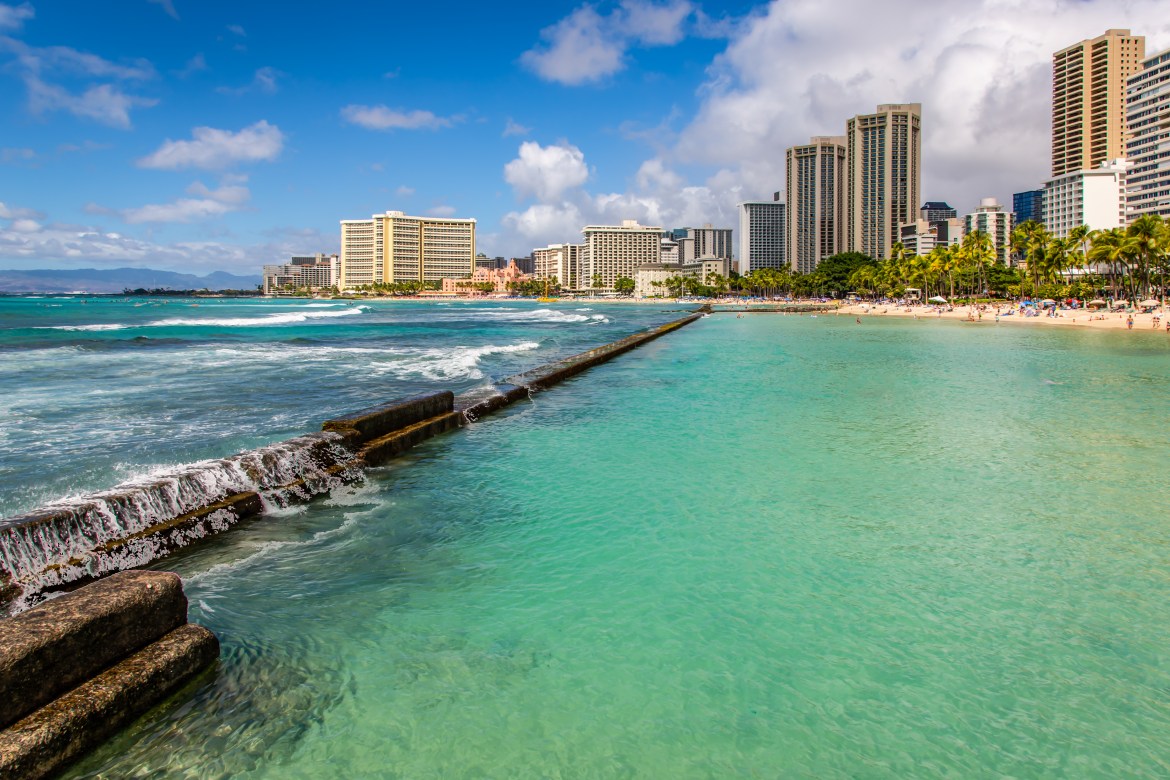
From the balcony of the Waikiki Beach Marriott Resort & Spa, looking down over the crescent of Waikiki Beach where turquoise waves roll lazily toward shore and umbrellas line the sand like colorful confetti. The camera pans inland to reveal the Koʻolau mountains, mist curling along their ridges as the city hums quietly beneath. Midway through, the focus shifts to surfers sitting in the late-afternoon light, silhouettes dotting the horizon as they wait for that one perfect wave. The finale unfolds at beach level, where the sun dips behind Diamond Head and the sky ignites in hues of orange, pink, and violet
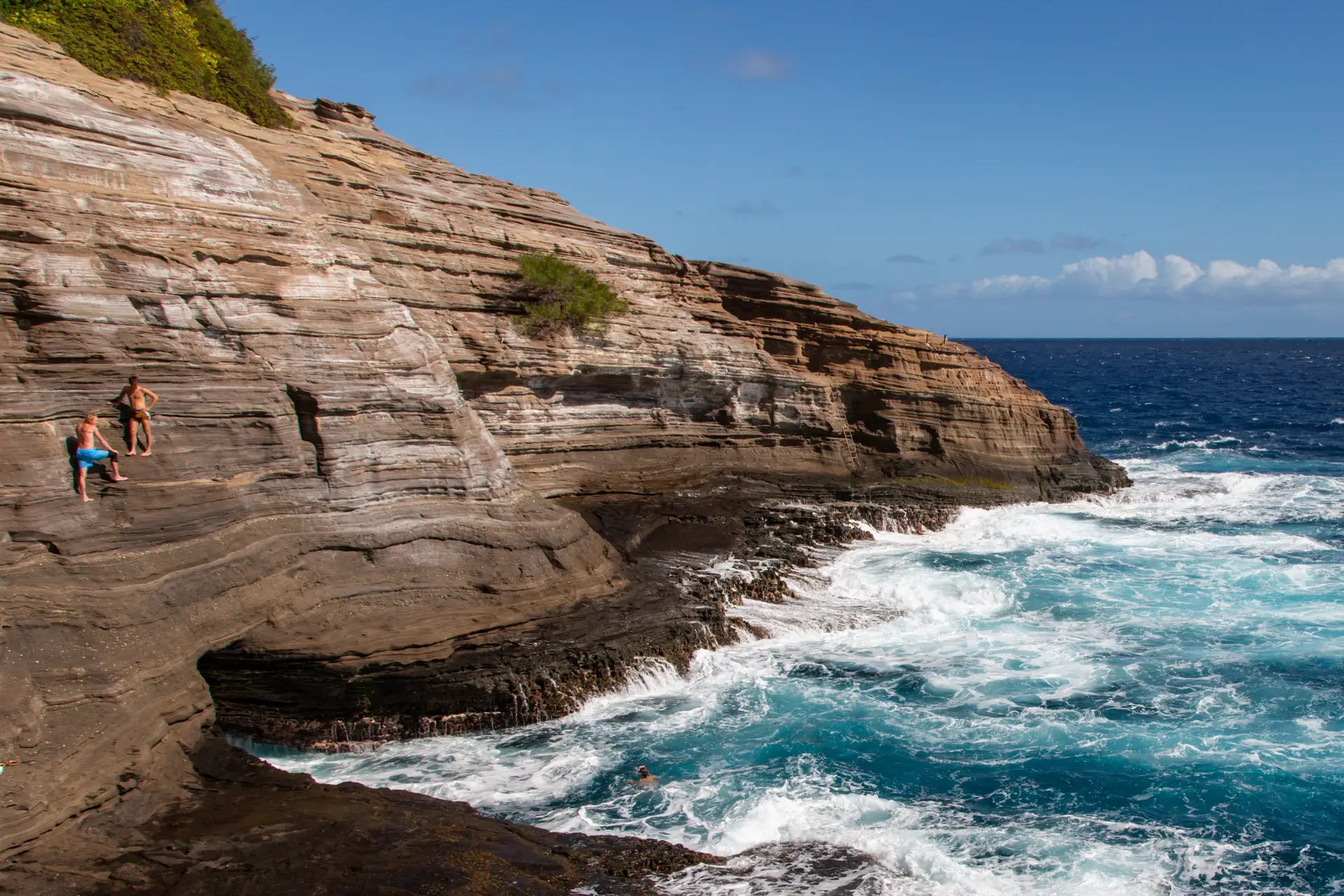
The sequence opens with a sweeping view of the rugged lava cliffs where the Pacific pounds the shoreline of Lana‘i Lookout. The camera captures the rhythmic surge of waves crashing into narrow fissures, water exploding upward like breath from the earth itself. Midway through, the focus shifts closer, tracing the layered volcanic rock formations carved over millennia—swirls of ochre, slate, and charcoal etched like nature’s fingerprint. Subtle pans reveal the coastline stretching endlessly toward the horizon, with spray and wind blending into a cinematic symphony of movement.
🎞️ Frames From the Road: Scenes Worth Stopping For in Honolulu





Behind the Lens
I’m Steve—a retired Army vet who traded ruck sacks for camera bags and now chases light across every latitude I can reach. From 110 point & shoot film camera beginnings to a Canon R5 Mark II and Mavic Pro II drone, I’ve logged shots in 36 countries and all 50 states, squeezing solo photo runs between corporate flights and longer adventures with my wife. Shutter Nomadica is where I share the hits, misses, and field notes so fellow roamers can skip the guesswork and grab the shot!