Rome, Italy — Walking Through the History We Grew Up Seeing

Starting Our Biggest Trip Yet in Rome

Rome was the first stop on the biggest and longest vacation Laura and I had taken together up to that point. We came through London and landed at Fiumicino late in the afternoon, excited to finally be in Italy but already wishing we had gotten there earlier. 

The hotel was absolutely beautiful. It was probably one of the nicest rooms Laura and I had stayed in together, and the service matched it. I had chosen it partly because I could use points, but the location mattered even more. We could walk out the door and immediately start seeing Rome instead of spending a lot of time getting into the historic center. 

We were tired from the flights, but sitting in the hotel was never really an option. We dropped our things, took a few pictures and went back outside. Gelato came first, then the Fountain of Moses and the area around Santa Maria della Vittoria. It was already too late to go inside the church, so we kept walking while I started taking pictures of the buildings around us. The age of everything was hard to ignore, especially compared with what we are used to seeing at home in the United States.

Rome ended up being one of our favorite places on the trip. The Colosseum and Roman Forum were the biggest reasons why. I had seen both represented in movies, books and photographs for years, and walking through them gave all of that history a scale that those images never really could.

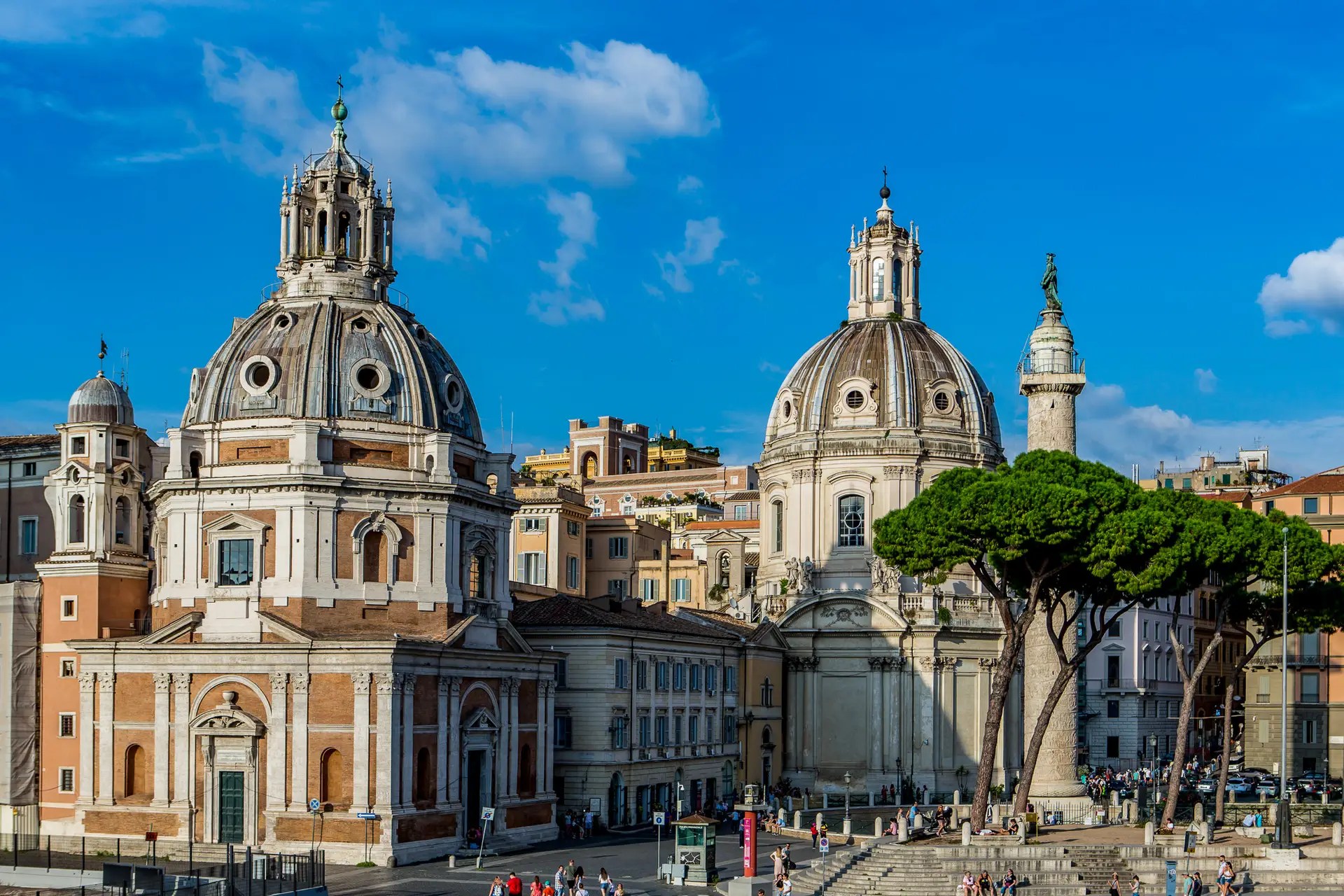
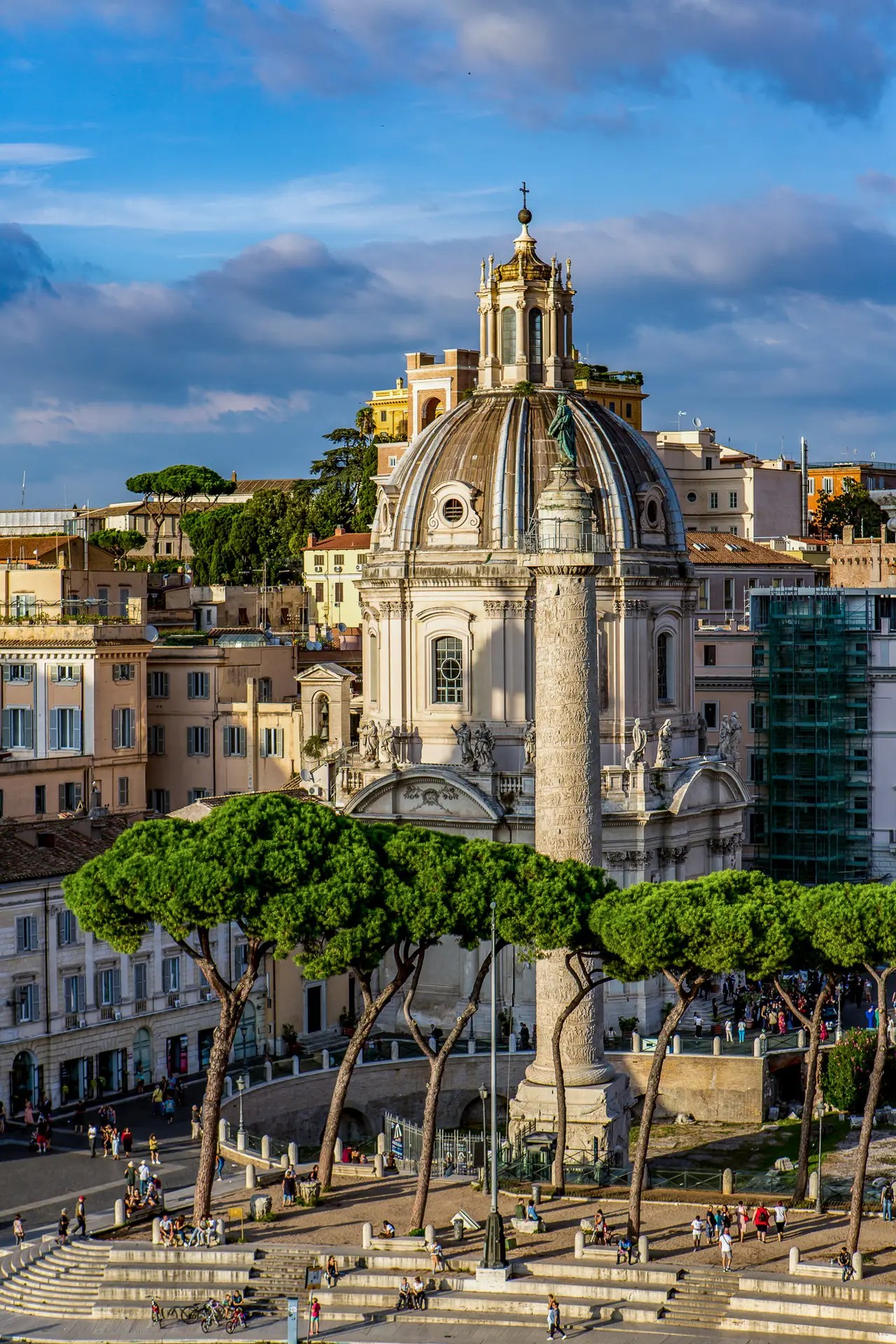
Santa Maria di Loreto and Santissimo Nome di Maria rising together beside Trajan's Forum in central Rome.
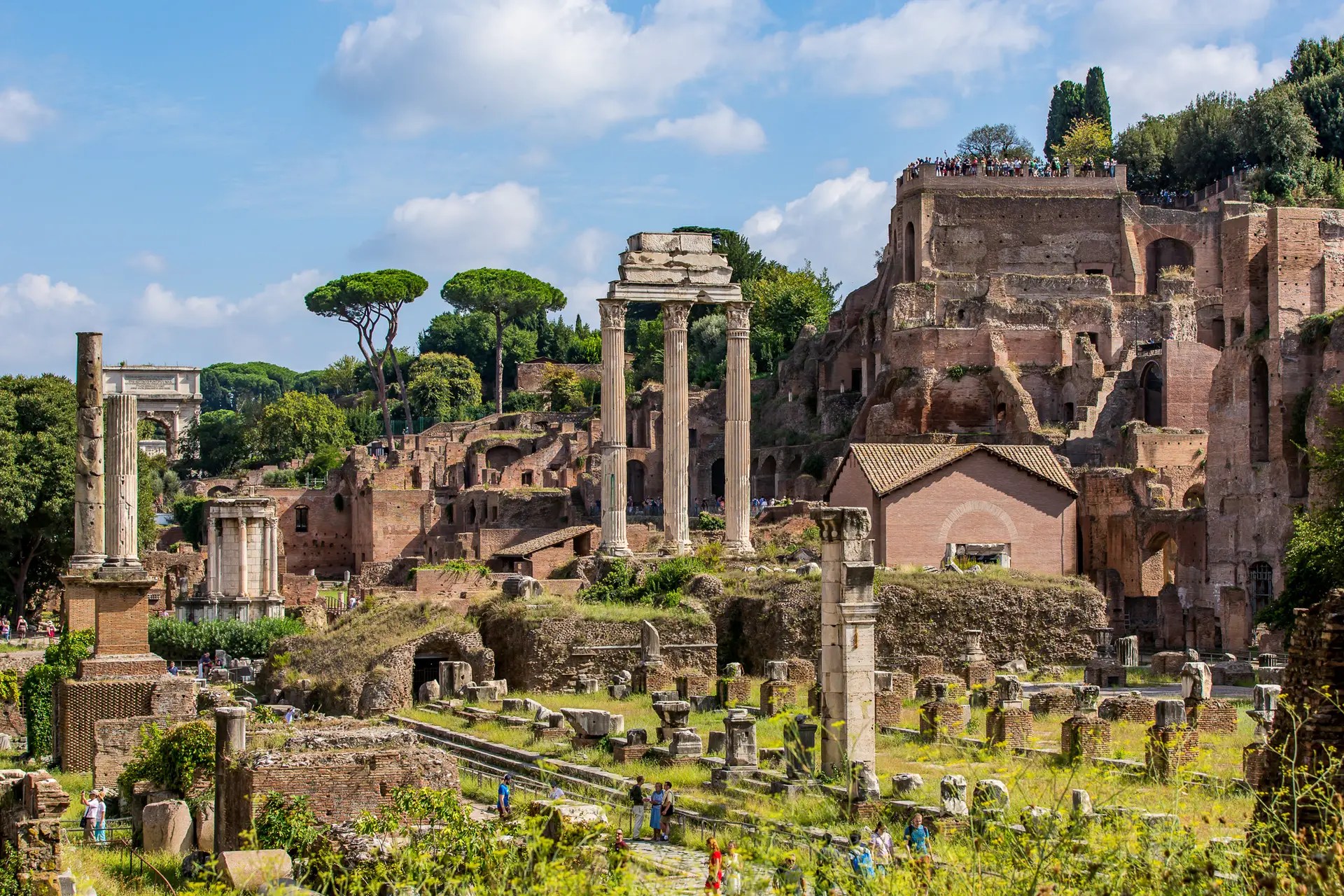
The Roman Forum stretching toward Palatine Hill, with the three columns of the Temple of Castor and Pollux above the ruins.
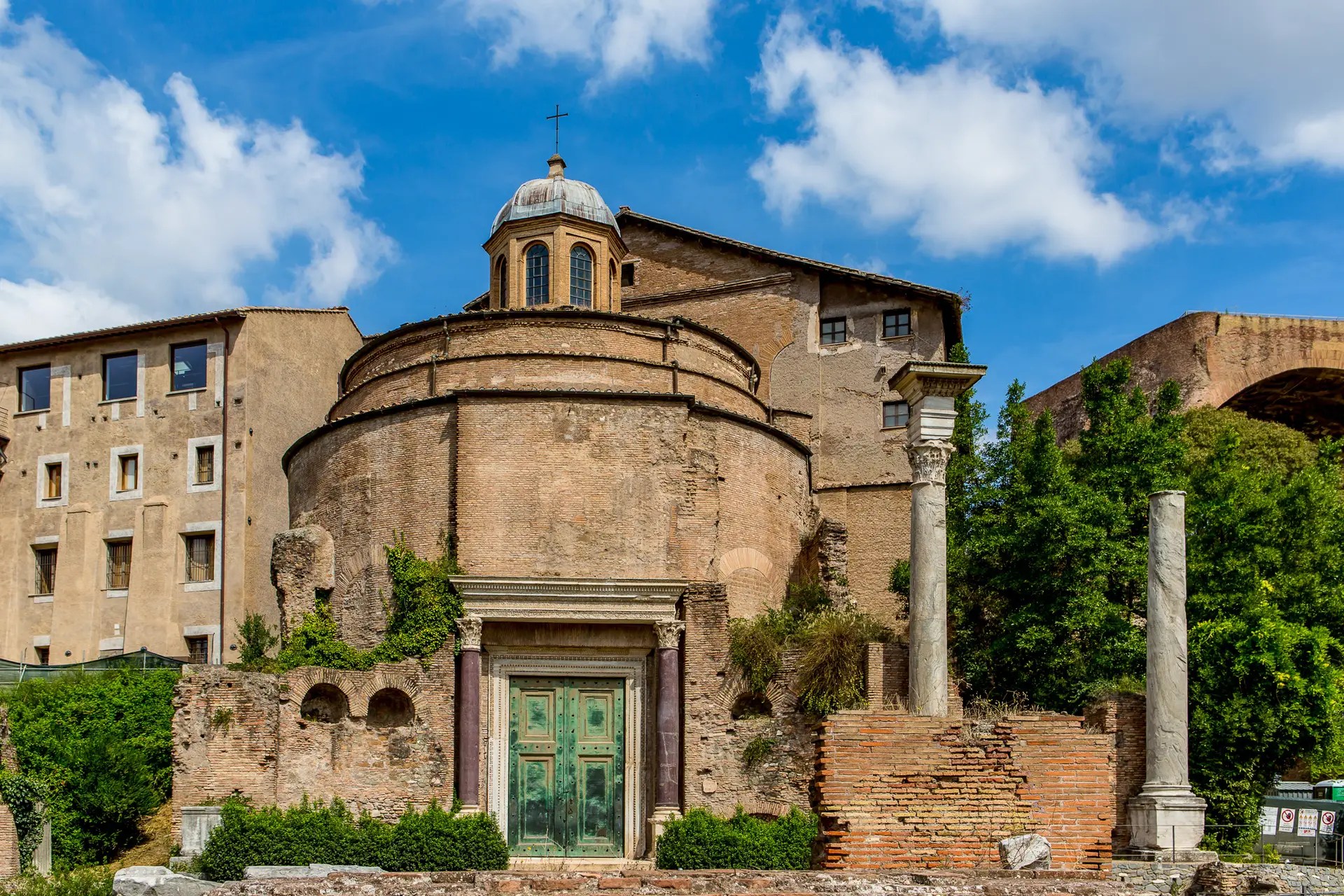
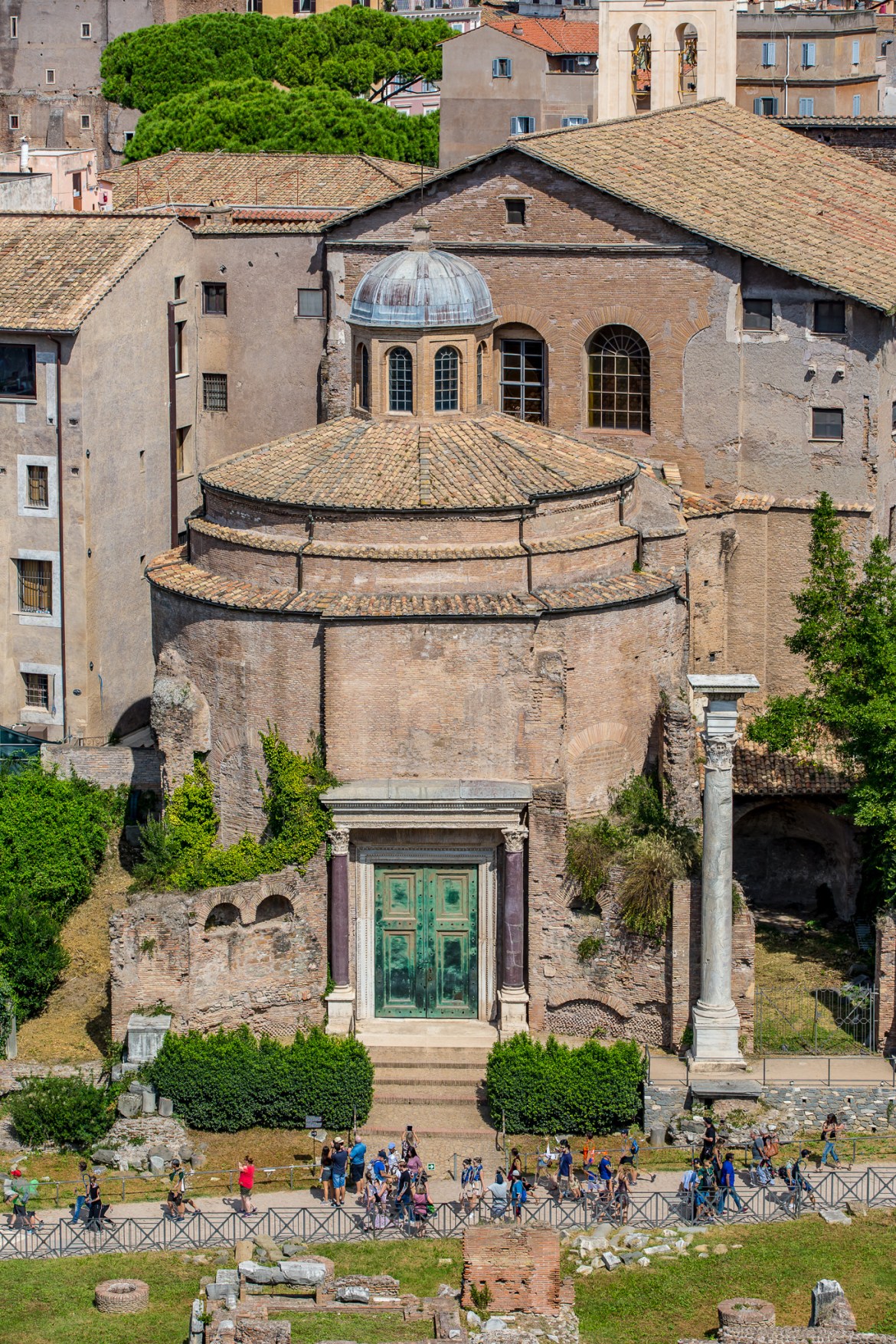
The circular Temple of Romulus and its ancient bronze doorway along the Via Sacra.
The Colosseum silhouetted against the warm evening light as sunset settles over Rome.
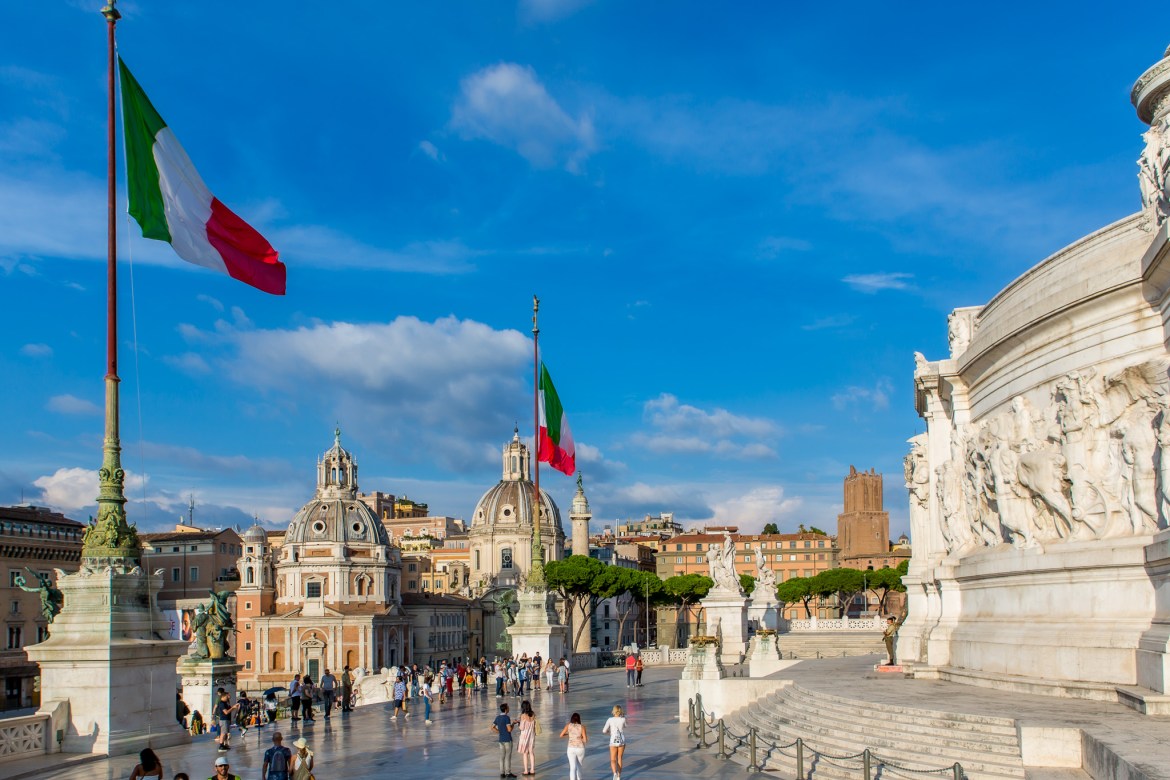
Giulio Monteverde's bronze Il Pensiero sculpture beside the Vittoriano's colonnade and Italian flag.
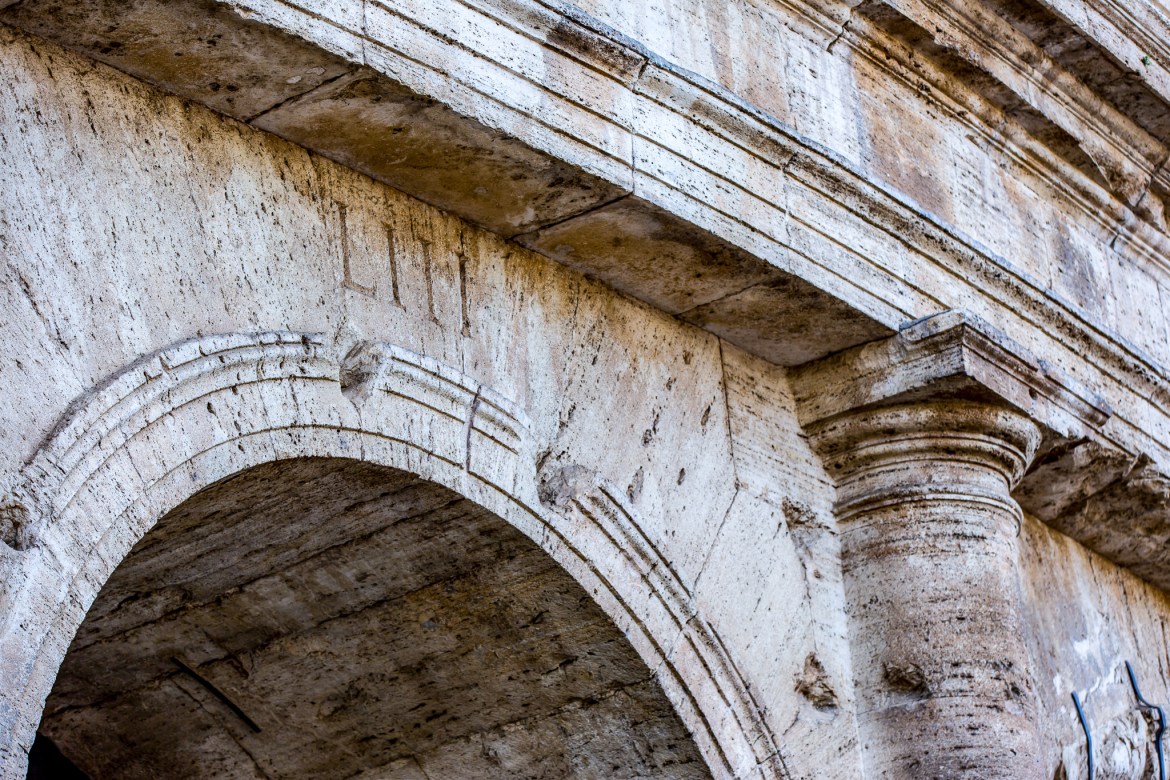
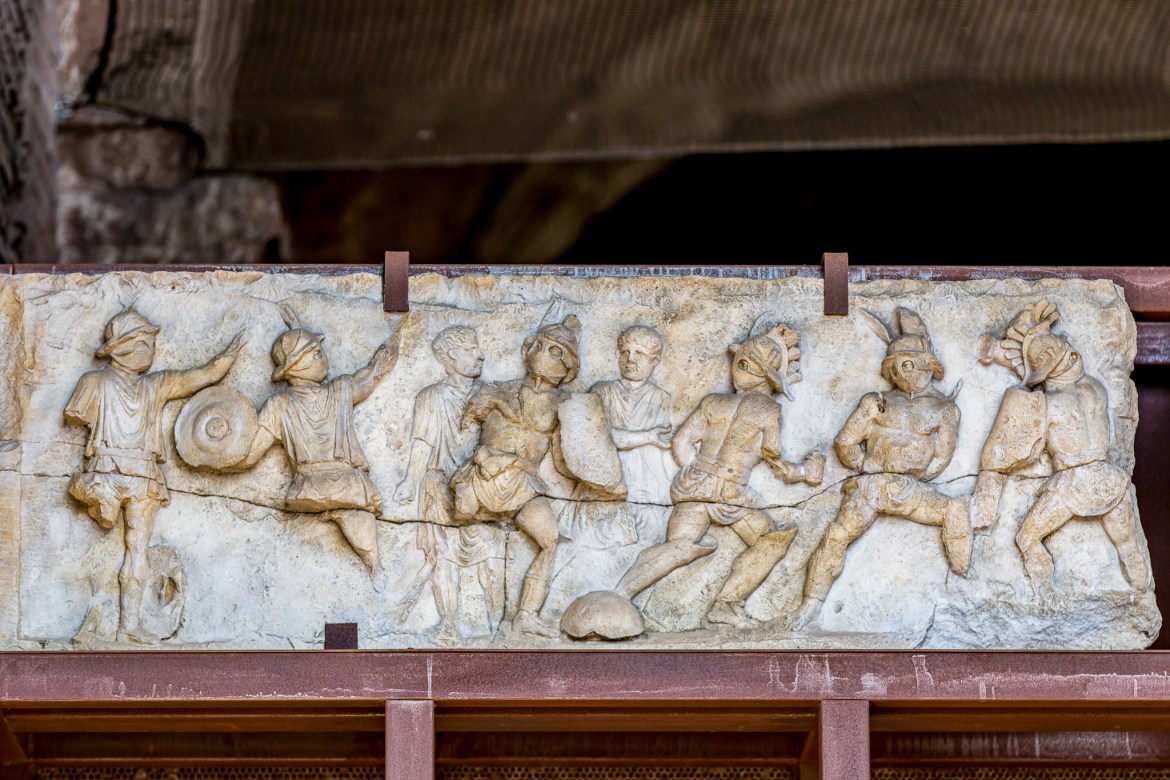
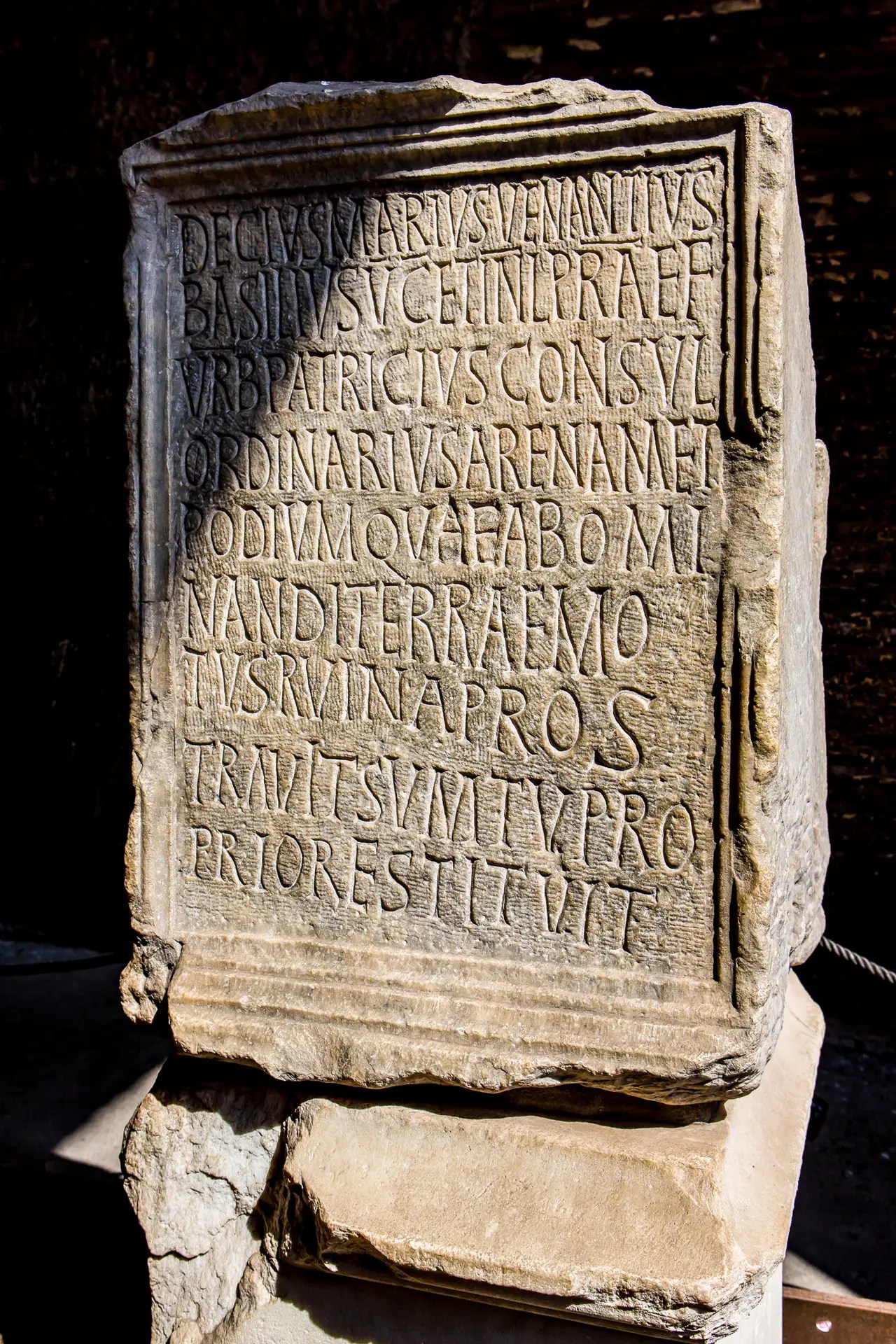
An ancient Latin inscription preserved inside the Colosseum archaeological complex.
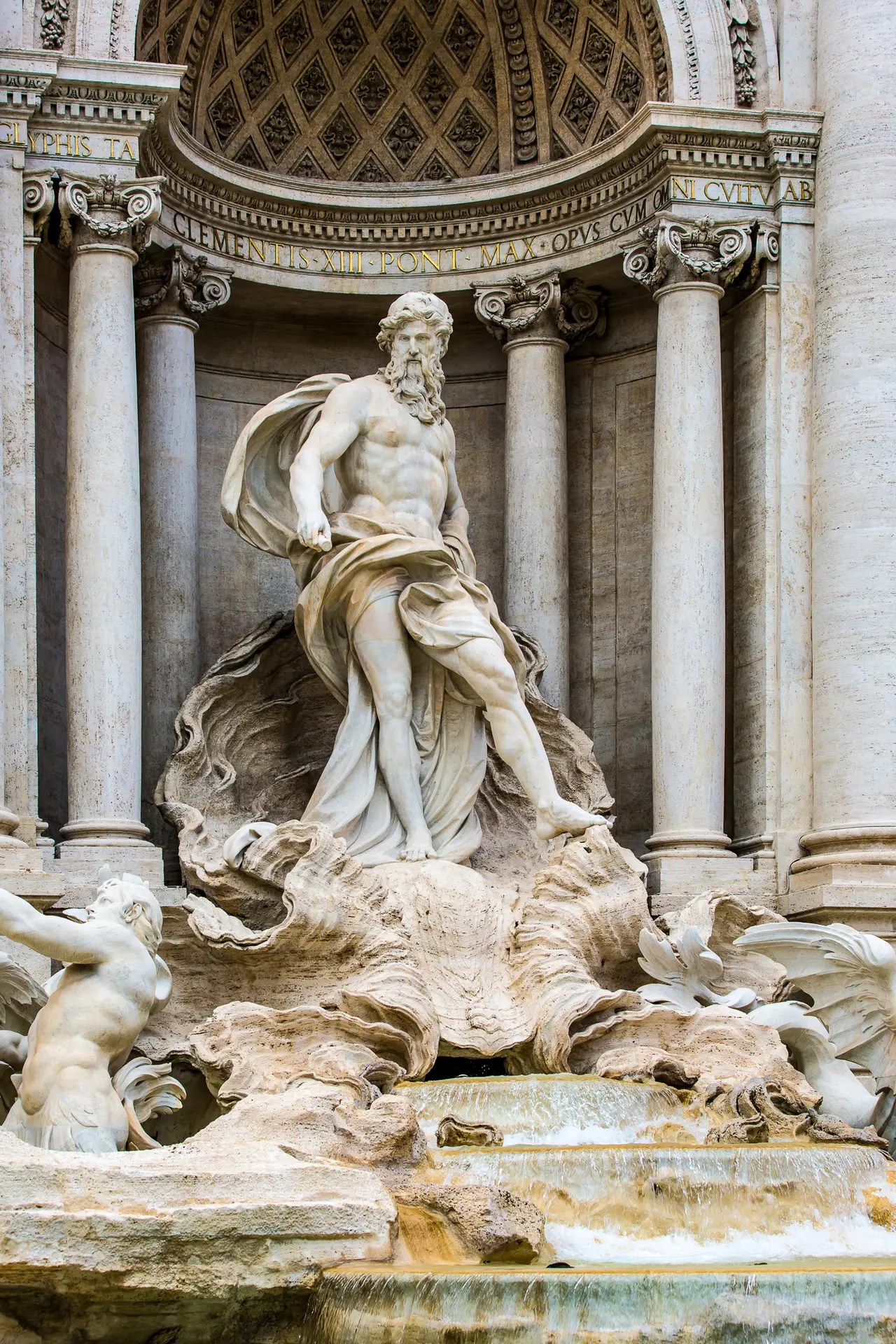
Pietro Bracci’s figure of Oceanus standing at the center of the Trevi Fountain.

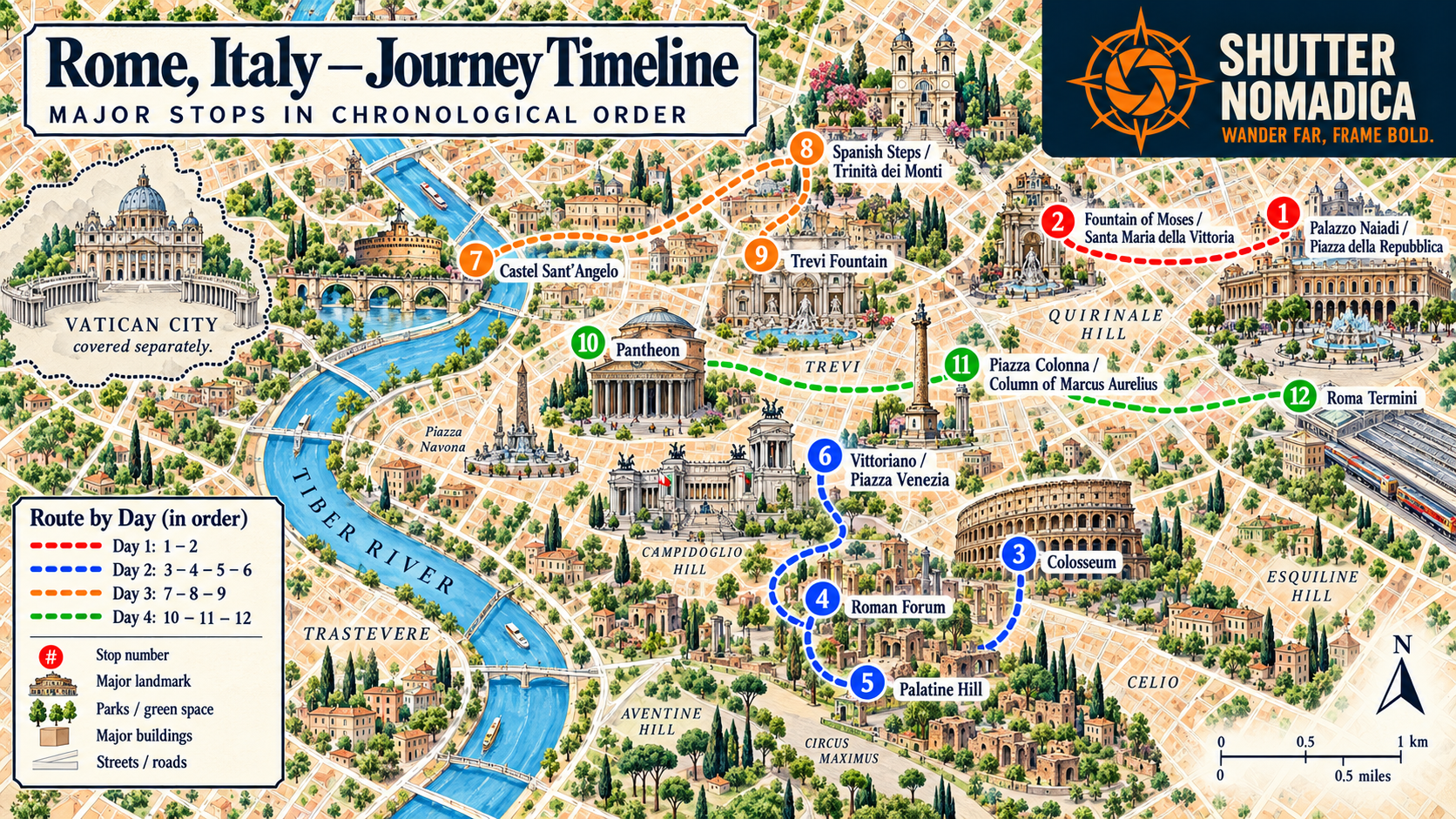
Journey Timeline

Day 1 — Arrival and First Walk Around Rome
We arrived at Fiumicino late in the afternoon, traveled into central Rome and checked into Palazzo Naiadi at Piazza della Repubblica. We headed back outside that evening for gelato and walked around the Fountain of Moses and Santa Maria della Vittoria before returning to the hotel.

Day 2 — Colosseum, Roman Forum and Palatine Hill
After breakfast, we headed toward the Colosseum for our tour. When it ended, Laura and I continued on our own through the Roman Forum, Farnese Gardens and Palatine Hill, eventually working our way toward Piazza Venezia and the Vittoriano. Later that evening we returned to the Colosseum and stayed long enough for me to photograph it as the light faded into blue hour.

Day 3 — Back into Rome After Vatican City
We spent the first part of the day in Vatican City before continuing around Castel Sant’Angelo and Ponte Sant’Angelo. We moved through the Spanish Steps area, visited Trevi Fountain and briefly returned to Palazzo Naiadi before heading back out for dinner at Da Trani.

Day 4 — Pantheon, Trevi and the Train to Naples
We left our luggage with Palazzo Naiadi while we continued sightseeing. After another visit near Vatican City , we returned to Rome for the Pantheon, Santa Maria Maddalena in Campo Marzio, Piazza Colonna and a second attempt at Trevi Fountain. We stopped at Flann O’Brien before collecting our bags and heading to Roma Termini for the Frecciarossa to Naples.

The Experience, Told Through the Journey

The Colosseum and Roman Forum Tour

After breakfast on our first full day, we joined the tour we had arranged for the Colosseum and Roman Forum. The Colosseum was one of the main places I wanted to see in Rome. It is probably the landmark most people immediately associate with the city, and standing there naturally brought to mind all the history tied to it, along with movies like Gladiator that most of us have seen over the years.

Laura listened to the guide more closely than I did because I was moving around taking pictures. I remember the discussion about the seating and restoration work, especially the white marble sections, but I spent more time looking at the structure itself and trying to understand how everything fit together.

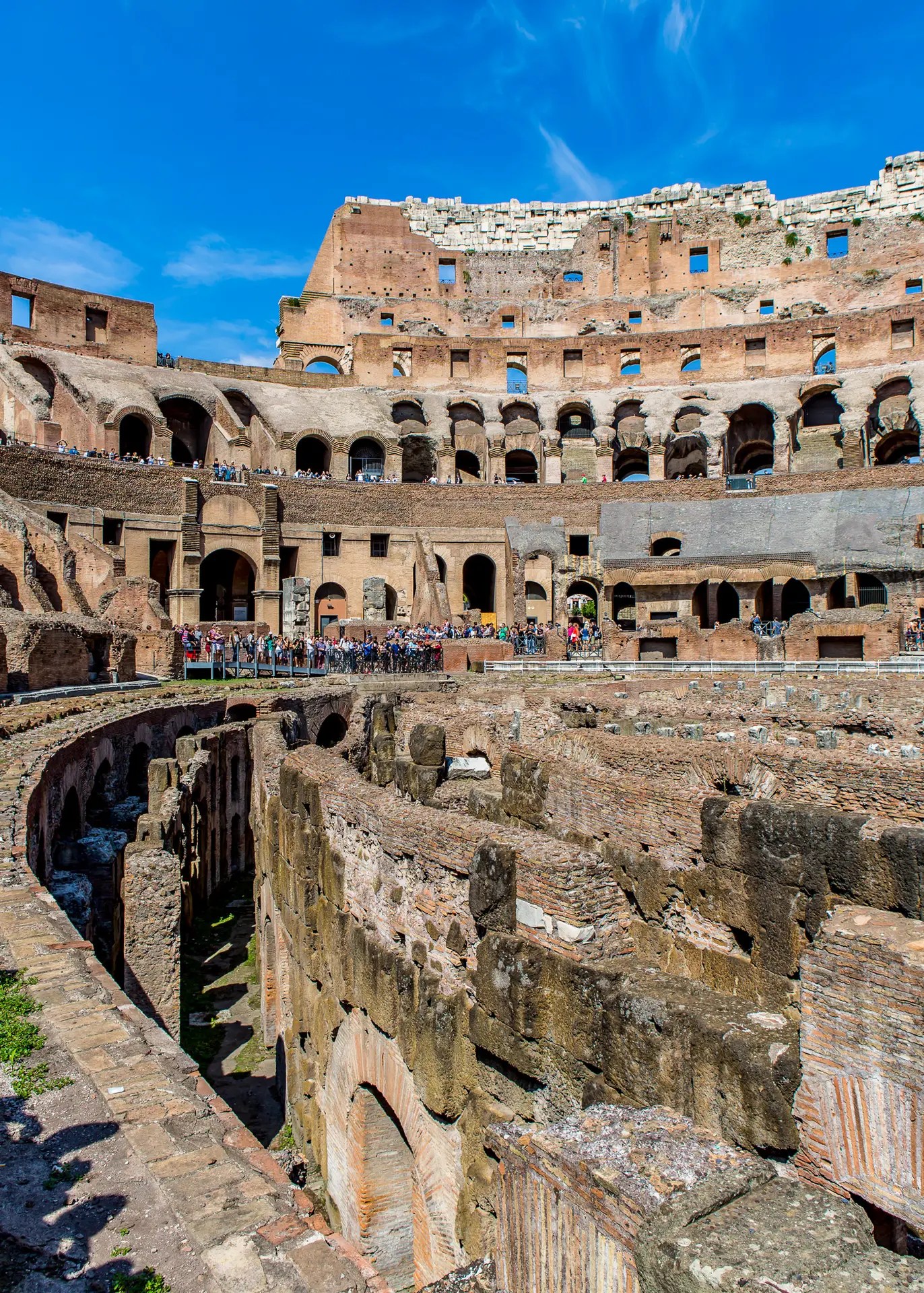
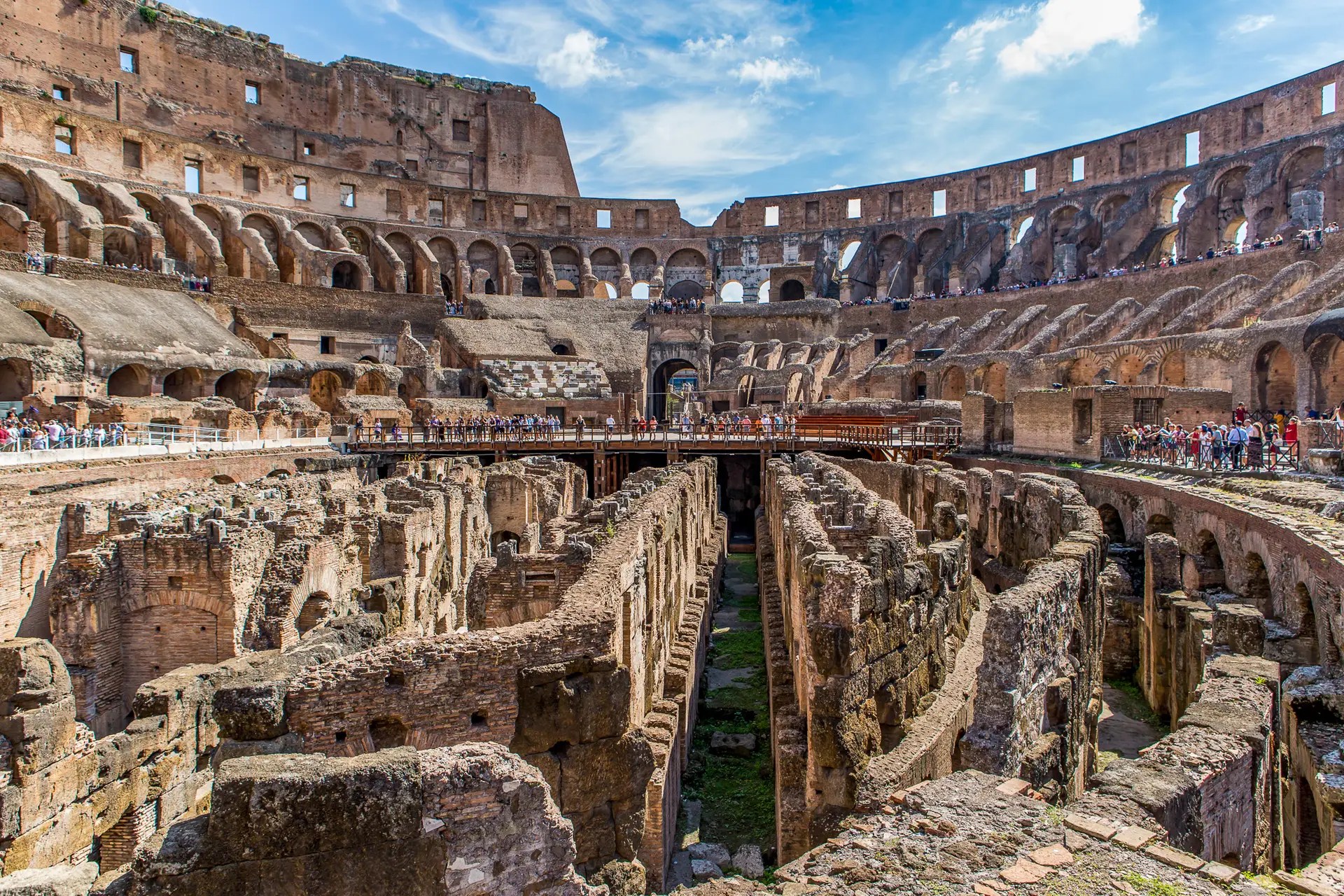
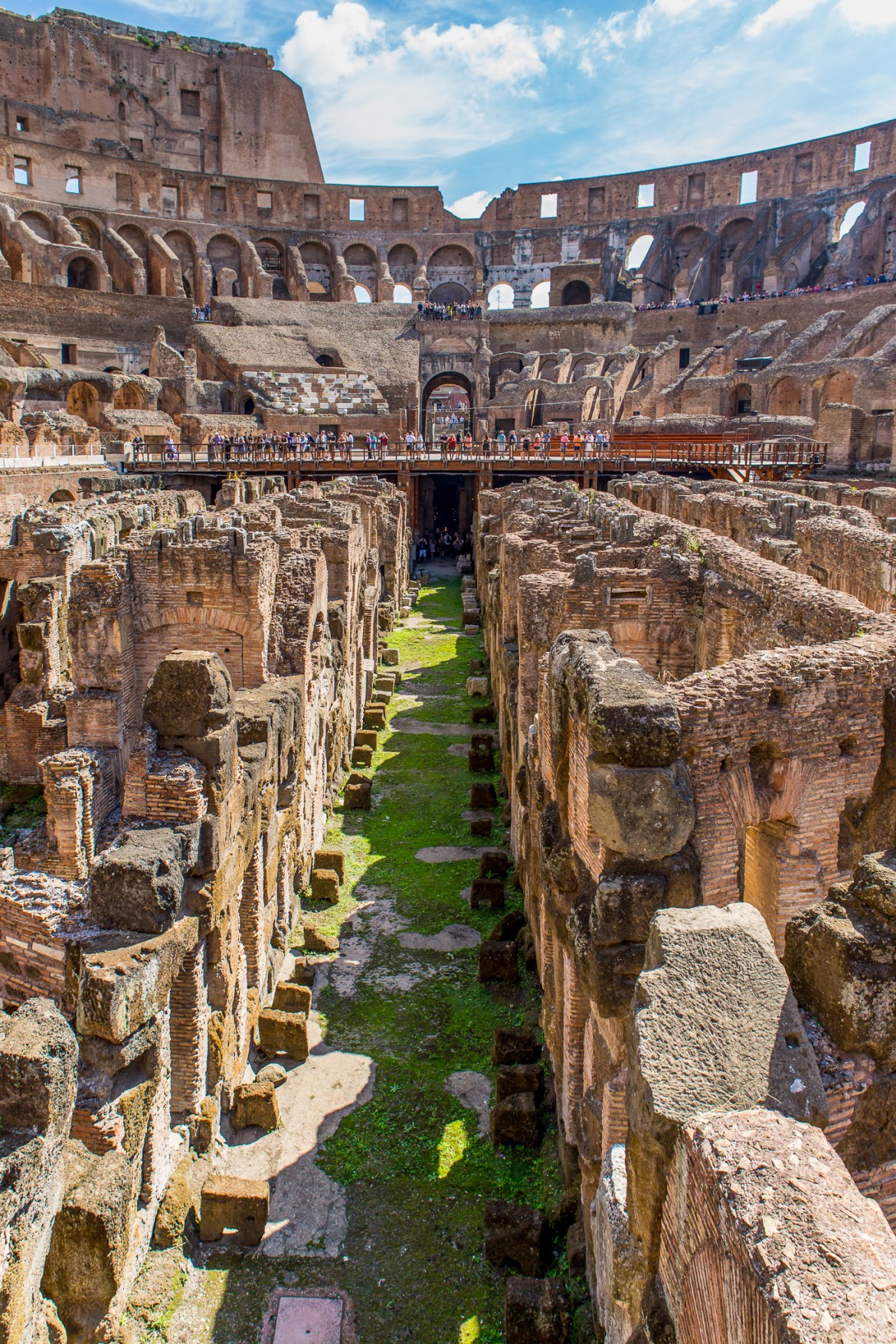
The underground areas were especially interesting. Looking down into the hypogeum, you could see the tunnels, rooms and passageways that supported whatever was happening on the arena floor above. There was a lot more engineering behind the Colosseum than I had really thought about before seeing it in person.

The Roman Forum was part of the same tour, so we continued there after the Colosseum. I did not know what most of the individual ruins were while we were walking through them. I was taking pictures of whatever looked interesting, and a lot of the names and details came later when I went back through the photographs.

That included places like the House of the Vestals, Temple of Romulus, Temple of Saturn and Temple of Castor and Pollux. I did not need to know exactly what each one was in the moment to know I wanted a picture of it.

The Forum as a whole was what I enjoyed most. There was so much ancient Rome in one area, even if much of it was now reduced to columns, walls and foundations.

Continuing Through Palatine Hill

After the organized part of the tour ended, Laura and I kept exploring. We worked our way through the Farnese Gardens and farther into Palatine Hill without really having a specific destination in mind.

I always like getting to higher ground when I am taking pictures because it gives me a better view of the overall layout. Palatine Hill gave me that perspective over the Roman Forum and helped me understand the area better than I could while walking through the ruins at ground level.

We passed San Bonaventura al Palatino along the way. We did not go there specifically, but I liked the way the church looked among the ruins and greenery, so I stopped for a photograph.

We continued through the imperial palace area and around the Palatine Stadium, photographing as we went. A lot of the specific names came later when I worked through the images.

Piazza Venezia and the Vittoriano

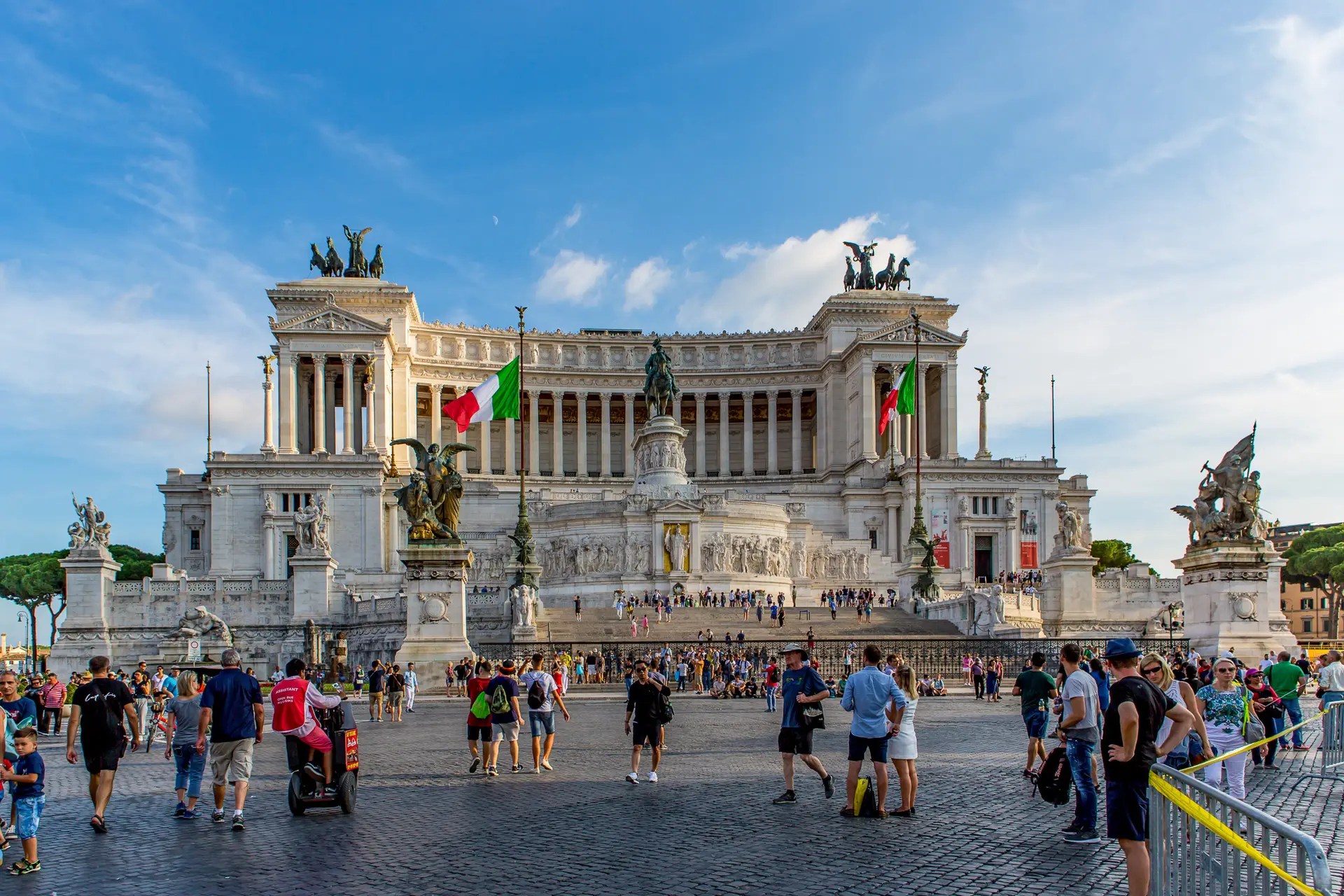
We could see Piazza Venezia in the distance, so we gradually worked our way in that direction. The Vittoriano is much newer than the ancient sites we had been seeing, but it is still an enormous structure with a lot of detail.

We explored different parts of it inside and outside. There were sculptures, reliefs, columns, flags and elevated views over the surrounding area, so I had plenty to photograph.

Rome worked well for the way Laura and I like to travel. We had major places we wanted to see, but if something interesting showed up while we were walking, we usually went over and checked it out.

Back to the Colosseum for Blue Hour

Later that evening, we went back to the Colosseum because I wanted to photograph it after sunset. Blue hour was getting close, so I told Laura we should hang around a little longer.

I wished pretty quickly that I had brought a tripod. I tried shooting handheld with the Canon, but the results were not what I wanted. I ended up liking the photograph I took with my Samsung phone better than the Canon shots.

We stayed long enough to see the Colosseum illuminated before eventually heading back toward the hotel.

The illuminated Colosseum glowing beneath the deep blue evening sky.
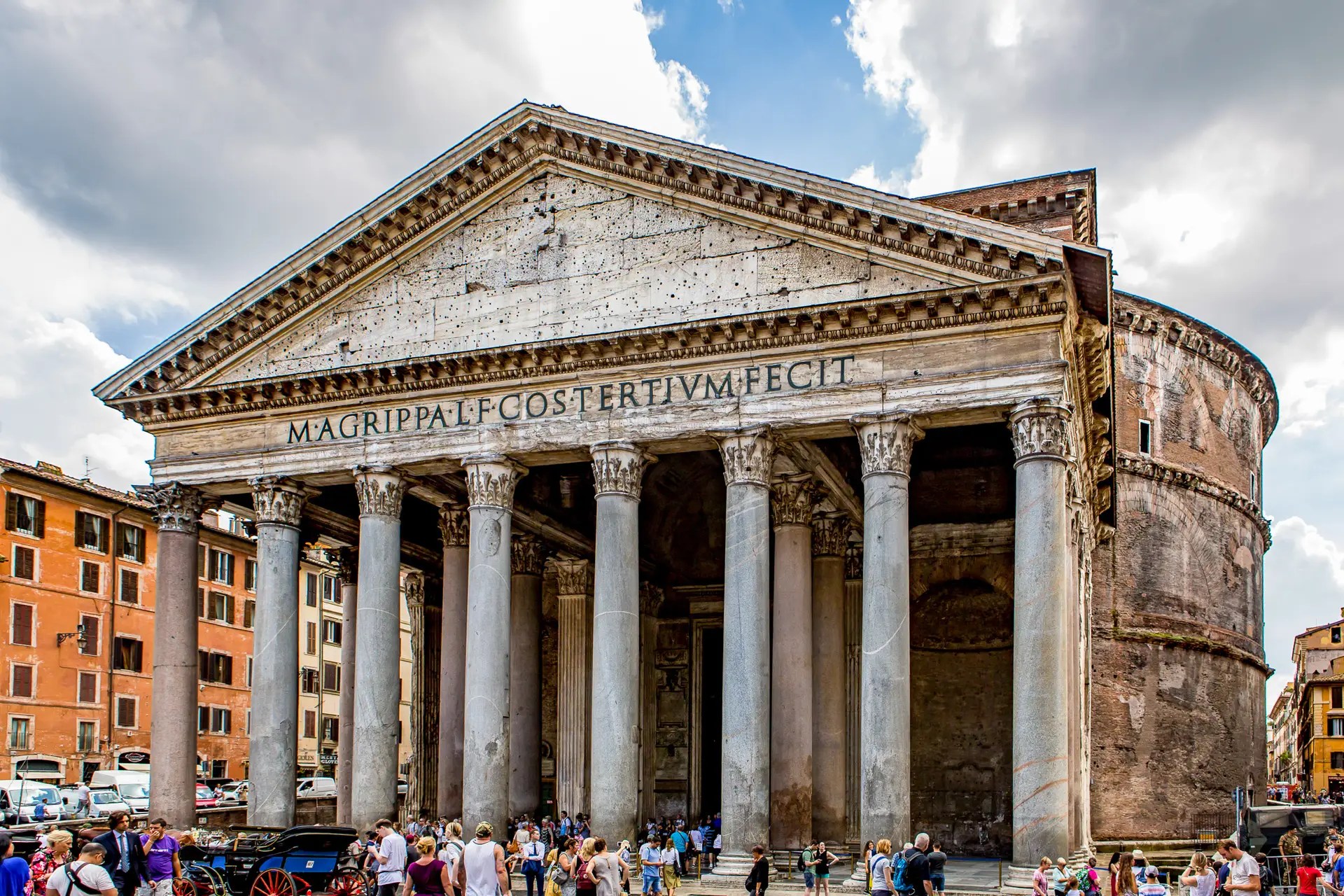
The Pantheon’s ancient portico facing Piazza della Rotonda in the heart of Rome.
The Trevi Fountain filling Piazza di Trevi beneath a clear Roman sky.
The elaborate Rococo entrance of Santa Maria Maddalena in Campo Marzio in Rome’s historic center.
The memorial bust of Renaissance architect and painter Baldassare Peruzzi inside the Pantheon.
Roasted chestnuts piled into a street vendor’s pan near Piazza di Spagna.
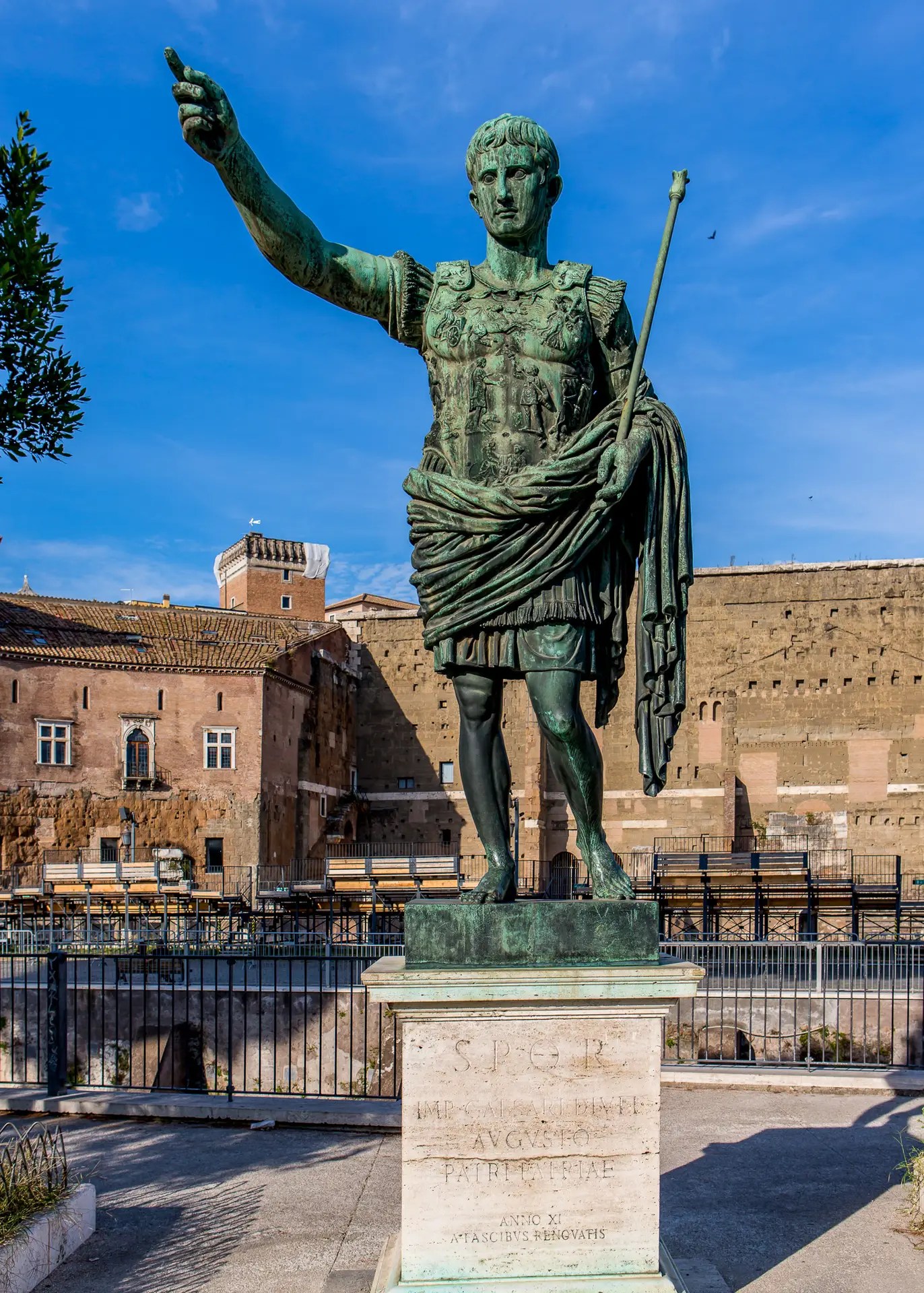
The bronze figure of Augustus standing beside the ruins of his imperial forum along Via dei Fori Imperiali.

The Experience, Told Through the Journey

Back in Rome After Vatican City

The next day began in Vatican City, which has its own Destination Story. After we finished there, we continued walking around the Tiber and back into Rome.

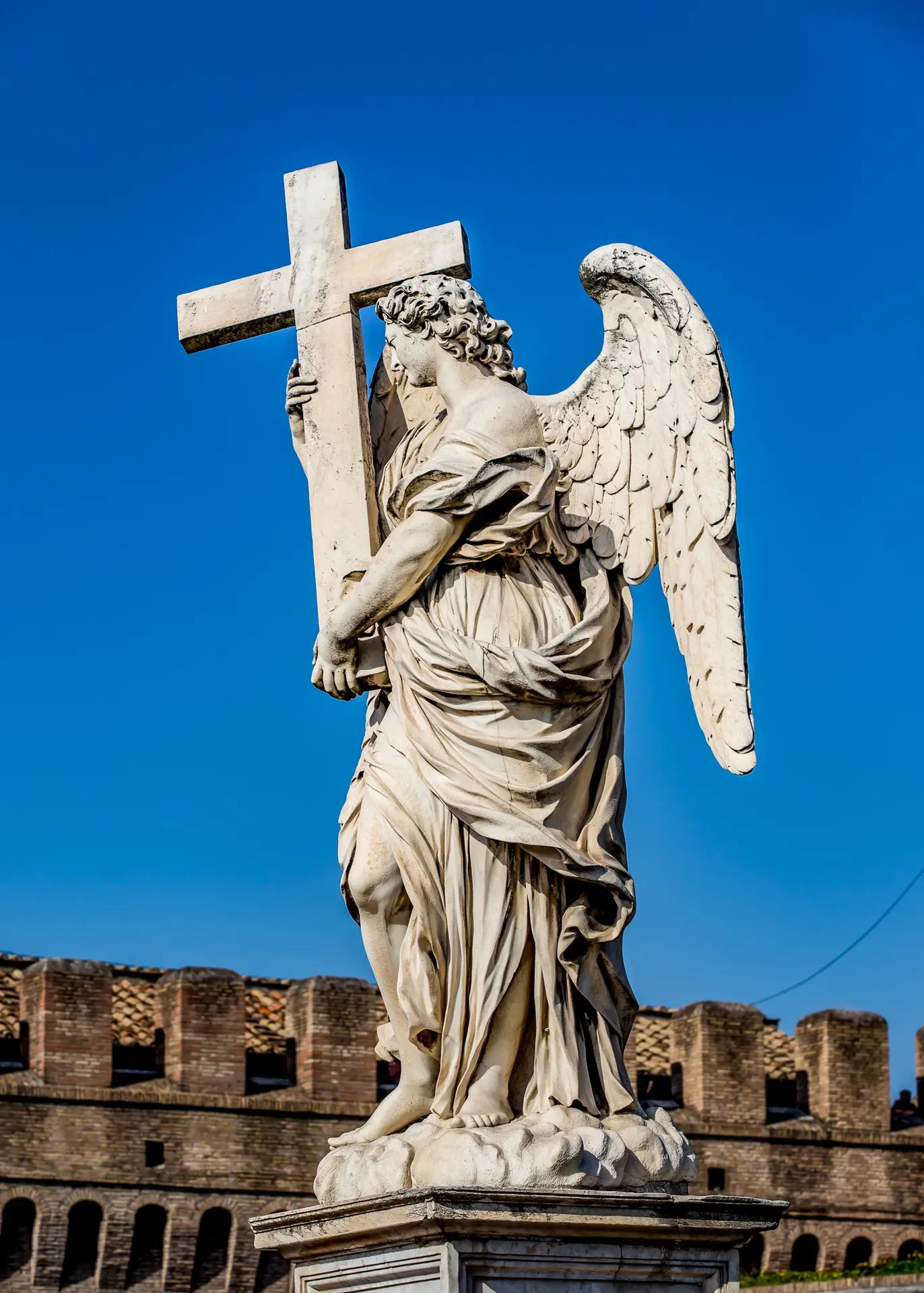
We came across Castel Sant’Angelo and Ponte Sant’Angelo and spent some time there. Old buildings, bridges and architectural details are exactly the kind of things I tend to stop for, so we crossed the bridge and looked at the statues along the way.

We also had hop-on/hop-off bus passes during our stay and used transportation when it made sense for longer distances. Once we reached another part of the city, we usually went right back to walking.

Spanish Steps and Roasted Chestnuts

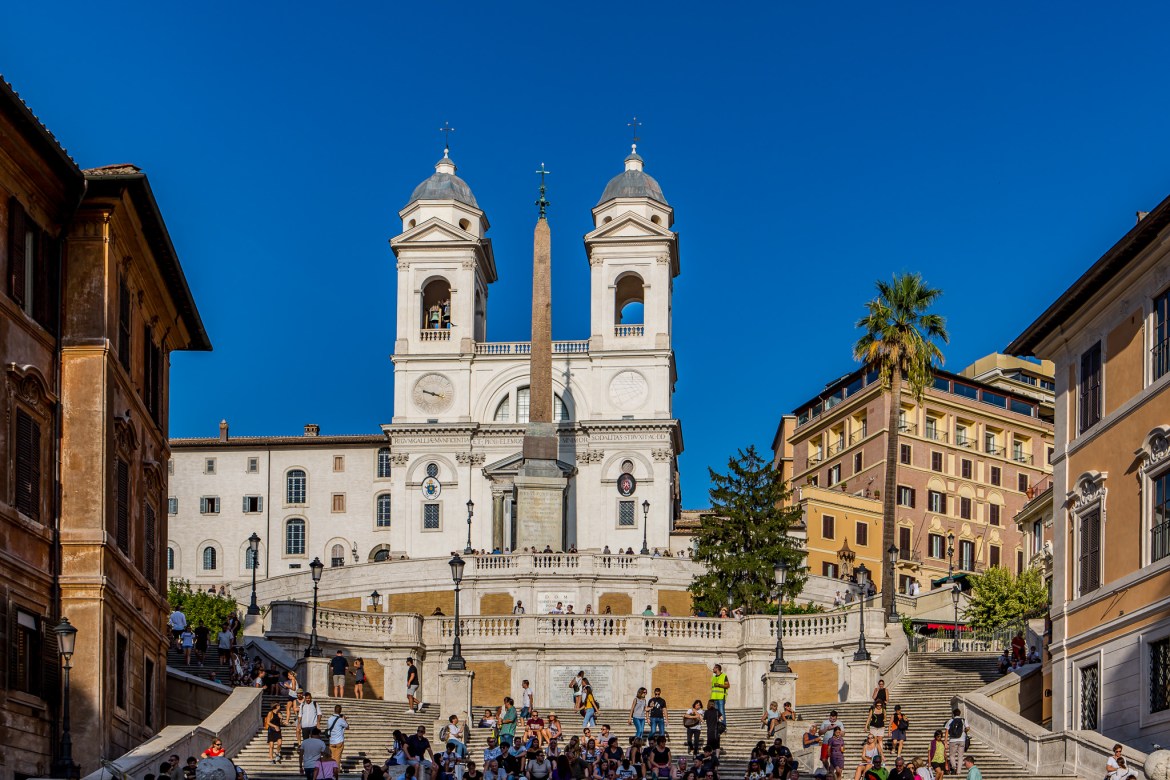
We reached the Spanish Steps near the upper end around Trinità dei Monti and walked around the surrounding area. Before the trip, I did not know much about the Steps other than seeing them listed as one of the major places people visited in Rome, so naturally we wanted to see them.

The area was crowded, which made taking pictures harder. We walked through Piazza di Spagna and around the nearby streets before continuing on.

I also remember smelling roasted chestnuts. We did not buy any, but the smell reminded me of growing up. There were chestnut trees across the street from our house, and I remember dealing with those sharp outer husks, peeling the chestnuts and putting them along the ledge of our wood-burning stove.

Trevi Fountain

Trevi Fountain was packed. The area around it is much tighter than a lot of photographs make it look, and there were people everywhere.

I spent time moving around trying to find a decent angle, but the crowd made photography difficult. We came back again the following afternoon hoping it might be quieter, but it was still just as busy.

By that second visit I had bought a ROMA baseball cap after spending too much time in the sun without one and getting burned. I kept the hat and later started doing the same thing on other trips.

Dinner at Da Trani

Later that evening we walked past Da Trani and decided to stop for dinner. I ordered a very large steak, and Laura had the seafood pasta with mussels, clams and tomatoes that I photographed.

The food was excellent, and so was the wine. I still remember thinking how strange it was that still water could cost more than such good wine.

The Pantheon

On our last day, Palazzo Naiadi held our luggage while we kept sightseeing. After the Vatican City portion of the day, we came back into Rome and visited the Pantheon.

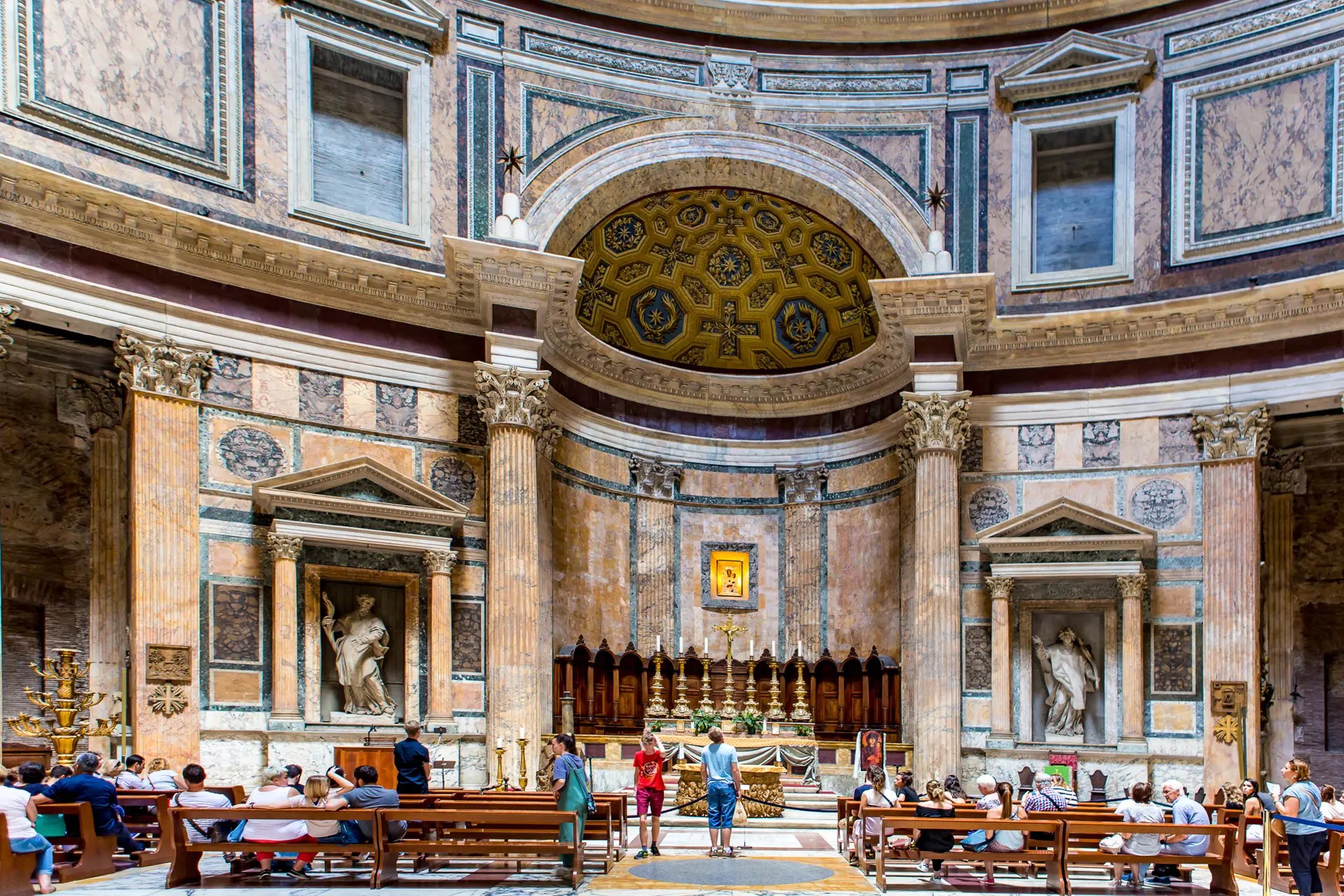
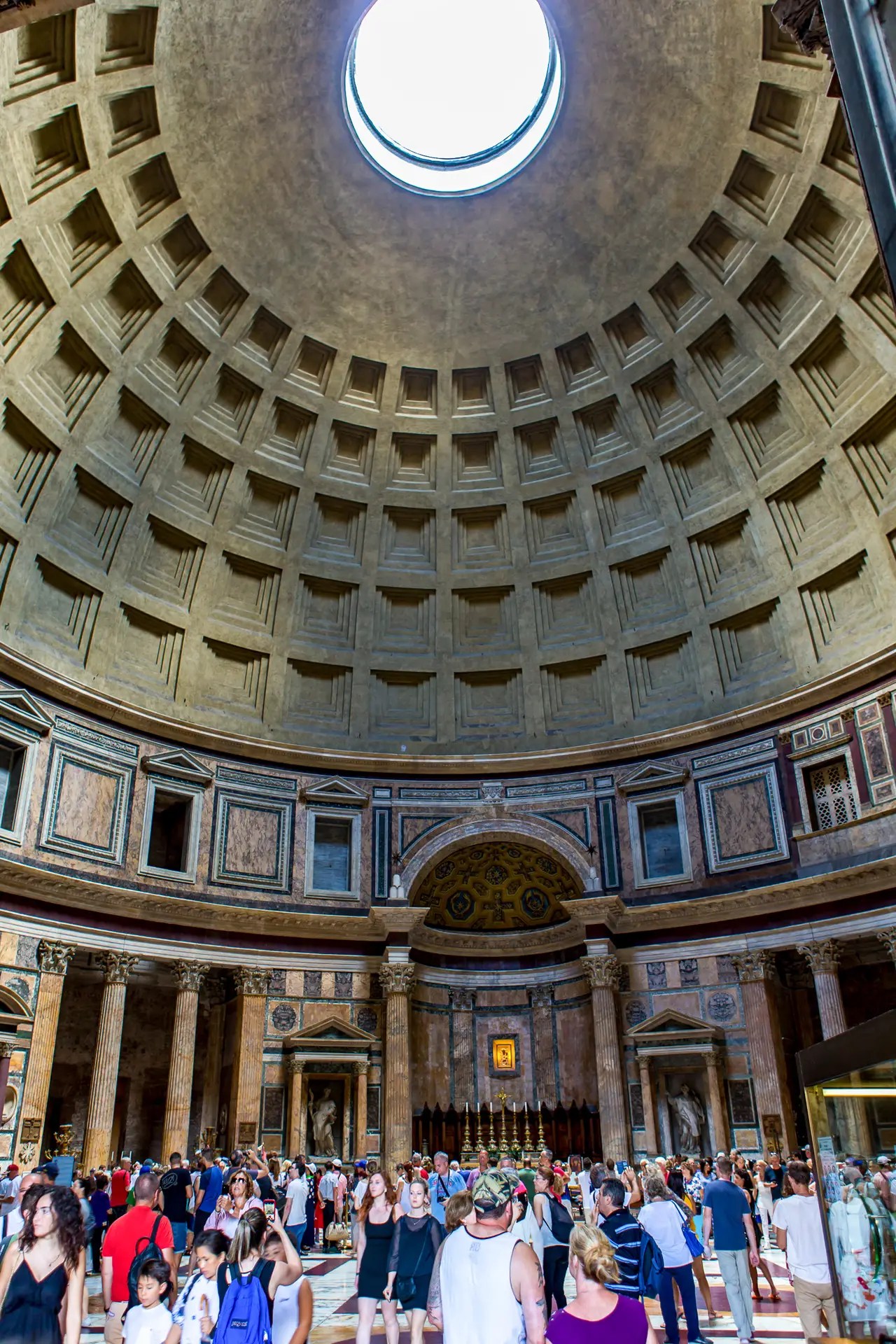
The exterior was impressive, but once we walked inside, I spent a lot of time looking at the dome and the oculus. The size of it is hard to judge properly until you are standing underneath it.

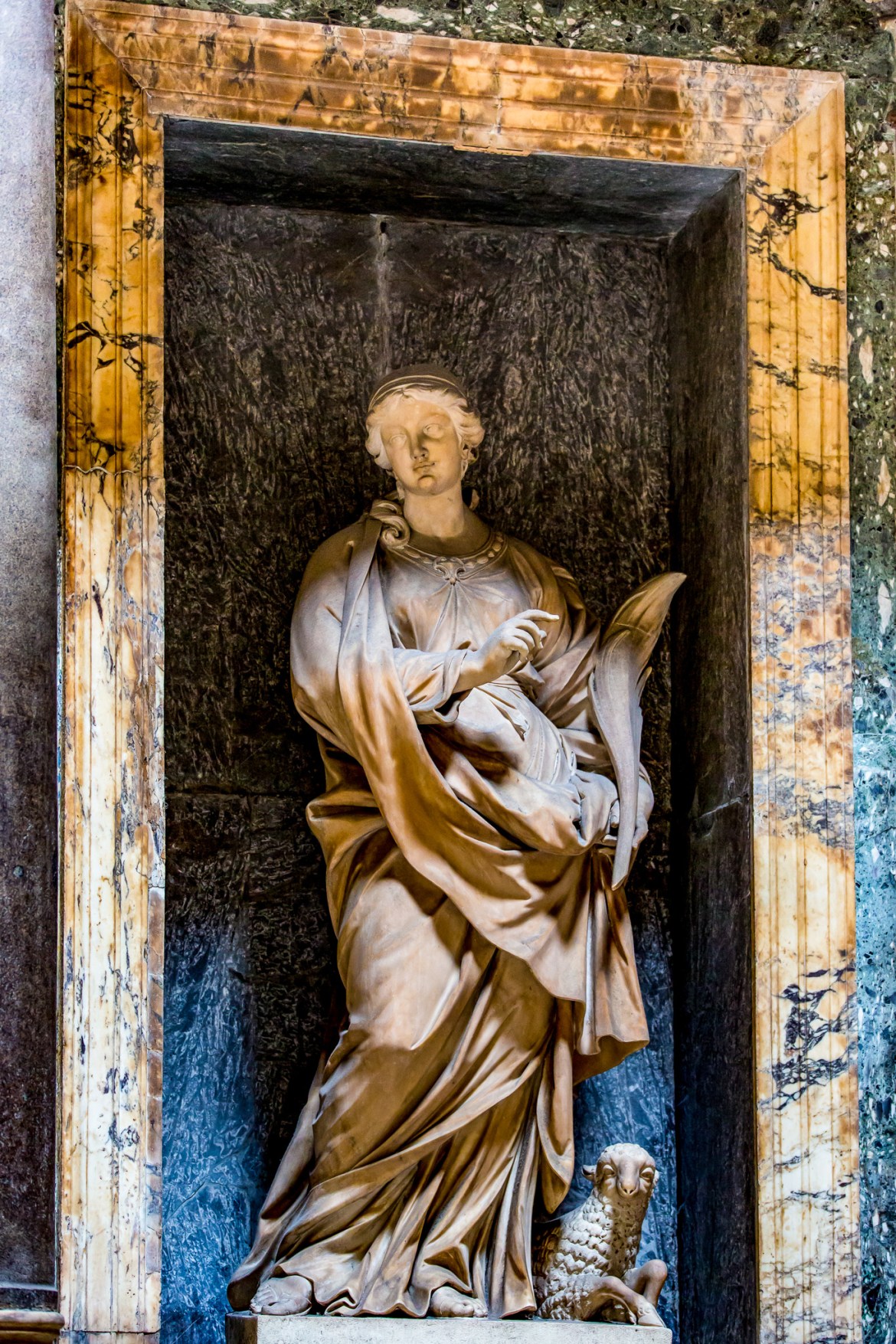
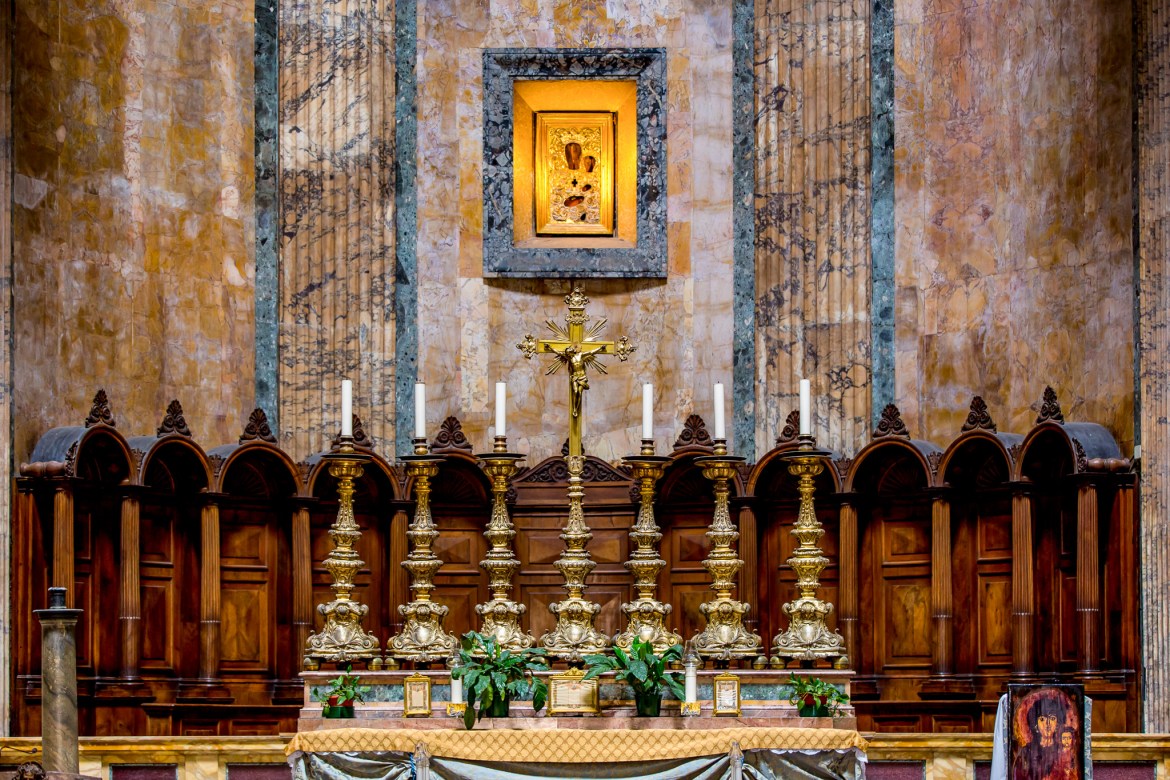
I photographed the altar, sculptures, Raphael’s tomb and the royal tombs, but I did not know exactly what every one of them was while we were there. I learned more about them afterward when I went through the photographs.

We passed Santa Maria Maddalena in Campo Marzio while we were walking. We were not looking for it, but the façade was beautiful, so I stopped and took a picture.

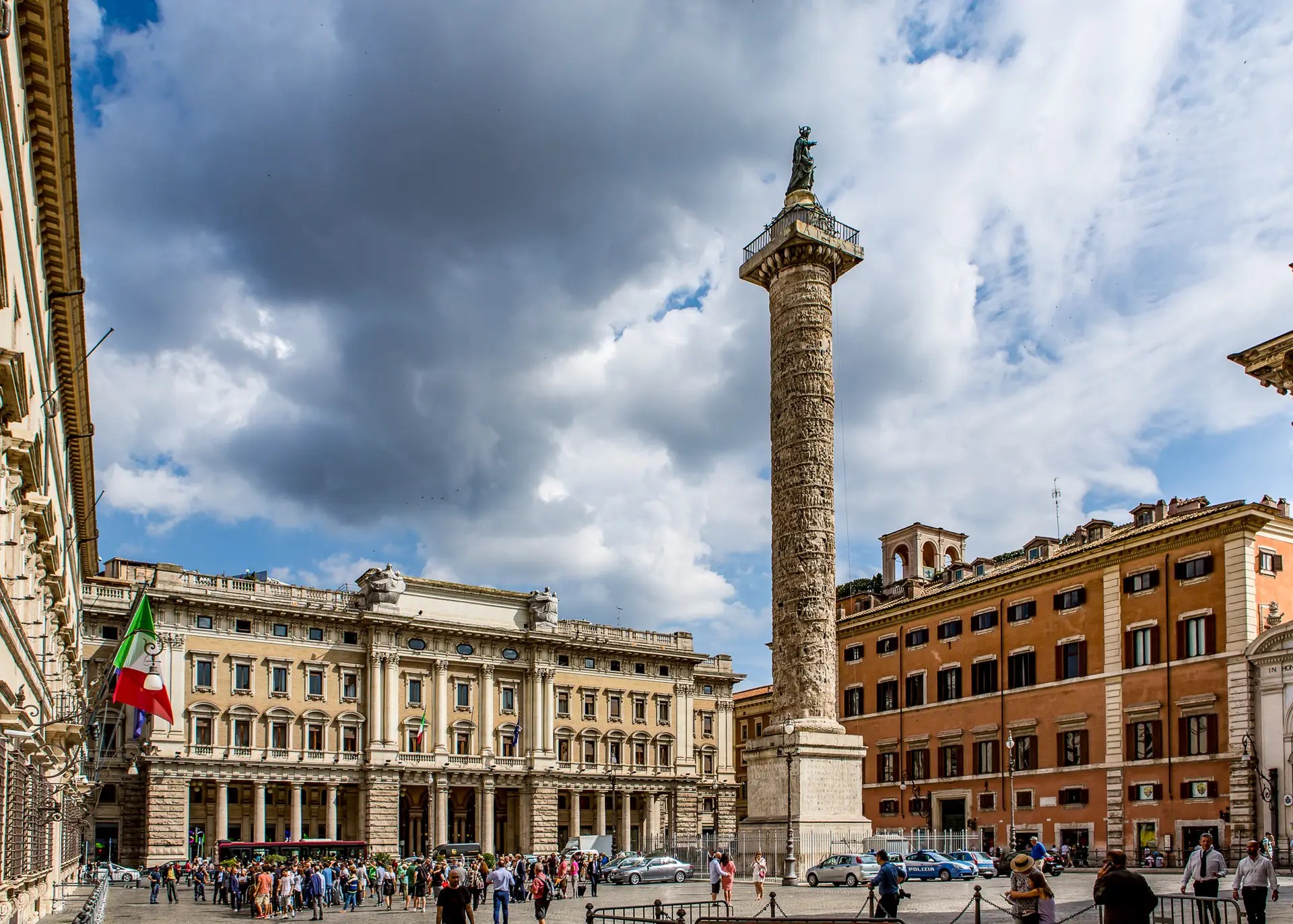
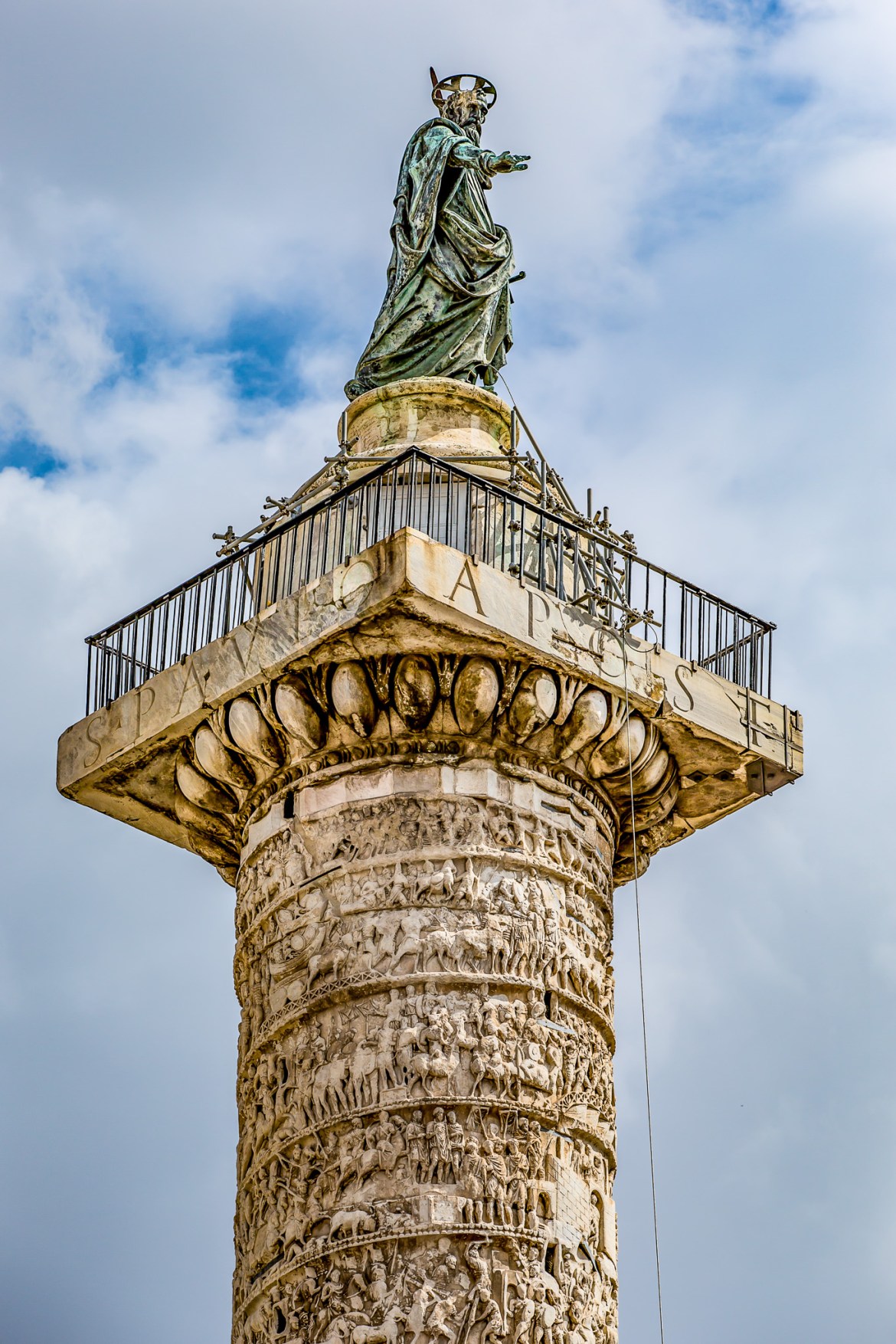
The same thing happened at Piazza Colonna. I did not know what the Column of Marcus Aurelius was at the time, but it looked important enough that I took several photographs so I could figure it out later.

Flann O’Brien and Leaving Rome

By the last afternoon, we had spent a lot of time walking and I was ready to sit down for a while. Flann O’Brien looked good inside and out, so we stopped and I had a cold beer.

Afterward we went back to Palazzo Naiadi, picked up our luggage and headed to Roma Termini.

I had booked first class on the Frecciarossa because I wanted Laura and me to be comfortable and enjoy the ride to Naples. It was our first high-speed train ride together, although I had taken one before between Moscow and Saint Petersburg.

I mainly remember how many snacks they kept bringing around, especially the Italian chocolates.

Then we were on the train headed south to Naples.

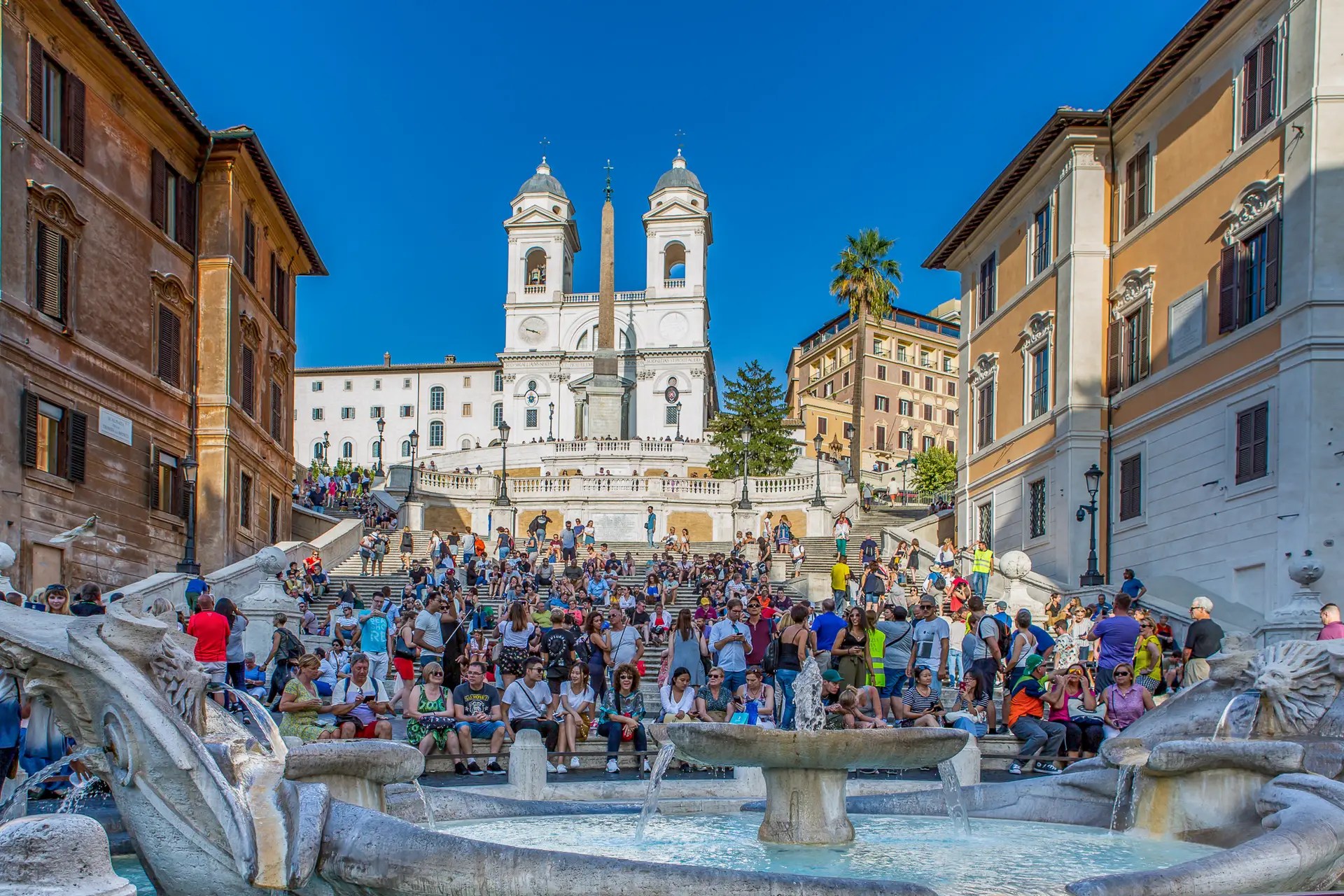
The Fontana della Barcaccia at the foot of the crowded Spanish Steps beneath Trinità dei Monti.
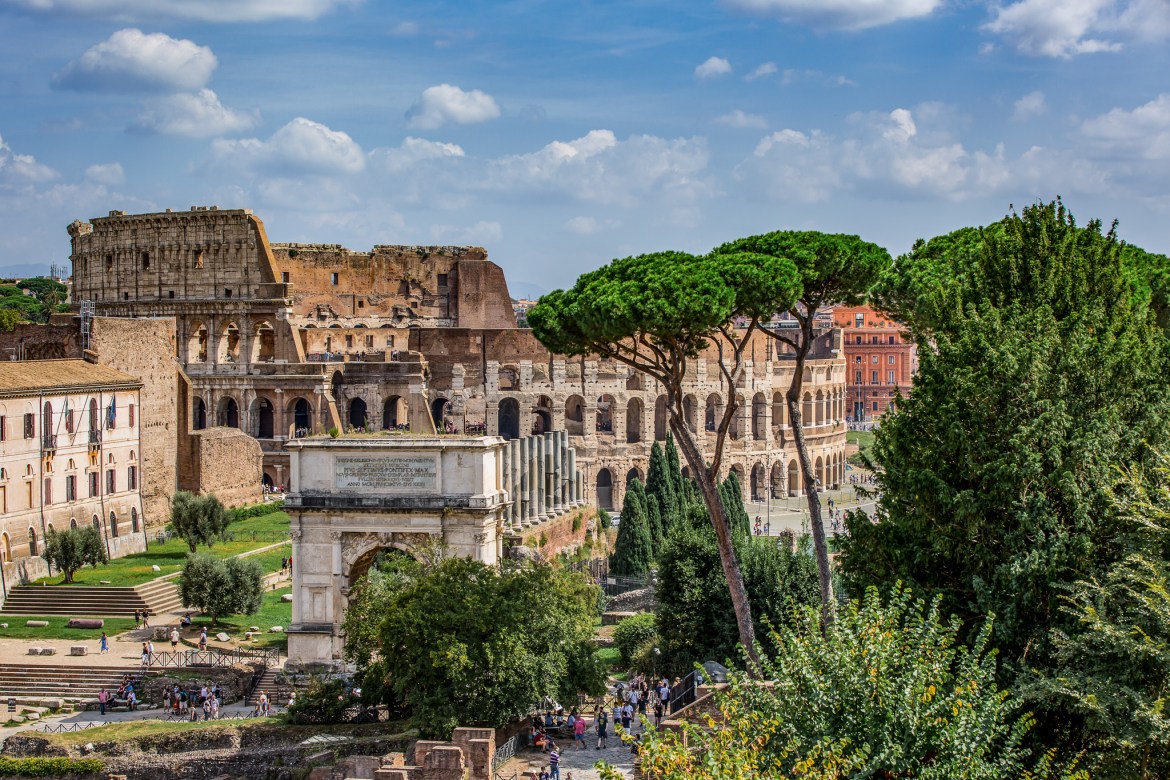
The Colosseum rising beyond the trees and archaeological remains at the eastern edge of the Roman Forum.
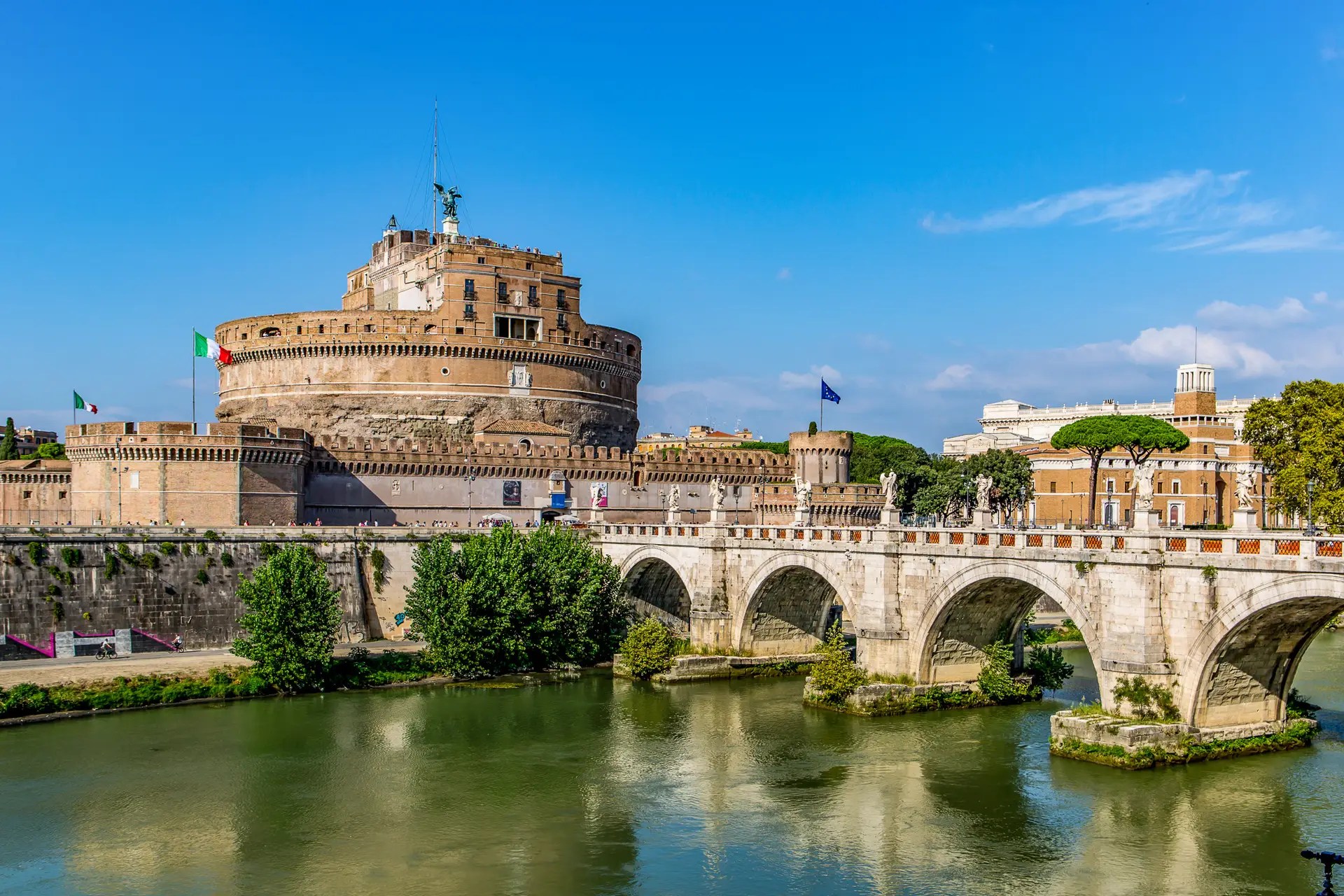
Castel Sant’Angelo rising above the Tiber with Ponte Sant’Angelo crossing the river beside it.
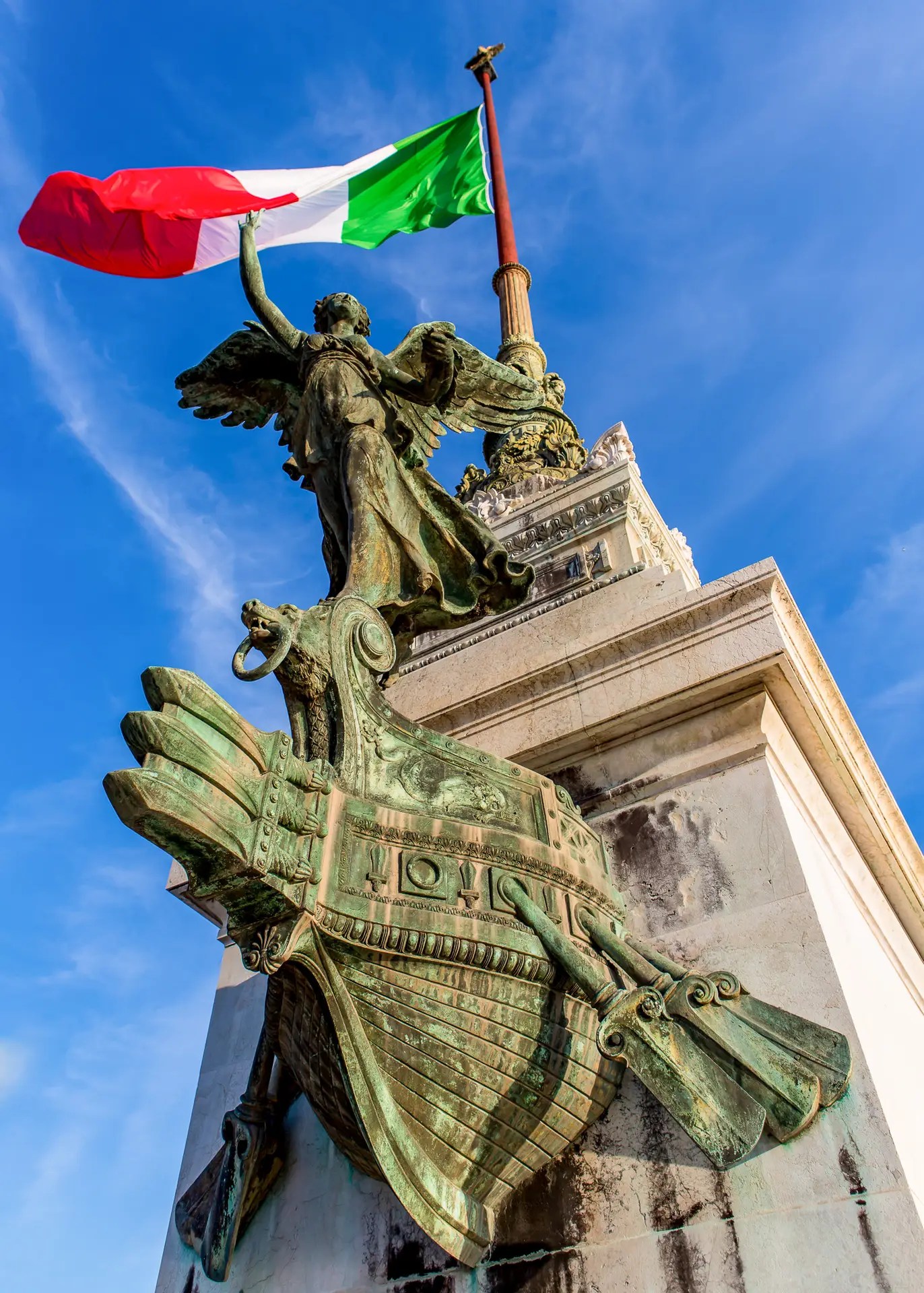
A gilded Winged Victory rises above the prow of a Roman ship beneath the Italian flag at the Vittoriano.
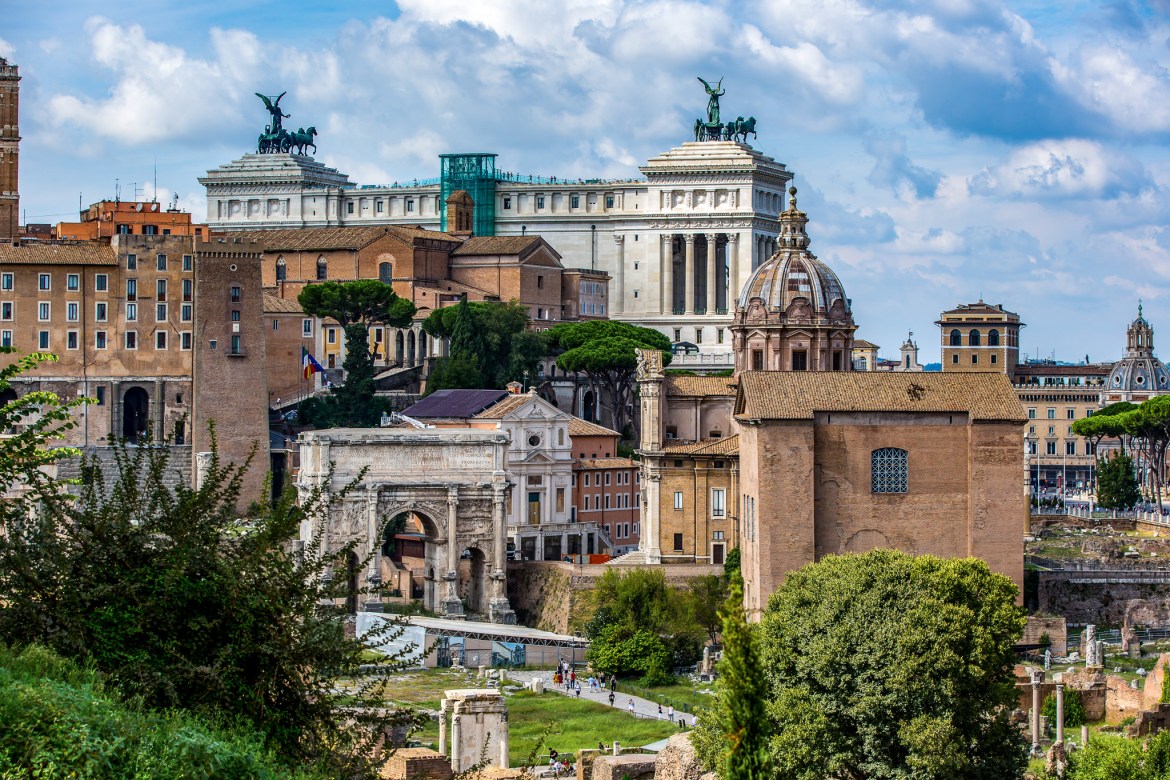
The dome of Santissimo Nome di Maria al Foro Traiano seen from the Vittoriano above the streets of central Rome.
The twin bell towers of Trinità dei Monti rising above the Spanish Steps.
The coffered dome of the Pantheon rising toward the open oculus at its center.

Food, Drinks & Quick Stops

The first food memory from Rome is simple: gelato on the first evening. I do not remember the shop or the flavors, but Laura and I both love ice cream, it was warm outside and gelato made sense. We liked it immediately.

Da Trani is the meal I remember best. We found it without planning ahead, simply because we were walking past and decided to stop. I had a large steak, Laura had seafood pasta, and the wine was excellent. Nothing about that meal disappointed us.

Coffee throughout Rome was very good, and the wine was even better. Flann O’Brien on the last afternoon was less about having a destination meal and more about finally getting off our feet and having a cold beer before leaving the city. 

Laura and I at Da Trani for dinner after another long day around Rome.
Seafood pasta with mussels, clams and cherry tomatoes at Da Trani.
Laura at breakfast before we headed out for another full day in Rome.

In the Frame

The Faces Behind This Journey

Laura and I with the Colosseum lit behind us after a full day exploring ancient Rome.
Laura and I back at the Trevi Fountain on our final afternoon in Rome before leaving for Naples.
Laura and I in Piazza Venezia with the Vittoriano behind us during our first full day in Rome.
At the Palatine Hill overlook with the Roman Forum spread out behind me.
Laura with our bags at Roma Termini before we boarded the train to Naples.
Laura and I with gelato during our first evening walking around Rome.
Laura with the Colosseum behind her after our day exploring ancient Rome.
Laura and I at Trevi Fountain during our first visit.
Me digging into dinner at Da Trani on our last full evening in Rome.
Laura along the paths through the ruins and gardens of Palatine Hill.

Where I stayed

Palazzo Naiadi, The Dedica Anthology, Autograph Collection

Palazzo Naiadi was exactly where I would stay again. I had points available, but the location at Piazza della Repubblica was the bigger reason I chose it. We could walk out the door and start seeing Rome without needing transportation every time we wanted to go somewhere.
The hotel was beautiful, and our room was one of the nicest Laura and I had stayed in at that point. The service was impeccable. We did not spend much time there beyond sleeping, getting ready and stopping back when I needed something because we wanted to be out seeing Rome.
The location also worked well on our last day. The hotel held our luggage while we continued sightseeing, and we came back later that afternoon to pick everything up before heading to Termini.

Palazzo Naiadi illuminated along the curve of Piazza della Repubblica on our first night in Rome.
The lobby and lounge inside Palazzo Naiadi with its chandeliers and curved ceiling.
The marble bathroom in our room at Palazzo Naiadi.
Our room at Palazzo Naiadi shortly after checking in for our stay in Rome.

Just Beyond: Vatican City

A short distance from central Rome, Vatican City became a major part of our visit with the Vatican Museums, Sistine Chapel, St. Peter’s Square and St. Peter’s Basilica. Its story is large enough to stand on its own rather than being squeezed into the Rome page.

Explore the Vatican City Feature Story
Vatican City Feature Story
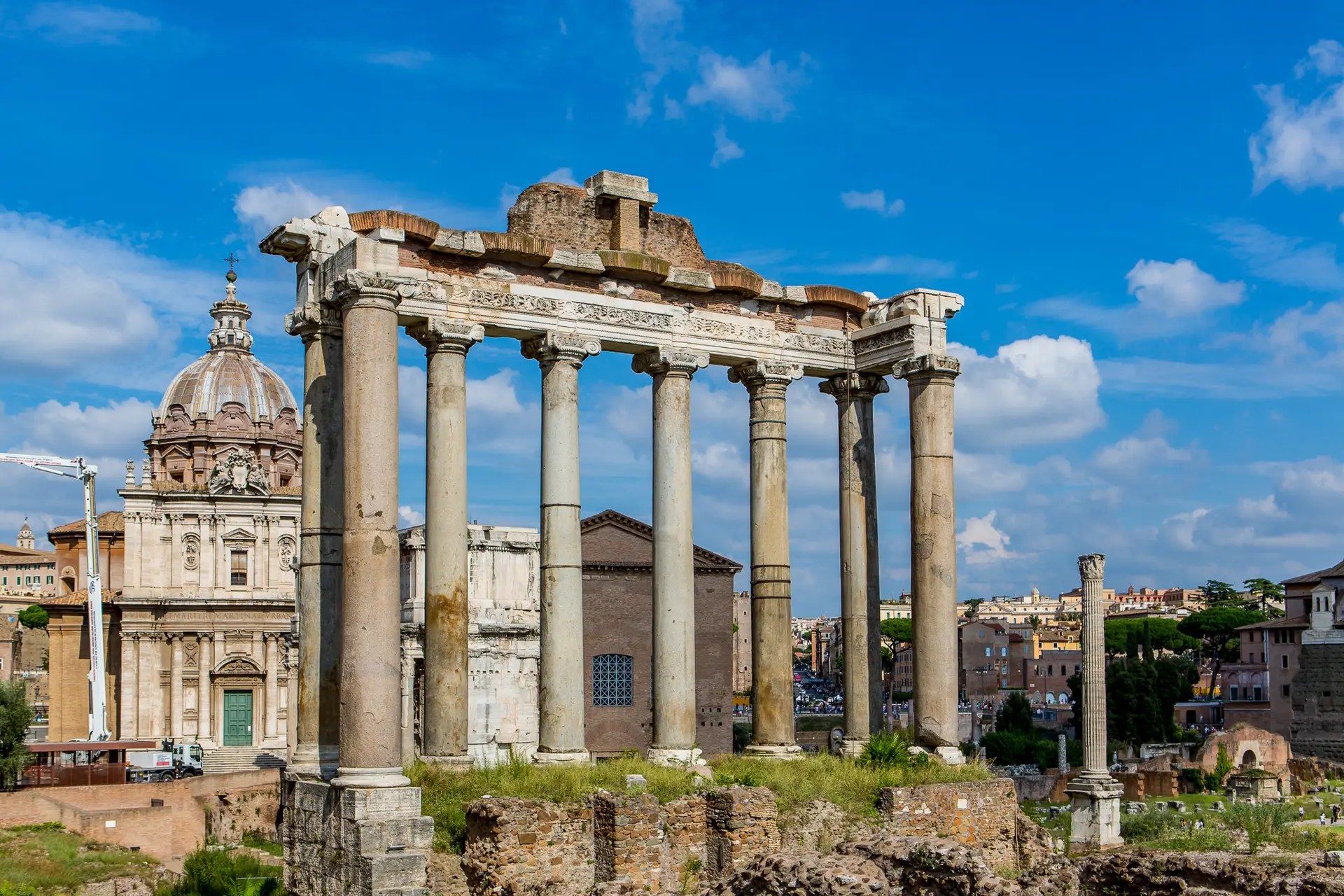
The surviving columns of the Temple of Saturn with the dome of Santi Luca e Martina behind them.
The richly decorated rotunda beneath the Pantheon’s dome, with the high altar across the interior.
The Vittoriano rising above Piazza Venezia beneath a bright September sky in central Rome.
Ancient brick and stone walls surrounding the exposed underground passages of the Colosseum.
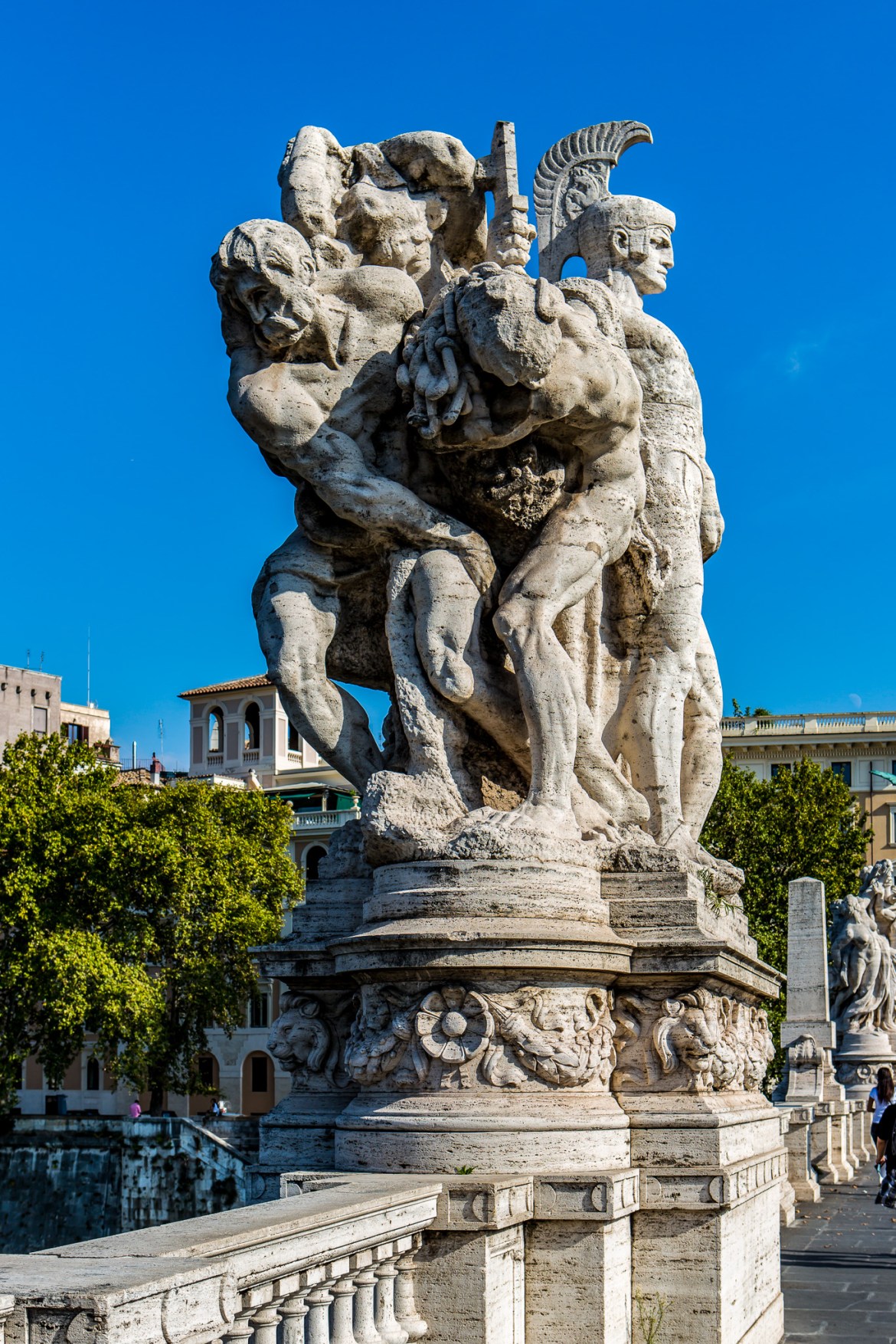
Ercole Ferrata’s Angel with the Cross standing on Ponte Sant’Angelo beside Castel Sant’Angelo.
Santa Maria della Consolazione rising above the trees at the edge of the Roman Forum.
The bronze Virgin Mary atop the Column of the Immaculate Conception in Piazza Mignanelli.

Photography Notes

Rome was still a two-camera Canon 5D Mark III trip for me. I carried the 24–70mm on one body and the 70–200mm on the other, which made it easy to move between broader views and tighter architectural details without changing lenses constantly.

The crowds were the biggest issue at Trevi Fountain and the Spanish Steps. Both were tight enough that getting a clean composition took patience. The Pantheon had the opposite problem: I needed something wider than 24mm to photograph the interior the way I really wanted.

The biggest gear mistake was leaving the tripod behind. I specifically waited for the Colosseum during blue hour and then could not get the Canon results I wanted while shooting handheld. My Samsung phone gave me the image I liked better under those conditions.
If I photographed Rome again, the tripod would absolutely come with me and I would bring a wider lens for places like the Pantheon.

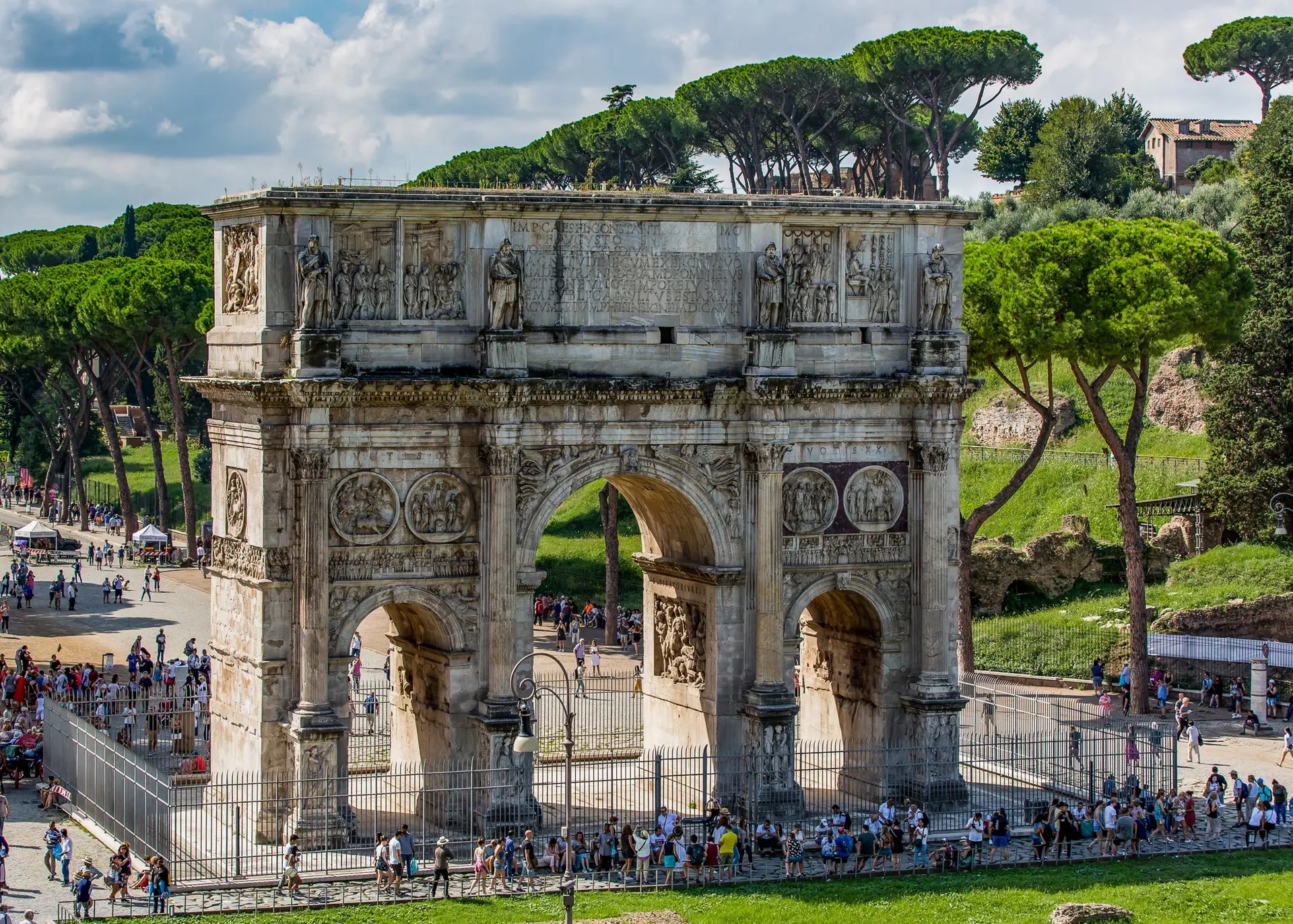
The Arch of Constantine standing beside the Colosseum at the edge of the Roman Forum.
The Roman Forum spread below Palatine Hill, with the three columns of the Temple of Castor and Pollux standing above the ruins.
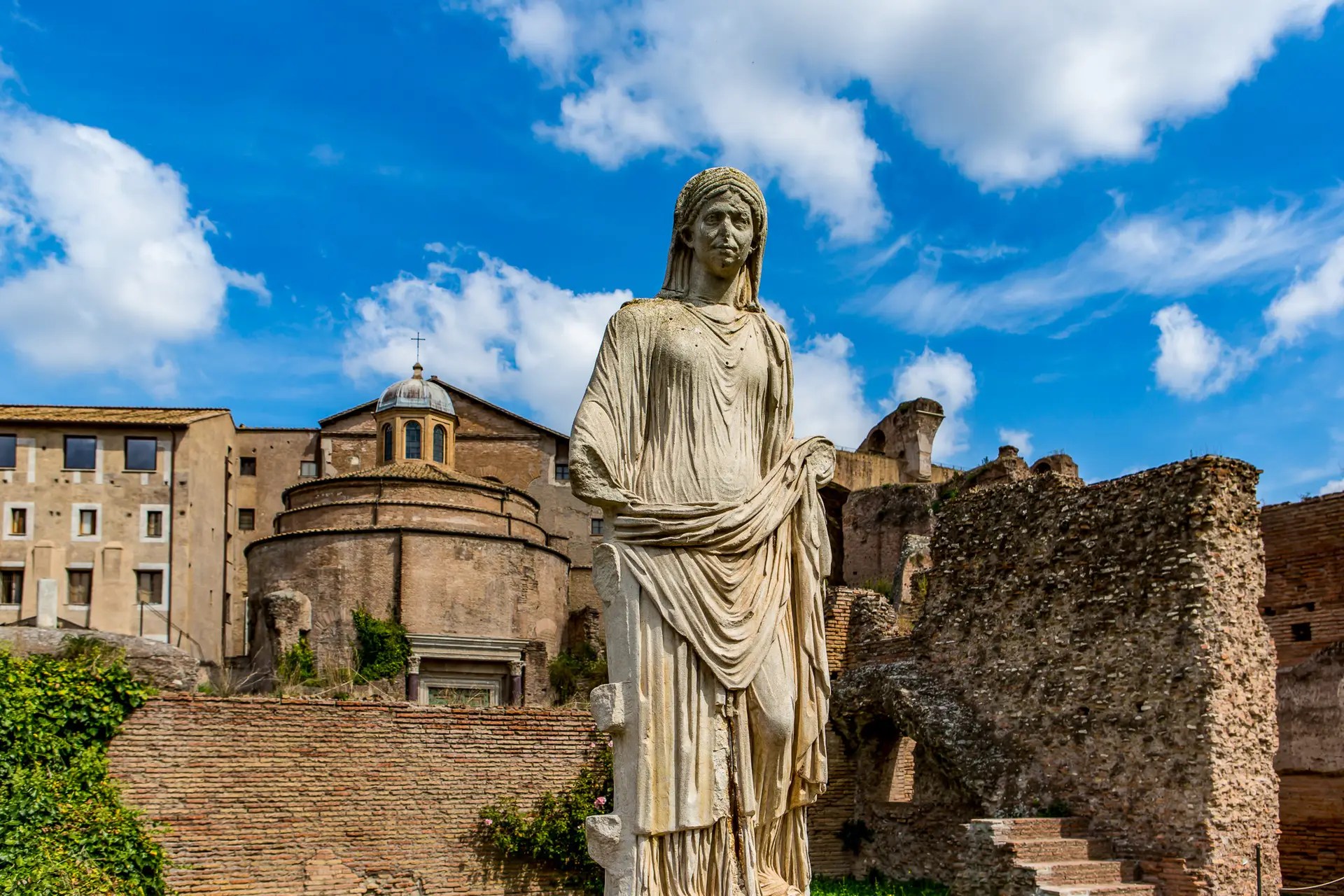
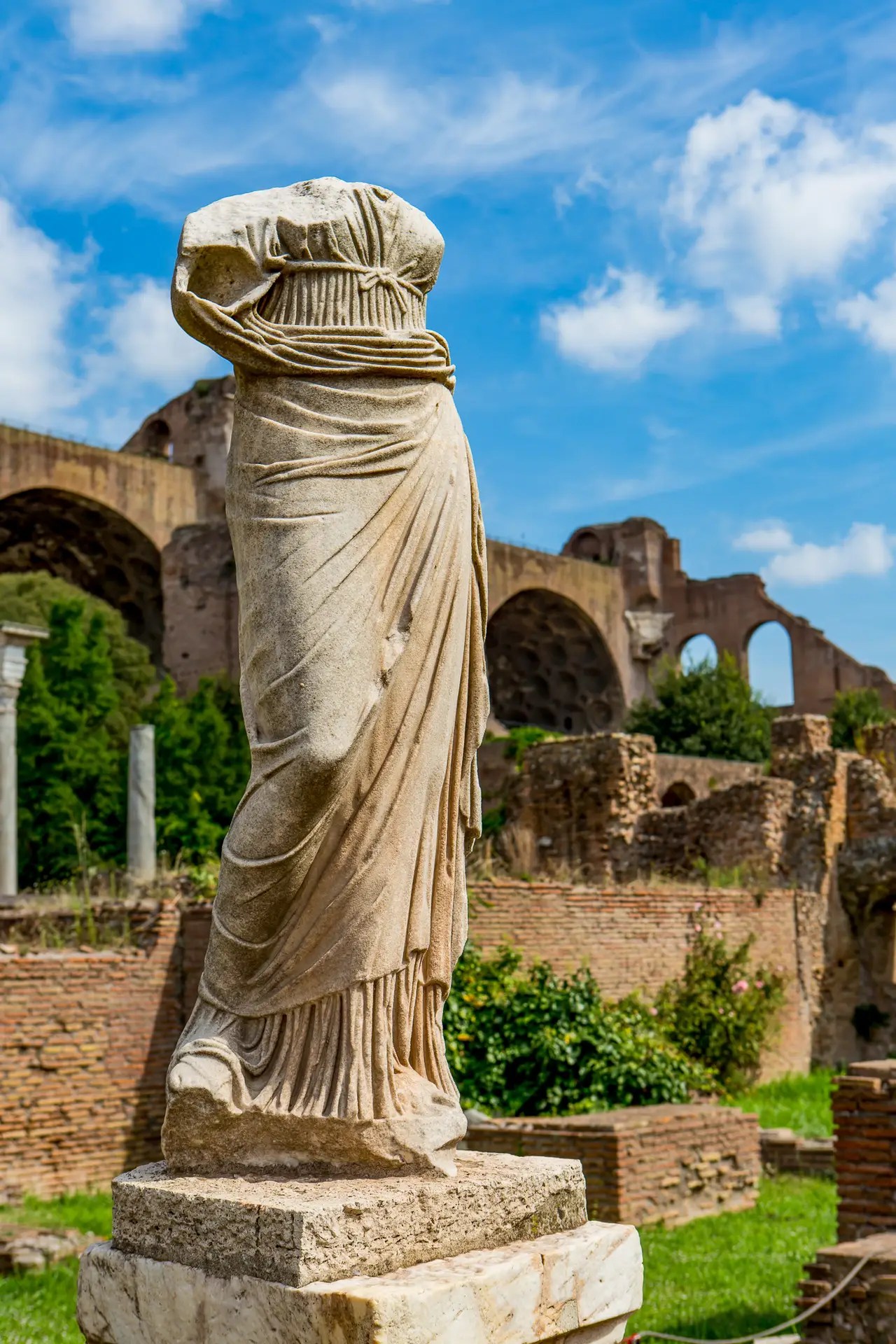
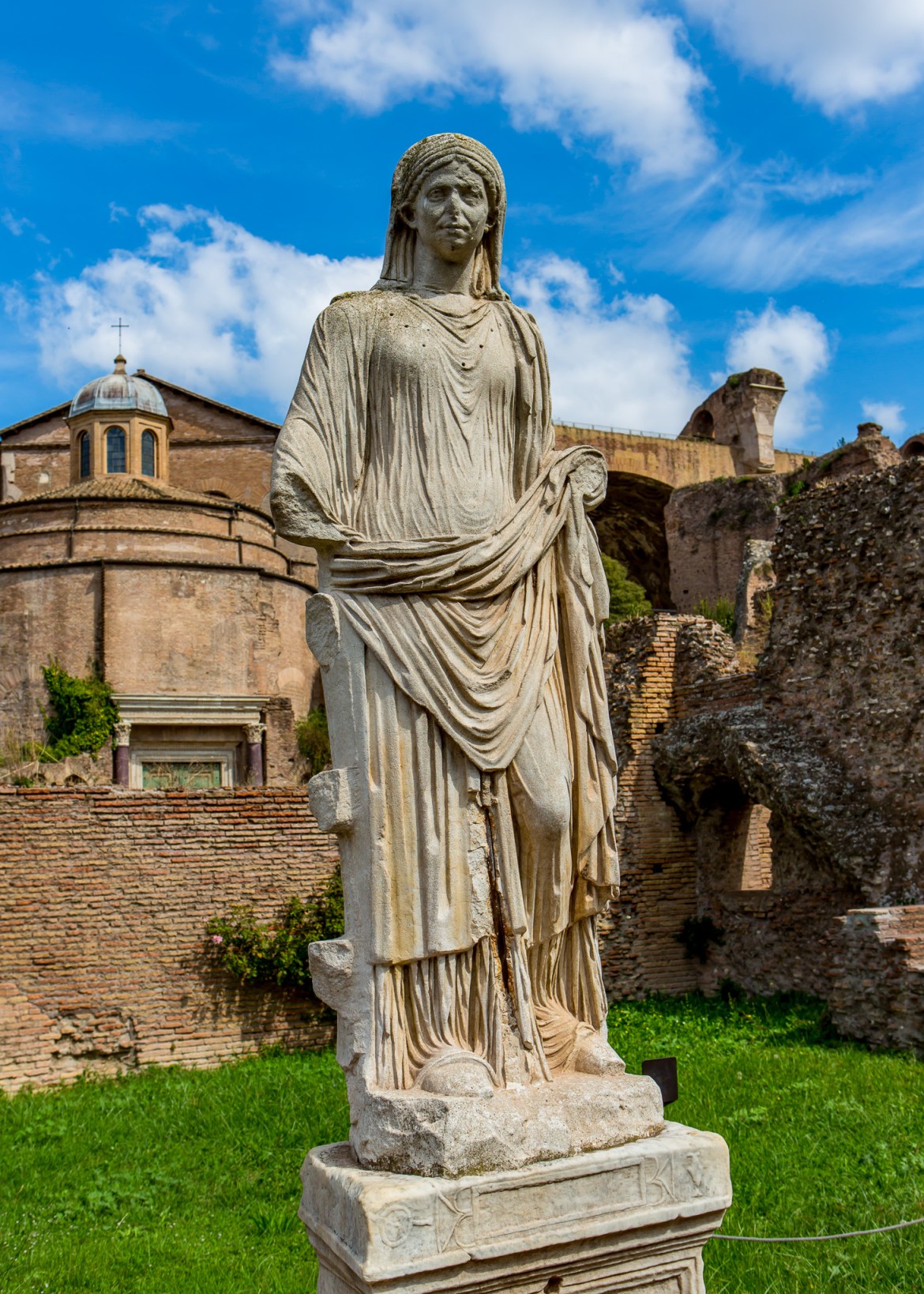
A Vestal Virgin statue framed by the brick ruins of the Atrium Vestae.
An elaborate winged dragon supporting a glass street lamp on a stone façade in central Rome.
The red cross filling the central window of Santa Maria Maddalena’s ornate Rococo façade.
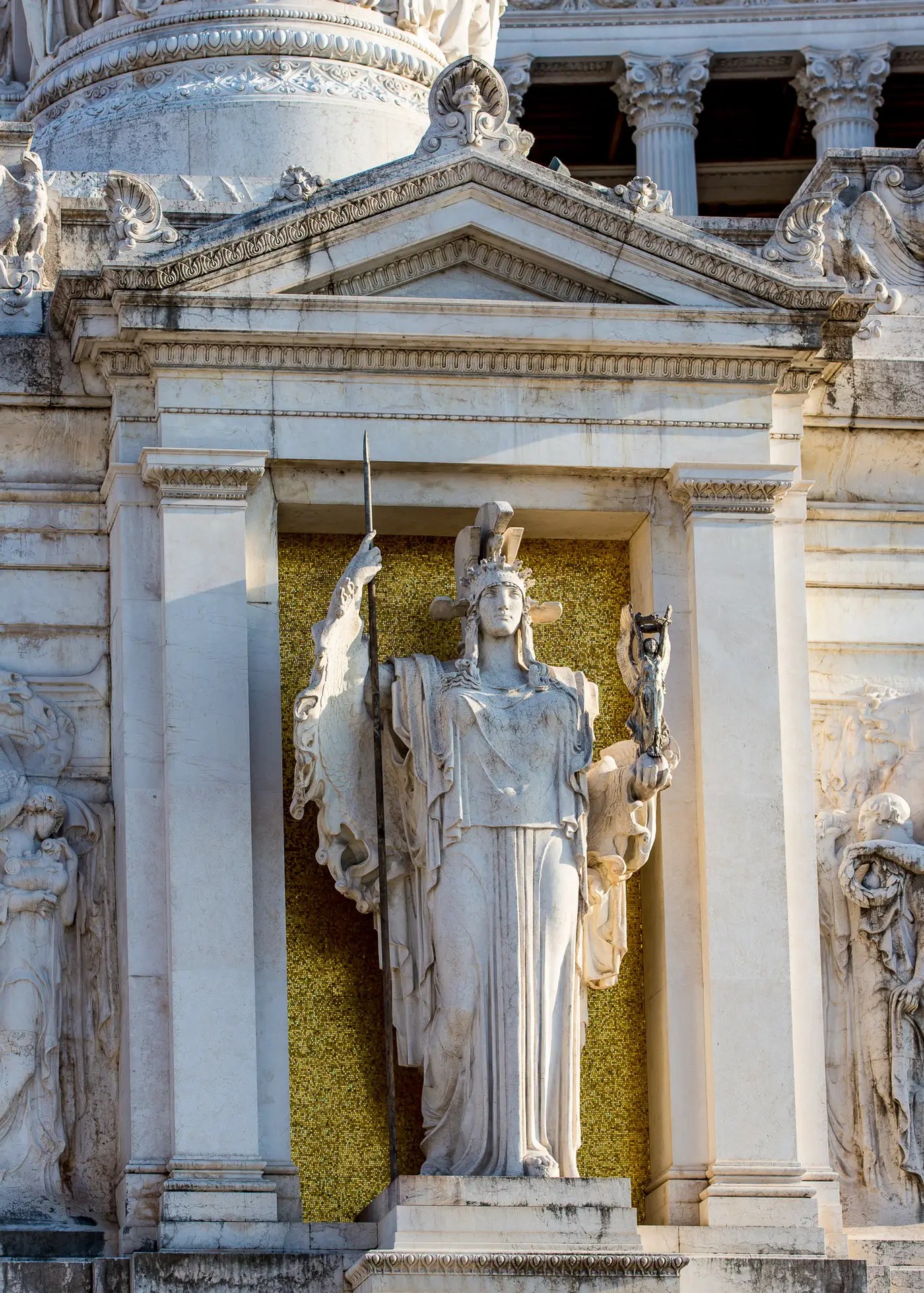
Angelo Zanelli's La Dea Roma standing against the golden mosaic at the center of the Altare della Patria.
The curved façade and balcony of Palazzo Zuccari near the top of the Spanish Steps.

Practical Notes & Lessons Learned

Getting around Rome was easy for us. We walked a lot, used rides or buses for longer distances and bought hop-on/hop-off passes during the stay. That combination worked well because we could cover distance when needed and then explore on foot once we reached an area.

I would not change the hotel or cut any of the major places we visited. The main thing I would change is simply the amount of time. We covered a lot in a few days, but you could spend much longer in Rome and still have plenty left to see.

Photographically, I would bring the tripod and a wider lens. Practically, I would also buy the hat earlier instead of waiting until I had already burned my head in the sun. Trevi and the Spanish Steps were crowded enough that returning later did not solve much, so I would go back expecting to work around the people rather than waiting for them to disappear.

The Colosseum and Roman Forum would still be my priorities. They were the parts of Rome Laura and I enjoyed most because they took places we had seen represented for years and put them right in front of us. Nothing about Rome disappointed us, and it remains one of our favorite places from that trip.

The exposed hypogeum stretching across the center of the Colosseum beneath the surrounding seating tiers.
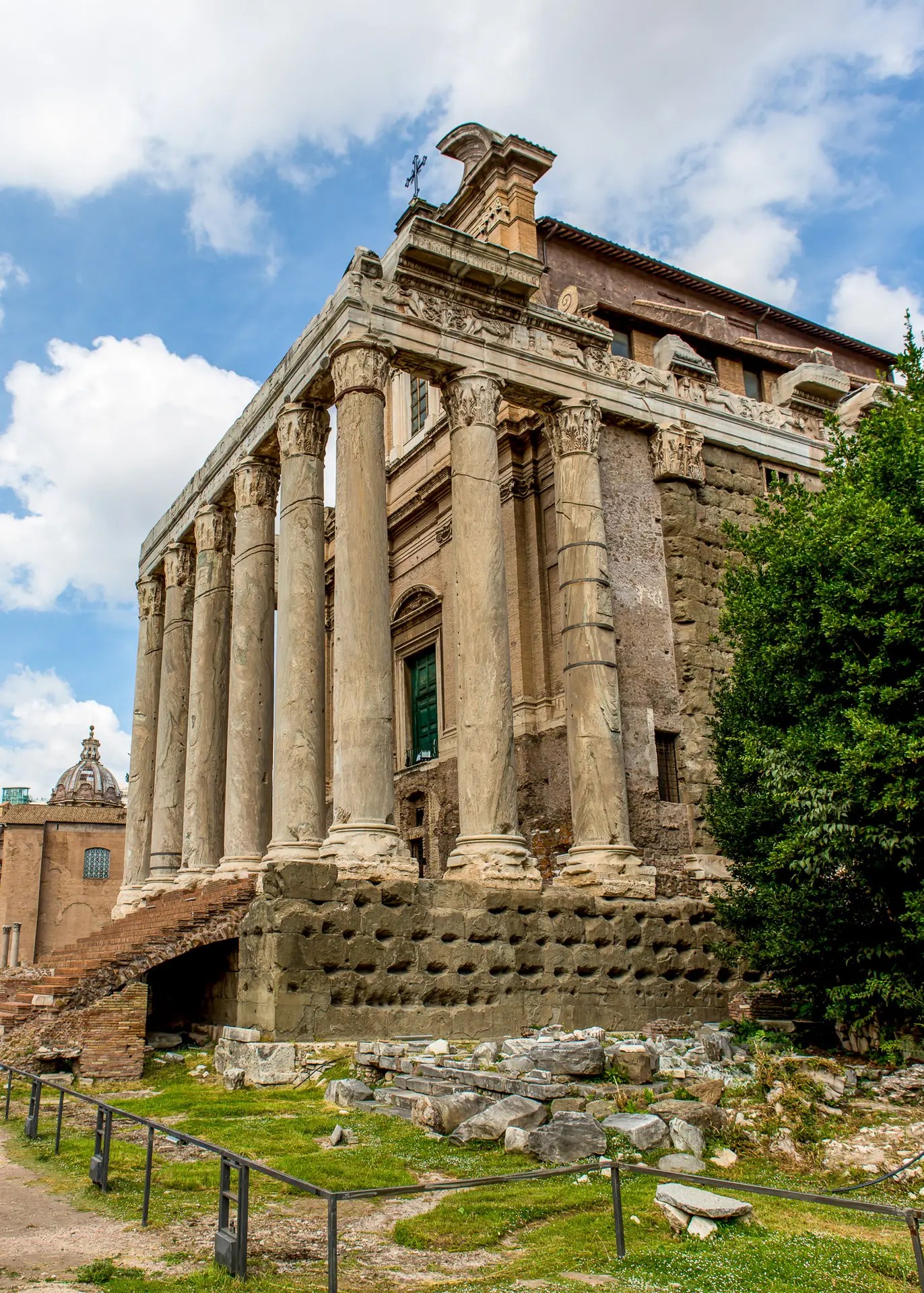
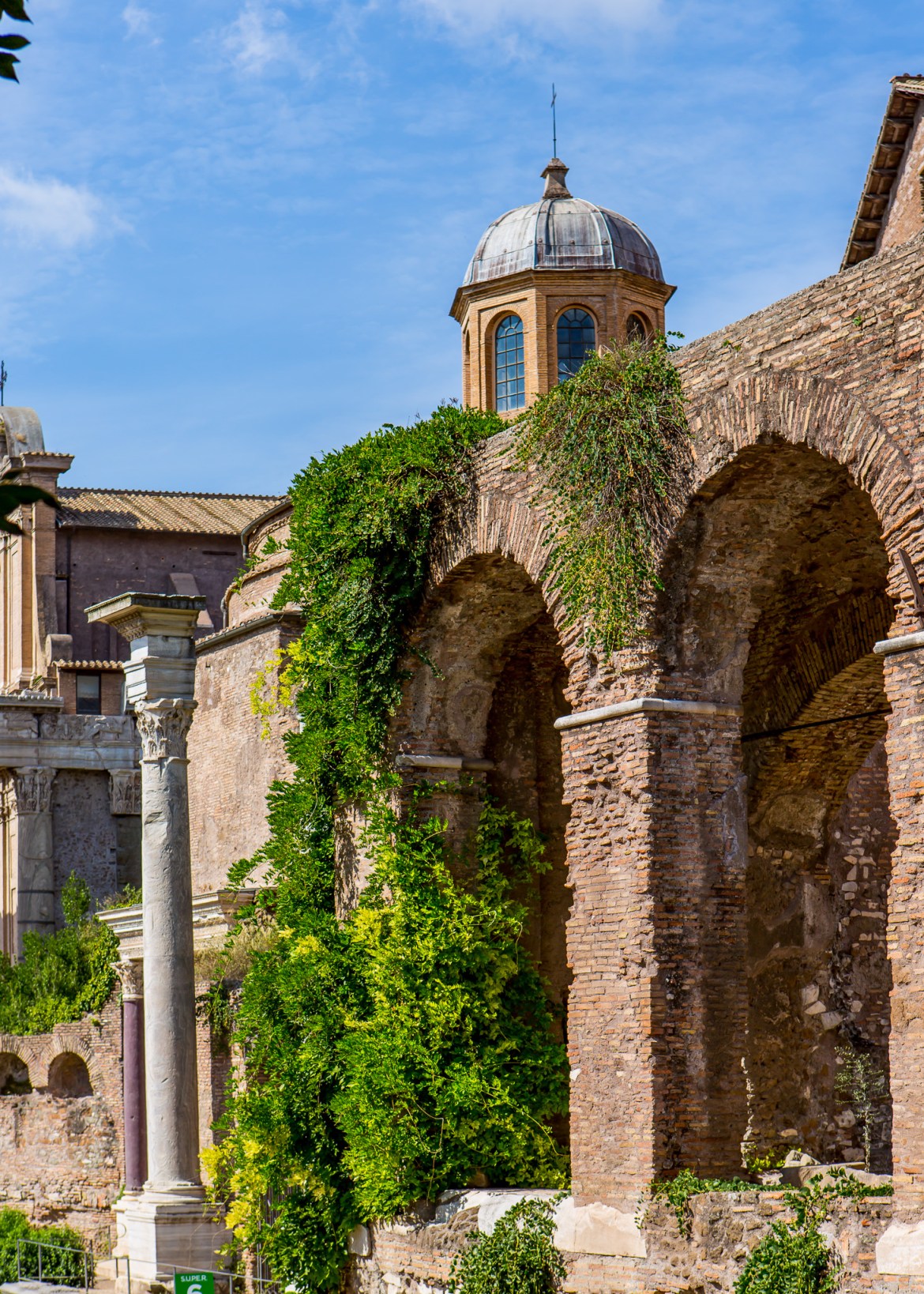
The Temple of Antoninus and Faustina framed by the ruins and greenery of the Roman Forum.
The Column of Marcus Aurelius standing at the center of Piazza Colonna beneath a dramatic Roman sky.
The three surviving Corinthian columns of the Temple of Castor and Pollux rising above the Roman Forum.
A headless statue of a Vestal Virgin standing among the ruins of the House of the Vestals.
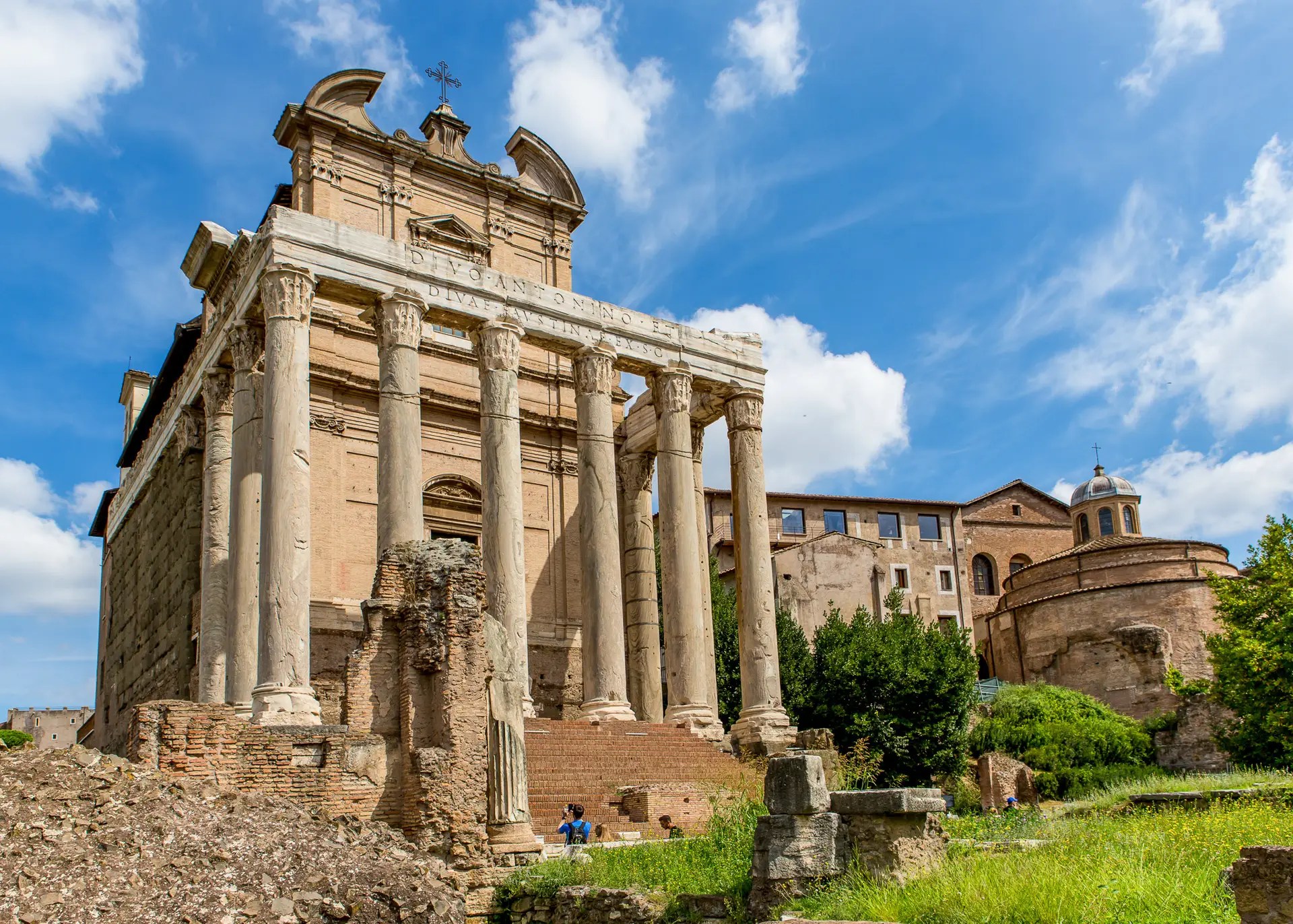
The towering columns of the Temple of Antoninus and Faustina rising above the Roman Forum.
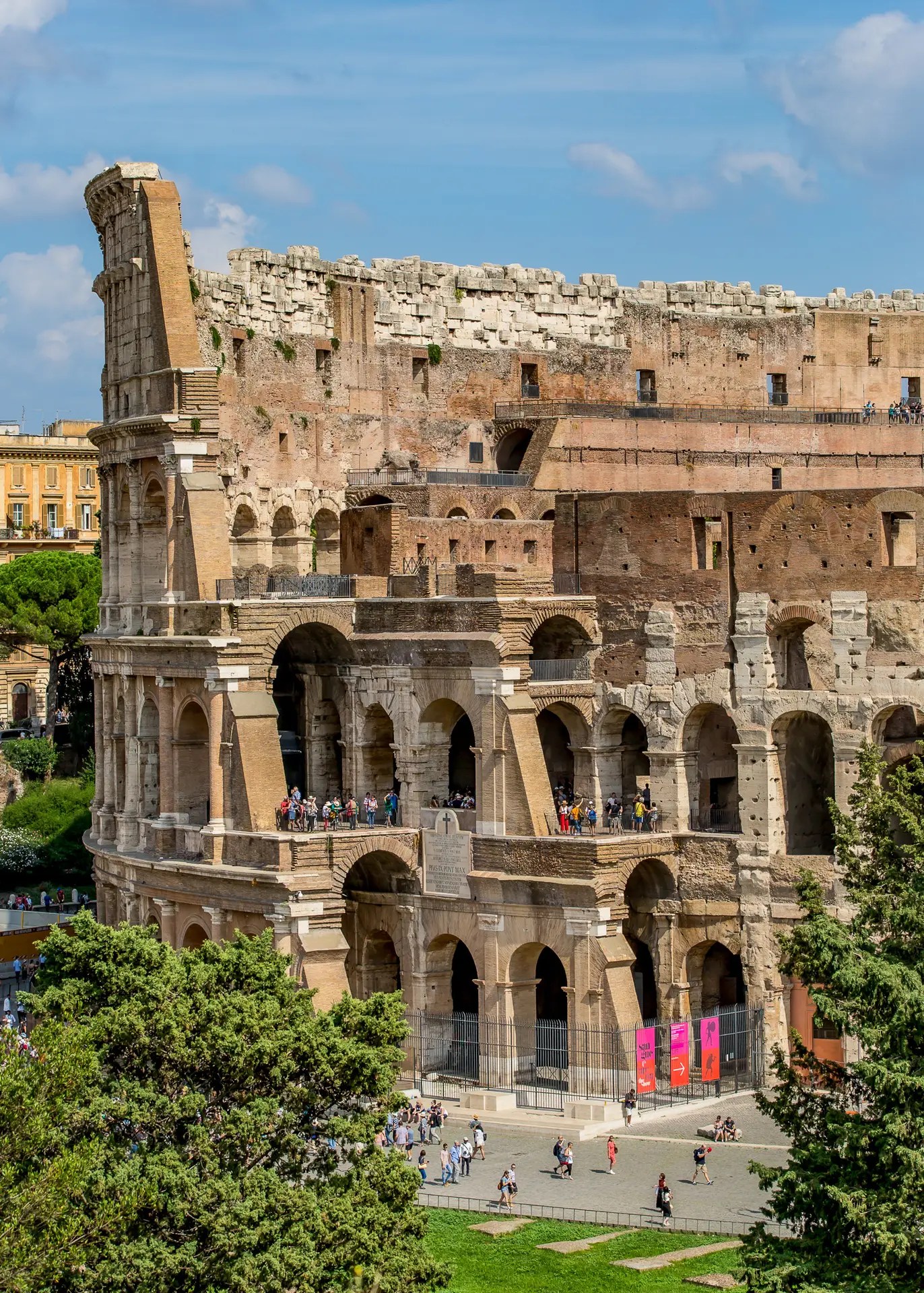
A closer view of the Colosseum’s surviving outer wall and exposed interior structure.

Behind the Lens

I’m Steve—a retired Army vet who traded rucksacks for camera bags and never stopped exploring. What started with a simple 110 film camera grew into photographing all 50 states and 30+ countries, from quick business-trip detours to adventures with my wife Laura. Shutter Nomadica is where I share those travels through the photographs, stories, and moments that made each place memorable.


Next Stop: Naples

After collecting our bags at Palazzo Naiadi, Laura and I boarded the Frecciarossa at Roma Termini and headed south to Naples. Our next stop brought a completely different side of Italy, along with the beginning of our visits to Naples and Pompeii.

Explore the Naples Feature Story
Naples Feature Story

Leave a Comment