Biltmore Estate: The American Château in the Heart of the Blue Ridge
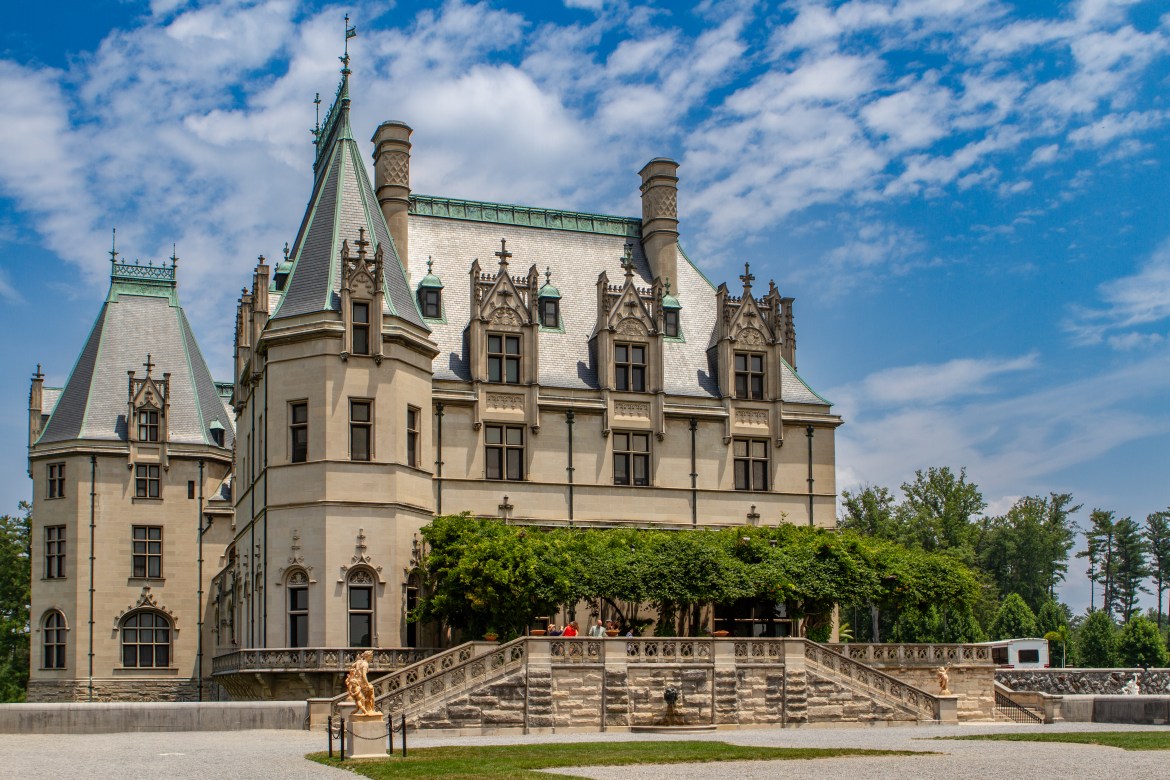
Few places in the United States blend Gilded Age grandeur, mountain landscapes, and year-round beauty quite like the Biltmore Estate in Asheville, North Carolina. Built by George Washington Vanderbilt II in the late 1800s, this sprawling 8,000-acre estate is America’s largest privately owned home — a 250-room architectural marvel set against the smoky blue backdrop of the Appalachians. Whether you arrive for the autumn blaze of crimson and gold, the spring burst of tulips, the cool shade of summer trails, or the candlelit magic of a Biltmore Christmas, every corner feels like stepping inside a living postcard.
Walking up the winding drive, you can almost hear echoes of the estate’s first guests — writers, artists, and dignitaries who came for fresh mountain air and Vanderbilt’s world-class hospitality. Today, visitors come for much the same reason: to experience timeless elegance surrounded by nature’s best light. Expect rolling lawns, reflecting ponds, intricate stonework, and the kind of symmetry that photographers dream of at dawn and dusk alike.
🌿 The Estate Through the Seasons: Biltmore’s Ever-Changing Canvas
From dawn’s misty bloom to autumn’s final blaze, Biltmore Estate transforms with every turn of the calendar — each season painting new light across its lawns, trails, and mountain backdrop. Whether you’re chasing reflections, colors, or candlelight, the estate rewards return visits with a fresh mood and story every time.
🌸 Spring at Biltmore: Where Bloom Meets Grandeur
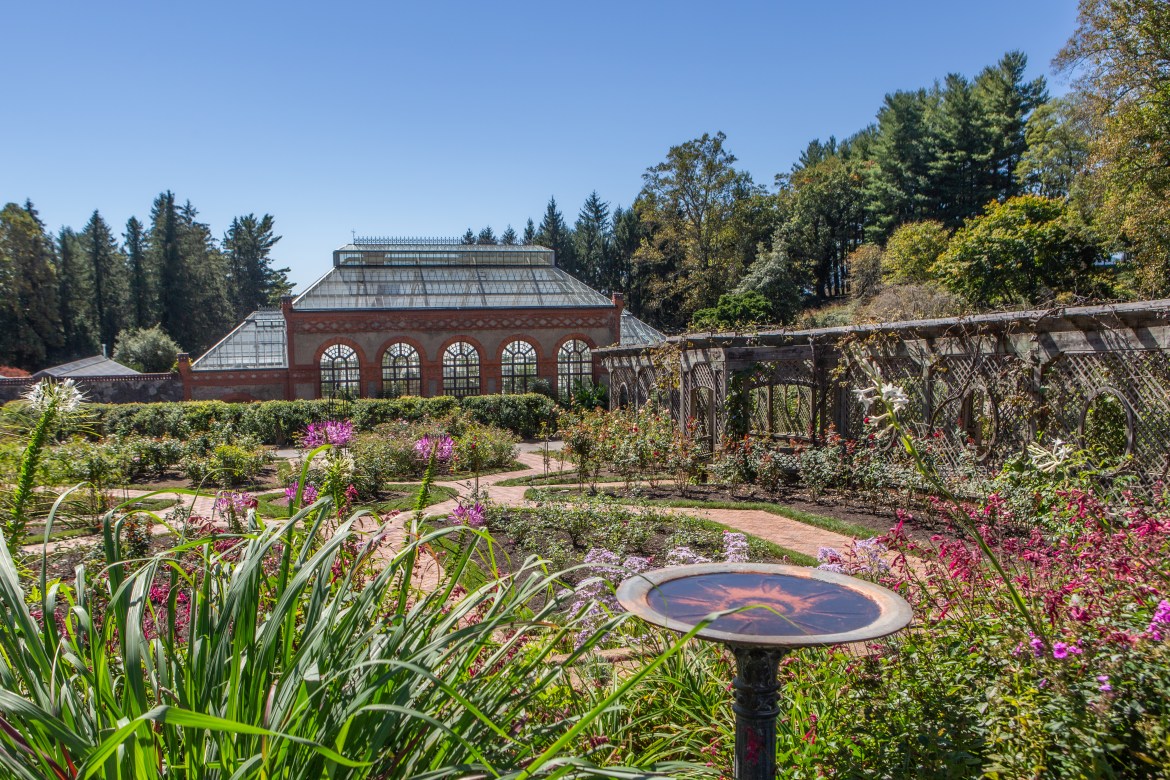
Spring at the Biltmore Estate feels like stepping into one of Vanderbilt’s original impressionist paintings — soft light, pastel petals, and mountain air that smells faintly of wisteria and freshly turned soil. Azaleas and tulips burst across the manicured gardens while the famous Biltmore Conservatory glows with tropical hues, offering macro-shot heaven for any lens. Photographers can chase reflections on Bass Pond, frame wide shots beneath blooming cherry trees along the Lagoon Trail, and capture that golden-hour glow washing over the limestone façade. It’s the season of renewal — and of tripod legs sunk gently into fresh grass.
☀️ Summer at Biltmore: Long Days, Cool Shadows
Summer at Biltmore turns the estate into a cinematic escape — the lawns alive with picnics, bicycles gliding past rose gardens, and misty Blue Ridge ridgelines blurring in the afternoon haze. The Italian Garden mirrors the sky like glass, while the shaded paths through the Bass Pond Trail offer relief (and perfect diffused light) for portrait work. Inside the mansion, air-conditioned halls of marble and mahogany invite a slower pace; outside, concerts and fireworks fill warm evenings with sparkle. Bring a polarizer filter — the greens are rich, the light strong, and every reflection begs to be tamed.
🍂 Fall at Biltmore: The Estate Caught Fire in Color
Autumn is Biltmore’s showstopper — and the reason most photographers (myself included) can’t resist returning. By mid-October, the Blue Ridge Mountains behind the mansion blaze with amber, scarlet, and gold, framing the château in a halo of color that feels almost unreal. Every path transforms into a composition: the Bass Pond bridge shrouded in orange leaves, the Lagoon reflections glowing at sunrise, and the West Lawn offering painterly vistas during golden hour. The crisp air carries the scent of apples and woodsmoke, and the estate’s vineyard glimmers with harvest light — a dream season for wide-angle storytelling.
🎄 Winter at Biltmore: Candlelight and Quiet Grandeur
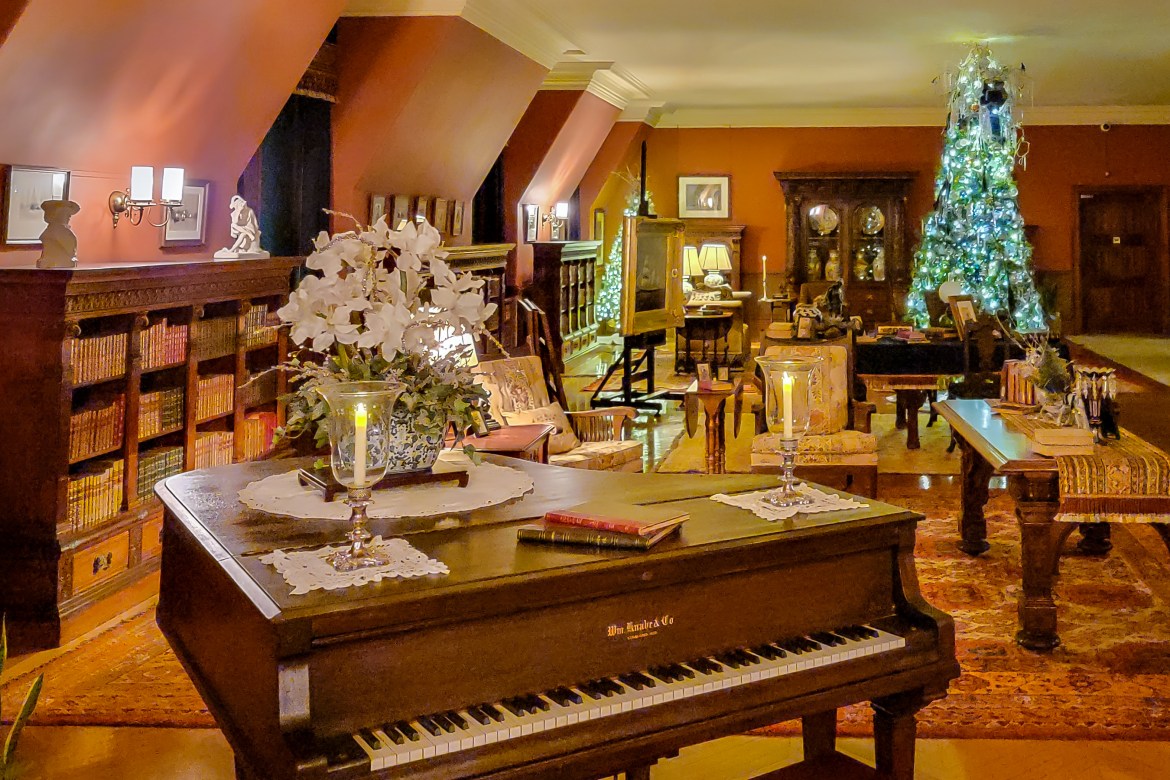
Winter pulls back Biltmore’s lush curtain to reveal its architectural bones — stark branches, clear mountain skies, and the soft hush of snow dusting the French-style rooflines. Inside, the Christmas Candlelight Evenings transform the mansion into a wonderland of garlands, glowing hearths, and twinkling trees, while the Antler Hill Village sparkles with seasonal lights. Outdoors, low winter sun creates dramatic contrasts across the South Terrace, perfect for monochrome work or golden late-day portraits. It’s a quieter, more intimate Biltmore — one where the grandeur feels personal and every echo through the great halls sounds like a century-old secret.
🏛️ Story & Significance: The Soul of Biltmore Estate
The Vision of an American Dreamer
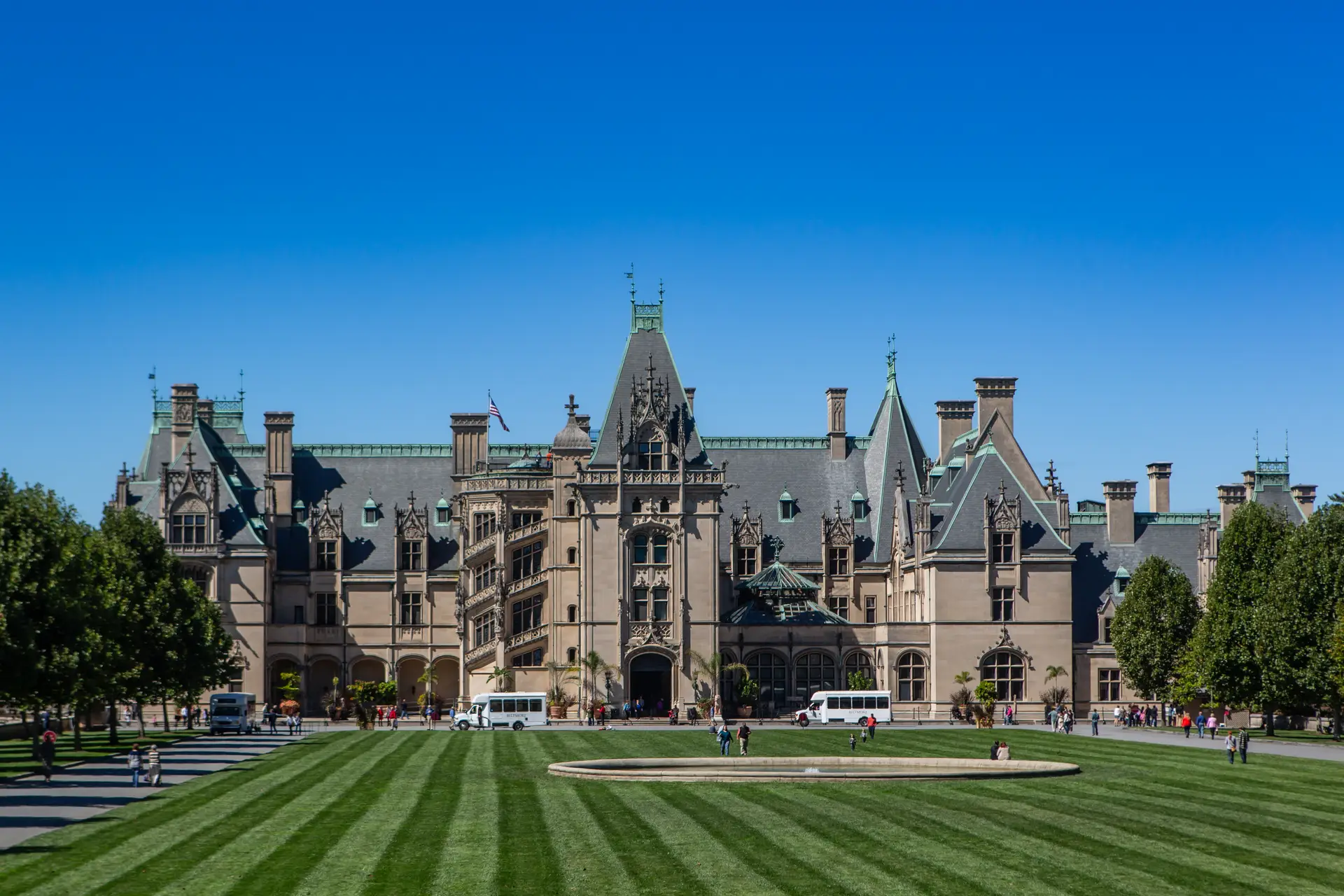
George Washington Vanderbilt II wasn’t content with simply inheriting privilege — he wanted to build beauty. In 1888, after visiting Asheville’s mist-topped hills, he imagined a retreat that would fuse European elegance with Appalachian wilderness. He called it Biltmore, after his family’s ancestral home in the Netherlands (“Bildt”) and the Old English word for rolling land (“more”). To make that dream tangible, he commissioned architect Richard Morris Hunt and landscape designer Frederick Law Olmsted — the same genius behind New York’s Central Park. The result, completed in 1895, was a 175,000-square-foot chateau inspired by the French Loire Valley yet anchored in Southern soil. Every turret, balcony, and window framed the Blue Ridge as living art.
Craftsmanship in Stone and Spirit
Inside, the Biltmore still feels like stepping into a living museum of human artistry. The grand staircase spirals beneath a wrought-iron skylight; carved limestone mantels bear the fingerprints of artisans who crossed the Atlantic to work here; tapestries and paintings glow under soft window light that shifts throughout the day. For photographers, that light is the true heartbeat of Biltmore — morning rays streak through the Banquet Hall, casting long lines across the table; late-day sun kisses the Winter Garden’s palms in emerald tones. Every architectural detail was crafted not just for comfort but for composition — Hunt and Vanderbilt built a home that invited both conversation and contemplation, where guests like Henry James and Edith Wharton found endless inspiration.
A Landscape Shaped by Legacy
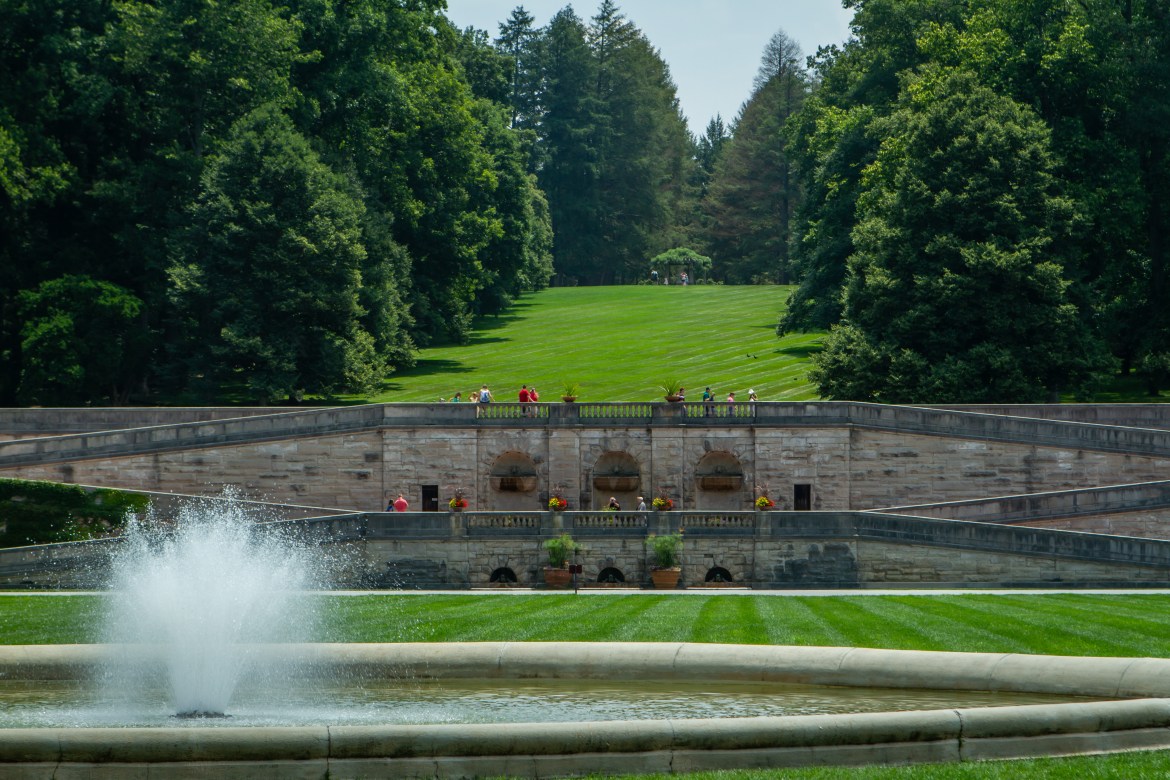
Beyond the mansion, Olmsted’s landscape remains one of the most quietly radical achievements in American design. He transformed logged-out hills into a managed forest that would later inspire the founding of the U.S. Forest Service. Today, those same woodlands unfurl into miles of trails, pastures, and vineyards that burst with life across the seasons. Spring’s azaleas frame the Italian Garden pools; autumn ignites the hillsides in gold; and winter reveals stark symmetry across the Esplanade. For photographers, these grounds are a masterclass in natural framing — curved drives that lead the eye, layered horizons of color, and reflections so perfect they feel staged.
Living History in Motion
What makes Biltmore extraordinary isn’t just its past, but its pulse. Still owned by Vanderbilt descendants, the estate thrives as a self-sustaining ecosystem: a working vineyard, farm-to-table restaurants, inns and cottages, and a preserved conservation area larger than many national parks. Seasonal festivals, garden tours, and Christmas celebrations keep it alive in the public imagination. Walking through the halls today, you don’t just see history — you hear it in the footsteps echoing beneath oak floors, taste it in the estate’s wine, and feel it in the breeze that sweeps from the ridges. Biltmore isn’t a relic; it’s a reminder of what happens when vision, artistry, and nature meet in perfect light.
🧠 Fascinating Facts & Hidden Meanings
The Story Behind the Grandeur
To wander Biltmore is to walk through layers of ambition and artistry — a rare place where America’s industrial wealth translated into European romance without losing its mountain soul. Every hallway whispers of innovation: from the estate’s early adoption of electricity and refrigeration to its role as a forestry pioneer. Yet beneath the opulence lies a subtle philosophy — George Vanderbilt believed beauty should serve intellect. His vast library of 22,000 volumes (many still on display) was more than décor; it reflected a conviction that art, science, and stewardship could coexist in perfect harmony. Even the estate’s layout mirrors that mindset: the mansion represents the human drive to create, while the surrounding landscape celebrates our need to belong within nature’s rhythm.
🌟 Five Did-You-Knows
1. Biltmore was America’s first fully electrified home.
When the mansion opened in 1895, few homes in America had electricity — and even fewer had their own hydroelectric power plant. Vanderbilt’s on-site system harnessed the French Broad River to illuminate hundreds of bulbs, including ornate fixtures from Paris and Tiffany. The estate’s engineers used Edison’s DC current before later adapting to AC power, making Biltmore a living experiment in modern innovation.
2. The Banquet Hall ceiling is 70 feet high — and painted for the gods.
Look up in the Banquet Hall and you’ll find a triptych mural by Italian artist Giovanni Pelligrini, originally created for a Venetian palace and purchased by Vanderbilt. It depicts the “Apotheosis of the Arts,” symbolizing Vanderbilt’s belief that art could elevate society. At golden hour, light filters through the arched windows and ignites the figures with divine warmth — a moment photographers quietly wait for.
3. Biltmore’s forest inspired the U.S. Forest Service.
Landscape architect Frederick Law Olmsted wasn’t just planting trees — he was testing a new concept: scientific forestry. His protege, Gifford Pinchot, later became the first Chief of the U.S. Forest Service, carrying lessons from Biltmore’s managed woods into national policy. What started as a private conservation effort became the blueprint for sustainable forestry across America.
4. The estate hid priceless art during World War II.
In 1942, as fears of bombing raids spread across the U.S. East Coast, the National Gallery of Art quietly shipped masterpieces — including works by Rembrandt and Raphael — to the Biltmore for safekeeping. The second-floor music room served as their secret vault, temperature-controlled and guarded 24/7. Few visitors realize they’re walking the same halls that once shielded the heart of America’s cultural heritage.
5. Its wine legacy began in the ashes of Prohibition.
When the estate’s dairy and agriculture operations faltered, George’s grandson William Cecil revived Biltmore’s future with a vineyard. Today, Biltmore Winery produces nearly a million bottles annually, blending European tradition with Southern soil. The Antler Hill tasting room is a pilgrimage spot for photographers chasing golden light through rows of vines — and for anyone who enjoys history poured into a glass.
🎈 What Kids Love
Even young travelers find wonder in Biltmore’s maze of stories. The Basement Tour uncovers bowling alleys, early indoor pools, and servant quarters that feel straight out of a movie set. Outside, Antler Hill Village Farmyard lets kids meet heritage breeds once vital to the estate’s daily life — a hands-on way to connect past and present. Seasonal touches, from the giant gingerbread display at Christmas to the Easter Egg Hunt on the Front Lawn, turn history into playtime. And for budding photographers, the lagoon’s mirrored mansion reflection is an early lesson in patience, framing, and the joy of catching perfect light.
A few links and ads here are affiliate portals. If you click through and snag something, you’ll be fueling my next photo-quest at no extra cost to you. Thanks for keeping the adventure rolling!
If you want a guided framework without losing spontaneity, pair a private city circuit with a quick flightseeing loop. Start with the Downtown Asheville & Biltmore Village: Private Full-Day Tour—use it as your moving base camp to time light and crowd patterns, pausing at Pack Square for clean early-morning façades and circling back to Biltmore Village when the side-light turns warm on the brickwork and shopfront signage; it’s perfect for story shots that connect estate grandeur to Asheville’s everyday rhythm.
When the sun drops into that soft, honeyed angle, cap the day with Asheville: Scenic Helicopter Tours, tracing Blue Ridge ridgelines for patchwork-color overheads and S-curve roadways; shoot oblique through the window, keep shutter speeds fast (≈1/1000s), and bracket a few frames as the canopy deepens toward gold.
📌 Plan Your Visit: Hours, Tickets & What to Expect
Biltmore is big—budget 5–7 hours if you want the house, gardens, winery, and Antler Hill Village without rushing; a focused house + gardens visit can fit in 3–4 hours if you keep lunch quick. Crowds peak late morning to mid-afternoon, so aim for house entry at opening or late-day (golden hour on the Front Lawn is chef’s kiss). Tickets are scanned at the main gate and again at your timed house entry; bag checks happen before you queue for the mansion. Some spaces are guided-only add-ons (think Rooftop/Backstairs/Architectural tours), so decide early if you want those angles—slots sell out before noon on busy days.
🎫 Ticketing Tips
Buy timed-entry tickets online in advance—earlier slots mean cooler temps, softer light, and smaller groups. If you’re a photographer, book the first hour for clean interiors and line-free staircase frames; pair it with a late-afternoon gardens revisit on the same day for golden light. “Skip-the-line” here mainly means avoiding the will-call desk and heading straight to parking + shuttles with your mobile ticket. Know the fine print: most tickets are date-specific with limited same-day changes; specialty tours (Rooftop/Backstairs) are non-refundable/limited-capacity—lock them first, then build the rest of your day around those times.
🎉 Festival / Peak-Day Watch
Expect heavier crowds during spring bloom season, peak fall foliage (mid-Oct to early Nov), and Candlelight Christmas evenings. On these days, house lines move but photography windows tighten—plan interiors at rope-drop or the final hour, then pivot to the Lagoon, Italian Garden, and Bass Pond when the midday wave hits. Weekend traffic can back up at the main gate; arrive 30–45 minutes before your house entry to cushion parking + shuttle time. Local Asheville happenings (downtown festivals, leaf-season weekends, big holiday markets) ripple to the estate—if your dates overlap, book earlier entries and late lunches to outmaneuver the surge.
| Quick Facts — Biltmore Estate (Asheville, NC) | Details |
|---|---|
| Location | South Asheville near the Blue Ridge Parkway; main entrance off US-25. Allow extra time for gate, parking, and shuttles. |
| Hours | Seasonal; house, gardens, winery, and village hours vary. Check the official site the week of your visit for updated times. |
| Timed Entry | The house uses timed-entry tickets scanned at the mansion queue; arrive 30–45 minutes early on peak days. |
| Guided-Only Areas | Rooftop, Backstairs, and select Architectural/Conservation tours require separate tickets and fixed times. |
| Bag & Security | Bags may be searched; oversized bags discouraged. Travel light for the house; lockers are limited. |
| Photography | Handheld photography generally allowed inside; no flash/tripods in the house. Tripods fine outdoors; be courteous on pathways. |
| Best Light | Rope-drop interiors for clean frames; late afternoon for mansion façade, golden hour at Lagoon/Bass Pond reflections. |
| Mobility & Access | Accessible routes available; some historic areas have stairs/uneven surfaces. Shuttles run between parking, house, and Antler Hill Village. |
| Parking & Shuttles | Free estate parking; shuttle or walk from lots to the house. Add transit time on weekends/leaf season/holidays. |
| Winery & Tastings | Biltmore Winery in Antler Hill Village; tastings often require a same-day reservation. Late afternoon is quieter on peak days. |
| Dining | Multiple estate restaurants/cafés; reserve for popular dinner slots and during Christmas and fall foliage weekends. |
| Seasonal Highlights | Spring blooms (tulips/azaleas), summer gardens & shade trails, fall color mid-Oct–early Nov, Candlelight Christmas evenings. |
| Restrooms | Available at the house complex, gardens area, and Antler Hill Village; plan ahead before house entry queues. |
| Rain Plan | Use interiors first (library, Winter Garden, tapestries), then pivot to the Conservatory and covered arcades until showers pass. |
🚶 Getting There, Entry & Accessibility
Arrive via the main gate on US-25 and follow estate signage toward the House; traffic control will direct you to parking lots with frequent shuttles to the mansion area. From the shuttle drop, expect a 5–10 minute walk on gently sloped, paved paths to the house forecourt. Security and bag checks occur before you enter the timed-entry queue; keep essentials handy and larger bags light. If mobility is a concern, build in extra time for the shuttle cycle and forecourt approach, and plan your day in loops (House → Gardens/Conservatory → Antler Hill Village) to minimize backtracking. In peak seasons, arrive 30–45 minutes before your house time to cushion parking, shuttle, and security without rushing your first frames.
Parking & Drop-offs
General parking is signed by lot letter/number, with free estate parking and clearly marked shuttle stops; the shuttles run continuously during operating hours. There’s a designated guest drop-off near the forecourt for those who prefer to minimize walking; ride-hail drivers follow gate instructions and use posted drop zones. On peak foliage and Christmas evenings, lots closest to the house fill first—aim earlier to park nearer the main shuttle stops and shorten your approach.
Accessibility Notes
Paved paths cover most approaches, with a mix of ramps and limited steps near older thresholds; interior routes include elevators for primary floors on standard tours. Expect some uneven stone and historic thresholds; supportive footwear makes a big difference on garden loops and terrace stairs. Wheelchairs and strollers are welcome on signed routes, and there are accessible restrooms at the house complex and in Antler Hill Village. If you’re sound-sensitive, note that the entry hall and Banquet Hall can echo—quiet seating pockets are easier to find in the Winter Garden area or outside along shaded esplanades.
Wayfinding Inside
The house tour follows a mostly one-way flow through grand halls, upstairs rooms, and the basement recreation level before exiting toward the Stable Courtyard and gardens. Use the Front Lawn (centerline view of the façade) and the Stable Courtyard as reliable “meet-back” points if your group splits for photos. For outdoor navigation, think in three anchors: House & Gardens (Italian/Walled/Conservatory), Lagoon & Bass Pond (reflections and bridges), and Antler Hill Village & Winery (dining/tastings)—each is well signed and connected by shuttles and broad paths. Keep your timed entries and tour add-ons front-loaded on your route map, then weave in garden or village time as crowd tides shift.
🧭 How to Explore: Smart Routes for Any Timeline
How to Explore: A Sequence of Experiences
Think of Biltmore as a graceful four-act play. Act I is the Stable Courtyard—warm stone, ironwork, and the first big inhale before you cross the threshold; grab a quick frame of the carriage lamps to set your tone. Act II flows through the highlight halls—the soaring Banquet Hall, Library, and Winter Garden—where you’ll ride the light as it drifts from clerestory windows to patterned floors. Act III spills onto the South Terrace and Esplanade, a breathy transition where the château meets mountain air and wide lenses finally stretch their legs. Act IV is the gardens and water—Italian Garden mirrors, the Conservatory’s humidity and color, and the final, cinematic pull-back at the Lagoon or Bass Pond bridge as the Blue Ridge smolders at golden hour.
Interior 60-Minute “Essentials”
If you’re short on time or just want a well-rounded first taste, the 60-Minute Essentials route covers the mansion’s greatest hits without overwhelming your schedule. Start in the Entry Hall where your first glimpse of the grand staircase sets the tone for what’s ahead, then move into the Banquet Hall, a jaw-dropping space crowned with a 70-foot ceiling and tapestry-lined walls that make you whisper without meaning to. The Library is next—Vanderbilt’s favorite room—filled with thousands of well-worn volumes and an ornate fireplace that feels like stepping into a private retreat. Continue to the Breakfast Room and Winter Garden, both ideal spots to linger a few minutes under the glass dome and take in the gentle sound of the fountain. This quick loop gives visitors the perfect introduction to the scale, artistry, and rhythm of the home—enough to feel immersed, yet light enough to pair with a stroll through the Stable Courtyard or a garden walk before
Optional Add-Ons Worth Your Time
Beyond the main house circuit, Biltmore offers a handful of insider experiences that peel back the layers of daily life during the Gilded Age. The Rooftop Tour is a photographer’s dream—narrow staircases lead to open parapets where the mansion’s copper cresting glints above the Blue Ridge; it’s also one of the few vantage points where you can shoot the full curve of the Esplanade below. The Backstairs Tour trades grandeur for grit, winding through servant corridors, narrow workrooms, and hidden service stairs that reveal how this vast home functioned smoothly behind the scenes. Architecture buffs shouldn’t skip the Conservation and Restoration Tour, where guides walk you through the painstaking repair of carved limestone, stained glass, and textiles—a rare chance to see modern craftsmanship echoing Vanderbilt’s original vision. Each add-on adds roughly an hour, requires advance booking, and deepens your sense of the estate as a living organism—half museum, half heartbeat of an enduring legacy.
Winery Tour: 90–120 Minutes “Deeper Look”
Shift gears at Antler Hill Village & Winery for the estate’s living legacy. Start with the production overview—stainless, barrels, and repeating lines that play well with leading-line compositions—then angle for the tasting room where glass, label, and ambient glow create easy still-life frames. If schedules align, step outside for vineyard rows and low-angle leaf shots; late afternoon backlight turns everything to honey. Wrap with two pours you want to remember and a quick label flat-lay—your palate notes become story beats in the day’s edit.
Gardens & Extended Land Areas (2–3 Hours)
Give yourself a slow ramble: Italian Garden for reflections and symmetry; Walled Garden for color blocks and macro details; Conservatory for humidity-kissed botanicals. Continue down to the Lagoon for the classic mansion reflection (best with a polarizer) and finish at Bass Pond where the stone bridge frames autumn like a postcard. If time allows, add a short carriage trail or riverside stroll for textured bark, fence lines, and layered horizons. This is the exhale of your visit—unhurried, sensory, and made for golden hour.
🖼️ Spaces & Highlights You’ll Love
Biltmore rewards curiosity, so treat each stop as its own short story rather than a box to tick. Start by letting the atmosphere set the pace—stone, wood, and that soft Blue Ridge light drifting between indoors and out. Notice how rooms are arranged to unfold like chapters: grand welcome, intimate retreat, then wide-open terraces that breathe. Look for textures (carved limestone, tapestry weave, polished oak), repeating lines (stairs, beams, garden allees), and little human touches that make the grandeur feel lived-in. Most of all, give yourself permission to linger; the estate was designed for conversation and contemplation as much as spectacle.
Banquet Hall — A Cathedral to Hospitality
Step into the Banquet Hall and the house reveals its heartbeat: a 70-foot ceiling, soaring organ loft, and walls warmed by centuries-old tapestries. This is Vanderbilt’s stage for gathering—dinners, ideas, and friendships that shaped the era. Let your eyes wander from the great hearths to the painted ceiling panels, then down to the long table where candlelight once stitched the night together. Pause near a side aisle to take in the room’s scale without the crowd press; it’s the moment the house feels both royal and surprisingly human.
The Library — Mind of the House, Soul of the Host
The Library is Biltmore at its most intimate: thousands of volumes, rich woodwork, and the quiet sense that time moves differently here. It’s where travel journals meet classic literature, revealing Vanderbilt as a collector of ideas, not just objects. Stand by the mantel to appreciate how the room balances grandeur with warmth—this is a space built for rainy afternoons, lively debates, and unhurried hours. If you do only one slow lap indoors, make it here; the room rewards stillness.
South Terrace & Esplanade — Where Château Meets Mountain Air
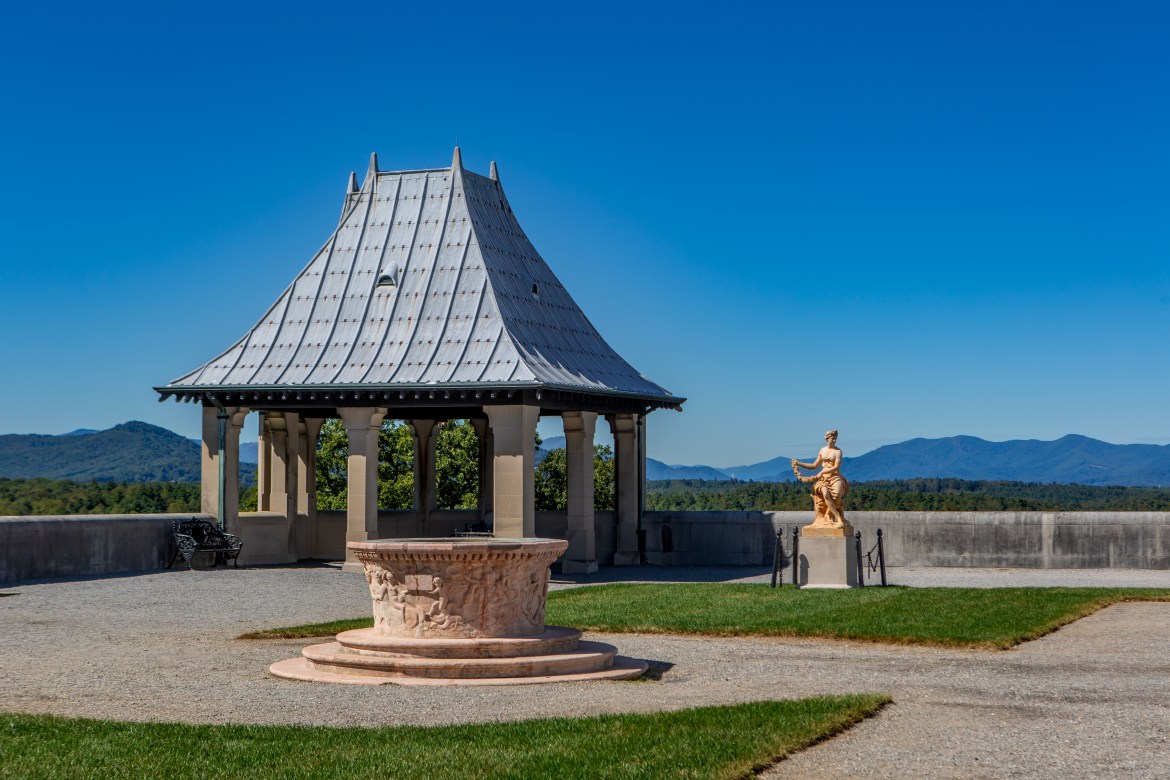
Walk out to the South Terrace and the estate exhales into Blue Ridge horizons—terraced stone, clipped lawns, and a sweep of view that feels tailor-made for golden hour. This is your reset between interiors and gardens, a place to let light and landscape do the talking. Lean against the balustrade, trace the hill lines, and notice how the mansion’s silhouette anchors the panorama without overpowering it. From here, drift toward the Italian Garden or down to the Lagoon, carrying that terrace calm with you as the day opens back up.
🍽️ Nearby Pairings & Pleasant Pauses
If you’ve got an extra hour or two, keep it low-stress and close. Wander Biltmore Village for café patios tucked along brick lanes—great for a late-afternoon latte and a quick browse of artisan shops before dinner. If you’re heading into downtown Asheville, the historic arcades and side streets make easy add-ons: grab a window seat with a mountain peek, then meander a block or two to a small park for people-watching. Rooftop perches shine at blue hour when the Blue Ridge turns violet and city lights begin to glow; arrive 20–30 minutes before sunset to settle in without the scramble. On bright days, pivot to shady garden benches or the Conservatory’s dappled paths, then finish at the Lagoon for a calm, color-rich finale.
Family-Friendly Stops
Antler Hill Village has grassy courtyard benches where kids can wiggle while adults decompress, plus easy access to restrooms and snacks—all stroller-friendly with broad, paved paths. If energy runs high, loop the Lagoon Trail for flat, scenic steps and a quick mansion-reflection moment that even little travelers appreciate. Time treats for mid-afternoon to avoid pre-dinner lines and give everyone a reset before sunset plans.
Rain/Heat Refuge
When the weather turns, trade glare for comfort: step into the Conservatory for lush, humidity-soft light, or browse indoor galleries and estate shops for a cool breather. In town, historic covered arcades offer breezy corridors and dry wandering between cafés without committing to a full museum stop. Aim to re-emerge 45–60 minutes before sunset—cloud breaks often deliver surprise color for an easy, stress-free evening close.
In the Frame: Our Journey in Biltmore
🎥 Reels on the Road
Biltmore practically storyboards itself—every courtyard echo, garden reflection, and terrace vista feels made for motion. Start with short clips that trace the transition from mansion to mountain, letting each cut open up the sense of scale. Follow the light: morning golden rays through stained glass, afternoon shimmer off the Italian Garden pools, and sunset spilling across the South Terrace balustrade. Include small sensory shots—wine swirling in a tasting glass, steam curling from a courtyard coffee, or footsteps crunching leaves under oaks—to ground the grandeur in texture. Keep transitions slow and cinematic; the estate’s elegance lives in its pacing, not its speed.
🎥 Entry Drive — Capture the tree-lined approach as anticipation builds; a gentle dolly or gimbal glide sets your tone before the first reveal of the house.
🎥 Grand Staircase Sweep — Slow pan upward from stone steps to iron skylight—add soft classical or acoustic backing for timeless resonance.
🎥 Conservatory Glow — Focus on hands brushing leaves or misted glass catching light for a tactile, calming sequence.
🎥 South Terrace at Sunset — Hold a wide establishing frame as the light drops; silhouettes against the Blue Ridge horizon make a natural closing shot.
🎥 Vineyard Toast — End with a clink at Antler Hill Village, reflections of golden vines behind—perfect loop point for a short reel or carousel transition.
Brief summary of the video above this text.
🧳 What to Pack for Picture-Perfect Memories
Comfort first, always. The Biltmore Estate is vast, so bring a refillable water bottle, light layers, and a broad-brimmed hat for sunny walks between the house, gardens, and Antler Hill Village. Respectful, neat-casual attire fits perfectly for both indoor tours and winery tastings; sturdy shoes help with long paths and sloped lawns, and an extra pair of socks keeps things comfortable after a full day of walking. Photographers should keep gear minimal—handheld only—packing a small lens cloth for quick cleanups and a discreet stabilization option like a compact tripod or wrist-strap gimbal where permitted. The estate rewards slow pacing, light travel, and a readiness to pivot from grandeur to garden paths in a single afternoon.
👉 The Nomad’s Kit: Gear That Earns Its Miles
Canon RF 15–35mm f/2.8L — Ultra-wide for the mansion’s facade, glass-roofed Winter Garden, and tight hallway perspectives where stepping back means “hello, velvet rope.”
Canon RF 24–105mm f/2.8L — Your house-to-hilltop workhorse: portraits under pergolas, mid-tele floral compositions in the Rose Garden, and quick café shots in Antler Hill Village.
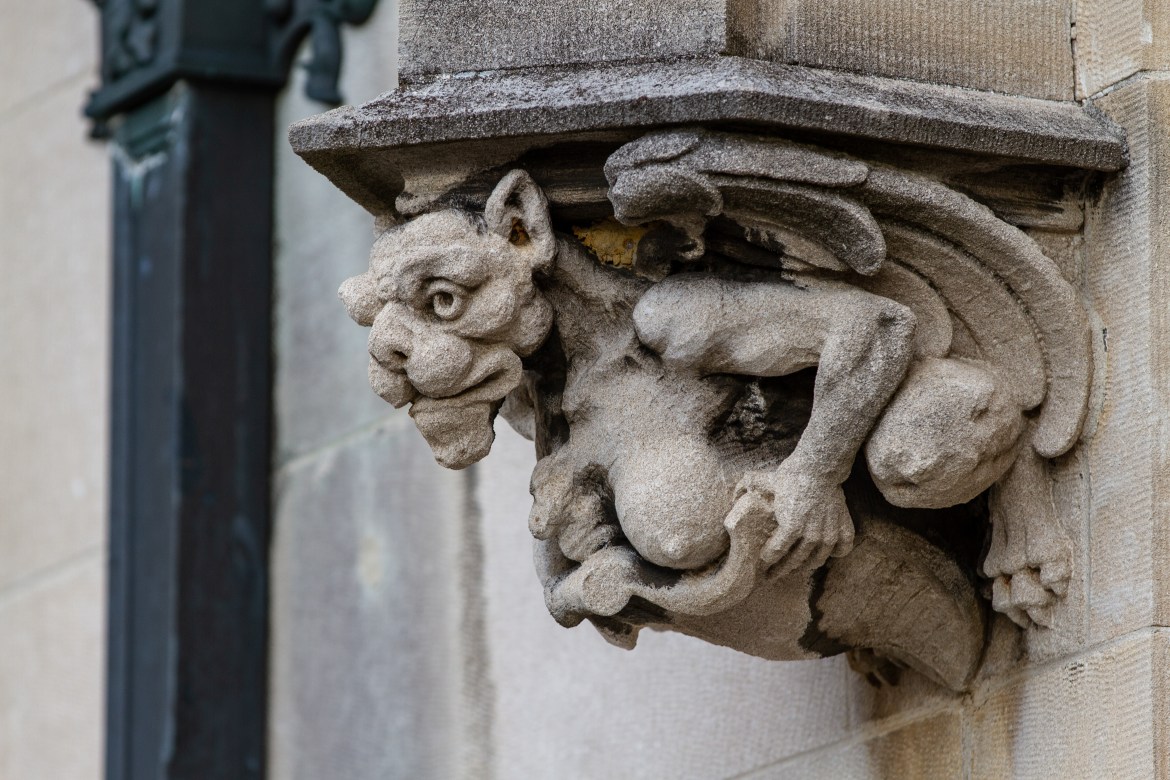
Canon RF 100–500mm f/4.5–7.1L IS USM — From the Lagoon, compress mansion and mountain layers; isolate details like gargoyles, turrets, and statues framed in climbing ivy.
Lowepro ProTactic BP 350 AW III — Museum-friendly and comfortable for all-day walks; keeps filters and tickets organized while blending in for guided tours.
Peak Design Travel Tripod — Use outdoors for blue-hour reflections at the lagoon or waterfall; keep folded inside the mansion and busy gardens—staff restrictions apply.
JOBY GorillaPod 3K Kit — Clamp to fence rails near the Bass Pond Bridge or garden benches for silky water and long exposures—tiny footprint, big stability.
Cut Glare. Shape Time. Make Every Frame Sing.
Biltmore is pure reflection—glass, water, and polished stone catching every flicker of light. A circular polarizer tames glare on windows, ponds, and marble floors, revealing depth and color richness. A variable ND lets you slow the estate’s rhythm—smooth fountains, melt crowds into soft motion in the gardens, and turn sunset clouds over the Blue Ridge into flowing brushstrokes while the mansion stands serene.
🌸 Control Reflections & Punch Up Color
Circular Polarizer Filter — Knock glare off greenhouse glass, pull vivid greens from garden leaves, and add depth to blue mountain backdrops. Pro tip: rotate gently—too much polarization can darken sky reflections in pond shots, losing that romantic shimmer.
⏱️ Drag the Shutter in Gilded Gardens
Neutral Density Variable Filter — Drop 3–6 stops to smooth the Italian Garden fountains, soften Bass Pond ripples, and paint clouds over the mansion at sunset. Pro tip: start around 1/4–1 s for people blur; go 2–10 s for silky water or moody sky trails.
Pack both for any Blue Ridge masterpiece: the polarizer reveals the Biltmore’s elegance; the ND sculpts its stillness. Together, they turn opulence into art.
Photo Policy Reminders — No flash or tripods/stands inside the mansion; handheld only. Drones are prohibited on all estate property. Outdoor photography is welcome—be courteous to tours and weddings. Respect rope barriers and exhibits, and always step aside for staff or horse-drawn carriages. Visit early or near closing for calmer light, cooler temps, and fewer visitors—the Biltmore rewards patience with golden reflections and timeless Southern grace.
💰 On-Site Costs Snapshot
Most visitors land in the $95–$140 range per adult for a timed house + gardens ticket depending on date and season, then add a modest $10–$25 for a coffee, wine tasting, or small souvenir. If you love context and special vantage points, upgrading to a specialty guided tour (often $30–$75 add-on) is where the estate really opens up—think rooftops, backstairs, or conservation deep dives. Families typically keep meals casual at Antler Hill Village and split desserts to stay nimble; couples often budget for a tasting flight and a keepsake (postcards, small prints) rather than large merch. In peak seasons (spring bloom, fall color, Candlelight Christmas), expect the higher end of the ranges and book early to lock good entry times.
| On-Site Costs — Biltmore Estate (Asheville, NC) | Typical Spend (USD) | What You Get / Notes |
|---|---|---|
| Entry — House & Gardens (Timed) | $95–$140 | Date-based pricing; includes mansion circuit, gardens, and access to Antler Hill Village. Book early for preferred times. |
| Audio Guide (Self-Guided) | $12–$15 | Adds context room-by-room; easy upgrade for first-timers who want a richer story without a group tour. |
| Specialty Guided Tour (Rooftop, Backstairs, Conservation) | $30–$75 add-on | Fixed times, limited capacity; best upgrade for unique views and behind-the-scenes spaces. |
| Candlelight Christmas Evening (Seasonal) | $120–$170 | Holiday décor + evening ambiance; pairs nicely with a late afternoon garden stroll beforehand. |
| Winery Tasting (Antler Hill Village) | $0–$20 pp | Basic tastings may be included/complimentary at times; flights or reserves cost extra. Reserve same-day slots on busy weekends. |
| Casual Dining / Café | $15–$28 pp | Sandwiches, salads, kids’ options; plan lunches off-peak to avoid lines (11:00–11:30am or after 2:00pm). |
| Restaurant Dinner (Estate venues) | $28–$55 pp (entrée) | Reservations recommended during bloom, leaf season, and holidays; add tax + tip. |
| Souvenirs (Books, Prints, Gifts) | $8–$45 | Postcards, small prints, ornaments; easy add without weighing down your bag. |
| Parking & Shuttles | $0 | Parking is included; estate shuttles connect lots, the house, and Antler Hill Village. |
🤝 Etiquette & Respectful Visiting
Visiting Biltmore Estate is as much about atmosphere as architecture, and a little courtesy makes it better for everyone. Dress comfortably yet neatly—think resort casual, not hiking gear—since you’ll move between formal interiors and relaxed outdoor settings. Inside the mansion, voices carry easily; keep conversations soft and step aside in narrow galleries so others can enjoy the view. Avoid touching furnishings, railings, or drapery unless signage permits—it’s a working preservation site, and oils from hands accelerate wear. Outdoors, stay on marked paths to protect landscaped beds and let faster walkers or photo-takers pass with a smile. In tasting rooms, gardens, and cafés, follow the rhythm of the space: patience, politeness, and a moment of quiet reflection often reward you with better light, better service, and a better story to tell when you leave.
🕰️ Historical Timeline at a Glance
Biltmore’s story arcs from a Gilded Age vision to a living, family-run estate that keeps evolving with the Blue Ridge around it. In the late 1880s, George W. Vanderbilt began assembling land and talent—architect Richard Morris Hunt and landscape pioneer Frederick Law Olmsted—to craft an American château with European grace and Appalachian roots. The house opened on Christmas Eve 1895, and in the decades that followed the estate weathered personal loss, world wars, and economic shifts, reinventing itself through conservation, hospitality, and winemaking. Key inflection points—opening to the public during the Depression, sheltering National Gallery masterworks in WWII, and launching the winery and inn—explain why today’s visit feels both historic and current. Each milestone adds a layer: artistry, stewardship, community, and a knack for welcoming new generations without losing the old soul of the place.
| Year | Milestone at Biltmore Estate | Why It Matters |
|---|---|---|
| 1888 | George W. Vanderbilt begins acquiring land near Asheville | Seeds the vision for an American château set within a vast, rehabilitated landscape. |
| 1889–1895 | Construction under Richard Morris Hunt; landscape shaped by Frederick Law Olmsted | Architectural artistry + scientific forestry create the estate’s signature look and ethos. |
| 1895 | Biltmore House opens on Christmas Eve | Unveils America’s largest private home; a new icon of the Gilded Age. |
| 1898 | George marries Edith Stuyvesant Dresser | Begins the family chapter that will guide stewardship for generations. |
| 1900 | Birth of Cornelia Vanderbilt | Heir apparent anchors continuity of the estate’s legacy. |
| 1914 | George Vanderbilt dies; Edith leads conservation moves | Edith later sells vast acreage to the U.S., helping form Pisgah National Forest. |
| 1930 | House opens to the public | Depression-era decision sustains the estate and welcomes travelers to Asheville. |
| 1942–1944 | WWII: National Gallery of Art masterworks stored at Biltmore | Estate safeguards national treasures during wartime—quiet heroism in the hills. |
| 1963 | Designated a National Historic Landmark | Recognizes architectural and cultural significance at the national level. |
| 1985 | Biltmore Winery opens | Diversifies the estate’s future; introduces a new visitor experience and craft. |
| 2001 | The Inn on Biltmore Estate debuts | Elevates multi-day stays; shifts the visit from tour to retreat. |
| 2010 | Antler Hill Village opens | Adds dining, shopping, exhibits, and family-friendly spaces to round out the day. |

📓 Through My Lens: Field Notes from the Road
Laura and I first visited Biltmore Estate on our first anniversary, and we were instantly swept up by its grandeur, its warmth, and the way the Blue Ridge light seems to wrap around every stone. What began as a romantic getaway quickly became a lifelong love affair—we’ve since returned dozens of times, often bringing family and friends along to share in the spell this place casts. Each visit feels new: spring brings fragrance and freshness, summer hums with energy, fall bursts in color so vivid it almost glows, and winter… well, winter feels like magic itself. But nothing compares to Christmas at Biltmore—it’s as if time rewinds to 1895 when the doors first opened for the season. Candlelight flickers off garlands and gilt, fires crackle in every hearth, and carolers’ voices float softly through the halls. Our favorite ritual has always been the Deer Park Restaurant, where we’d reserve spots for the Grand Christmas Buffet, lingering over warm plates and holiday music echoing through the rafters. Even after all these years, Biltmore still has the power to surprise us; it never loses that sense of wonder. Every return visit feels like coming home to a memory that keeps expanding—layered in history, laughter, and the unmistakable glow of shared tradition.
☀️ When to Go & Weather Sweet-Spots
Blue Ridge Light Chasers: Timing Biltmore for Color, Calm, and Comfort
Biltmore is a four-season charmer, but the experience shifts with the mountain mood. Spring brings cool mornings and tulip azaleas that pop after gentle rains, while summer stretches the day with lush shade and warm sunset lawns on the South Terrace. Fall is the headline—amber ridgelines and painterly reflections at the Lagoon from mid-October into early November—so plan ahead and book the earliest house entry of your day. Winter trades foliage for clarity and candlelight: crisp skies, quieter paths, and dramatic interiors during Candlelight Christmas. If you’re chasing photographs, target calm mornings after a passing shower or a clear, breezy day following a cool front—colors snap, reflections steady, and crowds thin.
| 🌞 Season | 🧘♂️ Vibe Check | 🌦 Rain Factor | 🏛 Tourist Traffic |
|---|---|---|---|
| 🌸 Spring (March–May) | Bloom-forward; cool mornings, fresh greens, and pastel gardens. | Periodic showers; carry a light layer and quick-dry shoes. | Moderate on weekends; quieter midweek mornings. |
| ☀️ Summer (June–August) | Long days, deep shade, evening concerts; lush, vivid greens. | Afternoon pop-up storms; plan interiors then gardens post-rain. | High family traffic; arrive early or go late-day. |
| 🍂 Fall (September–November) | Headline foliage; golden lawns, mirrored Lagoons, crisp air. | Generally mild; breezy post-front days = best clarity. | Peak mid-Oct–early Nov; book timed entry early. |
| 🌴 Winter (December–February) | Candlelight magic, quiet paths, strong architectural lines. | Light precipitation; occasional frost adds sparkle. | Busy nights during Christmas; otherwise pleasantly light. |
🎯 Peak Tourist Season Months: June–August (families, concerts), mid-October–early November (leaf season), late November–December evenings (Candlelight Christmas)
🏖️ Off-Season Sweet Spot Months: Late January–February weekdays; early March and early December non-event weekdays
💡 Insider Pro Tip: Book the earliest house entry for calm interiors, then schedule gardens and the Lagoon/Bass Pond loop for late afternoon—if a shower passes, head straight to the Italian Garden for glassy, color-saturated reflections.
Just Beyond: Blue Ridge Parkway
Only minutes from Biltmore’s gates, the Blue Ridge Parkway winds through misty overlooks, waterfalls, and fiery fall canopies that frame Asheville in all its Appalachian glory. Cruise its curves for golden-hour panoramas, stop at roadside overlooks for picnic shots, and chase ridge-line light that shifts with every mile. It’s the perfect day-trip pairing for travelers who crave open skies, cool air, and photo ops that never end.
View Our Blue Ridge Parkway Guide🛡️ Practical & Safety Notes
Biltmore is welcoming and well-run, but a few smart habits make the day smoother. Inside the house, move with the flow, keep voices low, and step aside at narrow thresholds so staff and visitors can pass—crowds naturally bunch at the grand staircase and Banquet Hall. After rain, stone terraces and garden steps can be slick; use handrails and wear shoes with real tread (leaf fall in autumn is beautiful and slippery). Hydrate between the house and gardens, and give yourself cushion time for shuttles so you’re not rushing timed entries. If your group splits, set Front Lawn or Stable Courtyard as meet-back points, and confirm photo rules before recording in specialty tours.
Street-Savvy Notes
Keep gear streamlined and zipped; switch lenses outdoors, not in tight interior thresholds.
In fall/winter, watch for leaf-slick spots and occasional early-morning frost on stone.
Tripods are outdoor-only; yield space on paths and terraces when setting up.
Dusk driving near the estate can mean deer—slow roll on approach roads and lots.
Winery etiquette = pace your pours, snack first, water often; rideshares are easy from Antler Hill Village.
If separated, text a timestamp plus location (“Stable Courtyard fountain, 3:20”)—easy for staff to help you reconnect.
🎞️ More Frames From the Road: Scenes Worth Stopping For
🗣️ Cheat Sheet for Friendly Encounters at Biltmore Estate
Terminology from Biltmore’s Gilded Age: Words You Might Have Heard in Its Early Days
Stepping through Biltmore is like walking into the language of another era—when craftsmanship, etiquette, and hierarchy shaped daily conversation. Many of the estate’s original workers, guests, and household staff used a vocabulary that sounds charmingly formal today. Here’s your quick cheat sheet to decode the words and phrases that floated through Vanderbilt’s halls and gardens at the turn of the 20th century—perfect for enriching your visit or adding flair to captions and storytelling.
| 🔧 Term | 📝 Meaning | 🎬 Example Usage |
|---|---|---|
| Château | French term for a grand country house or palace, used by the Vanderbilts to describe their mansion’s style. | “The château glows at sunset—just as Hunt envisioned.” |
| Manservant | A male household attendant responsible for a gentleman’s clothing, errands, and household duties. | “The manservant ensured Vanderbilt’s evening attire was perfectly pressed.” |
| Calling Cards | Small engraved cards left by visitors to announce a social call—an essential tool of upper-class etiquette. | “Guests from New York left calling cards before dinner invitations were extended.” |
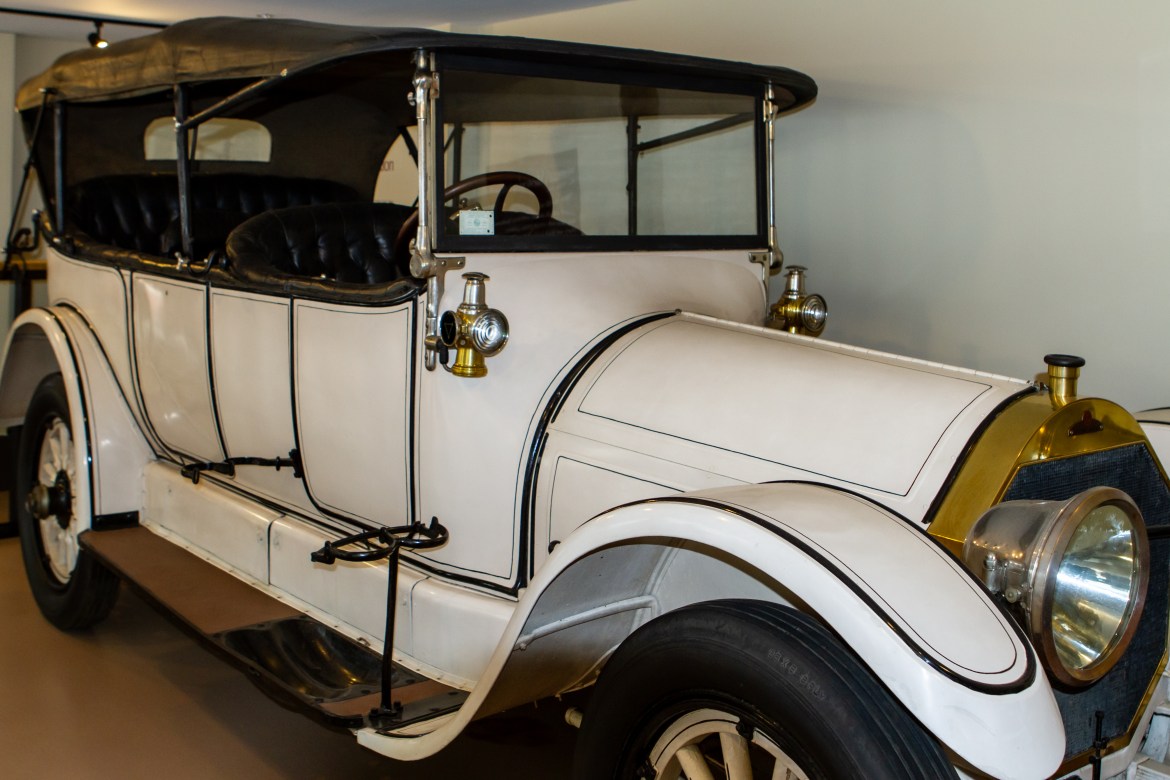
| Motor Carriage | Early term for an automobile; a novelty during Biltmore’s early years. | “A motor carriage was quite the spectacle on estate roads in 1903.” |
| Footman | Uniformed servant who assisted at table and accompanied carriages. | “Footmen served each course with precision during Vanderbilt banquets.” |
| Drawing Room | Formal sitting room where guests gathered before dinner or concerts. | “Ladies retired to the Drawing Room for music and conversation.” |
| Butler’s Pantry | Service room between the dining hall and kitchen used for plating and silver storage. | “The butler’s pantry gleamed with polished silver awaiting the evening’s courses.” |
| Gilded Age | Late 19th-century period marked by opulent displays of wealth and rapid industrial growth in America. | “Biltmore remains one of the crowning achievements of the Gilded Age.” |
| Conservatory | A glasshouse for exotic plants—status symbol and scientific endeavor combined. | “Guests admired orchids cultivated in the Conservatory’s tropical wing.” |
| Esplanade | Formal promenade or terrace leading to the house façade. | “Carriages approached along the Esplanade, a deliberate prelude to grandeur.” |
| Servants’ Quarters | Private wing or upper floors housing household staff. | “The servants’ quarters mirrored the discipline that kept the mansion running.” |
| Salon | An elegant reception room for art, literature, and conversation. | “The evening salon featured music, poetry, and French wines from the cellar.” |
| Coach House | Outbuilding where carriages and horses were housed before motor vehicles arrived. | “Stable hands prepared the teams in the Coach House before guests rode out.” |
| Gentleman’s Estate | A country residence managed for leisure and study rather than profit. | “Vanderbilt envisioned Biltmore as a gentleman’s estate devoted to art and learning.” |

Behind the Lens
I’m Steve—a retired Army vet who traded ruck sacks for camera bags and now chases light across every latitude I can reach. From 110 point & shoot film camera beginnings to a Canon R5 Mark II and Mavic Pro II drone, I’ve logged shots in 36 countries and all 50 states, squeezing solo photo runs between corporate flights and longer adventures with my wife. Shutter Nomadica is where I share the hits, misses, and field notes so fellow roamers can skip the guesswork and grab the shot!