Walking Through Ashes: A Complete Pompeii Travel Guide

Unearthing the Timeless City of Pompeii, Italy

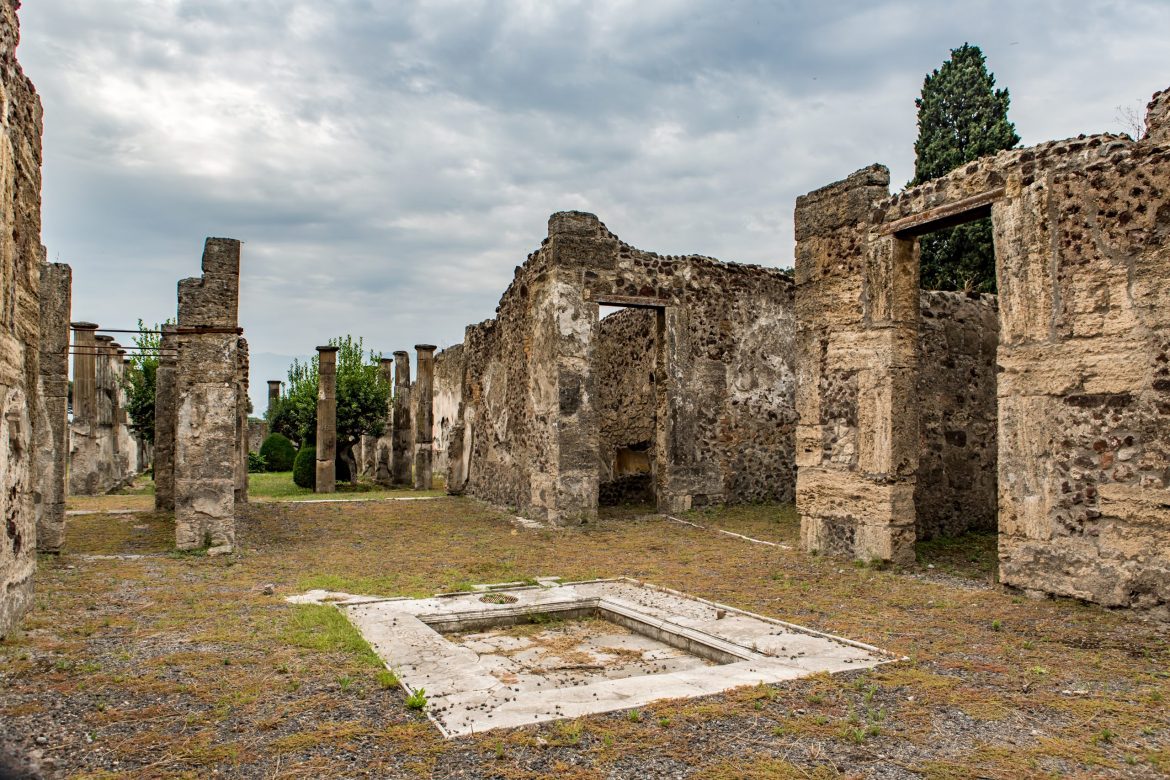
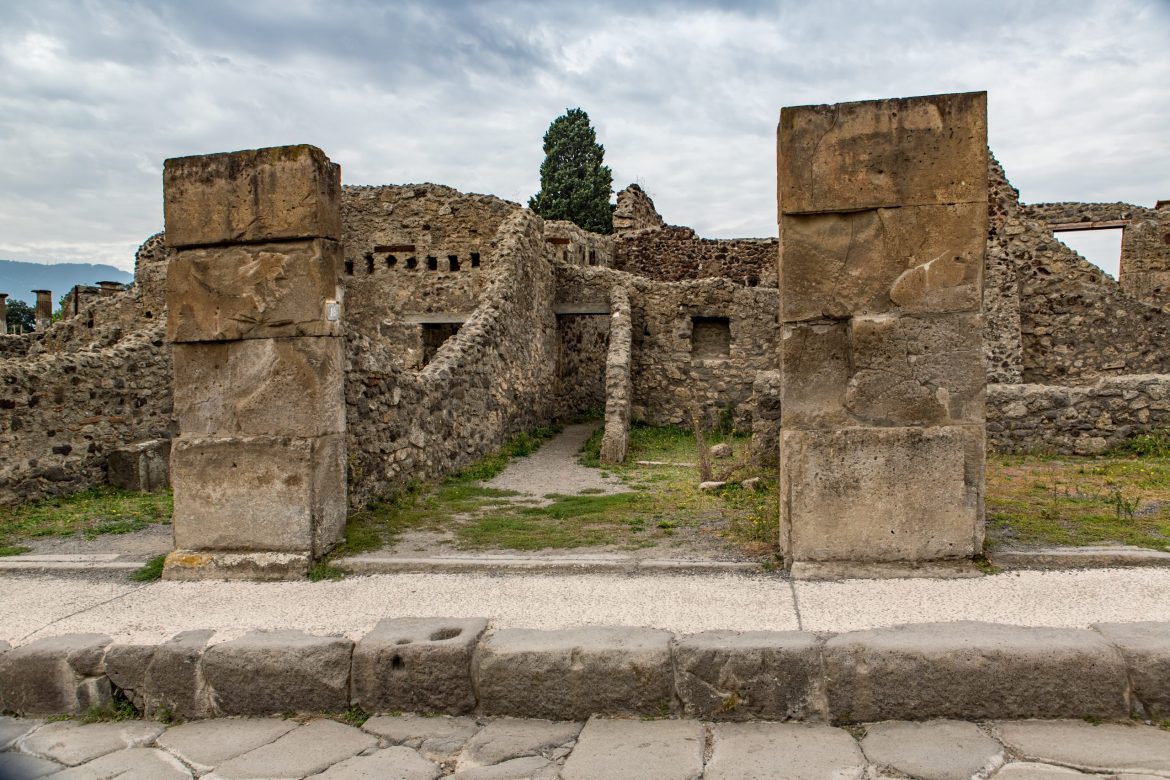
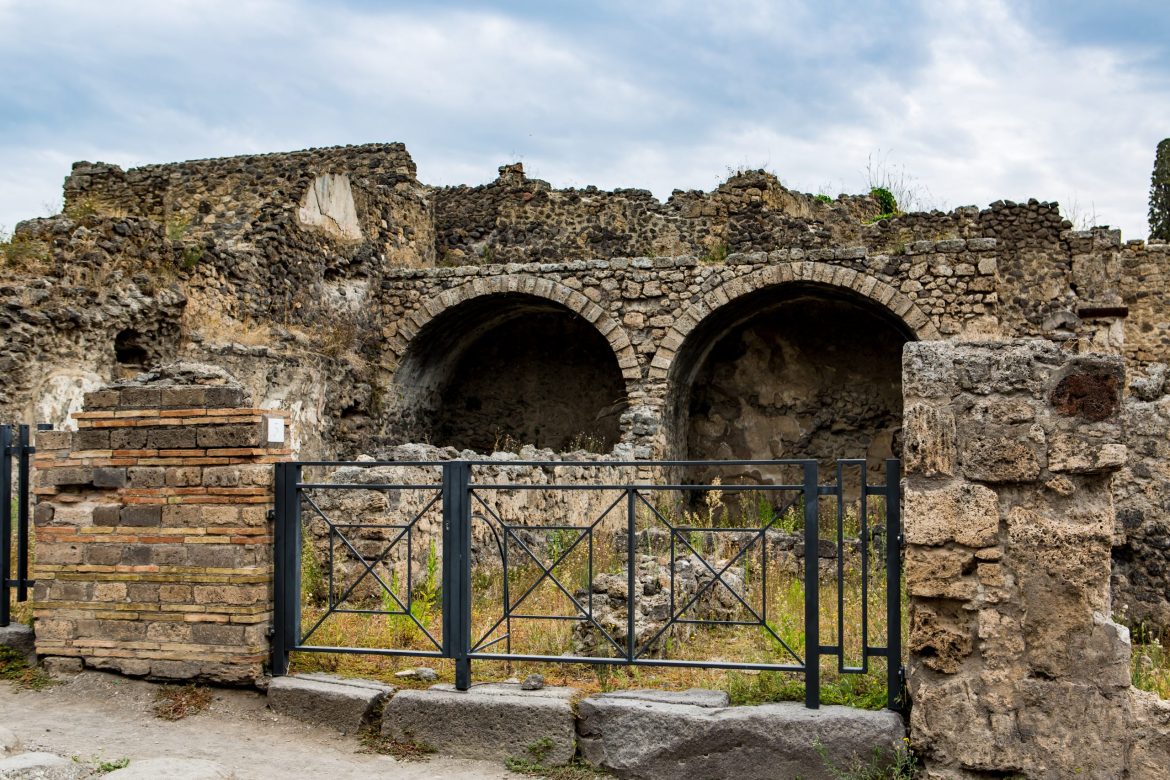
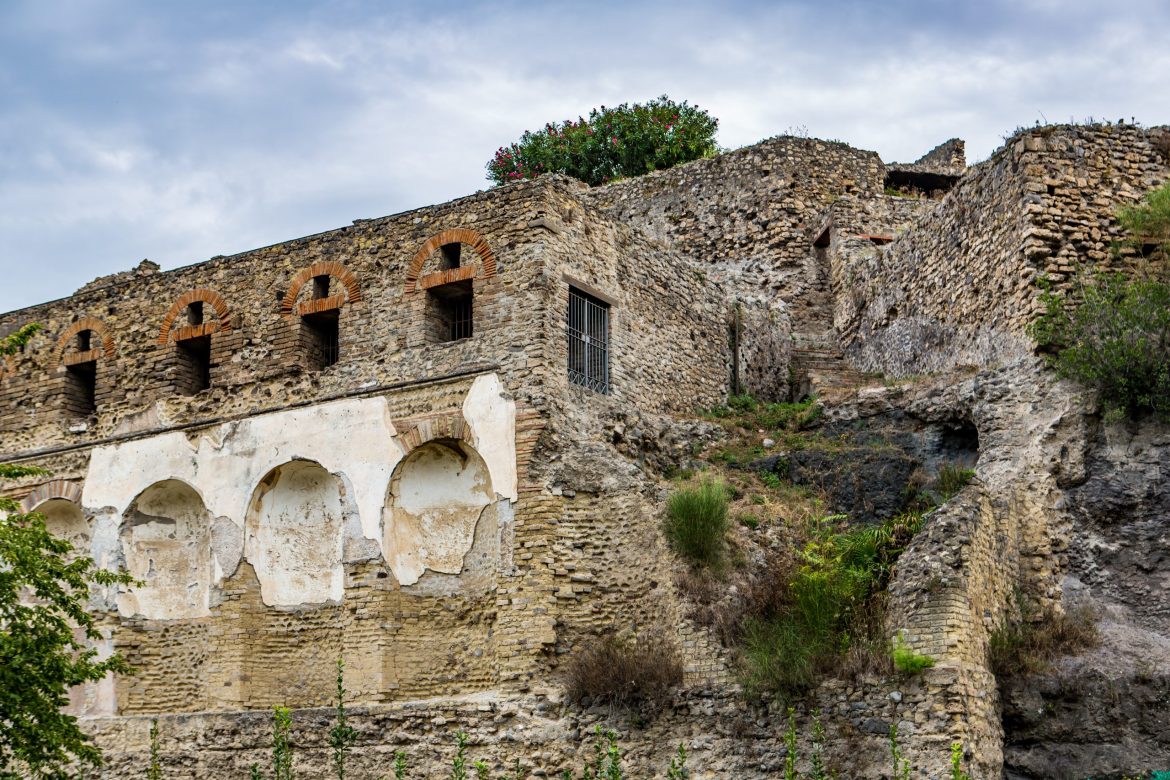
If you’ve ever dreamed of walking straight into the pages of history, Pompeii is the time machine you didn’t know you needed. This city, frozen in tragedy beneath Mount Vesuvius’ ash in AD 79, offers some of the most immersive ruins on Earth.

The best month to visit is May, when the weather is mild and the flowers spill across the cobblestones without the full summer crowds. The closest airport is Naples International (NAP), just 30 minutes away. To see the highlights of Pompeii properly, plan for at least half a day, though true explorers could spend a full day wandering the labyrinth of stone streets.

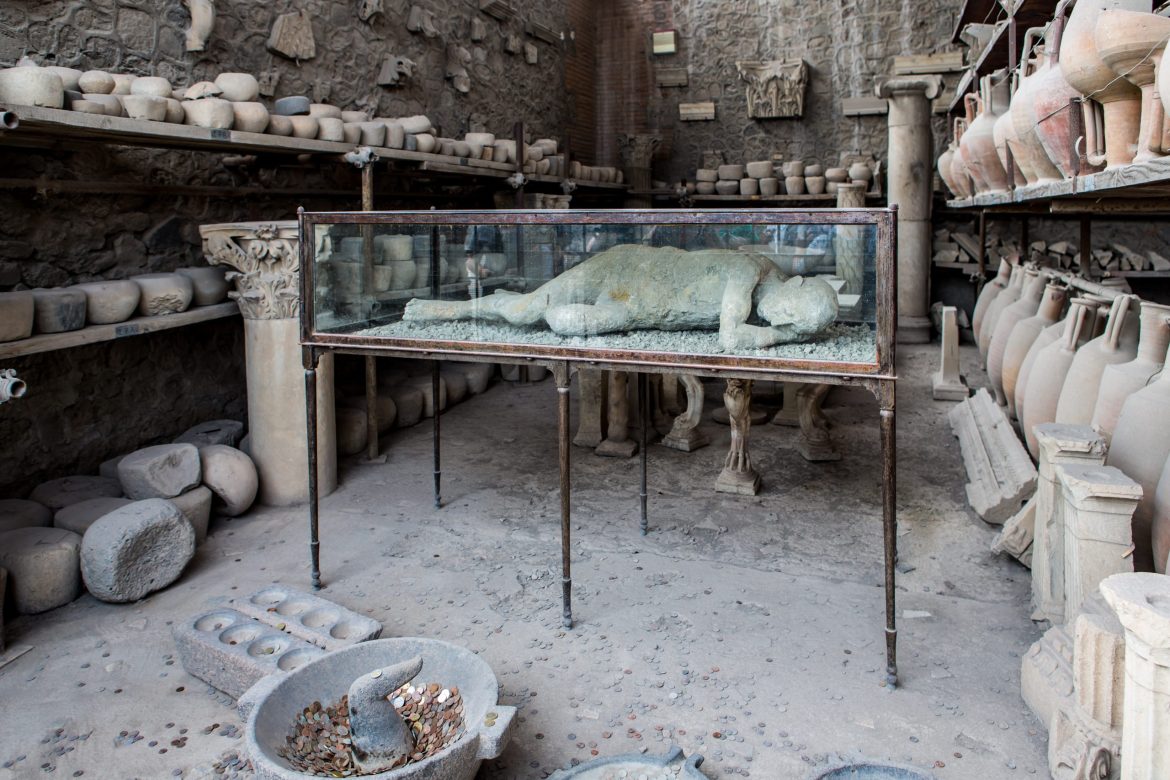
Standing in Pompeii is more than visiting a ruin—it’s about feeling Roman life pulse through every fresco, bathhouse, and cobbled street. You’ll see chariot ruts carved into stone, bakeries with bread ovens intact, and the haunting plaster casts of residents caught in their final moments. For photographers, the play of light over crumbled temples, hidden gardens, and mosaics is an endless canvas. Pompeii isn’t just another stop—it’s one of the world’s great open-air museums, a reminder of the fragility of life and the brilliance of human resilience.

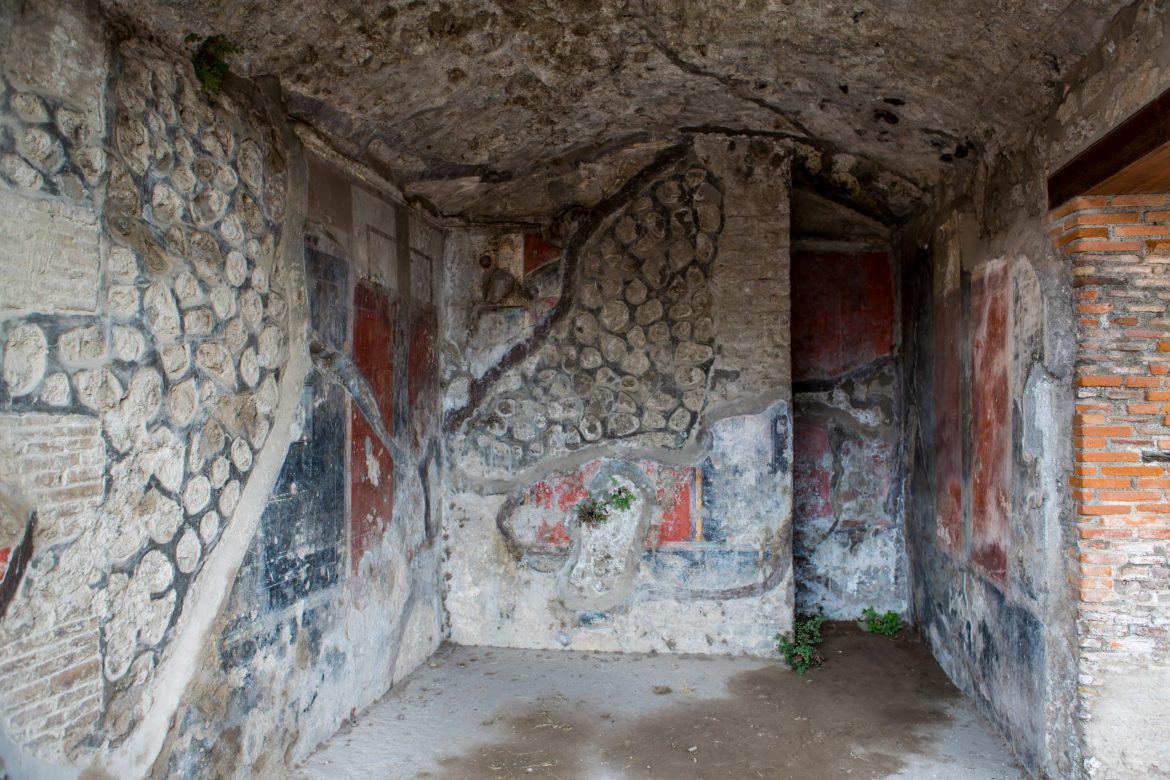
Stone-Bed Silence: A Slave’s Cubiculum
A cramped chamber in Pompeii where a single stone platform once served as both bed and furniture.
Boy and the Dog: A Roman Relief
A child holds a torch while a small dog leaps at his side—frozen in stone, yet full of motion.
Follow the Phallus: Streetside Wayfinder
A rain-filled carving of a phallus directs ancient travelers toward Pompeii’s lupanar (brothel).
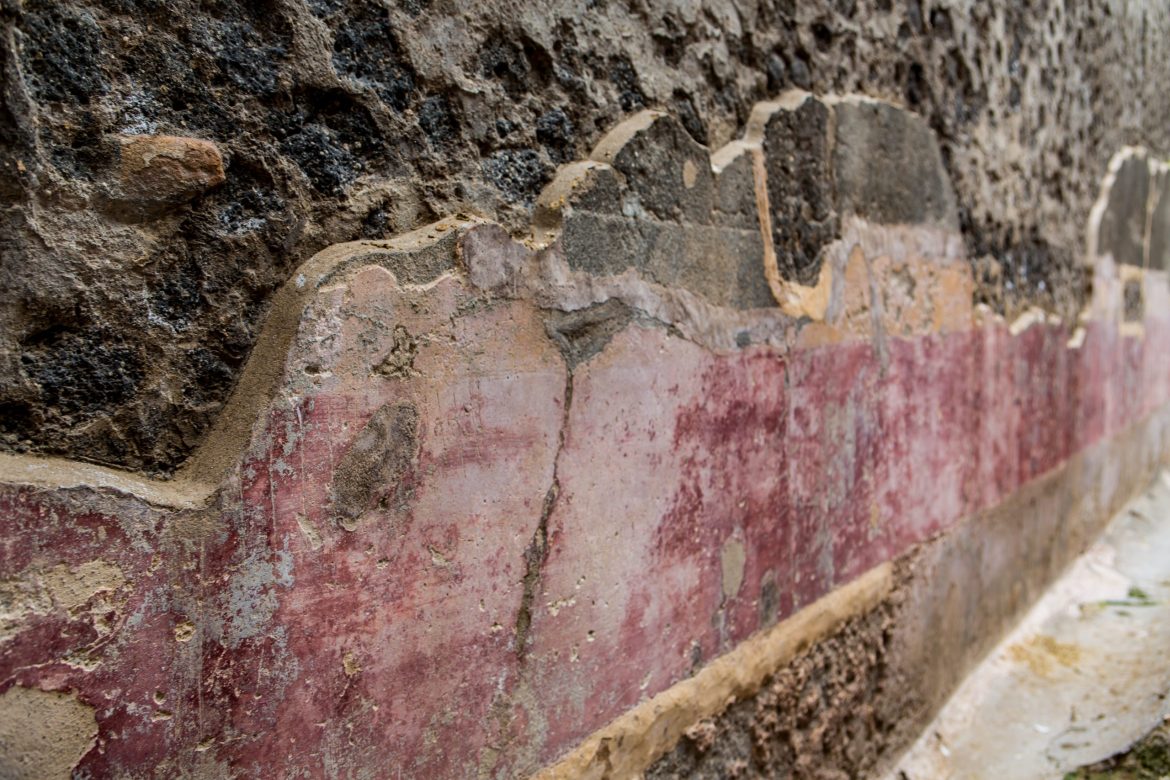
Faded Glory on Stone
A ghostly mural of a Roman figure is barely visible on the cracked and faded plaster.

🎯 Don’t Miss Shortlist in Pompeii

The ruins of Pompeii sprawl wider than many expect, offering haunting mosaics, eerie plaster casts, and vast Roman architecture. Exploring these landmarks is like opening a history book that forgot to close—each corner holds a frozen fragment of daily life. Photographers will love the shifting Mediterranean light across stone forums, gardens, and frescoes, while travelers will find themselves caught between beauty and tragedy. Here are the unmissable highlights:

  1. Forum & Temple of Jupiter
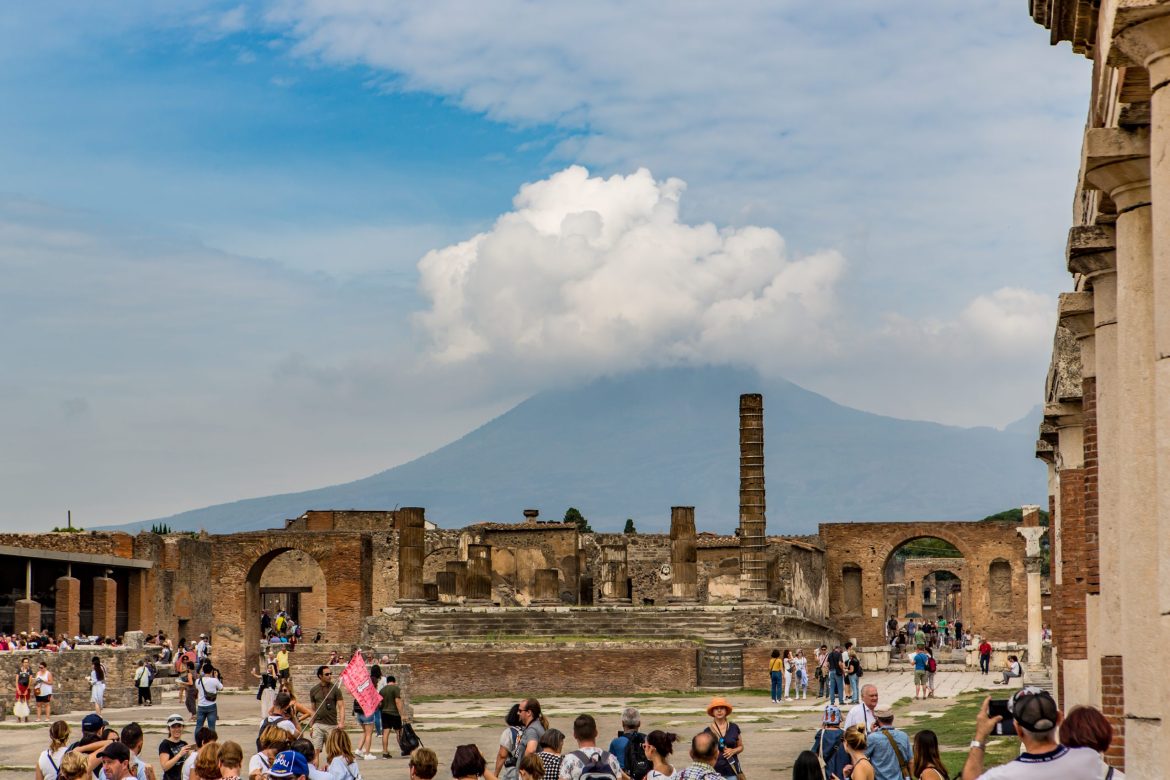
    This was the beating heart of ancient Pompeii, where politics, religion, and trade converged beneath the looming shadow of Vesuvius. Standing here, you’ll see the ruined columns framing the volcano perfectly—a chilling reminder of power and destruction. The vast open square makes for dramatic wide-angle photography, especially under a blazing blue sky.
    🕒 Open: Daily, 9am–7pm
    💵 Cost: Included with entry ticket (~$20 USD)
    💡 Insider Tip: Arrive early—this is the heart of Pompeii, and it fills quickly with tour groups.

  2. House of the Faun
    One of Pompeii’s grandest villas, the House of the Faun stretches across an entire city block. Its elaborate mosaics—including the world-famous “Alexander Mosaic”—bring ancient art vividly to life. Walking through its courtyards feels like stepping into the lavish world of Pompeii’s elite, with endless textures and details for macro shots.
    🕒 Open: Daily, 9am–7pm
    💵 Cost: Entry included
    💡 Insider Tip: Seek out the “Alexander Mosaic”—a masterpiece that photographers love for detail shots.

  3. Lupanar (Ancient Brothel)
    Equal parts shocking and fascinating, the Lupanar reveals a more intimate slice of Roman life. Its walls are decorated with frescoes that once served as “menus” for patrons, now a unique cultural record. Small, dim, and atmospheric, it’s an unexpected highlight that sparks conversation and photographs alike.
    🕒 Open: Daily, 9am–7pm
    💵 Cost: Entry included
    💡 Insider Tip: Don’t miss the risqué frescoes above the doors—they served as ancient “menus.”

  4. Amphitheater
    Built decades before the Colosseum, Pompeii’s amphitheater could seat 20,000 spectators—proof of the city’s wealth and scale. Today, the oval arena feels eerily quiet, yet it offers expansive views perfect for sweeping landscape shots. Unlike Rome’s version, you’ll often find this site refreshingly uncrowded.
    🕒 Open: Daily, 9am–7pm
    💵 Cost: Entry included
    💡 Insider Tip: Shoot wide angles here—the arena is massive and nearly empty compared to Rome’s Colosseum.

  5. Garden of the Fugitives
    Perhaps the most haunting corner of Pompeii, this garden holds the plaster casts of victims frozen mid-escape. The human forms are powerful reminders of the eruption’s tragedy, surrounded by tranquil greenery that amplifies the poignancy. It’s both chilling and moving, especially when light cuts across in the late afternoon.
    🕒 Open: Daily, 9am–7pm
    💵 Cost: Entry included
    💡 Insider Tip: The plaster casts here are haunting—visit in late afternoon for dramatic shadows.

  6. Villa of the Mysteries
    Just outside Pompeii’s main gates, this sprawling villa holds some of the most famous frescoes in the ancient world. The deep reds of the “Mystery Frescoes” glow with life, depicting rituals still debated by scholars today. For photographers, the preserved colors are a rare chance to capture Roman art in near-original vibrancy.
    🕒 Open: Daily, 9am–7pm
    💵 Cost: Entry included
    💡 Insider Tip: A short walk outside the main gates but worth it—the frescoes are among the most vivid in Pompeii.

🚖 Best Way to Travel in Pompeii

Reaching Pompeii is refreshingly straightforward, which is good news since most travelers are coming in from nearby Naples or Sorrento. The Circumvesuviana train is the go-to option, rattling along in about 35 minutes from either city and dropping you directly at Pompei Scavi-Villa dei Misteri station, right at the ruins’ entrance. Tickets cost only a few dollars, but brace yourself—the trains can get packed with tourists and locals alike, especially midday.

If you prefer comfort, buses and guided tour shuttles offer door-to-door convenience, though they’ll run you more than the train. Driving is possible, but unless you’re an Italian rally driver, the roads and parking near the ruins can be more stress than they’re worth. Once inside the archaeological park, forget wheels altogether—Pompeii is a walking-only adventure. The streets are uneven, with ancient basalt stones and chariot ruts, so think of it as a cardio workout with a side of archaeology. Pro tip: sturdy shoes beat stylish sandals every time here.

🖼️ Pompeii in Pixels: Bonus Shots

Shell of Stories
A carved conch shell holds a mythological scene, blending nature’s beauty with Roman craftsmanship.
Echoes of Applause
The amphitheater of Pompeii once roared with cheers—now it whispers of history to curious visitors.
Ceiling of Splendor
A ceiling from centuries past, where Roman art and mythology still dance above.
Temple of Jupiter at Pompeii
The ruins of Pompeii’s once grand Temple of Jupiter rise against the sky.
Mount Vesuvius Looms
The brooding silhouette of Mount Vesuvius rises beyond Pompeii’s ruins, a quiet menace in the background.
Final Embrace
A haunting sculpture of a life cut short—Pompeii’s tragedy cast in plaster and ash.

💵 Sleep • Eat • Move: Cost Breakdown in Pompeii

Pompeii itself is more of a day-trip hub than an overnight stay, so most travelers base themselves in Naples or Sorrento and use the train to shuttle in. That means your lodging budget depends heavily on where you choose to sleep—Naples leans vibrant and chaotic with a mix of modern hotels and budget-friendly B&Bs, while Sorrento offers sun-soaked terraces and higher price tags. Meals in the area swing from cheap street pizza slices and espressos on the go, to multi-course seaside feasts featuring seafood risotto and crisp local wines. Transportation is mostly about those Circumvesuviana train rides, with the occasional bus or taxi splurge, though guided tours can bundle transfers with insider storytelling. Finally, activities remain surprisingly affordable—your entry ticket to Pompeii is under $25, but guided tours, side-trips to Herculaneum, or climbing Mount Vesuvius will stack onto your budget if you want the full ancient-meets-active experience.

🏷️ Category💵 Cost Range (USD)📌 What You Get
🏨 Lodging$50–$100Budget B&Bs in Pompeii town or Naples with simple comfort and breakfast.
 Mid-Range$120–$200Boutique hotels in Naples or charming stays in Sorrento with more amenities.
 Luxury$250–$500+5-star seaview resorts in Sorrento or historic Naples hotels with flair.
🍽 Meals$15–$30Casual trattorias with pizza, pasta, and house wine.
 Mid-Range$40–$703-course dinners with fresh seafood and regional wines.
 Luxury$100–$200+Fine dining with Michelin stars or panoramic Vesuvius views.
🚌 Transportation$5–$15Train tickets Naples–Pompeii–Sorrento or local buses.
 Mid-Range$50–$100Tour shuttles or private transfers bundled with guides.
 Luxury$200–$400+Private driver or chauffeured day trips with flexibility.
🏛 Activities$20–$25Standard entry ticket to Pompeii archaeological park.
 Mid-Range$60–$150Guided tours or combo tickets for Pompeii + Herculaneum.
 Luxury$300–$600+Private archaeologist tours or helicopter excursions over Vesuvius.

Average Cost Per Day in Pompeii

Your budget in Pompeii will flex dramatically depending on whether you’re traveling lean with pizza slices and trains, or indulging in seaview suites and private archaeologist tours. For budget wanderers, a simple B&B in Naples, Circumvesuviana rides, and a self-guided stroll through the ruins keeps costs low without skimping on experience. Mid-range travelers balance guided tours, boutique hotels, and proper dinners with wine, while luxury seekers treat themselves to private transfers, gourmet dining, and once-in-a-lifetime helicopter views over Mount Vesuvius. Here’s what a daily spend looks like at different travel styles:

🧳 Traveler Type💵 Daily Estimate (USD)📌 What’s Included
 🎒 Budget – Wander Smart $70–$100B&B stay in Naples, train tickets, casual meals, Pompeii entry ticket.
 🏖️ Mid-Range – Wander Well $150–$250Boutique hotel or Sorrento stay, guided tours, multi-course dinners, transfers.
 🏰 Luxury – Wander Luxe $400–$700+Luxury seaview resort, private tours, chauffeured cars, fine dining with wine pairings.

A few links and ads here are affiliate portals. If you click through and snag something, you’ll be fueling my next photo-quest at no extra cost to you. Thanks for keeping the adventure rolling!

Interior of a Pompeii bathhouse with curved ceiling and colorful fresco remnants
Colorful fresco remnants wrap around the curved walls of Pompeii’s ancient baths, their pigments still clinging to stone after centuries. The circular layout and weathered textures offer a glimpse into Rome’s bathing culture. It’s an intimate, atmospheric space shaped by time.
Ancient carved relief depicting a seated male figure with staff in Pompeii
A seated figure carved into stone raises his staff as an eagle perches nearby, a fragment of mythology still clinging to Pompeii’s walls. Cracks and fading pigments reveal centuries of exposure. Even in decay, the relief feels powerful and alive.
Plaster cast of a child victim of Pompeii preserved in ash
The plaster cast of a child lies curled in stillness, a haunting imprint of Pompeii’s final hours. The delicate contours of the form capture both vulnerability and tragedy. It’s a sobering reminder of the human cost behind the ruins.

📸 Essential Photo Tips for Capturing in Pompeii

Chasing Shadows and Sunlight Through Ancient Streets

For photographers, Pompeii is a playground where light and history collide. The ruins transform throughout the day—early mornings give soft golden hues over empty stone streets, while midday reveals the stark detail of mosaics and frescoes under harsh southern sun. Hidden courtyards and gardens offer dappled shade for intimate compositions, while grand plazas frame Mount Vesuvius looming ominously in the background. Don’t overlook the smaller details: chariot ruts, painted walls, and even bread ovens become striking subjects. And when evening shadows stretch across the stones, Pompeii feels less like a ruin and more like a city slowly breathing back to life.

👉 I recommend the Canon RF 15–35mm f/2.8L for sweeping shots of the amphitheater and forums—you’ll need that range to capture scale.
👉 A Lowepro ProTactic BP 350 AW III is my go-to here—it’s sturdy, weather-resistant, and perfect for navigating uneven Roman streets.

📍 Where & What to Shoot ⏰ When to Shoot 📷 How to Nail the Shot 🏛 Tourist Traffic 💡 Insider Tip
Forum & Temple of Jupiter Sunrise Use a wide-angle to frame the temple columns with Mount Vesuvius glowing behind. Low Arrive when gates open for nearly empty shots before crowds pour in.
House of the Faun Morning Shoot the “Alexander Mosaic” with macro for texture, then step back for symmetry shots in the atrium. Medium A tripod helps stabilize low-light shots indoors—though handheld works early with soft light.
Lupanar (Ancient Brothel) Late Morning Capture frescoes at an angle to reduce glare and highlight color tones. High Step in quickly between groups—this site gets crowded fast.
Amphitheater Afternoon Stand at one end with a wide lens for scale, or climb higher for sweeping perspectives. Medium Walk to the far end—few tourists venture there, giving you cleaner frames.
Garden of the Fugitives Golden Hour Use dramatic sidelight to emphasize depth and haunting detail of the casts. Medium Switch to a fast prime lens to isolate emotion in the plaster forms.
Villa of the Mysteries Evening Use natural low light to accentuate the red frescoes, adjusting ISO carefully to preserve color. Low Stay until closing time—most visitors skip this villa, so you’ll often have it to yourself.

👋 Local Etiquette & Travel Smarts in Italy

Walking through Pompeii isn’t your average sightseeing—it’s part archaeological wonder, part sacred space. This isn’t just rubble; it’s a living museum holding the final moments of an entire city, so a mix of respect and practicality goes a long way. Tipping follows standard Italian customs—rounding up the bill or leaving 5–10% in restaurants is polite, though not obligatory. Dress for the elements: summers scorch under Campanian sun, while spring and fall bring cooler breezes. And remember, the cobblestones and uneven ground demand sturdy shoes and steady footing—Roman streets weren’t built with sneakers in mind.

✅ Do’s in Pompeii
    ✅ Carry water, sunscreen, and a hat—the site is massive and shade is scarce.
    ✅ Book tickets online in advance to skip the long queues.
    ✅ Take time for side-sites like the Villa of the Mysteries, often overlooked by large tour groups.
    ✅ Use a guide or archaeologist tour if you want the ruins to come alive with stories.

❌ Don’ts in Pompeii
    ❌ Don’t touch or lean on frescoes, mosaics, or casts—the oils on skin cause lasting damage.
    ❌ Don’t assume everything is close together—Pompeii is sprawling, plan breaks.
    ❌ Don’t wear flimsy sandals; the ancient stones will shred them and your feet.
    ❌ Don’t remove stones, pottery shards, or artifacts—it’s illegal and strictly enforced.

🍽 Where to Refuel Nearby

Tasting the Flavors of Pompeii One Bite at a Time

Exploring Pompeii is no small feat—you’ll walk miles of cobbled streets under the Mediterranean sun, and trust me, your stomach will start demanding attention. Luckily, the area around the ruins and nearby Naples is one of Italy’s most flavorful playgrounds. Think sizzling wood-fired pizza, delicate seafood pasta, and creamy sfogliatella pastries that melt like sweet clouds in your mouth. Wash it down with a chilled glass of local Falanghina wine or a zesty shot of limoncello, and you’ll understand why the Bay of Naples is as much a culinary destination as it is historical. Food here isn’t just refueling—it’s part of the Roman legacy of indulgence.

🍽 Top Local Restaurants & Their Must-Try Specialties

  • Caupona – A unique restaurant styled like an ancient Roman tavern, serving dishes inspired by archaeological recipes. Don’t miss their spelt soup and honey-glazed pork.

  • Trattoria Add’u Mimi – Family-run spot near Pompeii’s ruins, famous for hearty seafood risotto and local wine.

  • Hortus Pompei – Garden restaurant offering a relaxed vibe and pizza straight from a wood oven paired with regional craft beers.

  • Il Principe Ristorante – A refined option in nearby Naples, known for its fresh mozzarella di bufala and innovative takes on classic pasta al pomodoro.

Exterior entrance of the Stabian Baths in Pompeii with columns and preserved frescoes
Columns and faded frescoes frame the entrance to this ancient Pompeii home, its warm terracotta roof still intact after nearly two millennia. The walls reveal layers of paint, plaster, and volcanic wear. It’s a beautifully preserved window into daily Roman life.
Faded fresco in Pompeii depicting a reclining couple
A delicate fresco shows a reclining couple in a quiet moment, its warm tones faded but still expressive. Cracks run across the surface, yet the scene remains surprisingly vivid. It’s one of many intimate glimpses into the everyday lives of Pompeii’s residents.
Storage area in Pompeii with amphorae, stone tables, and ancient artifacts
Rows of amphorae, carved tables, and ancient vessels fill this Pompeii storeroom, each piece coated with the same gray ash that preserved the city. The scene feels untouched, like stepping straight into an archaeological moment. It’s a rare glimpse at the objects everyday Romans once used.

🏨 Where to Stay: Beds Worth Booking in Pompeii

Sleeping in the Shadows of Vesuvius

While many travelers choose to base themselves in Naples or Sorrento, staying near Pompeii offers something special—you’ll wake up practically in the shadow of Mount Vesuvius, ready to explore the ruins before most day-trippers arrive. Options range from family-run B&Bs with garden views, to polished boutique hotels with rooftop terraces, to full luxury resorts along the Bay of Naples. Whether you want historic atmosphere, comfort with convenience, or a budget-friendly crash pad after a long day of walking the ruins, there’s a bed here with your name on it.

  1. 🏨 Hotel Forum – Elegance at Pompeii’s Doorstep
    Just steps from the ruins’ entrance, Hotel Forum blends modern comforts with unbeatable location. Guests love the lush courtyard garden, where breakfast is served under citrus trees, and the panoramic terrace with views stretching toward Vesuvius. Perfect for those who want luxury without leaving the archaeological magic behind.

  2. 🏨 Habita79 Pompeii – A Curio Collection Hotel by Hilton – Style Meets History
    A favorite among travelers, this boutique hotel offers sleek interiors with nods to Roman design. Its rooftop bar overlooks the ruins, making sunset cocktails feel like time travel. With a spa and fine dining on-site, it’s one of the most stylish ways to unwind after a long day in the ruins.

  3. 🏨 B&B Eco – Cozy Comfort on a Budget
    This eco-friendly guesthouse delivers warm hospitality, clean modern rooms, and homemade breakfast for a fraction of the price of bigger hotels. Tucked just outside Pompeii town center, it’s a perfect base for travelers who want value without skimping on charm.

Wander on a Dime

B&B Eco

Cozy Comfort on a Budget
This eco-friendly guesthouse delivers warm hospitality, clean modern rooms, and homemade breakfast for a fraction of the price of bigger hotels. Tucked just outside Pompeii town center, it’s a perfect base for travelers who want value without skimping on charm.

Where Everyone Stays

Habita79 Pompeii

A Curio Collection Hotel by Hilton – Style Meets History
A favorite among travelers, this boutique hotel offers sleek interiors with nods to Roman design. Its rooftop bar overlooks the ruins, making sunset cocktails feel like time travel. With a spa and fine dining on-site, it’s one of the most stylish ways to unwind after a long day in the ruins.

Indulge in Style

Hotel Forum

Elegance at Pompeii’s Doorstep
Just steps from the ruins’ entrance, Hotel Forum blends modern comforts with unbeatable location. Guests love the lush courtyard garden, where breakfast is served under citrus trees, and the panoramic terrace with views stretching toward Vesuvius.

📸 In the Frame: Our Journey in Pompeii

Love Among the Ruins
A moment of joy in the shadows of ancient history.
Pompeii Selfie Spot
Capturing the perfect shot among the timeless ruins.

⏱️ Quick-Hit Day-Trip Plan for Pompeii

One Perfect Day Beneath the Shadow of Vesuvius

A day in Pompeii is like peeling back the layers of time one stone at a time. The ruins are vast, and without a plan, it’s easy to wander in circles and miss the showstoppers. With this one-day plan, you’ll move efficiently through the highlights—from bustling forums and opulent villas to eerie casts of the city’s final moments. You’ll balance history, photography, and a little breathing room, so you leave feeling immersed rather than exhausted.

🕒 9:00 AM – Enter Through Porta Marina & Explore the Forum
Start your day at the Porta Marina entrance, the most direct way into Pompeii’s ancient Forum. This vast plaza, framed by the Temple of Jupiter, sets the tone immediately—you’ll feel the scale of the city and see Vesuvius looming in the background. It’s the ideal place for wide-angle photography before crowds gather.
    🕒 Open: Gates open at 9:00 AM
    💵 Cost: Included in entry ticket (~$20 USD)
    💡 Insider Tip: Arrive early for soft morning light and minimal tourist traffic.

🕒 10:30 AM – Wander the House of the Faun
Next, step into one of Pompeii’s largest villas. The House of the Faun offers mosaics that rank among the best-preserved in the Roman world, especially the famous “Alexander Mosaic.” The courtyards and grand architecture are stunning subjects for both detail and symmetry shots.
    🕒 Open: Daily, 9am–7pm
    💵 Cost: Entry included
    💡 Insider Tip: Bring a macro lens if possible—the mosaics reward close-up detail.

🕒 12:00 PM – Peek Into the Lupanar (Ancient Brothel)
A fascinating and cheeky glimpse into daily Roman life, the Lupanar draws crowds for its risqué frescoes. Though small, it’s a site like no other, where humor and history meet. Expect tight quarters, but the wall paintings make this a quick but memorable stop.
    🕒 Open: Daily, 9am–7pm
    💵 Cost: Entry included
    💡 Insider Tip: Step in between tour groups for a clear view of the frescoes.

🕒 1:00 PM – Lunch Break at Caupona
Time to recharge Roman-style. Caupona, just outside the ruins, recreates ancient recipes in a quirky setting styled like a Roman tavern. Try their honey-glazed pork or spelt soup for a taste of antiquity. It’s a fun, thematic way to refuel without straying far.
    🕒 Open: Lunch daily
    💵 Cost: $20–$40 per person
    💡 Insider Tip: Order the sampler menu to taste multiple ancient-inspired dishes.

🕒 2:30 PM – Explore the Amphitheater
Pompeii’s Amphitheater predates the Colosseum and feels almost surreal in its scale and silence. Walk into the arena floor for perspective, then climb the steps for panoramic views. Photographers can play with framing arches against the bright Campanian sky.
    🕒 Open: Daily, 9am–7pm
    💵 Cost: Entry included
    💡 Insider Tip: Walk to the far end—most groups don’t, leaving space for uncluttered photos.

🕒 4:00 PM – Pause at the Garden of the Fugitives
This haunting site preserves plaster casts of victims frozen mid-escape. It’s emotional, quiet, and a stark reminder of Pompeii’s fate. The late-afternoon light adds long shadows across the grass, making it a powerful stop for reflection and photography.
    🕒 Open: Daily, 9am–7pm
    💵 Cost: Entry included
    💡 Insider Tip: Stand back and frame the casts with Vesuvius looming in the distance for dramatic shots.

🕒 5:00 PM – End at the Villa of the Mysteries
Finish the day with a short walk outside the city walls to this villa, home to the famous “Mystery Frescoes.” The deep red walls glow in the low light, and you’ll often have the place nearly to yourself. It’s the perfect final chapter to a day steeped in history.
    🕒 Open: Daily, 9am–7pm
    💵 Cost: Entry included
    💡 Insider Tip: Linger until closing—the frescoes look their richest in the evening light.

⏳ Total Timing Overview: A full day in Pompeii runs about 8 hours, including 6–7 hours inside the ruins plus a break for lunch. Starting at 9:00 AM ensures you see highlights in good light, while ending around 5:30–6:00 PM lets you wrap up before the site closes.

🧳 What to Pack for Picture-Perfect Shots

Ash, Sun, and Time Travel on Roman Streets

Pompeii is sun-baked and sprawling—bring water, a wide-brim hat, and respectful, breathable layers that keep you cool while stepping into roofed domus and sacred spaces. Footing swings from dusty basalt to polished threshold stones, so grippy shoes matter more than style. Tuck light socks in your daypack if you’ll pair this with a shoes-off stop at a nearby chapel later. For photo comfort, keep a soft lens cloth handy—volcanic dust settles on everything—and lean on low-key stabilization (columns, knee-brace, slow breath) where tripods aren’t welcome. Plan a nimble kit: early light in the Forum, midday texture in House of the Faun, and warm dusk tones along the Via dell’Abbondanza with Vesuvius looming like a living backdrop.

👉 The Nomad’s Kit: Gear That Earns Its Miles

Canon RF 15–35mm f/2.8L — Go ultra-wide to frame atriums, impluviums, and frescoed rooms without crossing rope lines; perfect for exaggerating cardo/decumanus leading lines.
Canon RF 24–105mm f/2.8L — Your all-day workhorse: details of mosaics, street fountains, and wall inscriptions, then a quick twist for forum vistas and Vesuvius backdrops.
Canon RF 100–500mm f/4.5–7.1L IS USM — Compress Vesuvius behind colonnades, isolate statues in the Temple of Apollo, and pick off fresco fragments from a respectful distance.
Lowepro ProTactic BP 350 AW III — Dust-tough, compact, and easy to swing in and out during shade breaks; keeps filters and bodies sorted when the wind picks up ash.
Peak Design Travel Tripod — Save it for outside the gates at blue hour or distant viewpoints; inside the archaeological park, staff may restrict tripods—be ready to shoot handheld.
JOBY GorillaPod 3K Kit — Discreetly brace on low walls or railings for longer shutters without blocking paths—tiny footprint, big stability on breezy days.

Cut Glare. Shape Time. Make Every Frame Sing.
Pompeii’s palette is stone, lime, and sun. A circular polarizer tames glare on fresco varnish and polished stones, revealing pigment and texture; a variable ND lets you slow the scene—tour groups melt into ghostly motion while peristyles and columns stay timeless. It’s the easiest way to give ruins that serene, contemplative feel even at midday.

🌊 Control Reflections & Punch Up Color
Circular Polarizer Filter — Reduce shine on mosaic tesserae and stucco, deepen Mediterranean sky wedges through collapsed roofs, and lift color in weathered fresco panels. Pro tip: rotate gently—stop before fresco hues dull; you want reduced glare, not muted history.

⏱️ Drag the Shutter in Broad Daylight
Neutral Density Variable Filter — Knock a few stops off to blur crowds along the Via Stabiana, soften heat shimmer over the Forum, and turn trickling fountains into silk. Pro tip: start around 1/4–1 s for people blur; go 2–10 s for dreamy water.

Pack both for any trip: the polarizer reveals the scene; the ND sculpts time. Together, they’re a portable “wow” switch.

Photo Policy RemindersNo flash around delicate frescoes and mosaics; tripods/stands are often restricted or require permission. Stay behind ropes, don’t touch plaster or mosaic edges, and keep aisles clear for tours. Wind can kick volcanic dust—change lenses in sheltered corners and seal your bag when the breeze rises.

🌤️ When to Go & Weather Sweet-Spots for Pompeii

Timing Your Visit with the Rhythm of Vesuvius

Choosing when to visit Pompeii can make or break the experience. In summer, the ruins turn into a sun-baked oven, where even marble streets radiate heat. Spring and fall, however, strike a magical balance—mild weather, colorful blooms or golden light, and just enough tourists to keep the vibe lively without overwhelming. Winter offers serenity and space, but also chillier breezes and shorter days. For photographers, timing is everything: from crisp morning light in May to long shadow play in October, Pompeii is a year-round canvas—but some months shine brighter than others.

🌞 Season🧘‍♂️ Vibe Check🌦 Rain Factor🏛 Tourist Traffic
🌴 Winter (December–February)Quiet and atmospheric, cooler temps, fewer crowds.Moderate rain, chilly breezes.Low – you’ll have ruins nearly to yourself.
🌸 Spring (March–May)Best balance – flowers in bloom, mild warmth, great light.Occasional showers, mostly clear days.Medium – lively but not overwhelming.
☀️ Summer (June–August)Hot and intense, buzzing with energy, longer days for exploring.Very dry, scorching sun.High – peak season crowds everywhere.
🍂 Fall (September–November)Golden and moody – warm days, crisp evenings, stunning sunsets.Some autumn showers, but manageable.Medium – tapering crowds, great shoulder season.

🌧️ Rainiest Months: November & December
🎯 Peak Tourist Season: June–August
🏖️ Off-Season Sweet Spot: March–May and late September–October
💡 Insider Pro Tip: Visit in May or October for the best light, comfortable temps, and fewer tour groups clogging the main streets.

🎥 Reels on the Road

Reels on the Road: Pompeii

Pompeii practically begs to be turned into reels—the ruins are vast, atmospheric, and filled with both grandeur and intimate detail. The shifting light, the sound of footsteps on ancient stone, and the looming silhouette of Mount Vesuvius all create cinematic moments. Travelers are drawn to the drama of frozen history, while photographers can show off both wide sweeps of the Forum and close-ups of mosaics. Whether you want to tug on emotions or showcase the surreal beauty of a city locked in time, Pompeii delivers content that stops the scroll.

    🎬 Time-lapse of walking through the Forum with Vesuvius framed in the background.
    🎬 Close-up pan across the Alexander Mosaic in the House of the Faun.
    🎬 A dramatic reveal of the plaster casts in the Garden of the Fugitives at golden hour.
    🎬 Wide-angle sweep inside the Amphitheater, showing its scale and emptiness compared to Rome’s Colosseum.
    🎬 Transition reel: stepping from modern Pompeii’s entrance into the ruins with a text overlay like “2,000 years back in time.”

🗣️ Cheat Sheet for Friendly Encounters while in Pompeii

Though Pompeii itself is silent, the modern towns around it buzz with the warm rhythm of Italian conversation. You don’t need to be fluent to navigate, but even a sprinkle of phrases earns smiles from locals in cafés and trattorias. Italian culture prizes friendliness, and a “grazie mille” delivered with heart goes further than you might expect. After all, the ruins may be frozen in time, but the people of Campania are very much alive with charm and hospitality.

💡 Reason to learn a few words: Ordering pizza in Naples with only hand gestures might work, but it’s way cooler (and tastier) when you can ask in Italian. Plus, shouting “Andiamo!” as you head into the ruins feels cinematic.

🇺🇸 English 🇮🇹 Italian 📖 Phonetic Spelling
Hello Ciao Chow
Good morning Buongiorno Bwon-jor-no
Good evening Buonasera Bwo-na-se-ra
Please Per favore Pehr fa-vo-reh
Thank you Grazie Grah-tsee-eh
Thank you very much Grazie mille Grah-tsee-eh mee-leh
Yes / No Sì / No See / No
Excuse me Mi scusi Mee skoo-zee
How much? Quanto costa? Kwan-toh koh-sta
Where is…? Dov’è…? Doh-veh
Train station Stazione ferroviaria Stah-tsee-oh-neh feh-roh-vee-ah-ree-ah
Bathroom Bagno Bahn-yo
Let’s go! Andiamo! Ahn-dee-ah-moh
Cheers! Salute! Sah-loo-teh

Lens & Latitude – Chasing Peaks at Mount Rainier

Behind the Lens

I’m Steve—a retired Army vet who traded ruck sacks for camera bags and now chases light across every latitude I can reach. From 110 point & shoot film camera beginnings to a Canon R5 Mark II and Mavic Pro II drone, I’ve logged shots in 36 countries and all 50 states, squeezing solo photo runs between corporate flights and longer adventures with my wife. Shutter Nomadica is where I share the hits, misses, and field notes so fellow roamers can skip the guesswork and grab the shot!


Leave a Reply

Discover more from Shutter Nomadica

Subscribe now to keep reading and get access to the full archive.

Continue reading