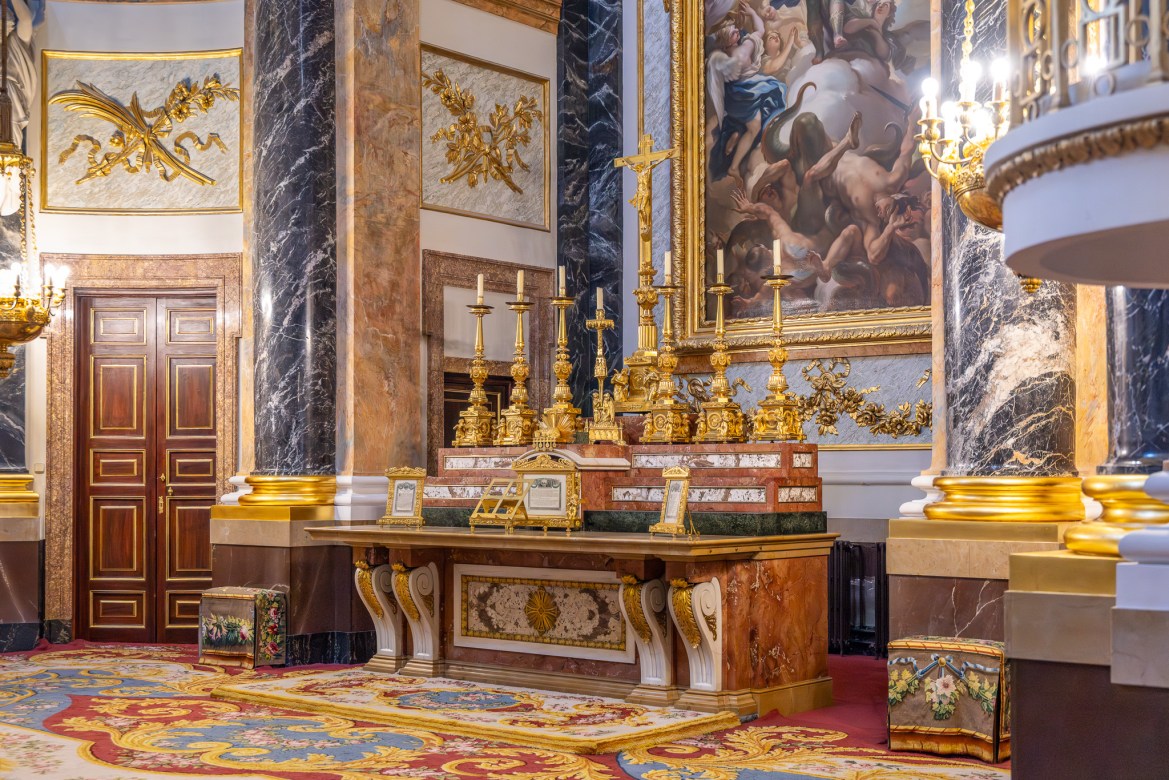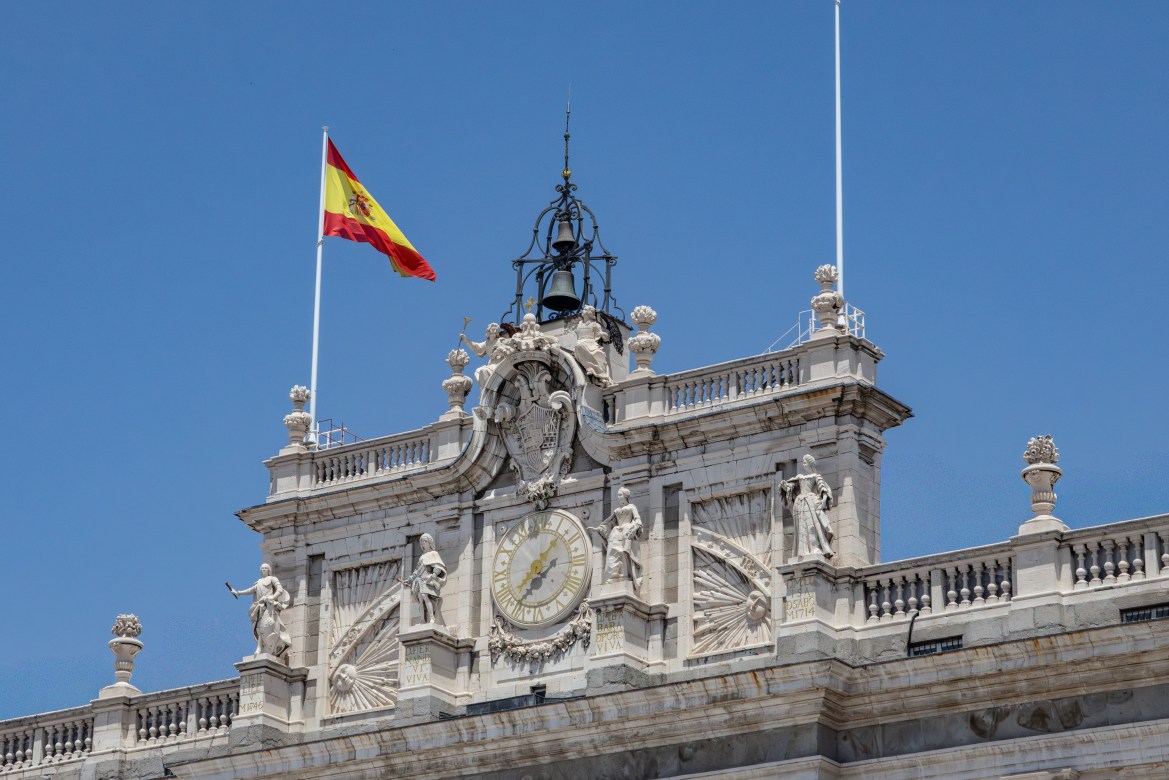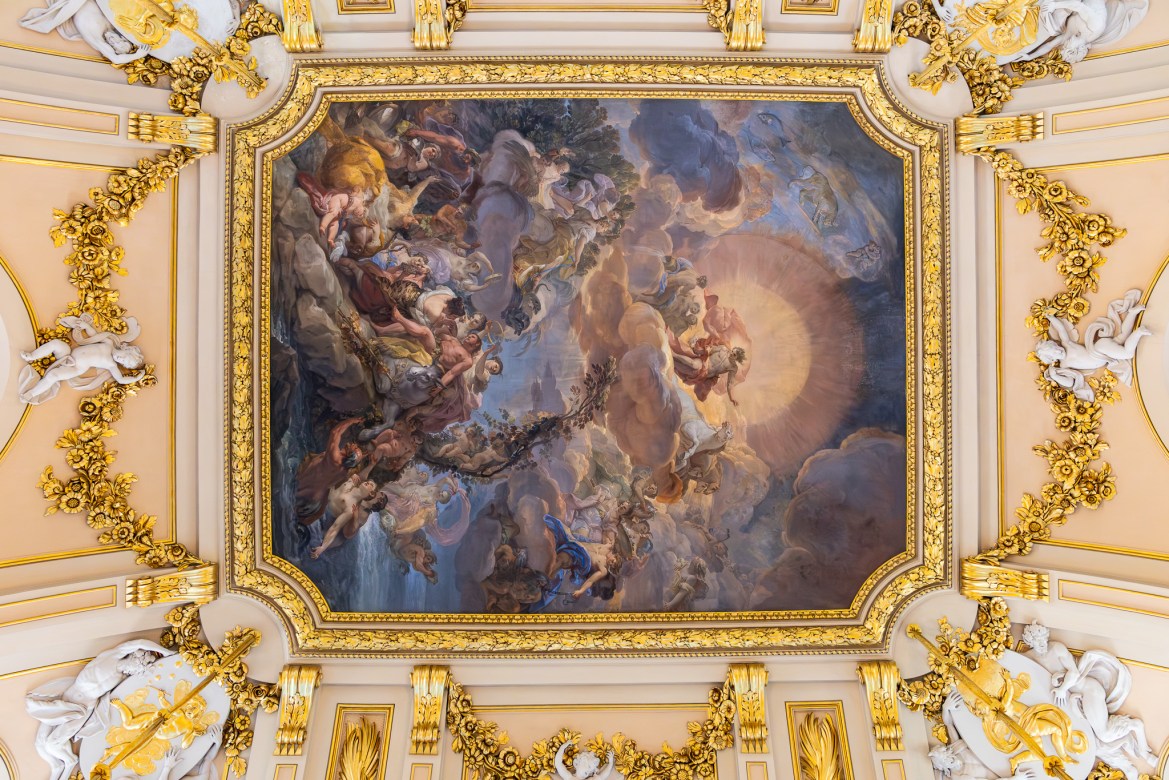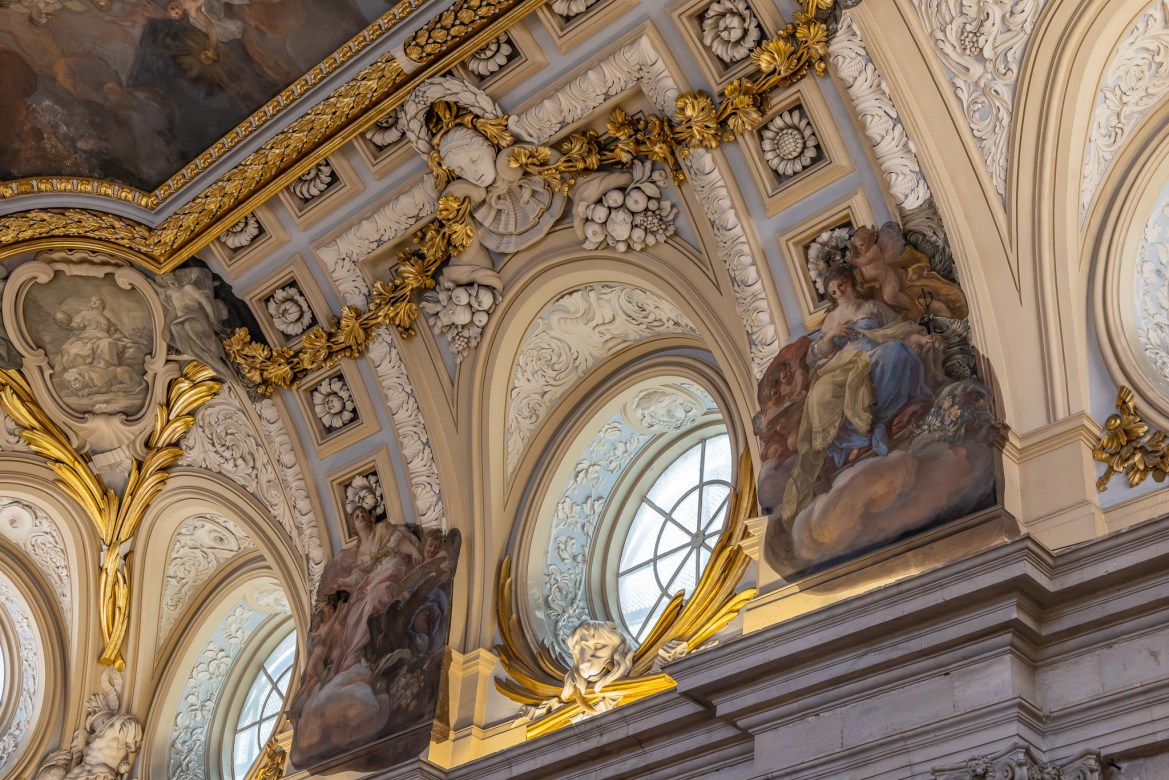
Velvet, Marble, Majesty: Photographing Madrid’s Palacio Real
Marble staircases whisper, chandeliers glitter like a thousand tiny suns, and every corridor inside Madrid’s Royal Palace feels staged for a grand entrance you haven’t made—yet. Step past the arcaded courtyard and the city’s hum softens; murals bloom across ceilings, tapestries hush the walls, and polished floors mirror a parade of kings, queens, and visiting dreamers with cameras in hand. Here, history isn’t behind glass—it’s draped in silk and gilt, punctuated by a Stradivarius quartet and a throne room dressed to impress. As a traveler, you’ll roam through rooms that changed Europe’s course; as a photographer, you’ll chase light that skims velvet and burnsish bronze.
Outside, the Plaza de la Armería frames formal symmetry; inside, the Salón del Trono and the Gasparini Room flex pure, operatic drama. Give this palace a morning and it rewards you with soft angles and fewer crowds; give it golden hour from the Sabatini Gardens and you’ll watch stone turn honey. This Deep Dive will show you how to feel the story and frame it—room by room, hallway by hushed hallway.
🏛️ Story & Significance: The Soul of the Royal Palace of Madrid
From its ashes rose a monument to monarchy. When the Alcázar of Madrid was destroyed by fire on Christmas Eve of 1734, the Bourbon king Philip V vowed to build a palace worthy of Spain’s renewed European prestige. What followed was a century-spanning project of ambition and artistry: a marble colossus meant to rival Versailles, crowned by frescoed ceilings and tapestries that still whisper of empire. Today, the Palacio Real stands not as a royal home but as a living gallery—an exquisite time capsule where visitors trace the evolution of Spanish taste, power, and ceremonial grandeur.
Notable People & Patrons
The dream began with King Philip V, the French-born grandson of Louis XIV, who imported Versailles’ flair for theater and pageantry to Spain. His successors left their marks like signatures in stone: Charles III, the “Enlightened King,” turned the palace into a symbol of rational order and civic virtue; Charles IV added refinement and classical balance; Alfonso XII and XIII ushered in modernity with electricity and royal photography sessions. Even Napoleon’s brother Joseph Bonaparte, briefly installed as ruler, redecorated key rooms before being driven out—an imperial interlude still visible in a few surviving chairs and tapestries.
Architecture in a Nutshell
The palace’s design fuses Italian Baroque muscle with French elegance and a Spanish eye for light. Architect Filippo Juvarra drafted the original plan, but it was Giovanni Battista Sachetti who turned the vision into marble and granite. Its quadrangular footprint frames the Plaza de la Armería, while twin façades face the Almudena Cathedral and the Campo del Moro Gardens. Inside, artisans from across Europe shaped stucco ceilings, carved Carrara marble staircases, and layered silk damasks in rooms like the Salón del Trono and Salón Gasparini. Each space follows a rhythm of symmetry and spectacle—architectural choreography meant to impress ambassadors before a single word was spoken.
Living Traditions Today
Though no monarch resides here, the Royal Palace remains the ceremonial heart of Spain. State dinners, ambassadorial receptions, and the annual Armed Forces Day parade begin beneath its chandeliers. The Changing of the Guard outside its gates transforms the courtyard into a living tableau of uniforms, brass, and horse hooves echoing through stone. Visitors wander through the same corridors that host royal investitures and national celebrations, yet the palace breathes modern life—its halls lit by LED precision instead of candlelight, its treasures guarded as both heritage and art. For travelers and photographers, it’s a place where time performs daily, dressed in brocade and perfectly framed for the lens.
🧠 Fascinating Facts & Hidden Meanings
Step into Madrid’s Royal Palace and you’re stepping into a masterclass of symbolism, numerology, and royal flair. Every detail was designed to communicate power, faith, and celestial order—from the frescoes painted to mirror heaven’s hierarchy to corridors aligned with solstice light. For travelers, these layers turn a grand residence into a riddle box of Spain’s dynastic pride; for photographers, they’re visual Easter eggs hiding in plain sight. Once you know where to look, the palace’s secrets start to shimmer between the gold leaf and marble grain.
Five Quick “Did-You-Knows”
The palace boasts 3,418 rooms, symbolically echoing the “days of rule” ideal—a numerical ode to unbroken monarchy.
Its main façade faces the rising sun, aligning dawn light with the royal chapel’s apse, a gesture of divine favor.
The Gasparini Room’s swirling Rococo patterns follow a Fibonacci-like spiral design, subtly guiding the eye toward the throne.
Beneath the Grand Staircase, hidden corridors once allowed discreet servant movement so that royalty appeared to glide alone through perfection.
The Palace Armory contains a complete set of armor made for a child prince—crafted in solid steel and weighing more than the wearer ever did.
A few links and ads here are affiliate portals. If you click through and snag something, you’ll be fueling my next photo-quest at no extra cost to you. Thanks for keeping the adventure rolling!
For photographers and history lovers alike, pairing the palace with a guided tour deepens the experience. The Madrid: Royal Palace Guided Tour with Skip the Line Ticket lets you glide past queues and straight into storytelling—guides unlock anecdotes behind every fresco and hidden door. If you crave more context beyond Madrid’s walls, consider the Three Cities in One Day: Segovia, Avila and Toledo from Madrid, a whirlwind that connects the royal legacy to Spain’s medieval crown jewels, all before dinner back in the capital.
📌 Plan Your Visit: Hours, Tickets & What to Expect
Visiting the Royal Palace of Madrid is like walking through a movie set that forgot to stop filming. From the Plaza de Oriente, the palace’s grand façade gleams in sunlight like an ivory sculpture against Madrid’s cobalt sky. Inside, every corridor hums with history: marble staircases, chandeliers that could light a cathedral, and rooms heavy with brocade and ceremony. To make the most of your visit, plan at least two hours—enough time to explore the Throne Room, Hall of Mirrors, and Royal Armory without feeling rushed. Morning entry is ideal for soft, angled light through tall windows, while late afternoon brings fewer tour groups and lovely glow on the courtyard façades.
🎫 Ticketing Tips
Buy tickets online in advance to avoid the hour-long queue. The palace caps entries during special state ceremonies, so check the official calendar if visiting in late spring or early December. Photography is permitted in most rooms—but not with flash or tripods, so plan your settings ahead of time.
🎉 Festival/Peak-Day Watch
Expect heavier crowds around National Day (October 12) and Royal Armed Forces Day (first week of June) when ceremonial events unfold nearby. December weekends also bring Christmas markets that crowd the plaza, making early-morning entry your golden ticket to serenity.
| 🏛 Feature | 📋 Details |
|---|---|
| Location | Plaza de la Armería, Madrid, Spain – next to Almudena Cathedral |
| Entry Hours | Mon–Sat: 10 AM–6 PM (Winter) / 10 AM–7 PM (Summer); Sun & Holidays: 10 AM–4 PM |
| Entry Fee | €14 (Adults), €7 (Students/Seniors 65+), Free for EU citizens Mon–Thu 4–6 PM (seasonal) |
| Photography | Allowed without flash; tripods not permitted |
| Nearest Metro | Ópera (Line 2 or 5) |
| Best Visit Window | April–May and September–October for mild light and smaller crowds |
🚶 Getting There, Entry & Accessibility
Arrive like a royal—without the entourage. The easiest approach is the Ópera Metro stop (Lines 2 & 5); from there it’s a gentle 6–8 minute walk through the Plaza de Oriente with postcard views as you angle toward the Plaza de la Armería gates. If you’re coming by car, expect a short stroll up from underground parking as the palace forecourt is pedestrianized. Security and bag checks happen just after the ticket control—keep metal items handy and pack light, because large backpacks may be tagged or refused. Inside, pace yourself: marble floors are gorgeous but unforgiving, and the route through the State Rooms is longer than it looks, so plan micro-breaks near windows and stair landings. If mobility is a concern, build in time cushions between highlights and use elevators where available rather than the Grand Staircase.
Parking & Drop-offs
Closest garages sit beneath Plaza de Oriente and along Calle de Bailén, typically open 24/7 with hourly rates that jump around event evenings; validation isn’t common. Ride-hail drop-offs work best on Calle de Bailén near the cathedral side, where drivers can pull over quickly without blocking the plaza. Tour coaches stage on perimeter streets and release groups at the plaza edge—expect a 3–5 minute walk to the gate.
Accessibility Notes
Entrances include step-free options, and interior elevators connect primary exhibition floors; staff will direct you to accessible routes if the Grand Staircase isn’t practical. Surfaces alternate between polished marble, stone, and carpet runners—beautiful, sometimes slick; supportive footwear is your friend. There are accessible restrooms on the visitor route and a few quieter seating nooks near windows between major salons. No shoe-removal requirements; modest attire is fine—just avoid backpacks worn on the back in tighter rooms (front-carry or hand-carry).
Wayfinding Inside
Think U-shaped loop: ticket control → courtyard orientation → Grand Staircase → processional sequence of State Rooms → Royal Armory/Galleries → exit through shop/courtyard. Some corridors run one-way during busy hours to keep traffic flowing; follow the floor arrows and docents’ cues. Good regroup points: the center of Plaza de la Armería (outside), the base of the Grand Staircase, or the museum shop near the exit—each has space, signage, and easy sightlines.
🧭 How to Explore: Smart Routes for Any Timeline
Start in the Plaza de la Armería, where the palace massing and cathedral backdrop give you scale and symmetry before you step inside. Climb the Grand Staircase and drift through the marquee State Rooms—the Salón del Trono for pomp, Salón Gasparini for Rococo swirls, and the Porcelain Room for a jaw-drop pause—moving in a gentle loop that builds drama room by room. After the interiors, slip back out to the Sabatini Gardens for reflective pools and trimmed hedges that frame the façades like living picture rails. If time allows, descend toward Campo del Moro for long-lens compression shots through mature trees and sweeping lawns. Finish at golden hour on the Plaza de Oriente terrace or the Sabatini balustrade, where the limestone warms to honey and blue hour turns windows into a grid of lanterns.
60-Minute “Essentials”
Follow a tight loop: courtyard orientation → ticket control → Grand Staircase → Throne Room → Gasparini Room → Hall of Mirrors (if open) → quick peek at the Royal Chapel → exit via Plaza de la Armería for a façade portrait. Pause no more than 5–7 minutes per headline room and save your longest stop for the Throne Room’s ceiling and mirrors. Cap it with a fast detour to the Sabatini Gardens upper terrace for a straight-on elevation shot before you go.
90–120 Minutes “Deeper Look”
Do the Essentials, then add the Royal Armory (silhouettes of helms and barded horses make graphic frames) and spend extra minutes in the Porcelain Room and Banqueting Hall for detail studies. Step outside to the Sabatini Gardens proper—walk the central axis, then shoot diagonals from the corners for layered hedges and water reflections. If crowds are heavy, reverse the interior flow: Armory first, then State Rooms as tours thin out.
Leisure (3+ Hours)
Unhurried is best: savor each State Room, zoom in on textiles and stucco, and catch a full Changing of the Guard cycle if scheduled. Add a stroll through Campo del Moro for long perspectives and wildlife moments, then circle back for coffee along Plaza de Oriente with façade views. As light softens, return to the Sabatini terrace and stay through sunset into blue hour—tripod-free but steady stance—so windows glow against a cobalt sky and the palace reads like a luminous stage.
🖼️ Spaces & Highlights You’ll Love
The Royal Palace of Madrid reads like a sequence of short stories—each room staging a different chapter of power, art, and ceremony. Start with that breath-catching pause at the Grand Staircase, where marble and light conspire to slow your pace and lift your gaze. Move into the ceremonial core where gilded eagles, velvet canopies, and mirrors choreograph pageantry in the Throne Room. Then slip into the jewel-box intensity of specialty salons, where craft becomes theater and details reward a closer look. Linger; this is a palace designed for lingering—ten more seconds in each space usually reveals a flourish you missed the first time.
The Grand Staircase
A soaring intro in marble and shadow, the Grand Staircase sets the tone: formal, luminous, and perfectly symmetrical. The balustrades draw your eye upward to sculpted forms and frescoed ceilings that make the space feel both massive and intimate. It matters because every procession began (and begins) here—the choreography of monarchy distilled into architecture. For travelers, it’s the best place to reset your rhythm; for photographers, step to the corners for diagonal lines and let passing visitors scale the scene.
Salón del Trono (Throne Room)
The palace’s ceremonial heart, the Throne Room is all velvet gravitas and gilded confidence. Red damasks, heraldic lions, and a canopy fit for power create a room that announces Spain’s authority without raising its voice. Look for the ceiling fresco’s celestial hierarchy and how mirrors bounce light to burnish gold into warm honey. Don’t rush—stand center, then edge left and right to see how the space re-composes itself with every few steps.
The Dining Room (Banqueting Hall)
The palace’s Dining Room is where ceremony sits down to supper—an opulent runway of linen, crystal, and silver stretching beneath a constellation of chandeliers. It matters because this is diplomacy in table form: seating plans as power maps, centerpieces as soft-spoken policy, and portraits presiding like silent toasts. Look for the impossibly long table’s vanishing point, the gleam of silver service, and how mirrored surfaces double the glow into a warm, honeyed haze. Don’t rush—walk the length once for scale, then step to a side aisle to frame chandeliers and place settings in rhythmic repeats that feel almost orchestral.
🍽️ Nearby Pairings & Pleasant Pauses
Make your palace day easy on the feet: step across to Plaza de Oriente for terrace cafés (hello, Café de Oriente) with postcard façades and people-watching that pairs nicely with a late-morning espresso. Drift north to the Sabatini Gardens for clipped hedges, reflective pools, and a calm mid-day reset; the balustrade is lovely at late afternoon when façades soften to pearl. For a sweet interlude, the churros at San Ginés (5–7 minutes on foot) turn any photo walk into a victory lap, while the iron-and-glass Mercado de San Miguel lets you graze indoors without committing to a full meal. If you’ve got a spare 15 minutes, ride or stroll to Templo de Debod for sunset—one of Madrid’s easiest blue-hour perches with the palace glowing across the treetops. On hot or windy days, pivot to the Royal Collections Gallery beside the palace for air-conditioned masterpieces and polished floors that your soles will thank you for.
Family-Friendly Stops
The Sabatini Gardens offer broad paths, benches, and easy stroller maneuvering; linger by the central pool for duck-level portraits. Plaza de Oriente has ample seating and open space to regroup, snack, or play “spot the statue” with the row of historic monarchs. For a treat, Chocolatería San Ginés serves quick, kid-approved calories; just mind the narrow lane and occasional café rush.
Rain/Heat Refuge
When the weather turns, slip into the Royal Collections Gallery or the Almudena Cathedral Museum—both cool, well-signed, and rich with exhibits that reward a slower pace. The covered arcades of Plaza Mayor offer shade and breezes, with cafés tucked under vaults for a leisurely pause. If you need a quiet sit-down, the foyer cafés at Teatro Real (across Plaza de Oriente) provide plush chairs, restrooms, and a civilized reset before you step back into the light.
Plan Smarter: Madrid City Guide
Make a perfect palace day part of a bigger Madrid story—Prado, Plaza Mayor, tapas lanes, rooftops, and blue-hour viewpoints. Our Madrid Guide stitches routes, neighborhoods, and photo spots into an easy, walkable plan.
View Our Madrid Travel Guide
🎥 Reels on the Road
Short-form magic lives here—where gold chandeliers shimmer like constellations and marble corridors echo with every click of a heel. Think sequences, not single clips: start wide on the Plaza de la Armería, cut to the ticket archway, then glide up the Grand Staircase as sunlight pools on marble. Keep transitions simple (slow pans, whip focus, or match cuts on gilding), and let natural sound lead—heels on stone, quiet guide whispers, and flags rustling outside. When the crowd builds, tighten your framing: mirrored reflections, hands brushing velvet ropes, or that perfect backlit fresco detail. Always roll a few extra seconds after your hero shot—Madrid’s light lingers longer than you think, especially near golden hour when the façade glows honey and the air hums with evening brass.
🎬 Plaza de la Armería Courtyard — Slow orbit pan revealing palace symmetry; capture guards mid-step, then tilt up to the flag flaring in wind. Best early morning before group arrivals.
🎬 Grand Staircase — Ascend with a steady tilt and soft footsteps; pause halfway for the mirror-light interplay on marble. Best mid-morning when sun diffuses through windows.
🎬 Throne Room (Salón del Trono) — Begin with a focus pull from velvet texture to the throne canopy; finish on chandeliers catching the ceiling fresco. Best late morning under warm directional light.
🎬 Sabatini Gardens Terrace — Wide-angle sweep from balustrade to reflection pool, letting the palace façade glow behind. Best at golden hour as stone tones turn amber.
🎬 Templo de Debod Viewpoint — Tripod timelapse of sunset fading into blue hour, palace glowing in the distance. Best 20–30 minutes past sundown.
Watch the final minute of sunset from the Royal Palace terrace as the sun slips behind Madrid’s western hills over Casa de Campo. The crowd gathers, the sky turns peach and violet, and then—like clockwork—applause breaks out for the day’s encore. Madrid loves a good show, especially when the light is the headliner.
A sunlit street violinist plays beneath the gates of the Royal Palace of Madrid while people drift across Plaza de la Armería. It’s the city in one frame: royal stone, everyday life, and music riding the warm air. Shot handheld in natural light. Midday shadows split the foreground while the palace façade and gilded gates hold the background.
🧳 What to Pack for Picture-Perfect Memories
Inside the Royal Palace of Madrid, photography balances between reverence and opportunity—light slips through tall windows in pale ribbons, gilded mirrors double every glow, and polished marble reflects your every move. A fast, versatile setup is key: you’ll want wide angles for sweeping staircases, mid-zooms for throne-room symmetry, and quiet precision for museum lighting. Outside, where the façades bask in sun and the Sabatini Gardens mirror the palace in water, a polarizer and longer reach open creative options without crowd intrusion. Travel light but smart; every ounce you leave behind will feel like freedom as you circle between terraces and courtyards.
👉 The Nomad’s Kit: Gear That Earns Its Miles
Canon RF 15–35mm f/2.8L — Ultra-wide for the grand staircase, sweeping halls, and reflective marble corridors where stepping back means “hola, velvet rope.”
Canon RF 24–105mm f/2.8L — Your palace-to-plaza workhorse: portraits framed by arches, mid-tele carvings and frescoes, quick tapas shots along Calle de Bailén post-tour.
Canon RF 100–500mm f/4.5–7.1L IS USM — From the palace terraces or Sabatini Gardens, compress domes and skyline; isolate statues, domed rooftops, and fountain details without disrupting visitors.
Lowepro ProTactic BP 350 AW III — Compact, museum-friendly, and security-compliant; keeps filters and essentials organized through bag checks.
Peak Design Travel Tripod — Full tripods aren’t allowed indoors; use in Plaza de Oriente or gardens for blue-hour reflections and long exposures.
JOBY GorillaPod 3K Kit — Clamp to fences or balustrades for silky fountain trails or glowing facades—tiny footprint, royal stability.
Cut Glare. Shape Time. Make Every Frame Sing.
Madrid’s light is high, bright, and reflective—marble, gold, and tile amplify every beam. A circular polarizer tames glare on the palace’s white stone and gilded mirrors, pulling warmth into the details. A variable ND lets you slow the scene—soften the fountain in Plaza de Oriente, turn foot traffic into a painterly blur, and catch the sun dipping behind Almudena’s dome while the palace stays luminous.
🌇 Control Reflections & Punch Up Color
Circular Polarizer Filter — Reduce shine on marble and glass, reveal sculpted textures, and deepen sky tone over the palace towers. Pro tip: rotate gently—too much polarization can make the marble appear gray instead of glowing white.
⏱️ Drag the Shutter Across the Plaza
Neutral Density Variable Filter — Drop 3–6 stops to blur crowds in the courtyard, smooth fountains at Sabatini Gardens, and capture soft sunset motion behind the skyline. Pro tip: start around 1/4–1 s for subtle motion; go 2–10 s for silky water and dreamy clouds.
Pack both for any royal rendezvous: the polarizer reveals Madrid’s marble grace; the ND sculpts its golden-hour drama. Together, they’re your passport to palace perfection.
Photo Policy Reminders — No flash or tripods/stands inside the Royal Palace; handheld only. Drones are prohibited in the palace district. Respect cordoned rooms and guards, dress modestly, and move quietly through galleries. Photography may be limited during official events—always follow staff instructions. For peaceful, regal frames, visit early morning or near closing—when light filters through the arches and Madrid feels centuries deep.
💰 On-Site Costs Snapshot
Most travelers spend for entry, a guided experience, and a small treat or souvenir—think €14–€18 for admission, €25–€40 for a tour, and €4–€8 for a drink or booklet. If you’ll only splurge once, upgrade to a skip-the-line guided tour to trade queue time for storytelling (and better pacing for photos). Pairing the palace with the Royal Collections Gallery is a smart value if you enjoy art and cool, quiet galleries. Everything else—audio guides, booklets, and café breaks—are pleasant add-ons, not essentials.
| 🧾 What | 💵 Typical Cost | 📌 Notes & Value |
|---|---|---|
| General Entry | €14–€18 (≈ $15–$20) | Core access to the State Rooms; free windows for EU residents on select late afternoons are seasonal and limited. |
| Skip-the-Line Guided Tour | €28–€40 (≈ $30–$43) | Best upgrade for time-saving + context; pacing helps with interior light and crowd flow. |
| Audio Guide | €5–€7 (≈ $6–$8) | Good if touring solo; keep one ear free for staff instructions in tighter rooms. |
| Royal Collections Gallery Combo | +€8–€12 (≈ $9–$13) | Air-conditioned galleries next door; excellent on hot or rainy days and for detail studies. |
| Souvenir Booklet / Postcards | €4–€12 (≈ $5–$13) | Nice reference for artists’ names and room layouts; lighter than a full guidebook. |
| Café Drink or Snack Nearby | €4–€8 (≈ $5–$9) | Café de Oriente views are the splurge; tap water is free—carry a small bottle inside. |
| Locker / Cloakroom (if used) | Often free / small deposit | Backpacks may be tagged; tripods/selfie sticks must stay stored. |
| Templo de Debod Viewpoint | Free | Great sunset pairing for palace exteriors; budget for transport only. |
🤝 Etiquette & Respectful Visiting
The Royal Palace of Madrid may now be a museum, but it still hosts official state ceremonies—so think “guest of the crown,” not casual tourist. Dress with modest polish: shoulders covered, hats off inside, and no clacking heels echoing through marble halls. Keep voices low; the acoustics amplify whispers as if you’re giving a TED Talk in velvet. When guards or docents pause a line for a visiting dignitary or mass in the adjacent Royal Chapel, step aside without protest—these are living traditions, not interruptions. Avoid touching walls, tapestries, or velvet ropes, as oils from skin can damage the gilding. And above all, move with calm respect—let others enjoy their quiet awe, give room for photos, and remember that your good manners become part of the palace’s serene soundtrack.
🕰️ Historical Timeline at a Glance
These milestones change how you look at the Palacio Real: you’ll spot the shift from Habsburg fortress to Bourbon showpiece, the blend of Baroque muscle and Neoclassical restraint, and later updates that modernized ceremony without erasing grandeur. As rooms evolved—from chapel and throne spaces to banqueting halls and galleries—the materials (marble, silk damask, porcelain) and motifs (heraldic lions, classical gods) tell you exactly which century you’re standing in.
| 🗓 Year | 🏛 Milestone | 🔍 What to Notice On-Site |
|---|---|---|
| 1734 | Fire destroys the old Alcázar | From fortress to palace: later spaces emphasize ceremony over defense—wide staircases, formal courtyards. |
| 1738–1755 | New palace commissioned by Philip V; plan by Juvarra, executed by Sachetti | Baroque massing with emerging Neoclassical order; heavy marble, axial vistas, processional flow. |
| 1760s–1780s | Charles III refines interiors and ceremonial route | Silk damasks, porcelain, and enlightened symmetry; the Throne Room and state salons gain polish and hierarchy. |
| 1808–1813 | Joseph Bonaparte interlude | French taste sneaks in: select furnishings and layout tweaks; look for subtle empire motifs. |
| Late 1800s | Modernizations under Alfonso XII/XIII | Electric lighting and services discreetly integrated; chandeliers wired, comfort improved without losing spectacle. |
| 1931–1975 | From royal residence to state-ceremonial monument | Rooms curated for public narrative; focus on heritage display and national ceremony rather than living quarters. |
| 1990s–2000s | Major conservation and gallery upgrades | Fresh textiles, stabilized frescoes, improved visitor routing—colors read truer, details pop in even lighting. |
| 2023→ | Opening of adjacent Royal Collections Gallery | Context next door: arms, tapestries, and sculpture deepen what you notice in the palace’s state rooms. |

📓 Through My Lens: Field Notes from the Road
We flew directly into Madrid from North Carolina full of anticipation, knowing this trip would be unforgettable. Staying at The Westin Palace Hotel put us right in the historic core, within strolling distance of cafés, plazas, and of course, the Royal Palace of Madrid itself. The visit felt like walking into a living painting—grand corridors glowing under crystal light, frescoes unfolding above like chapters in a story. The palace was busy but never suffocating; there was room to breathe, to linger on details most people hurry past. After finishing the tour, we realized our tickets allowed re-entry—so we looped back just before closing, wandering through near-empty halls as sunlight stretched long and gold across marble floors. By the time we stepped onto the terrace, the sky blazed in royal hues—purples, pinks, and amber—an ending so cinematic it almost felt staged for us alone.
☀️ When to Go & Weather Sweet-Spots
Golden Hours over Gilded Halls — Madrid’s palace shines when light is soft, breezes are kind, and crowds move like a courteous waltz.
Madrid rewards timing. Spring and fall bring the kind of gentle light that flatters marble, with breezes through the courtyards and fewer tour groups bunching at doorways. Summer is sizzling—great for blue-hour exteriors from the terraces, but plan interiors late morning when the palace is coolest and lines ebb. Winter is calm and budget-friendly; cool air keeps interiors comfortable and the State Rooms feel almost private near closing. Rain is usually brief and seasonal—spring and autumn showers make gardens gleam and reflections pop, especially at Sabatini.
| 🌞 Season | 🧘♂️ Vibe Check | 🌦 Rain Factor | 🏛 Tourist Traffic |
|---|---|---|---|
| 🌴 Winter (December–February) | Cool, serene, and budget-friendly; crisp air and quiet rooms near closing. | Low–moderate; quick showers, brightest light on clear days. | Low–moderate (holiday spikes on some weekends). |
| 🌸 Spring (March–May) | Balanced temps, soft light, gardens in fine form—ideal for detail work. | Moderate; passing showers that make stone glow and hedges pop. | Moderate–high (May busiest); arrive early for shorter lines. |
| ☀️ Summer (June–August) | Hot afternoons; plan interiors late morning and exteriors at golden hour. | Low overall; occasional dry thunder heat waves. | High in June/July; August can thin a bit as locals holiday, but sights stay busy. |
| 🍂 Fall (September–November) | Mellow warmth, honeyed light, and comfortable strolls between salons and gardens. | Moderate; short showers, great for reflective paving shots. | High in September–early October; eases by mid-November. |
🎯 Peak Tourist Season Months: May–June, September–early October
🏖️ Off-Season Sweet Spot Months: January–February, mid-November to mid-December (weekdays)
💡 Insider Pro Tip: For silky crowd flow and the best ceiling fresco light, book the first entry slot, then re-enter 60–90 minutes before closing to wander calmer rooms and catch golden hour from the Sabatini balustrade.
🛡️ Practical & Safety Notes
The Royal Palace of Madrid is one of Europe’s safest major attractions, but a little common sense keeps the day smooth. Watch for pickpockets around ticket lines and the Plaza de Oriente, where crowds cluster for entry and photos. Inside, floors are marble-polished and occasionally slick—especially after rain or cleaning—so step carefully on inclines and near stair edges. As closing time approaches, attendants begin gently herding visitors toward the exits; use that flow to regroup at clear points like the Grand Staircase base or courtyard fountain. Keep your bag zipped and camera strap cross-body, and when shooting outdoors, stay aware of low stone posts and railings—they appear faster than your lens hood does.
🎞️ More Frames From the Road: Scenes Worth Stopping For
🗣️ Cheat Sheet for Friendly Encounters while in CITY
Language & Culture in Madrid
Even in cosmopolitan Madrid, a few Spanish phrases go a long way—and nowhere more than around the Royal Palace, where courtesy pairs beautifully with culture. Locals appreciate a polite “buenos días” before questions, and staff inside the palace often mix Spanish with English, especially with patient visitors who try first in Spanish. Madrid’s rhythm is elegant but unhurried; expect warm greetings, longer lunches, and a natural pride in preserving heritage. Photography etiquette, like language, benefits from softness—ask before snapping portraits of guards or staff, and a simple “¿Está bien?” earns you far more smiles than side-eye.
💡 Reason to Learn a Few Words: It’s not just polite—it’s practical. Knowing how to say “thank you,” “excuse me,” or “where’s the exit?” can mean the difference between confident exploring and the universal tourist mime routine. Plus, the accent here sings—half-music, half-manners.
| 🇺🇸 English | 🇪🇸 Spanish | 📖 Phonetic Spelling |
|---|---|---|
| Hello / Good morning | Hola / Buenos días | OH-lah / BWEH-nos DEE-ahs |
| Good afternoon / evening | Buenas tardes / Buenas noches | BWEH-nas TAR-des / BWEH-nas NOH-ches |
| Please | Por favor | POR fah-VOHR |
| Thank you | Gracias | GRAH-syahs |
| Excuse me / Sorry | Perdón / Lo siento | Pehr-DOHN / LOH SYEN-toh |
| How much does it cost? | ¿Cuánto cuesta? | KWAN-toh KWEHS-tah |
| Where is the bathroom? | ¿Dónde está el baño? | DOHN-day es-TAH el BAH-nyoh |
| Where is the palace? | ¿Dónde está el palacio? | DOHN-day es-TAH el pah-LAH-syo |
| Beautiful | Hermoso / Bonito | Er-MOH-so / Boh-NEE-toh |
| I would like a ticket | Quisiera una entrada | Kee-SYEH-rah OO-nah en-TRAH-dah |
| Where is the exit? | ¿Dónde está la salida? | DOHN-day es-TAH lah sah-LEE-dah |
| Can I take a photo? | ¿Puedo sacar una foto? | PWEH-doh sah-KAR OO-nah FOH-toh |
| Goodbye | Adiós | Ah-DYOHs |
| Cheers! | ¡Salud! | Sah-LOOD |

Behind the Lens
I’m Steve—a retired Army vet who traded ruck sacks for camera bags and now chases light across every latitude I can reach. From 110 point & shoot film camera beginnings to a Canon R5 Mark II and Mavic Pro II drone, I’ve logged shots in 36 countries and all 50 states, squeezing solo photo runs between corporate flights and longer adventures with my wife. Shutter Nomadica is where I share the hits, misses, and field notes so fellow roamers can skip the guesswork and grab the shot!