Ketchikan, Alaska: A Rainforest Port Where Totems, Tides, and Bald Eagles Steal the Shot

Ketchikan in Focus: Misty Fjords, Totem Parks, and Harbor Vibes

Tucked along the emerald shores of Alaska’s Inside Passage, Ketchikan is the first handshake with the Last Frontier — and for many travelers, the most unforgettable cruise stop on the map. Known as the “Salmon Capital of the World,” this vibrant port town is wrapped in mist, history, and color, where stilted houses cling to forested hillsides and bald eagles perch above wooden boardwalks. It’s a place where you can watch floatplanes skim the harbor one moment and spot salmon leaping upstream the next — Alaska’s wild beauty condensed into one perfect postcard.

For photographers and wanderers, Ketchikan is pure eye candy: the storybook colors of Creek Street, the intricate artistry of Totem Heritage Center, and the mirror-still reflections of Misty Fjords National Monument, where cliffs rise like cathedral walls from glassy water. Step off your cruise ship and into adventure — floatplane tours, fishing excursions, or simply strolling the docks as locals swap stories with the tide. Every drizzle, every ray of light feels part of the show.

The ideal time to experience Ketchikan’s lush magic is May–September, when cruise season is in full swing and wildlife fills every frame. Arrivals typically anchor right downtown, within walking distance of the city’s colorful core, while flights into Ketchikan International Airport (KTN) land just across the channel — a five-minute ferry ride away. Whether you’re here for a few port-of-call hours or a few slow, soul-soothing days, Ketchikan reminds you why Alaska steals hearts — it greets you with rain, color, and a little wild in every drop.

Intricately carved walrus tusk artwork in Ketchikan Alaska gallery display
Inside a local gallery, an intricately carved tusk spirals with tiny figures and stories, perched on a polished wood base. It’s a reminder that Alaska’s artistry runs as deep as its fjords. The craftsmanship invites a slow, reverent look.
Giant carved bald eagle statue near tunnel and hillside homes in Ketchikan Alaska
Wings stretched wide, this eagle looks ready to snatch the clouds, guarding the tunnel like a mythic bouncer. Flags snap in the breeze and the hillside homes lean in for a better look. It’s kitsch meets pride, and somehow it works perfectly here.
Tlingit totem pole with visitor standing beside it in Ketchikan Alaska park
I photographed Laura beside a towering Tlingit totem, its carved stories stacking skyward. In Ketchikan, art isn’t limited to galleries—the streets and parks are storytellers too. We lingered here, reading faces, animals, and legends in cedar grain.
Giant twisted cedar along Tongass Rainforest trail with stairs beside trunk in Ketchikan Alaska
This wind-twisted cedar towers like a cathedral column, its grain swirling as if the tree once danced with storms. Wooden steps climb beside it, inviting you into the green hush. You can smell the cedar and rain in the air.

🎯 Don’t Miss Shortlist in Ketchikan

Ketchikan is a rainforest port with a color palette that laughs at the forecast—totems, tidal boardwalks, and floatplanes framed by spruce-dark hills. You’ll hear gulls heckling the harbor while eagles glare down from light poles like grumpy landlords. The light shifts minute-to-minute here, turning drizzle into atmosphere and sunbreaks into spotlight. These are the places where travelers fall in love with Alaska’s First City—and photographers run out of memory cards.

  1. Creek Street & Married Man’s Trail — the stilted boardwalk that drips with character
    Wood-plank boardwalks perch on pilings above Ketchikan Creek, a perfect stage for salmon runs, reflections, and candy-colored storefronts. Walk the curve of Creek Street for leading lines, then climb Married Man’s Trail to a canopy overlook and softer, fern-framed compositions. When salmon surge, the creek becomes a silver ribbon—bring a faster shutter for surface chaos. If you’re cruising, it’s an easy walk-from-pier warm-up with big visual payoff.
      🕒 Open: Daily, 24/7 boardwalk access (shops typically late morning–early evening in summer)
      💵 Cost: Free to walk; shops/galleries vary
      💡 Insider Tip: Arrive early before ships fully unload; shoot after rain for saturated clapboard color and mirror-calm puddles.

  2. Saxman Totem Park — carved stories under spruce
    Just south of town, towering Tlingit poles rise from mossy lawn with mountains brooding behind—an outdoor studio for texture, culture, and scale. Look for cross-light on carved form lines and focus on the eye ovoids for dramatic detail frames. If time allows, peek inside the carving shed to photograph tools, shavings, and works in progress. Cruise-day travelers can pair Saxman with a quick harbor loop and still make all-aboard comfortably.
      🕒 Open: Daily; daylight hours year-round (visitor facilities keep summer hours)
      💵 Cost: ~$5–$10 admission or tour package (check current rates)
      💡 Insider Tip: A light drizzle deepens reds/greens on the poles—use a lens hood and keep shooting.

  3. Totem Bight State Historical Park — shoreline totems with a sea breeze
    Poles and a clan house stand a few feet from the water—perfect for framing totems against Tongass Narrows or layering cedar textures with driftwood foregrounds. The forested path makes a lovely circular photo walk; watch for ravens posing like pros. It’s a calmer alternative to the city center on heavy cruise days.
      🕒 Open: Daily, dawn to dusk
      💵 Cost: Often free/parking donation; guided tours vary
      💡 Insider Tip: Low tide exposes rockweed for golden foregrounds—great for wide-angle storytelling shots.

  4. Misty Fjords National Monument — glaciers’ handiwork from air or water
    Think sheer granite walls, dark mirror lakes, and cloud veils—the Inside Passage at its most cinematic. From a seaplane, you get patterns, textures, and scale that beg for longer focal lengths; by boat, you’ll score waterfall close-ups, harbor seals, and cliff-face compositions. Either way, the soft light that Alaska is famous for does the heavy lifting. Cruise-timed flights and half-day boats make this doable even on a port call.
      🕒 Open: Tours daily in summer (weather-dependent)
      💵 Cost: Seaplane ~$300–$450; boat ~$150–$230
      💡 Insider Tip: Wear dark clothing to cut window glare on flights; press the lens hood to the glass.

  5. Thomas Basin Harbor & Front Street — working boats and color-blocked facades
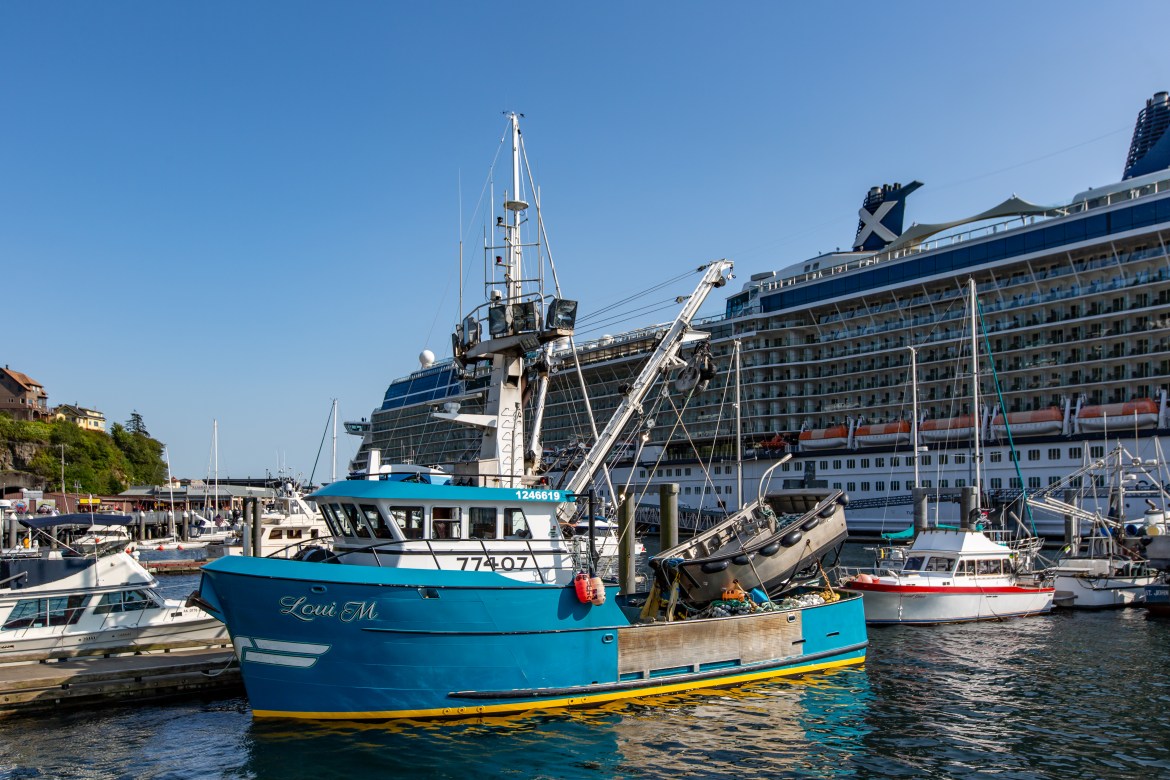
    Nets, rigging, and a skyline of masts set against red and teal storefronts—this is Ketchikan’s handshake between fishing town and visitor hub. Walk the piers for repeating patterns and reflections, then step up to Front Street corners for wide angles with mountain backdrops. Blue-hour here is pure magic; neon signage flickers on slick streets for cinematic frames.
      🕒 Open: 24/7 public access to sidewalks/boardwalks
      💵 Cost: Free
      💡 Insider Tip: If multiple ships are in port, shoot harbor details first thing, then return for street color after the crowds move to tours.

  6. Totem Heritage Center — museum-quiet, story-loud
    Inside, rescued 19th-century poles and artifacts sit in gentle, even light—perfect for detail studies and cultural context. The exhibits unlock symbolism you’ll see later in the parks, sharpening your eye for formline design. It’s compact, close to downtown, and ideal for a rain burst.
      🕒 Open: Daily in summer; limited off-season hours
      💵 Cost: ~$6–$10
      💡 Insider Tip: Mind reflections on glass cases; a slight angle and polarizer help.

  7. Cape Fox Lodge Overlook (via funicular or trail) — the quick view fix
    Zip up on the little hillside funicular (or hoof it via Married Man’s Trail) for a tidy panorama of harbor, hills, and colorful roofs. The balcony rail makes a solid brace for low-ISO shots on gray days. When the clouds part, you’ll catch shafts of light raking across town—wait five minutes, and the whole mood changes.
      🕒 Open: Funicular typically daytime in summer; lodge public spaces vary
      💵 Cost: ~$4–$6 funicular (check current)
      💡 Insider Tip: Bring a mid-range zoom (24–105mm) to compose everything from tight harbor slices to wider townscapes.

  8. Clover Pass & Coastal Rainforest Walks — sea kayaks, rockweed, and quiet coves
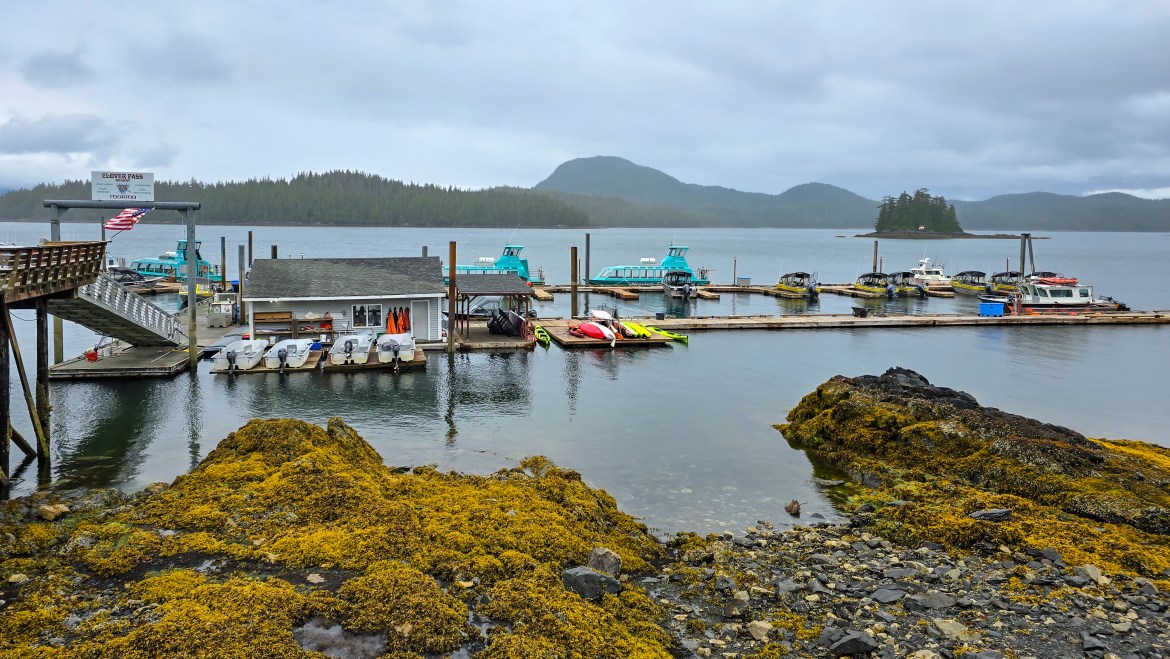
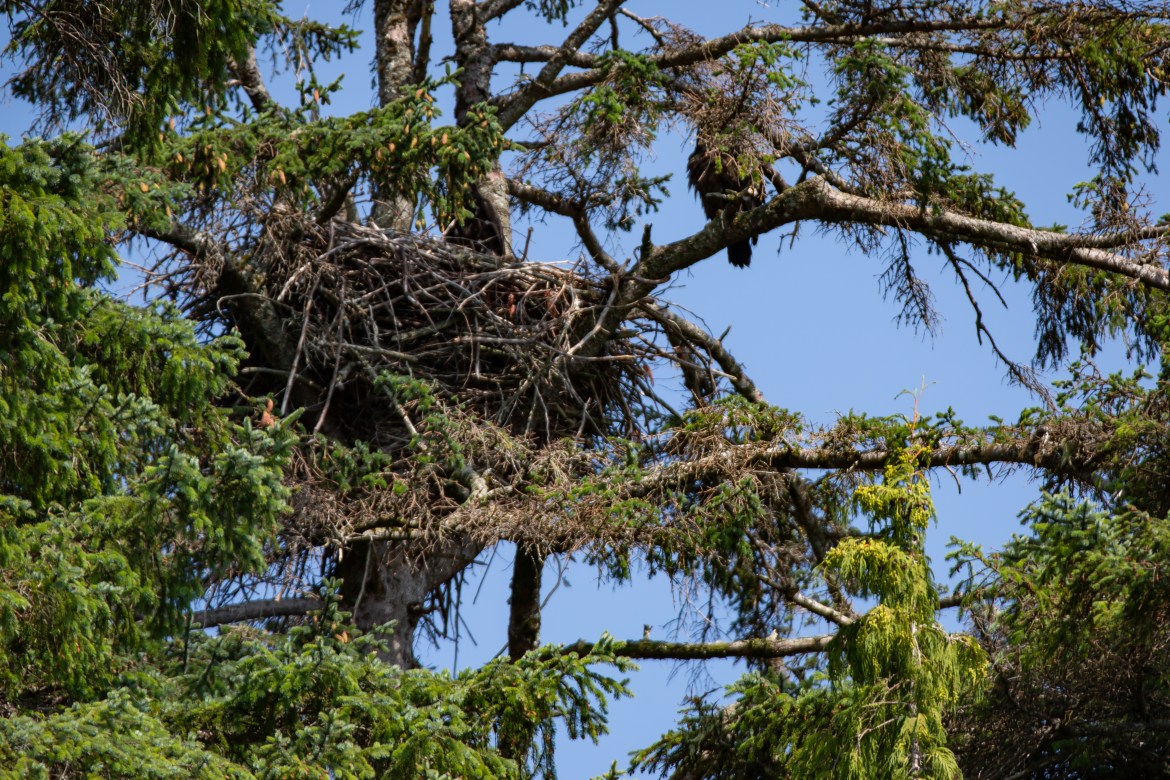
    North of town, Clover Pass offers teal tour boats, bobbing kayaks, and tide-polished foregrounds—a softer, nature-first angle on Ketchikan. Nearby beaches serve up golden rockweed against black stone for high-contrast landscapes. Watch for bald eagles nesting in spruce and otters working the kelp lines.
      🕒 Open: Daily; best at mid/low tide for texture
      💵 Cost: Free to wander; kayak tours ~$90–$150
      💡 Insider Tip: Pack a microfiber cloth—mist amplifies saturation but loves your front element.

If you want a nature-first window into Ketchikan that still fits a ship day, pair town wandering with a half-day paddle in calm coves. The Ketchikan Kayak Eco Tour glides past kelp beds and spruce-lined shoreline where bald eagles patrol and the water acts like a mirror—perfect for wide-angle reflections and quiet, story-rich frames. It’s close to town, guides keep the pace relaxed, and the route plays nicely with typical 

If wildlife is your north star, trade the paddle for a small-boat run where the captain knows the channels and tide lines. The Whale Watching & Wildlife Viewing Excursion works the hotspots for humpbacks, porpoises, and eagles, with a chance at otters and seals, too. You’ll want a mid-telephoto on the camera and a short shutter for breach-and-tail action; the boat’s low profile helps keep angles clean even on gray days. 

(Both options are easy adds to a cruise day: plan one focused outing, then weave in Creek Street, Thomas Basin, and a totem stop before all-aboard.)

Hidden Gems

Rotary Beach (Bugge’s Beach) — tidepools in Technicolor
On a mid-to-low tide, this pocket of shoreline turns into a mosaic of golden rockweed, mussels, and basalt—catnip for wide-angle storytelling and macro details. Travelers get an easy, scenic wander with island views; photographers can build foreground-to-horizon compositions that pop even under overcast. Expect slippery footing and changing light that rewards patience. It’s a quick taxi from the pier, so cruise passengers can slot it between a harbor stroll and an early dinner. Best near low tide for texture and color.

Rainbird Trail — rainforest canopy with town peeks
Minutes from downtown, Tongass textures take over: cedar spirals, mossy logs, fern fans, and filtered light that flatters every frame. Short climbs lead to view breaks over the harbor, giving you layered shots that contrast wild green with working waterfront. It’s close enough to fold into a ship day without anxiety, yet wild enough to feel miles away. Wear grippy shoes; roots and steps can be slick after rain. A microfiber cloth is worth its weight in gold here.

Ward Lake Loop — mirror water & raven soundtrack
Ten minutes from the bustle and you’re tracing a quiet forest lake with boardwalk sections, picnic nooks, and reflections that beg for a polarizer. Travelers love the gentle loop and benches; photographers can work needle-strewn shoreline foregrounds, low-contrast long exposures, and symmetrical frames. Early morning is best for glass conditions; a light drizzle only enriches color. If you’re sailing, pair this with a late-morning Creek Street walk and you’ll still be back well before all-aboard.

Herring Cove (seasonal) — bears, eagles, and salmon drama
When salmon run (typically late July–August), this creek can ignite with black bears fishing and bald eagles strafing the water. It’s a high-reward stop for both travelers and photographers—bring a 200–400mm range, keep distance, and go with a licensed guide if you’re new to wildlife etiquette. Light shifts fast between canopy shade and bright water, so ride Auto-ISO and watch your shutter speed. On cruise days, make this your single focused outing and leave buffer time for traffic.

Settlers Cove State Recreation Site — beach meets boardwalk rainforest
North of town, a storm-combed cobble beach meets a lush boardwalk loop through dripping hemlock and spruce—two looks in one easy stop. Travelers get uncrowded nature with picnic spots; photographers score contrasty scenes of black rock, white surf, and emerald canopy. Incoming tide adds wave action for dynamic frames; a 3-stop ND keeps water silky without losing the moody Southeast Alaska vibe. Tie it to a Clover Pass stop for eagles and kayaks, then head back toward town for blue hour on Front Street.

A few links and ads here are affiliate portals. If you click through and snag something, you’ll be fueling my next photo-quest at no extra cost to you. Thanks for keeping the adventure rolling!

🚖 Best Way to Travel in Ketchikan

Ketchikan is compact, walkable, and happily cruise-dock adjacent, so you can cover a lot on foot—Creek Street, Thomas Basin, and Front Street are an easy loop right off the pier. For anything beyond town (think Saxman Totem Park, Totem Bight, Clover Pass, or Ward Lake), the sweet spot is a short guided shuttle or taxi; distances are modest but rain and hills make wheels worth it. Independent explorers can rent a car for half a day to string together multiple nature stops without clock-watching—handy if you want Rotary Beach, Settlers Cove, and a Clover Pass kayak launch in one go. If you’re flying in, the KTN airport ferry pops you into town in minutes; from there, it’s walk, taxi, or tour van depending on your plan. Photographers: keep a mid-range zoom mounted while walking and stash a tele for eagles—you’ll swap lenses often if you don’t plan your route.

Accessibility Notes

Ketchikan’s core has steep sections, boardwalk planks, and occasional stairs (hello, Married Man’s Trail). Sidewalks downtown are generally smooth, but some historic boardwalks have gaps and slick spots in rain. Many tour vans can accommodate collapsible wheelchairs with prior notice; confirm when booking. For totem parks, expect packed paths and short ramps; the Totem Heritage Center offers the most even indoor surfaces on a wet day.

Parking & Permits

Downtown street parking is limited near the cruise berths; if you’re renting a car, plan to park a few blocks off Front Street and walk. Totem Bight and Ward Lake have small lots that fill during mid-day—early or late sessions are best (and prettier light). No special permits are needed for casual shooting in town and parks; drones are restricted near the port and populated areas—check current rules before you fly. For Misty Fjords, your operator handles permits; just bring photo ID and arrive a few minutes early.

Panoramic view of Thomas Basin Harbor Ketchikan Alaska with boats, boardwalk, and hillside homes
Boats tuck into Thomas Basin while houses climb the evergreens like colorful steps. Mist threads the ridgeline and the water mirrors a soft gray sky. It’s the whole Ketchikan story in one long breath.

🌳 National & State Parks near Ketchikan

Ketchikan sits inside the vast Tongass National Forest, so “nearby nature” basically means step outside and you’re in it. But a few designated parks and recreation sites make it wonderfully simple to plug true rainforest and shoreline time into a cruise-day or long weekend. Think cedar-scented boardwalks, mirror lakes, and tide-scoured beaches with golden rockweed—each spot a different mood and composition. Pair one close-in option with a harbor stroll, or stack two if you’re staying overnight and chasing that soft Alaska light.

  • Misty Fjords National Monument (Tongass NF) — Seaplane/boat from Ketchikan; flightseeing is typically 30–45 minutes each way, boat trips 2.5–5 hours. Why it’s worth it: sheer granite walls, dark-water reflections, and cloud drama on an epic scale. Best: late spring through early fall; mornings for glassy water and low, moody cloud.

  • Totem Bight State Historical Park — About 10 mi/20 min north by car or tour shuttle. Why it’s worth it: shoreline totems and a clan house framed by Tongass Narrows—culture plus sea textures in one walk. Best: mid-to-low tide for rockweed foregrounds; overcast days for saturated cedar reds and greens.

  • Settlers Cove State Recreation Site — Roughly 18 mi/35–40 min north. Why it’s worth it: storm-combed cobble beach plus a lush rainforest loop, giving you two looks in one stop. Best: incoming tide for wave action; soft evening light for contrasty surf and deep greens.

  • Ward Lake Recreation Area (Tongass NF) — About 8 mi/15–20 min from downtown. Why it’s worth it: tranquil mirror lake with easy paths and boardwalks—perfect for reflections, long exposures, and raven soundtracks. Best: early morning for glass conditions; light rain only improves color.

  • Refuge Cove State Recreation Site — Around 6 mi/15 min north. Why it’s worth it: quick-access beach and picnic nooks with classic Inside Passage layers—forest, islands, and working water. Best: blue hour for pastel skies and boat lights; overcast midday for even tones.

  • Betton Island State Marine Park — Short boat or kayak hop from the Ketchikan shoreline (charter or guided paddle). Why it’s worth it: wild-island feel close to town—kelp lines, eagles, and open compositions across the Narrows. Best: calm mornings for paddling and clean reflections; summer for long shooting windows.

For cruise schedules, pick one marquee outing (Misty Fjords or a state park north of town) and leave a buffer for traffic and weather. Fly-in visitors can stack Ward Lake plus Totem Bight on day one, then save Settlers Cove for a moody, wave-watching golden hour.

💵 Sleep • Eat • Move: Cost Breakdown in Ketchikan

Ketchikan is a rain-kissed splurge where seafood sings, wheels are optional, and your camera earns its keep.

Ketchikan keeps things compact, walkable, and cruise-dock close, which means you can spend more on experiences than on getting around. Summer demand nudges rates up, especially when three ships are in, but you can still thread a smart path: grab a harbor-view room, feast on salmon and halibut, and reserve one marquee outing like Misty Fjords or a kayak eco tour. If you’re sailing in for the day, most of your budget lands in tours and chow; if you’re staying a night or two, expect lodging to take the lead. Either way, the payoff is the same—soft Tongass light, color-splashed storefronts, and memory cards full of Inside Passage mood.

🏷️ Category 💵 Cost Range (USD) 📌 What You Get
🏨 Lodging — Budget $150–$220 per night Basic motels and simple inns near downtown; clean rooms, limited views, walkable to Front Street.
  Mid-Range $220–$350 per night Harbor-view rooms or lodges with on-site dining; close to Creek Street and Thomas Basin.
  Luxury $350–$600+ per night Premium harbor panoramas, fireplaces, and elevated menus; best for blue-hour frames right from the balcony.
🍽 Meals — Budget $40–$60 per day Casual seafood shacks and cafes; chowder, fish tacos, and grab-and-go near the cruise piers.
  Mid-Range $60–$110 per day Sit-down spots with fresh halibut/salmon, local brews, and harbor views.
  Luxury $120–$180 per day Chef-forward seafood dinners, craft cocktails, and multi-course tastings after sunset strolls.
🚌 Transportation — Budget $0–$20 per day Walk the core (Front Street, Creek Street, Thomas Basin). Occasional bus or shared shuttle.
  Mid-Range $20–$60 per day Taxis or tour shuttles to Saxman, Totem Bight, Ward Lake, or Clover Pass.
  Luxury $90–$140+ per day Rental car for flexible photo scouting; easy to stack multiple locations between ship calls.
🏛 Activities — Budget $0–$25 per day Creek Street strolls, Totem Heritage Center (~$6–$10), self-guided harbor walks.
  Mid-Range $80–$180 per day Kayak eco tours, wildlife excursions, guided totem park combos.
  Luxury $250–$500+ per day Misty Fjords flightseeing, private guides, bespoke photo charters.

Average Cost Per Day in Ketchikan

Ketchikan pricing swings with the cruise calendar and the weather window—dry spells and multi-ship days lift demand. Cruise visitors who stay pier-side, walk the core, and pick one guided outing land on the lower end; overnighters paying for harbor-view rooms land higher. Photographers should budget a little extra for that one “can’t miss” experience—Misty Fjords or a small-boat wildlife run—because the images are keepers. Below is a realistic daily snapshot so you can plan your spend without sacrificing the shot list.

🧳 Traveler Type 💵 Daily Estimate (USD) 📌 What’s Included
   🎒 Budget – Wander Smart    $120–$180 Walkable sightseeing, casual seafood, museum/totem entries, shared shuttle to one park. (Cruise day without lodging can be $60–$120.)
   🏖️ Mid-Range – Wander Well    $220–$350 Harbor-view hotel, one guided tour (e.g., kayak eco tour), taxis/shuttles, sit-down seafood dinner.
   🏰 Luxury – Wander Luxe    $400–$700+ Premium lodge or suite, Misty Fjords flightseeing or private charter, rental car or private driver, elevated dining.

🖼️ Ketchikan in Pixels: Bonus Shots

Close view of mussels and yellow rockweed covering driftwood on Alaskan intertidal zone in Ketchikan
The beach becomes a living mosaic at low tide—blue-black mussels stitched together with ruffles of gold rockweed. Every inch is texture, pattern, and tide-carved story. You can almost hear the crackle of barnacles as the water pulls back.
Ketchikan Alaska waterfront with sailboat, seaplanes, hillside homes and forested mountains
The docks hum with floatplanes while a sleek sailboat nods at the tide, and pastel houses climb into the evergreens. Late light gilds rooflines and the mountains exhale that moody Inside Passage purple. It’s the kind of view that makes you linger on deck.
Colorful storefront curve on Ketchikan waterfront road under low clouds and flags
Low clouds drape the mountains while the waterfront shops march around the bend in reds and purples. Flags flick in the wind and the road gleams from recent rain. Moody weather turns the storefronts into a painter’s palette.
Ketchikan Alaska eagle statue downtown green space with historic storefronts and blue sky
The downtown eagle statue spreads its painted wings toward a cloudless sky, as if launching over Front Street. Morning light warms the storefronts and the grass still glistens from overnight mist. This is Ketchikan’s handshake—bold, proud, and unabashedly photogenic.
Colorful storefronts at Front Street and Mill in downtown Ketchikan Alaska with mountains behind
Downtown Ketchikan wears color like parade regalia—salmon pinks, spruce greens, and bold signage on every facade. The mountains loom like bodyguards while shoppers drift between galleries and gear shops. It’s bright, buzzy, and delightfully photogenic.
Aerial style view of Ketchikan Alaska harbor with hillside homes and marina along Tongass Narrows
Ketchikan climbs the hill like colorful shingles, every house stealing a sliver of sea view. From this vantage, docks, boats, and mountains knit the town into a tidy coastal tapestry. It’s the postcard angle you wish your cabin balcony always had.

🎉 Local Festivals & Events in Ketchikan

Ketchikan punches way above its size when it comes to small-town festivals with big character. If you’re cruising midsummer, the streets bloom with blueberry-themed art booths and live music during the beloved Blueberry Arts Festival—it’s always the first weekend of August, and 2025 marks the 50th edition (Aug 1–3, 2025). Spring travelers can tap the Alaska Hummingbird Festival at the Southeast Alaska Discovery Center, a month of guided bird walks, exhibits, and family programs celebrating the return of rufous hummingbirds (generally early April through late April—2025 ran Apr 4–26, with events at Ward Lake and the Discovery Center). If you’re in town around Memorial Day into June, locals line the docks for the Ketchikan King Salmon Derby, typically spanning the holiday weekend and the next two June weekends—classic waterfront energy and bragging-rights fish stories. Ketchikan Fishing Lodge Winter/shoulder season still brings flair: the Wearable Art Show turns creativity into couture with exhibits and performances centered at the Main Street Gallery each February.  And of course, July 4th is small-town Americana at its finest—a midday parade rolling straight through downtown. 

Seasonal Open/Closed

  • Misty Fjords tours (seaplane/boat) run mainly May–September, heavily weather-dependent; morning slots pair best with cruise days. (Tour operators’ permitting and timing vary; check your sailing’s port window.)

  • Totem parks & museums are open year-round, but guided programs and gallery hours expand in summer and scale back in the off-season

  • Wildlife highlights: humpbacks show through summer, salmon runs peak late July–August (great for Herring Cove), and eagles are year-round with surges during runs. (Derby timing corroborates late-spring/early-summer activity.) 

  • Festival timing to note for 2025: Blueberry Arts Festival (Aug 1–3), Alaska Hummingbird Festival (April), July 4 Parade (1 pm), Wearable Art Show exhibits (February)—if you’re cruising, book excursions early on these dates; town gets delightfully busy.

📸 Essential Photo Tips for Capturing in Ketchikan

Mist, spruce, and neon—Ketchikan is mood lighting all day long. Dawn opens with gulls heckling the harbor and eagles staking out lamp posts; by mid-morning, totem parks glow under soft rainforest light that makes reds and greens sing. Midday is your friend here—overcast turns Creek Street into a color-block runway, and drizzle only deepens saturation. Slide north for Clover Pass kayaks and rockweed textures, then circle back for golden hour across Thomas Basin masts and Front Street facades before blue hour slicks the streets to a cinematic sheen. If wildlife’s calling, time Herring Cove to the late-July salmon run and bring reach—you’ll want that tele when the action pops.

Gear helpers I actually use here: a good Circular Polarizer Filter keeps glare off wet wood and water while boosting those rainforest greens, and a Neutral Density Variable Filter lets you soften waterfalls and boat wakes without losing the moody light. Pack a microfiber cloth—you’ll thank me by the third mist burst.

📍 Where & What to Shoot ⏰ When to Shoot 📷 How to Nail the Shot 🏛 Tourist Traffic 💡 Insider Tip
Cape Fox Lodge Overlook — harbor panorama, rooftops, and ridgelines Sunrise / early morning Use a mid-range zoom (24–105mm) and brace on the railing; wait for light shafts to rake across town. Low If it’s raining, shoot anyway—mist layers add depth and atmosphere.
Ward Lake — mirror reflections, cedar needles, and foggy treeline Sunrise / early morning Polarizer just past minimum to keep reflections; compose with low shoreline foregrounds for depth. Low Bring a lightweight cloth—drizzle supercharges color but beads on your front element.
Saxman Totem Park — towering poles under spruce canopy Morning (soft, even light) Shoot cross-light on form lines; isolate ovoids and eyes at f/4–f/5.6 for sculpted detail. Moderate Light drizzle = richer reds/greens; a lens hood keeps drops off the glass.
Totem Bight State Historical Park — clan house + shoreline totems Late morning / mid-tide Wide angle for totems against Tongass Narrows; use rockweed as a golden foreground layer. Low–Moderate Check tide charts—low tide reveals textures that make your frame sing.
Creek Street & Married Man’s Trail — stilted boardwalks and salmon run Midday (overcast wins) Let the curve of the boardwalk lead; faster shutter for salmon surface chaos in late July–Aug. High (cruise hours) Arrive before ships fully unload for clean frames and glossy post-rain color.
Clover Pass — kayaks, docks, and teal hulls Early–mid afternoon Work repeating dock lines; catch paddle strokes at 1/500–1/1000 to freeze droplets. Low A 3-stop ND lets you blur gentle wake lines for calm, painterly frames.
Thomas Basin & Front Street — masts, neon, and color-blocked facades Golden hour → blue hour Switch from details (rigging, reflections) to street wides as lights flick on; tripod helps at ISO-friendly speeds. Moderate Wet pavement = built-in reflector; time your shots as taillights trace curves.
Herring Cove (seasonal) — bears, eagles, and salmon strikes Evening (late July–Aug) 200–400mm and 1/1000+ for action; Auto-ISO with a ceiling keeps shutter priority honest. Variable (guided groups) Mind distance and rangers; position for cross-stream angles to avoid harsh backlight.

🛡️ Regional Quirks + Practical Tips & Safety in Alaska

Ketchikan wears its rainforest on its sleeve—expect mist, drizzle, and the occasional “sunbreak” that flips your white balance in a heartbeat. Locals move at working-harbor pace: fishing boats, tour vans, and cruise waves all sharing tight streets, so patience is the house specialty. Boardwalks and Creek Street planks are photogenic but slick after rain; shoes with bite beat pretty soles every time. And while bald eagles perch like civic mascots, give wildlife room; you’re in the Tongass, not a zoo.

✅ Do’s in Ketchikan
 ✅ Carry layers and a rain shell. Weather flips quickly; drizzle equals color saturation for your photos.
 ✅ Use tide charts. Rotary Beach, Totem Bight, and rocky coves look completely different at mid/low tide.
 ✅ Walk the core from the pier. Thomas Basin, Front Street, and Creek Street are compact and camera-ready.
 ✅ Mind cultural sites. At totem parks and the Totem Heritage Center, photograph respectfully and read the signage—those carvings are stories, not props.
 ✅ Plan a single marquee tour on cruise days. Pick Misty Fjords or a kayak/wildlife run and leave buffer time for all-aboard.

❌ Don’ts in Ketchikan
 ❌ Don’t crowd wildlife. At Herring Cove (seasonal), keep distance from bears and eagles; follow guide/ranger direction.
 ❌ Don’t block boardwalks. Tripods belong out of main foot traffic—step to the side on Creek Street bridges.
 ❌ Don’t assume every shop stays late. Many summer hours track ship schedules; get souvenirs and snacks earlier in the day.
 ❌ Don’t fly drones near the port or crowds. Rules are tight around downtown and tour areas—check current restrictions.
 ❌ Don’t underestimate slick wood. After rain, those picturesque pilings and planks turn sneaky—watch your footing.

Street-Savvy Notes

  • Downtown driving is stop-and-go when multiple ships dock—walk or use short shuttles/taxis and park a few blocks off Front Street if you’ve rented a car.

  • Keep your kit weather-proofed: a zip pouch and microfiber live in the side pocket; wipe lenses often in mist.

  • For night shots in rain, face traffic and keep a shoulder to the buildings—those glossy blue-hour frames are worth it, but stay visible.

  • On forest trails (Rainbird, Ward Lake), roots are ankle-biters—use trekking shoes, not slick sneakers.

  • Harbor etiquette: watch dock lines and stay clear of active loading zones; the working waterfront comes first.

🍽 Where to Refuel Nearby

Tide-to-Table in Ketchikan Is A Vibe—and Your Tastebuds Get Front-Row Seats

Ketchikan eats like a working harbor: fresh salmon, halibut, and crab coming off boats while gulls heckle the docks and neon signs glow through mist. On cruise days you can graze within steps of the pier, but if you’re overnighting, wander a few blocks for quieter rooms-with-a-view and supper that lingers into blue hour. Expect chowder steam, cedar-scented air, and menus that lean hard into the Inside Passage pantry. Order local, linger over halibut & chips or king crab legs, and let the rain soundtrack your meal.

🍽 Top Local Restaurants & Their Must-Try Specialties

  • Alaska Fish House (Downtown, 3 Salmon Landing) ($$) — Cannery-style seafood house a short stroll from the cruise piers; go for alder-grilled salmon or halibut & chips and a local brew with harbor views. 

  • Annabelle’s Famous Keg & Chowder House (Front Street) ($$–$$$) — Classic Ketchikan staple known for creamy clam chowder and hearty seafood plates; open daily with long summer hours right by the action. 

  • Bar Harbor Ale House / Restaurant (Harborfront) ($$) — Casual spot for pints and elevated pub fare near the marina; think brisket burgers, fresh fish, and a solid sunset view lineup. 

  • The Landing (near Airport Ferry) — The Diner & Portside Pub & Grill ($$) — Handy for fly-ins and overnighters with all-day comfort plates and Alaskan seafood a short hop from town. 

Cruise tip: eat early or late to dodge ship-hour rushes; on multi-ship days, put your name in, then grab a few harbor frames while you wait.

🥩🥗☕🍰 Savor the Shot in Ketchikan

Ketchikan Alaska smoked salmon bagel with cream cheese red onions and capers on wood board
Breakfast in Alaska’s Salmon Capital should taste like the harbor, and this smoked salmon bagel nails it—silky fish, briny capers, and cream cheese that keeps the peace. The red onion crunch wakes the palate while the sesame-studded bagel adds toasty swagger. It’s the kind of bite that makes a gray morning feel golden.
Ketchikan Alaska fish and chips plate with lemon wedge thick fries and tartar sauce
Fresh white fish in a shattering crust laid over thick-cut fries—this is the harbor’s love language. A lemon squeeze and cool tartar sauce cut through the crunch so every bite tastes like sea breeze and ship bells. Simple, hot, perfect after a rainy boardwalk stroll.
Ketchikan Alaska fish tacos with pico de gallo fries and slaw in casual seafood spot
Piled high with pico de gallo and creamy drizzle, these fish tacos bring warmth to a misty Ketchikan day. The fries are pure cruise-day fuel, while a side of slaw keeps things bright and crunchy. It’s the quick, happy plate between photo walks.
Ketchikan Alaska local beer flight on harbor deck with boats and water view
Four short pours line up against a working-harbor backdrop—amber, kolsch, pale, and something hoppy enough to make the gulls jealous. Sipping local while boats shuffle the slips is peak Ketchikan: easygoing, sea-salted, and a little bit celebratory. Save a few frames for the glass glow when the clouds thin.

🏨 Where to Stay: Beds Worth Booking in Ketchikan

Ketchikan keeps lodging close to the action—harbor views, boardwalk rambles, and blue-hour photo walks right outside your door. If you’re cruising in, staying near Thomas Basin or Front Street means you can roll from sunrise harbor color to chowder in minutes. Fly-in travelers will love the convenience of the airport ferry side with easy shuttles back to town. Expect woodsy décor, rain-kissed windows, and that unmistakable Tongass hush the moment the gulls clock out.

🌲 Pillow with a View, Steps from the Shot

  1. 🏨 Cape Fox Lodge – Hillside Panorama, Totems & Funicular Flair
    Perched above town, Cape Fox Lodge delivers a balcony-level panorama of harbor masts, spruce-dark ridges, and color-splashed roofs. Ride the little funicular or walk Married Man’s Trail and you’re framing Creek Street in minutes. Rooms feel lodge-cozy (think cedar tones and big windows), and the on-site restaurant means you can linger through blue hour without watching the clock. For photographers, this is the “wake-up-and-shoot from the terrace” address.

  2. 🏨 The Landing Hotel – Easy In/Out by the Airport Ferry
    Popular with fly-ins and road-warriors of the sea, The Landing sits by the airport ferry, making arrival and departure blissfully simple. You’re a quick shuttle or short drive from Front Street and Thomas Basin, but you also get on-site dining and comfy rooms for fast turnarounds between outings. It’s the pragmatic base that still lets you chase Misty Fjords light at dawn and be back for a hot cup before the drizzle finds you.

  3. 🏨 Inn at Creek Street – Historic Stilt-House Charm on the Water
    Sleeping in a converted stilt house above the tide? That’s peak Ketchikan. The Inn at Creek Street puts you right on the planks with salmon runs beneath your window in season and totem parks a short hop away. Interiors lean quaint-historic, and you can step outside for fog-softened color on the storefronts any time the mood (or mist) strikes. For cruisers, it’s a no-car, all-character base camp.

Wander on a Dime

Inn at Creek Street

Historic Stilt-House Charm on the Water
Sleeping in a converted stilt house above the tide? That’s peak Ketchikan. The Inn at Creek Street puts you right on the planks with salmon runs beneath your window in season and totem parks a short hop away. Interiors lean quaint-historic, and you can step outside for fog-softened color on the storefronts any time the mood (or mist) strikes. For cruisers, it’s a no-car, all-character base camp.

Where Everyone Stays

The Landing Hotel

Easy In/Out by the Airport Ferry
Popular with fly-ins and road-warriors of the sea, The Landing sits by the airport ferry, making arrival and departure blissfully simple. You’re a quick shuttle or short drive from Front Street and Thomas Basin, but you also get on-site dining and comfy rooms for fast turnarounds between outings. It’s the pragmatic base that still lets you chase Misty Fjords light at dawn and be back for a hot cup before the drizzle finds you.

Indulge in Style

Cape Fox Lodge

Hillside Panorama, Totems & Funicular Flair
Perched above town, Cape Fox Lodge delivers a balcony-level panorama of harbor masts, spruce-dark ridges, and color-splashed roofs. Ride the little funicular or walk Married Man’s Trail and you’re framing Creek Street in minutes. Rooms feel lodge-cozy (think cedar tones and big windows), and the on-site restaurant means you can linger through blue hour without watching the clock.

📸 In the Frame: Our Journey in Ketchikan

Travel couple selfie with Thomas Basin Harbor and hillside homes blurred behind in Ketchikan Alaska
I captured this selfie of Laura and me along the boardwalk with the harbor soft in the background. The smell of salt and cedar hung in the air while gulls argued over lunch. Cloud cover turned the whole marina into a giant softbox.
Smiling travel couple selfie on wild beach with rockweed and forested hills near Ketchikan Alaska
I snapped this selfie of Laura and me with tide-slick rocks and a quiet bay behind us. The drizzle paused long enough for grins and a deep breath of cedar-scented air. Alaska’s rainforest has a way of softening the shoulders.
Ketchikan Alaska kayakers in bright yellow tandem kayak leaving marina with evergreens
Paddles flash and smiles spread as a tandem kayak slips away from the dock into glassy water. It’s the softer side of Alaska—emerald shoreline, quiet ripples, and a morning that smells like cedar. Adventure starts about ten feet off the pier.
Close selfie of traveling couple with blurred Welcome to Ketchikan sign in background
Close selfie of Laura and me with the famous welcome arch just out of focus behind us. We’re grinning like people who finally embraced the rain and ordered another coffee. Ketchikan has that effect—cozy, spirited, and always camera-ready.

⏱️ Quick-Hit Day-Trip Plan for Ketchikan

One misty day, all the greatest hits—timed for cruise calls and photo light.

Ketchikan is the rare port where you can step off the gangway and be shooting worthy frames within minutes. This one-day plan strings together harbor color, totem heritage, and a marquee nature outing without rushing your coffee—or your composition. It’s built for a typical 8:00 AM–5:00 PM cruise window (fly-ins can stretch golden hour), with a rainy-day swap ready if the clouds decide to show off. Leave 30–45 minutes of all-aboard buffer at the end; blue hour is tempting, but that ship won’t wait.

🕒 8:00 AM — Harbor Wake-Up at Thomas Basin & Front Street
Start on the pier and wander the working waterfront as gulls heckle the masts and shop lights snap on. Frame reflections between pilings, then pivot to Front Street for color-blocked facades against spruce-dark hills. If it’s drizzling (likely), you’ve got a built-in softbox and mirror-finish streets—perfect for cinematic leading lines. Keep a mid-range zoom mounted and a cloth handy; the first hour delivers more keepers than most towns do all day.

🕒 Open: Public access 24/7 (shops from late morning).
💵 Cost: Free to roam.
💡 Insider Tip: After rain, shoot curbside puddles low to double your neon.

🕒 9:15 AM — Creek Street & Married Man’s Trail
Follow the plank boardwalk as it curves over Ketchikan Creek, then climb Married Man’s Trail for a canopy overlook. The stilted storefronts read like a storybook—use the boardwalk as a leading line and watch for salmon surface pops in late July–August. Even on gray days, clapboard color sings; overcast is your friend here. Give yourself time to work both wide scenics and tight details like hand-painted signs, wet wood grain, and window reflections.

🕒 Open: Boardwalk access all day; shops late morning–early evening (summer).
💵 Cost: Free walkway; galleries vary.
💡 Insider Tip: Shoot after showers for saturated paint and glassy creek water.

🕒 10:30 AM — Totem Time (choose one): Saxman Totem Park or Totem Heritage Center
If you want open-air carvings under towering spruce, head to Saxman Totem Park; if it’s really coming down, duck into the Totem Heritage Center for rescued 19th-century poles in gorgeous, even light. Either way, slow down and study the formline—eyes, ovoids, and crescents—then isolate details at f/4–f/5.6 so the carving pops from the cedar grain. Read the signage; the stories make your frames smarter.

🕒 Open: Saxman daylight; Heritage Center daily in summer (limited off-season).
💵 Cost: ~$5–$10 entry or part of a tour.
💡 Insider Tip: Light drizzle deepens reds/greens—keep the hood on and keep shooting.

🕒 12:00 PM — Lunch Window by the Water
Slide back toward the harbor for hot chowder and a view—there’s nothing like watching floatplanes hopscotch the Narrows while your fingers thaw. If ship crowds are thick, eat a touch early or late and steal a few frames between courses (windows make great softboxes). Keep the camera ready: the working harbor throws constant micro-stories—knots, nets, nameplates, and weathered hands.

🕒 Open: Most harborside kitchens lunch through afternoon (longer in summer).
💵 Cost: $$ for chowder/halibut & chips tier.
💡 Insider Tip: Sit near glass; reflections + backlight = easy editorial moments.

🕒 1:15 PM — Marquee Nature Outing (pick one that fits your port time)
Option A: Misty Fjords Flightseeing delivers cathedral-scale granite, ink-dark lakes, and cloud drama from above; wear dark clothing, press the lens hood to the window, and favor 70–105mm for graphic layers.
Option B: Ketchikan Kayak Eco Tour glides through kelp beds and spruce-lined coves with bald eagles on patrol; shoot paddle strokes at 1/500–1/1000 and work reflections between drops.
Either choice gives your day a defining chapter without blowing the clock.

🕒 Open: Tours daily in summer; flight/boat/kayak slots vary (weather-dependent).
💵 Cost: Kayak $$–;flightseeing; flightseeing –$$$$.
💡 Insider Tip: Book a single focused outing on cruise days; stacking two eats your buffer and your calm.

🕒 3:45 PM — Clover Pass or Ward Lake Reset (time-and-weather dependent)
If you’ve got an hour left and wheels (taxi or rental), make a quick nature stop. Clover Pass gives you teal hulls, docks, and often eagles hunting the kelp lines; Ward Lake trades salt for stillness with mirror water and boardwalk reflections. Both locations reward slow breathing and slower shutters—let Alaska’s quiet finish the story.

🕒 Open: Daylight access.
💵 Cost: Free.
💡 Insider Tip: Polarizer just past minimum keeps reflections while taming glare.

🕒 4:45 PM — Pier-Side Wrap & All-Aboard Buffer
Drift back through Thomas Basin for a last sweep of rigging details, nameplates, and those end-of-day harbor faces. If you’re overnighting, linger into blue hour on Front Street for neon on wet pavement; cruisers, head gangway-ward with shots in the bag and shoulders soft. Ketchikan shines brightest when you don’t sprint—today proves it.

🕒 Open: Waterfront public access.
💵 Cost: Free.
💡 Insider Tip: If you’re sailing, keep a 30–45 minute cushion—souvenir lines and photo detours add up fast.

Seasonal swap: When salmon run (late July–August), you can swap the quick nature reset for Herring Cove with a licensed guide—bring 200–400 mm and mind distance for bears and eagles.

🧳 What to Pack for Picture-Perfect Shots

Rain Capital Shine, Salmon Runs, and Misty Fjord Moods

Ketchikan is the Tongass in miniature—rain-washed boardwalks on Creek Street, floatplanes lifting from Tongass Narrows, totems at Saxman and Totem Bight, and cloud veils drifting across Misty Fjords. Pack like the forecast changes every five minutes (because it does). Bring water, a hooded rain shell or poncho, and layerable, breathable warmth; stash light socks and grippy, waterproof shoes for slick planks and damp trails. A soft lens cloth is mandatory—salt spray, drizzle, and cedar mist will find your glass—and favor low-key stabilization (railings, elbows, rocks) when crowds or wind make tripods awkward. Travel nimble for dawn hush on the narrows, salmon-run action at Married Man’s Trail, and blue hour glowing off wet cedar and neon shop fronts.

👉 The Nomad’s Kit: Gear That Earns Its Miles

Canon RF 15–35mm f/2.8L — Go ultra-wide for Creek Street boardwalks, hatchery platforms, and Misty Fjords’ granite walls where stepping back means “hello, water.”
Canon RF 24–105mm f/2.8L — Your dock-to-totem workhorse: portraits under cedar eaves, mid-tele totem carvings, and quick café vignettes during rain breaks—no lens shuffle in a squall.
Canon RF 100–500mm f/4.5–7.1L IS USM — From overlooks or boat decks, compress fjord layers, isolate bald eagles and floatplanes, or frame salmon leaps without crowding the rail.
Lowepro ProTactic BP 350 AW III — Weather-tough and compact; slides under a bench on the pier and keeps filters dry between showers.
Peak Design Travel Tripod — Break it out for blue-hour harbor reflections or long exposures of the narrows; use spikes/weight—Ketchikan breezes love to test your resolve.
JOBY GorillaPod 3K Kit — Clamp to boardwalk railings or pier bollards for discreet long exposures—tiny footprint, big stability when rain and wind team up.

Cut Glare. Shape Time. Make Every Frame Sing.
Ketchikan is all sheen—rain-slick cedar, glassy water, polished rocks, and aluminum floatplane wings. A circular polarizer tames hotspots and deepens evergreen/steel-blue palettes, while a variable ND helps you slow the scene: melt crowd flow on Creek Street, turn waterfalls to silk in Misty Fjords, and smooth harbor chop while totems and pilings stay tack-sharp.

🌊 Control Reflections & Punch Up Color
Use a polarizer to calm glare on wet timber and calm pools, pull texture from carved cedar, and keep cloud drama over Tongass ridges. Pro tip: rotate lightly—over-polarizing can deaden the pearly sheen that makes rain light magical.

⏱️ Drag the Shutter in Broad Daylight
Drop 3–6 stops with an ND to blur salmon-watching crowds, paint floatplane wakes into elegant ribbons, and turn persistent drizzle into dreamy streaks over the narrows. Pro tip: start around 1/4–1 s for people/plane blur; go 2–10 s for silky water and waterfalls.

Photo Policy RemindersNo flash in small museums and many cultural/heritage spaces (carving houses, clan houses); tripods/stands are discouraged on narrow Creek Street boardwalks and busy docks. Drones are restricted near the port and in much of the Tongass National Forest—assume “permit required.” Keep respectful distance from wildlife (bears, eagles, salmon runs), mind wet planks, and change lenses under shelter—Ketchikan will soak you, then reward you with luminous, rain-kissed color.

🌤️ When to Go & Weather Sweet-Spots for Ketchikan

Chasing Color and Clouds in Ketchikan: When Rain Makes the Photo Sing
Ketchikan is a temperate rainforest port, which means your best light often arrives wrapped in mist, drizzle, and dramatic cloud layers. Summer days are long and lively, with cruise energy peaking and boardwalks buzzing; shoulder months trade crowds for softer, moodier scenes across the Tongass. Spring teases drier spells and fresh greens along Creek Street, while early fall paints the harbor in glassy reflections and saturated color. If you time it right, you can pair gentle weather with lively wildlife and still catch that moody Inside Passage glow.

🌞 Season🧘‍♂️ Vibe Check🌦 Rain Factor🏛 Tourist Traffic
🌴 Winter (December–February)Quiet harbor, short days, moody blues; great for reflective Front Street scenes if you’re not crowd-averse—because there aren’t many.Frequent rain; chilly damp. Occasional clear snaps for crisp mountain outlines.Low. Some tours scaled back; museums and indoor culture shine.
🌸 Spring (March–May)Fresh greens in the Tongass, lighter crowds, humming seasonal ramp-up.Intermittent showers; April/May can gift brighter breaks and soft overcast—perfect for totem parks.Low → Moderate. Good value for fly-ins; some cruise calls begin.
☀️ Summer (June–August)Long days, lively docks, salmon runs, and maximum energy across Creek Street and Thomas Basin.Expect rain somewhere in the week; frequent light drizzle that actually flatters color and skin tones.High. Peak cruise season; book marquee tours like Misty Fjords early.
🍂 Fall (September–November)Saturated foliage, glassy water, cozy restaurants—prime for moody harbor storytelling.Wettest stretch, but also the richest color and reflections. Bring rain shell and microfiber.Moderate → Low after cruise wind-down; easier bookings, great photo pace.

🌧️ Rainiest Months: September–November (bring a reliable rain shell and lens cloths).
🎯 Peak Tourist Season Months: June–August (long light, busiest docks, strongest tour availability).
🏖️ Off-Season Sweet Spot Months: May and early September (lighter crowds, softer light, good odds for lush color without full peak pressure).
💡 Insider Pro Tip: In Ketchikan, overcast is a feature, not a bug—shoot color-heavy scenes after showers for saturated storefronts and perfect reflections, then pivot to blue hour for neon on wet pavement along Front Street.

🎥 Reels on the Road

Ketchikan serves moody light on tap: mist, neon on wet streets, and floatplanes skimming the Tongass Narrows. Think tight cuts that move from totem detail to harbor reflections, then pop to a wide of spruce-dark ridgelines. Cruise-day windows are perfect for short, punchy edits—walk off the ship, grab sequences at Thomas Basin and Creek Street, and you’ve got a reel before lunch. Keep clips 1–2 seconds, mix wide → medium → detail, and let the soundtrack carry that Inside Passage heartbeat.

🎥 Thomas Basin & Front Street — sunrise pan of masts and reflections → quick rack focus on boat nameplates → puddle reflection walk-through; best at sunrise/blue hour.

🎥 Creek Street & Married Man’s Trail — POV boardwalk stroll with stilt houses → overhead of salmon surging (seasonal) → tilt up to color-blocked facades; best midday under overcast.

🎥 Saxman Totem Park — slow push-in on carved eyes/ovoids → reveal to full pole against spruce canopy → hand swipe to transition; best morning in soft rain.

🎥 Cape Fox Lodge Overlook — hyperlapse up the funicular → stationary wide on harbor, let clouds roll → slow tilt as light shafts hit town; best late afternoon into golden hour.

🎥 Ward Lake — slider-smooth shoreline shot with mirror water → hand skim along boardwalk rail → 3-second long-exposure reveal; best at calm sunrise.

🎥 Clover Pass Kayaks — launch POV with paddle drip → side profile of strokes at 1/1000s → glide past kelp with eagle cutaway; best early–mid afternoon on calm days.

Pro reel tips for Ketchikan: Lock 24/30 fps; reserve 60 fps only for subtle slow-mo (rain beads, paddle spray). Use manual exposure in gray-bright swings, and a polarizer to tame wet-wood glare. Pocket a GorillaPod for railings and a microfiber cloth for the “free water effects” the rainforest loves to add. If you’re cruising, start shooting the moment you clear the gangway—those first five minutes often deliver the reel’s opener.


Behind the Lens

I’m Steve—a retired Army vet who traded ruck sacks for camera bags and now chases light across every latitude I can reach. From 110 point & shoot film camera beginnings to a Canon R5 Mark II and Mavic Pro II drone, I’ve logged shots in 36 countries and all 50 states, squeezing solo photo runs between corporate flights and longer adventures with my wife. Shutter Nomadica is where I share the hits, misses, and field notes so fellow roamers can skip the guesswork and grab the shot!


Leave a Reply

Discover more from Shutter Nomadica

Subscribe now to keep reading and get access to the full archive.

Continue reading